
CATEGORY HUB · 114 ARTICLES
Dyeing
Dyeing techniques for every fiber
From indigo vats to discharge resists, this hub covers the dye chemistry, the process variables, and the common defects you'll see on the floor. Start with the pillar for the full method, then drill into the technique or fabric you need.
01
Essential reading
Start here. The most important articles that explain the category to a textile engineer in one sitting.

Wet Processing
The Complete Guide to Dyeing Fabric at Home: Every Technique, Every Fiber
Successful fabric dyeing depends on matching the correct dye class to the fiber type —...
Read article →
Wet Processing
How to Dye Cotton Fabric at Home: Fiber Reactive Dye Complete Guide
Successful fabric dyeing depends on matching the correct dye class to the fiber type —...
Read article →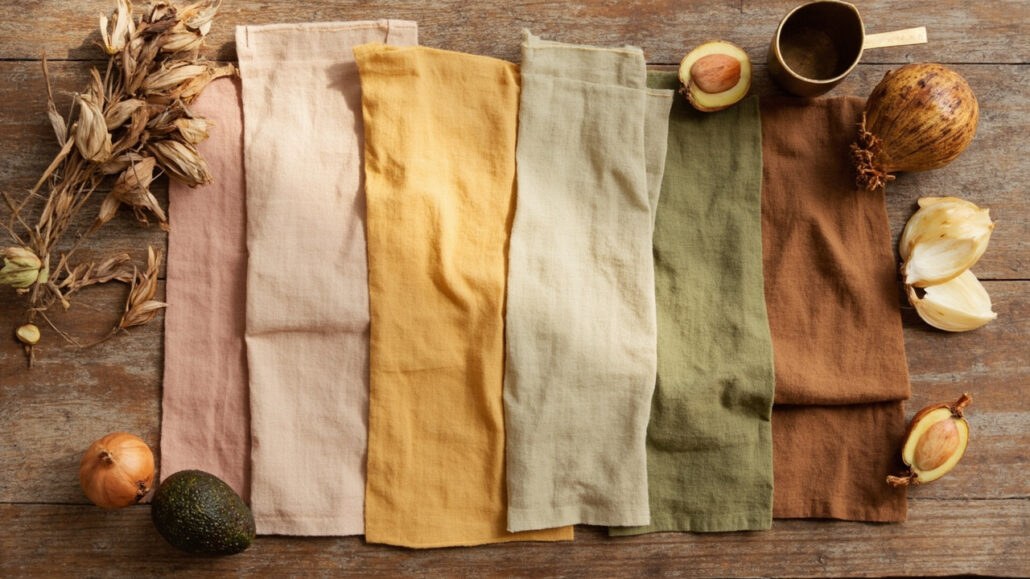
Wet Processing
Natural Dyeing: How to Dye Fabric with Plants, Food, and Minerals
Successful fabric dyeing depends on matching the correct dye class to the fiber type —...
Read article →
Wet Processing
Acid Dye for Wool and Silk: The Complete Beginner’s Guide
Successful fabric dyeing depends on matching the correct dye class to the fiber type —...
Read article →
02
More from this category
More specific processes, techniques, and topic deep-dives.

Wet Processing
Shibori Dyeing: Step-by-Step Guide to Japanese Resist Dyeing
Successful fabric dyeing depends on matching the correct dye class to the fiber type —...
Read article →
Wet Processing
Batik Dyeing: How to Create Wax-Resist Patterns on Fabric
Successful fabric dyeing depends on matching the correct dye class to the fiber type —...
Read article →
Wet Processing
Discharge Dyeing: Removing Color to Create Patterns on Fabric
Successful fabric dyeing depends on matching the correct dye class to the fiber type —...
Read article →
Wet Processing
Ombre Fabric Dyeing: Step-by-Step for Beginners
Successful fabric dyeing depends on matching the correct dye class to the fiber type —...
Read article →
Wet Processing
How to Fix Uneven Tie Dye: Problems, Causes, and Solutions
Successful fabric dyeing depends on matching the correct dye class to the fiber type —...
Read article →
Wet Processing
How to Overdye Clothes: Changing and Refreshing Faded Colors
Successful fabric dyeing depends on matching the correct dye class to the fiber type —...
Read article →
Wet Processing
Dip Dyeing Fabric: How to Create Gradient and Ombre Effects
Successful fabric dyeing depends on matching the correct dye class to the fiber type —...
Read article →
Wet Processing
How to Dye Fabric with Indigo: Traditional and Modern Methods
Successful fabric dyeing depends on matching the correct dye class to the fiber type —...
Read article →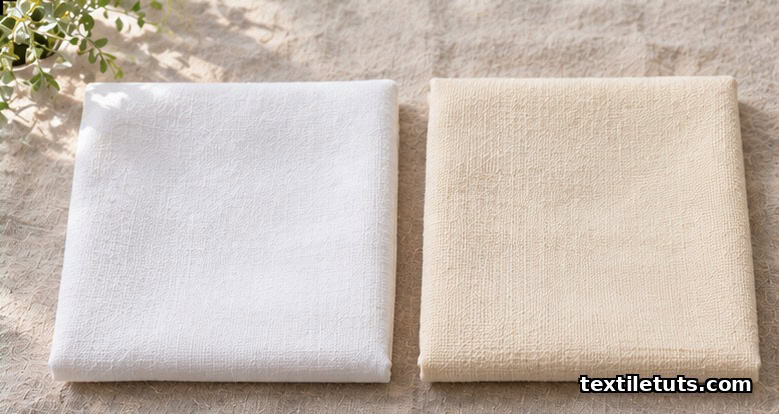
Wet Processing
Can You Dye Ivory Fabric to White and White to Ivory
Successful fabric dyeing depends on matching the correct dye class to the fiber type —...
Read article →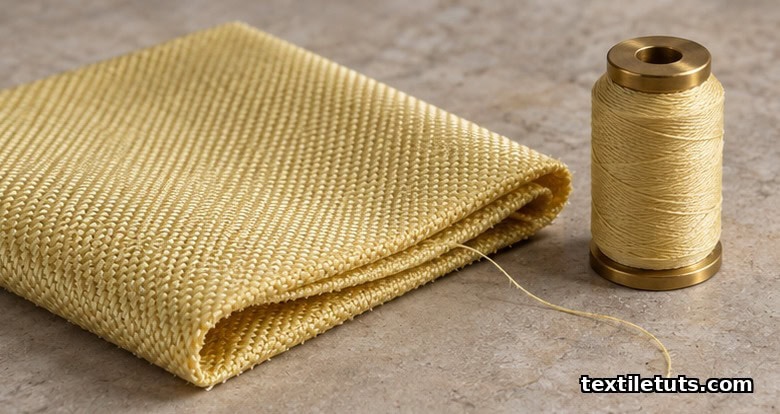
Wet Processing
Can You Dye Kevlar
“Kevlar, a synthetic material known for its extreme strength and heat resistance, is widely used...
Read article →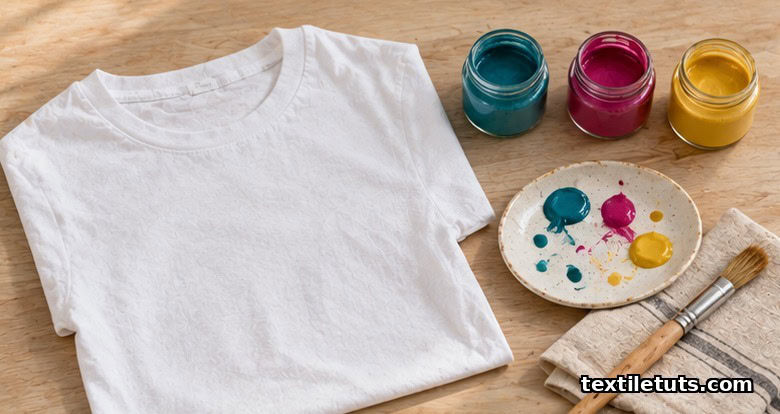
Wet Processing
Can You Dye Clothes With Acrylic Paint
Are you thinking of transforming your bland clothes into a masterpiece but unsure if it’s...
Read article →
Wet Processing
Can You Dye Khaki Pants Black
When it comes to refreshing our wardrobe, we often wonder what’s possible. For instance, can...
Read article →
Wet Processing
Can You Dye Lycra
Dyeing textiles at home can be a great way to make your materials look refreshed,...
Read article →
Wet Processing
Can You Dye Fabric With Alcohol Ink
Working on a DIY project and looking to add a splash of color to your...
Read article →
04
Frequently asked questions
Which dye class is right for my fiber?
Cotton and other cellulosics take reactive (or direct for low-cost). Wool, silk, and nylon take acid. Polyester and other synthetics take disperse. Acrylic takes cationic. Deep indigos and sulfur blacks are vat dyes. The dye is chosen to match the fiber's functional groups and the wash-fastness target.
What's the difference between reactive and direct dye?
Direct dyes adsorb onto cellulose with weak intermolecular forces — they are cheap but wash out over time. Reactive dyes form a covalent bond with the cellulose hydroxyl group — the bond is permanent under home laundering, which is why reactive is the standard for cotton apparel.
Why does some color bleed in the wash?
Bleeding is dye that was not fully fixed or not thoroughly washed off after fixation. Reactive dyes need a hot post-soaping rinse to remove hydrolysed dye; skipping that step leaves dye that will bleed into the next wash.
What is crocking?
Crocking is color transferring by rubbing. The standard test is AATCC 8 (or ISO 105-X12), which uses a crock cloth rubbed against the fabric under controlled pressure. The stain on the cloth is rated 1-5; commercial-grade fabric should rate 4 or higher dry and wet.
Why does polyester need 130 °C to dye?
Polyester is hydrophobic and glassy at room temperature. Above its glass transition (~70 °C in water, lower with carriers), the amorphous regions swell enough for disperse dye molecules to diffuse in. 130 °C gives the kinetic energy and swelling time needed for full saturation in 30-60 minutes.
What causes shade variation between dye lots?
Three main sources: (1) liquor ratio drift between machines, (2) temperature probe calibration differences, and (3) salt-to-liquor ratio variation that changes the exhaustion curve. The fix is locking the recipe to a target LR ±5%, reprobing thermometers monthly, and pre-dissolving the salt in a side tank before adding to the main bath.
Can't find what you're looking for?
The team replies to every email. Send us your question or a sample spec and we'll route it to the right specialist.