
CATEGORY HUB · 2 ARTICLES
Smart Textile
E-textiles, conductive fibers, sensors
Conductive yarns, phase-change materials, wearable sensors, and textile-integrated electronics. The frontier where textiles meet technology. Sports, healthcare, military, fashion applications.
01
Essential reading
Start here. The most important articles that explain the category to a textile engineer in one sitting.
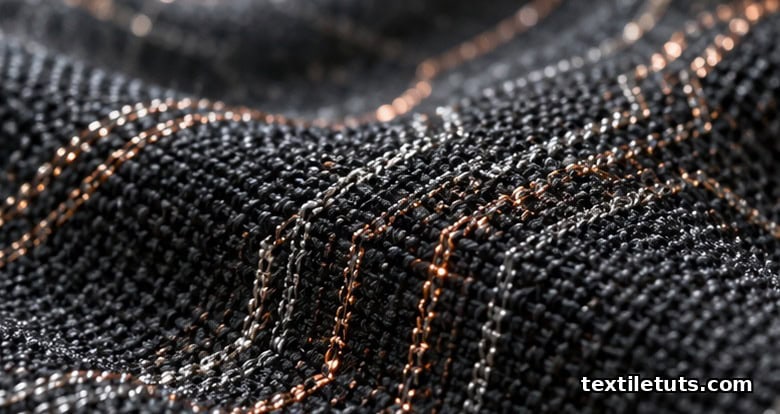
Smart Textile
What are smart textiles?
Smart textiles (also called e-textiles or functional textiles) are fabrics that can sense, react, or...
Read article →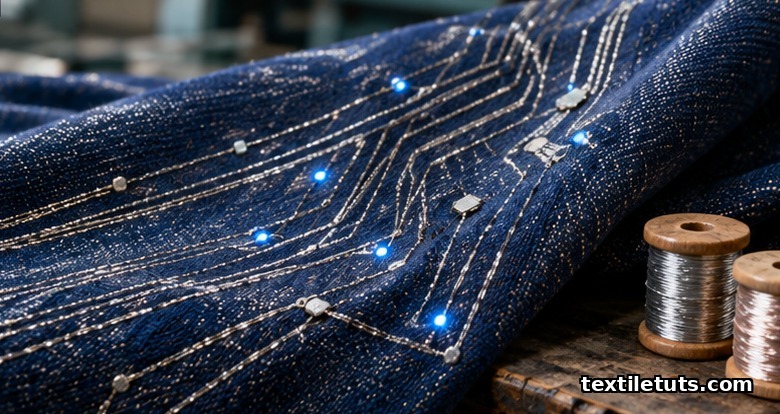
Smart Textile
Smart Textiles: Complete Guide to E-Textiles and Beyond
Smart textiles (also called e-textiles or functional textiles) are fabrics that can sense, react, or...
Read article →No recent articles.
04
Frequently asked questions
What is a smart textile?
A fabric engineered to respond to environmental stimuli or integrate electronic functionality. Includes conductive textiles, phase-change materials, and wearable sensors.
What are conductive fibers?
Fibers engineered to conduct electricity. Examples: silver-coated nylon, copper wire integration, carbon nanotube fibers, graphene-based yarns. Used in heating garments, sensors, e-textiles.
What is phase-change material (PCM) in textiles?
Microencapsulated materials that absorb or release heat at specific temperatures. Used in thermoregulating garments (outdoor wear, bedding, medical). PCM keeps the wearer at comfortable temperature.
What are the main applications of smart textiles?
Sports and fitness (heart rate monitoring, heating), healthcare (patient monitoring, drug delivery), military (soldier systems, communication), fashion (LED garments, interactive accessories), automotive (heated seats, sensors).
What is the difference between e-textile and smart textile?
E-textile: any textile with electronic function. Smart textile: broader category including phase-change materials, shape-memory alloys, and other non-electronic responsive textiles. E-textiles are a subset of smart textiles.
Can't find what you're looking for?
The team replies to every email. Send us your question or a sample spec and we'll route it to the right specialist.