WRITES ABOUT · TEXTILE

Kazi Sifat Muntasir

Senior Lecturer at Port City International University

Alumnus of Ahsanullah University of Science and Technology

ABOUT

Background

Kazi Sifat Muntasir is a dynamic textile engineer, lecturer, and author with a passion for textile technology and innovation. With a solid background in textile engineering, he has made significant contributions to the field, from practical industry experience to educating the next generation of textile enthusiasts.

Education

Kazi earned his Bachelor of Science (B.Sc) degree in Textile Engineering from Ahsanullah University of Science and Technology, Dhaka, Bangladesh. Throughout his academic journey, he developed a keen interest in textile dyeing processes and conducted a notable thesis on the “Comparative Study on Dyeing Conventional Polyester and Microfibre Polyester with Disperse Dye and Evaluate Different Dyeing Effects.”

Experience

With a dedication to hands-on learning, Kazi’s career started with internships at esteemed companies like Knit Concern LTD, where he gained valuable industry exposure. He then served as a Production Engineer at JM FABRICS, honing his skills in textile manufacturing and engineering. Continuing his professional growth, Kazi worked as an Assistant executive- IE at Epyllion Group, focusing on improving operational efficiency and standard work procedures. Later, he excelled as an Assistant Merchandiser at DBL Group, showcasing his expertise in managing merchandising processes.

Current Role

Currently, Kazi Sifat Muntasir serves as a Lecturer at Port City International University, where he imparts his vast knowledge and practical experience to nurture the next generation of textile professionals. He also writes for TextileTuts.com from time-to-time to share his knowledge with the world.

Expertise

Kazi’s expertise spans various aspects of the textile industry, including textile manufacturing, clothing technology, quilting, and sewing. His proficiency in these areas allows him to take a comprehensive and science-driven approach to his work, implementing effective problem-solving and quality management systems.

Training

Kazi’s pursuit of excellence is evident in his commitment to continuous learning. He has completed various training programs, including Effective Problem Solving, Standard Work, Measurements, Introduction to Lean, Yamazumi, Quality Management System, 5s and Visual Factory, Andon, and Error Proofing. With an unwavering dedication to advancing textile engineering and fostering innovation, Kazi Sifat Muntasir continues to make a positive impact in the field, inspiring both students and professionals in the textile industry.

PUBLICATIONS · 0 ARTICLES

Articles by Kazi

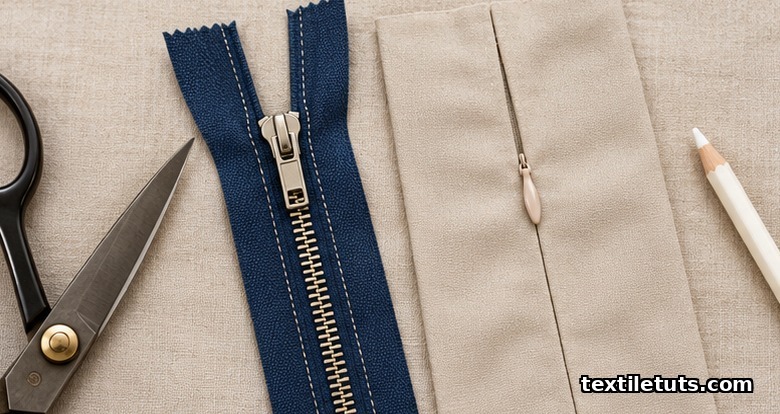
Zipper Insertion: Standard vs Invisible
Garment Construction

Zipper Insertion: Standard vs Invisible

A standard zipper has exposed teeth sewn next to a seam with visible topstitching, while...

Read article →
Elastic Types and Applications
Trims & Accessories

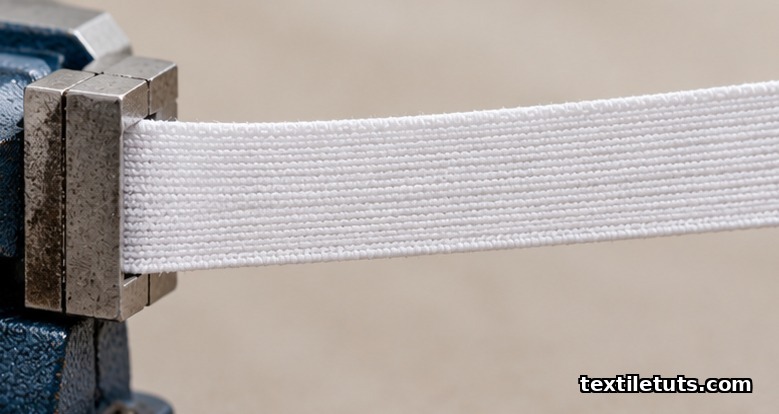
Elastic Types and Applications

Textile elastic is a narrow stretchable webbing that recovers 80 to 95 percent of its...

Read article →
Pattern Making: Drafting vs Draping
Garment Construction

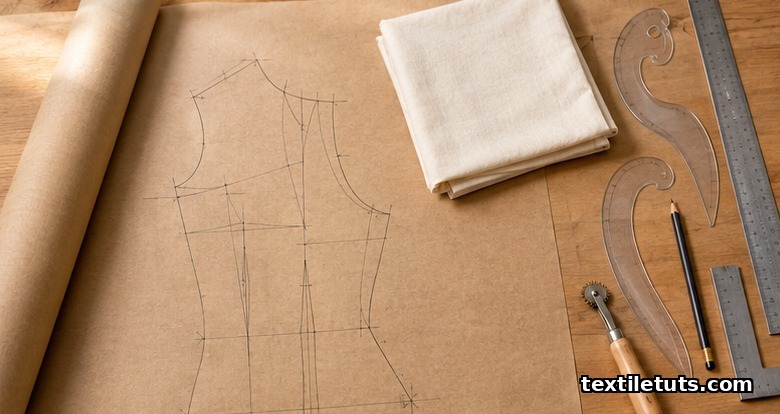
Pattern Making: Drafting vs Draping

Pattern making produces two-dimensional templates for garment components, with flat drafting applying 12 to 25...

Read article →
Coverstitch Machine: Hems and Topstitching
Garment Construction

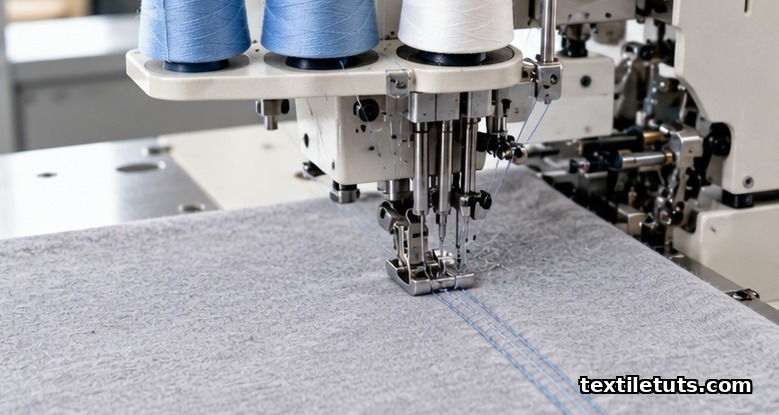
Coverstitch Machine: Hems and Topstitching

A 3-needle, 6 mm coverstitch produces a double-row top hem at 2.5 to 3.5 mm...

Read article →
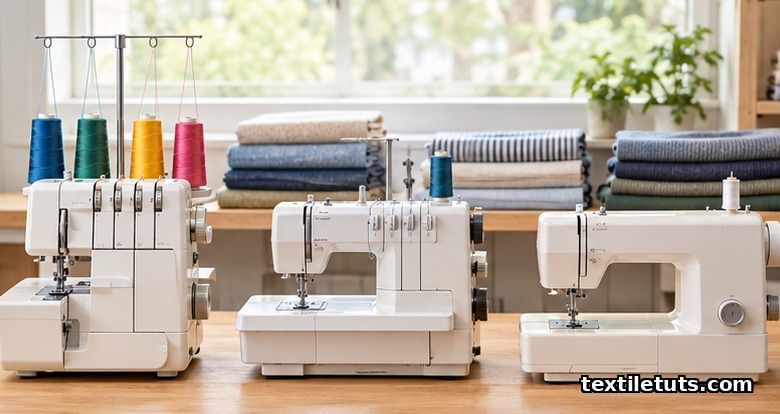
Serger vs Coverstitch vs Regular Sewing
Garment Construction

Serger vs Coverstitch vs Regular Sewing

A serger (overlock) machine uses three to four cone threads and a built-in blade to...

Read article →
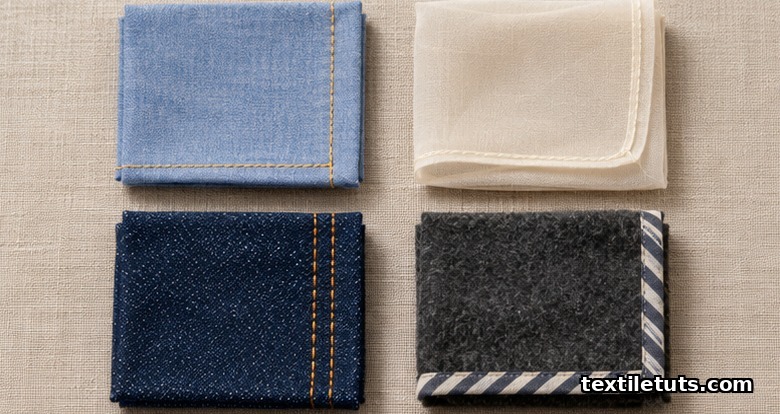
Seam Types: Plain, French, Flat-Felled, Bound
Garment Construction

Seam Types: Plain, French, Flat-Felled, Bound

A plain seam (ISO 4916 class 1, superimposed seam) is constructed by placing two fabric...

Read article →

Seam Construction: Stitch Types and Applications
Garment Construction

Seam Construction: Stitch Types and Applications

ISO 4915 groups commercial sewing stitches into seven primary numeric classes (100 through 700, with...

Read article →
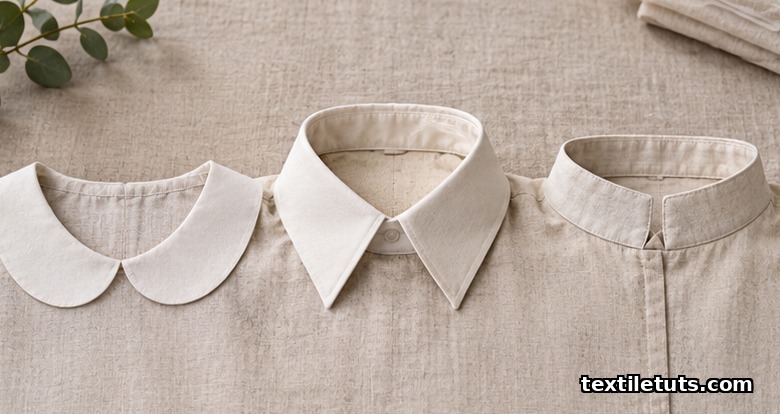
Collar Attachment: Flat, Stand, Mandarin
Garment Construction

Collar Attachment: Flat, Stand, Mandarin

A flat collar sits flush against the garment with 0 to 1.5 cm of neckline...

Read article →
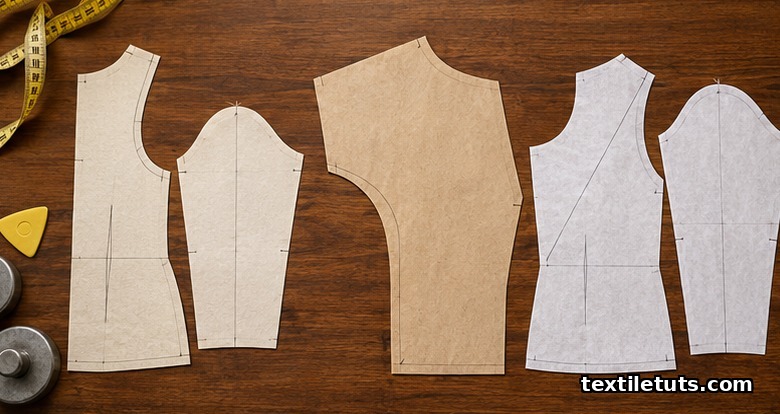
Sleeve Setting: Set-In vs Kimono vs Raglan
Garment Construction

Sleeve Setting: Set-In vs Kimono vs Raglan

The three principal sleeve constructions used in modern garment making are set-in (a sleeve cap...

Read article →
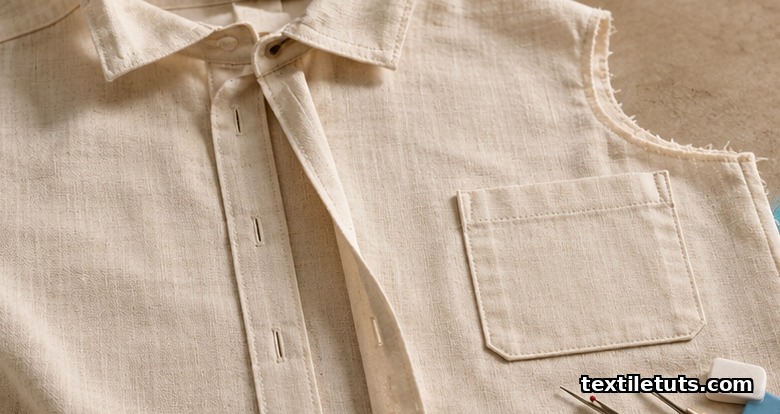
Plackets and Pockets: Types and Construction
Garment Construction

Plackets and Pockets: Types and Construction

A shirt placket is a finished fabric opening reinforced with a separate strip and stitched...

Read article →
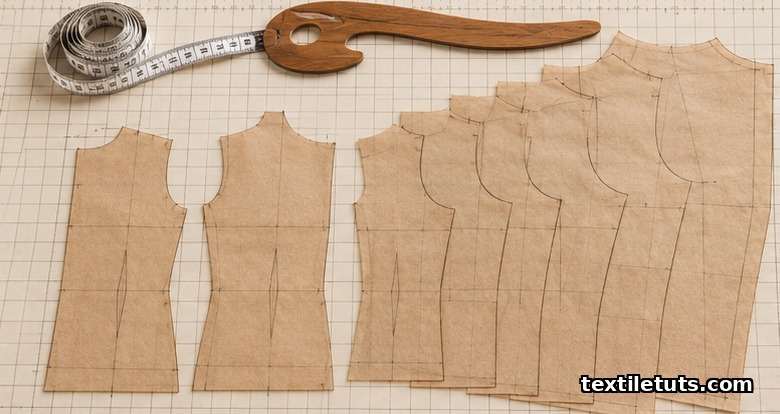
Pattern Grading: Size Scaling
Garment Construction

Pattern Grading: Size Scaling

Pattern grading is the engineering process of scaling a single master pattern up and down...

Read article →
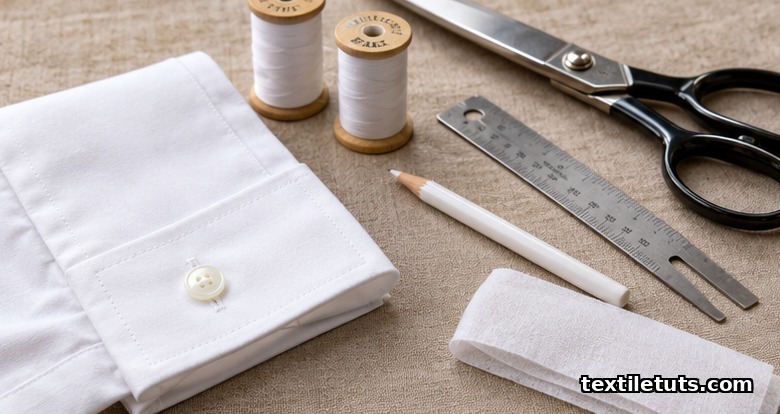
Cuffs and Buttonholes: Construction
Garment Construction

Cuffs and Buttonholes: Construction

A standard shirt buttonhole measures 1.0 to 1.5 cm in cut length, sized to the...

Read article →