
Can You Dye Kevlar

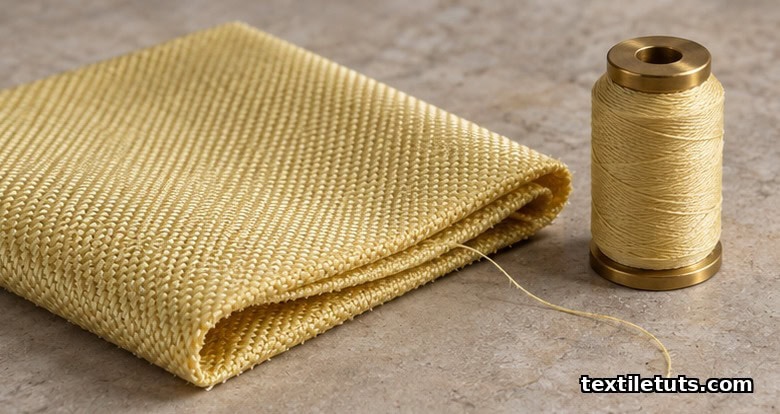
Kevlar, a synthetic material known for its extreme strength and heat resistance, is widely used in various safety gears. The question is, can you dye Kevlar personally or professionally?
Yes, you can dye Kevlar. The standard method of dyeing Kevlar involves using acid dyes that adhere to protein fibers. Although it’s challenging due to Kevlar’s resistance to typical methods of coloration, the dyeing process can create a more customized look.
Ready for a dive into the realities and difficulties of applying color to Kevlar? Let’s get started, and learn more about the exact process of dyeing this unique fiber.
Understanding the Fabric: What is Kevlar?
Kevlar is a heat-resistant and exceptionally strong synthetic fiber that was developed by Stephanie Kwolek at the DuPont Company in 1965. This revolutionary fabric is used widely today in varying applications due to its unparalleled strength and resistance properties. Kevlar is five times stronger than steel on an equal weight basis and it maintains this strength at high and low temperatures.
Discovering Kevlar: Description, Properties, and Uses
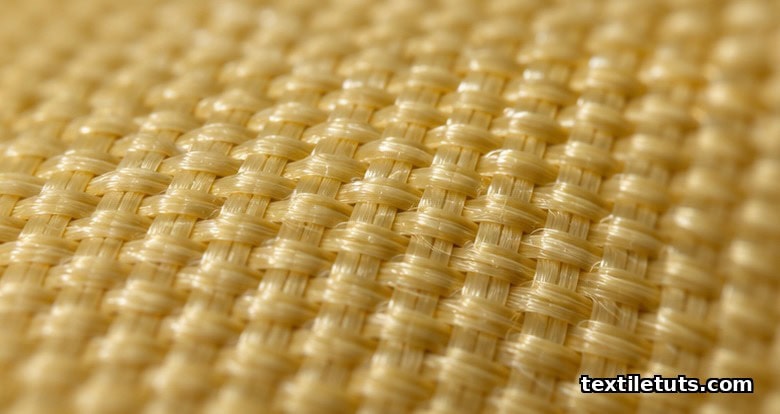
Kevlar, whose scientific name is poly-paraphenylene terephthalamide, derives its strength from the many inter-chain bonds. It is essentially a polymer made up of long, rigid molecules that generate a weave pattern. This strong bond and weave structure give Kevlar its incredible tensile strength, heat resistance, and durability.
Some of the outstanding properties of Kevlar include:
- High Tensile Strength
- Low Moisture Absorbency
- Good Fabric Integrity at Elevated Temperatures
- Excellent Dimensional Stability
Because of its immense strength and resilience, Kevlar is incorporated in multiple applications. These range from protective clothing and armored vehicles to drumheads and fiber optic cables.
Breaking Down the Science: How Kevlar Works
Kevlar’s power stems from its intricate internal structure. Its polymers are parasitic, meaning they inherently align with each other. Combined with strong hydrogen bonds, this creates a definite and firm alignment of molecules, resulting in high tensile strength and toughness.
Why Kevlar is Different: The Chemistry Behind Its Strength
The chemical composition of Kevlar gives it its unique strength and heat resistance. Kevlar is a polymer, which means it consists of molecules chained together. Specifically, Kevlar is a long-chain polyamide, often referred to as an aramid. The repeating units in the Kevlar polymer are composed of para-linked phenyl rings, each with an amide group. These amide groups lend Kevlar its distinct properties; particularly, the amide hydrogen atoms form strong bonds with adjacent carbonyl oxygen atoms, intensifying the tensile strength of the fabric.
Applications: Where You’ll Find Kevlar
Since Kevlar’s introduction, its extreme strength and flexibility have made it a top choice in several applications. This versatile material is widely used in:
- Body Armor and Bulletproof Vests
- Helmet and Protective Clothing for Firefighters
- Vehicle Armor
- Sheaths for Electrical Wiring
- Fiber Optic Cables
- High-Tension Ropes and Cables
- Durable, Heat-resistant Gloves
- Sporting Goods such as Bicycle Tires and Racing Sails
The Dying Dilemma: Is it Possible to Change the Color of Kevlar?
Kevlar is a synthetic fiber known for its high tensile strength and remarkable resistance to heat and cuts. These properties make it an essential resource in various industries, from military and law enforcement to sports and even aeronautics. Because of its wide usage, a common question that arises is :- Can Kevlar be dyed?
Delving into Dye: Understanding the Process
The dyeing process involves a colorant penetrating the material to achieve a color change. This colorant or dye can either be natural, derived from plants and animals, or it can be synthetic, chemically produced. Generally, for a dye to hold onto a fabric, it must have groups that form chemical bonds with the fibers. Moreover, the dyeing success largely relies on the textile’s material type, as different fabrics have distinct chemical structures and thus react differently to dyes.
Considering Kevlar’s Special Case: The Challenges
Kevlar, however, showcases unique difficulties when it comes to dyeing. Kevlar is a type of aramid fiber, which is resistant to most chemicals due to its tightly packed and organized structure.
Consequently, regular dyes don’t easily penetrate or bond with the Kevlar fibers, making the dyeing process challenging.
In a typical scenario, the application of heat is used to open up the fabric’s pores for better dye absorption. But this can’t be done with Kevlar because this fiber is incredibly heat-resistant, which is one of its primary advantages for use in various protective gear and equipment.
Moreover, Kevlar fibers are naturally yellow due to the chromophores (color-bearing groups) present within the polymer chains. These chromophores absorb light in the ultraviolet and visible regions, making it difficult to superimpose another color onto the natural yellow color of Kevlar.
Despite the challenges, that’s not to say it’s impossible to dye Kevlar. Special dyes, specifically made for synthetic fabrics like nylon and polyester, could potentially work. But this usually leads to lighter or pastel shades, as it’s rather difficult to achieve dark and vibrant colors on Kevlar. Moreover, the process should be done with utmost care to maintain the structural integrity of the fibers and prevent them from weakening.
Research is being conducted to develop more efficient and effective methods of dyeing Kevlar without compromising its essential properties. Until then, Kevlar’s dyeing process will remain a complex and challenging endeavor.
Exploring Approaches: Attempting to Dye Kevlar
Ever thought about coloring your Kevlar materials? Indeed, the idea can be quite intriguing, especially if you’re aiming for a unique, personalized look. This section will discuss two primary routes – the DIY home experiment and the professional route – as we dive into the feasibility of dying Kevlar.
The Home Experiment: DIY Coloring
Undoubtedly, the idea of bringing a splash of color to your Kevlar items might be tempting to attempt on your own. Like any other DIY project, however, it’s essential to know the risks beforehand and take the appropriate precautions.
Precactionary Measures to Consider
First and foremost, remember that Kevlar is a heat-resistant, strong synthetic fiber. Its inherent properties make the dyeing process quite challenging. Regular dye that’s used for natural fibers like cotton or wool won’t adhere to Kevlar easily. We recommend using dyes suitable for synthetic materials. Also, it’s crucial to avoid dyeing Kevlar at high temperatures, as it might weaken the fabric’s strength and resistance properties.
Method and Materials: Step-by-Step Process
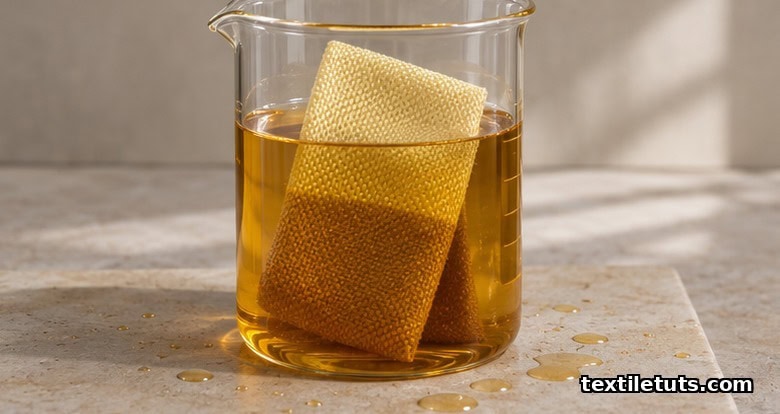
To begin, you’ll need a suitable dye for synthetic fibers, a large container for dyeing, and of course, your Kevlar items. Fill the container with warm water, then mix in the dye according to the instructions on the bottle. Place the Kevlar material in the container, ensuring it’s fully soaked in the dye solution. Let it sit for an appropriate amount of time, then rinse thoroughly. Keep in mind this method doesn’t guarantee an even or lasting color as professional dyeing would.
The Professional Route: Commercial Dying
If the DIY approach seems too risky or complicated, turning to professionals might be the best course of action. Professional dyers have access to specific dyes and techniques which can guarantee a more satisfactory result.
Why Seek Professional Services
Professional dyeing services have the experience and the correct materials to efficiently dye Kevlar. Their techniques ensure a more even color distribution and longevity. Plus, they are aware of the right conditions to avoid damage to the Kevlar fibers, ensuring that the protective properties of your items are maintained.
Procedure and Results: What to Expect
Commercial dyers use special machinery and precise temperature control to dye Kevlar uniformly. They usually follow a pre-dying process which prepares the material for dyeing, hence increasing the dye’s adherence. After the dyeing process, they use a finishing agent to improve the dye’s resistance to external factors. Ultimately, you can expect an evenly-dyed Kevlar with high colorfastness from the professional services. Do note that the colors might look different on Kevlar compared to other fabrics due to its synthetic nature.
Understanding the Outcomes: Why Kevlar Resists Dye
For those looking to customize Kevlar materials through dyeing, it’s essential to understand that Kevlar resolutely resists coloration. But why does Kevlar resist dye? What makes it so stubborn against a rainbow of possibilities? The answer is rooted in the scientific properties of Kevlar and the less-than-perfect bond between Kevlar and dye.
Scientific Explanation: Kevlar’s Resistance to Coloring
On a molecular level, Kevlar is a polymer, specifically a polyaramid. As such, it has a tightly woven, long chain structure that provides its renowned strength and resilience. This dense molecular structure proves formidable not just against bullets, but also against the molecules of dye attempting to penetrate it. Furthermore, Kevlar fibers carry a negative charge which repels the typically negative dye molecules and inhibits their absorption.
Interaction Between Kevlar and Dye: A Less-than-perfect Bond
Kevlar’s complex interaction with dye is akin to a tangled dance where neither partner is in perfect sync. Museum conservators have noticed that dyes fade over time when applied to Kevlar, revealing a less-than-perfect bond. This fading happens as a result of Kevlar’s high resistance to both physical and chemical changes. It’s this resistance that ensures the dye doesn’t stick permanently or intensely to Kevlar like it would to other fabrics. Even when dye seems to have taken, washing or exposure to sunlight may result in discoloration or dullness.
The Color Conundrum: Why Kevlar Prefers Yellow
Finally, there’s the question of Kevlar’s natural color preference: yellow. On a molecular level, the yellow hue is because of the specific types of bonds within the polymer. Kevlar has benzene rings which absorb light in the ultraviolet (UV) region of the spectrum but reflect in the yellow region – hence the golden appearance. The natural yellow color also makes dyeing Kevlar even more difficult. Overcoming the yellow hue with dye often leads to less vibrant results and require more layers of dye, which further exacerbates Kevlar’s resistance to dye.
Finding Alternatives: Workarounds for Dyeing Kevlar
While Kevlar, a synthetic fiber known for its high tensile strength and low weight, is commonly used in a variety of applications such as body armor, tires, sailing ropes, and more, it has one drawback – it cannot be dyed using traditional fabric dyeing methods. Its high resistance to harsh chemical reactions, which makes it great for strength, also means it’s highly resistant to conventional dyes. However, there are some alternative ways to change the color of this unique material. These involve using pigmented Kevlar, coating or painting it, or covering it with colored materials.
Alternative 1: Using Pigmented Kevlar
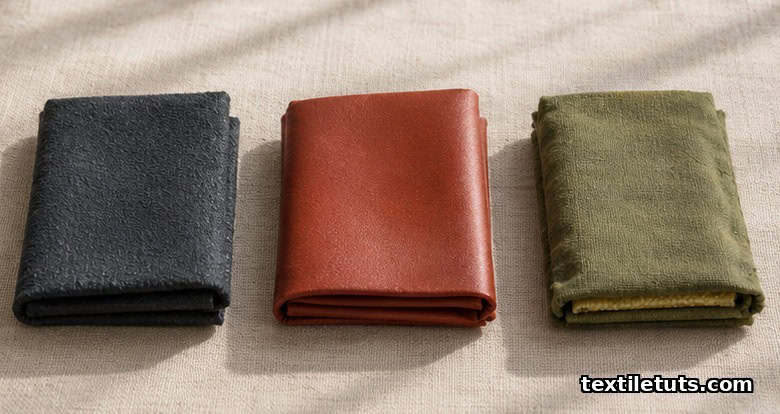
One of the easiest options is to simply purchase Kevlar that has been pigmented during the manufacturing process. While Kevlar itself can’t be dyed after it’s been made, manufacturers can add pigment directly into the material during production. This pigment mixes with the Kevlar fibers and allows them to take on their color. The resulting product is then colorfast forever, meaning it won’t fade or run in the wash. However, pigmented Kevlar is typically more expensive, and color options may be limited.
Alternative 2: Coating or Painting Kevlar
Another option is to coat or paint the Kevlar. This involves applying a thin layer of color-specific coating or industrial-grade paint on the Kevlar surface. Unlike dye, paint sits on the surface of the material instead of penetrating the fibers, thus changing the color. Bear in mind that while this can effectively change the color of the Kevlar, it may affect its texture and flexibility, and the color may chip or wear away over time. It’s important to use a high-quality product specifically designed for use with synthetic materials like Kevlar.
Alternative 3: Covering Kevlar with Colored Materials
The third alternative is to cover the Kevlar with colored materials. In cases where the Kevlar doesn’t need to be exposed, one might decide to use a colored cover or casing. Examples of this include using colored fabric bags for Kevlar panels in bulletproof vests, or colored sleeves for Kevlar ropes or cords. This method leaves the Kevlar fully functional while providing almost endless color customization options. However, keep in mind that this solution might not be applicable in all situations, especially when Kevlar’s characteristics of low weight and high strength need to be maximized or when the Kevlar needs to be directly exposed.


