
Can You Dye Khaki Pants Black

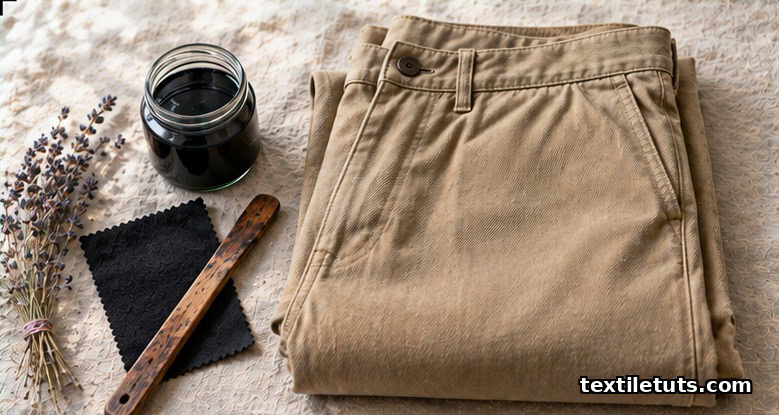
When it comes to refreshing our wardrobe, we often wonder what’s possible. For instance, can you dye khaki pants black to transform their look?
Yes, you can dye khaki pants black. However, the process requires careful attention. Using a high-quality fabric dye, following the instructions meticulously, and ensuring the fabric is suitable for dyeing, are key to successfully transforming your khakis.
Let’s dive in a little deeper to understand the factors involved in this procedure and how to achieve the best result from it.
Breaking Down the Color Scheme: From Khaki To Black
It’s quite the norm to want to play around with the colors of our clothing – it’s part of expressing our individual style. This topic, in particular, focuses on the transition from khaki to black. But first, let’s acknowledge how different these colors are, understanding the color spectrum of these two colors before moving forward.
Understanding the color Spectrum: Khaki Vs. Black
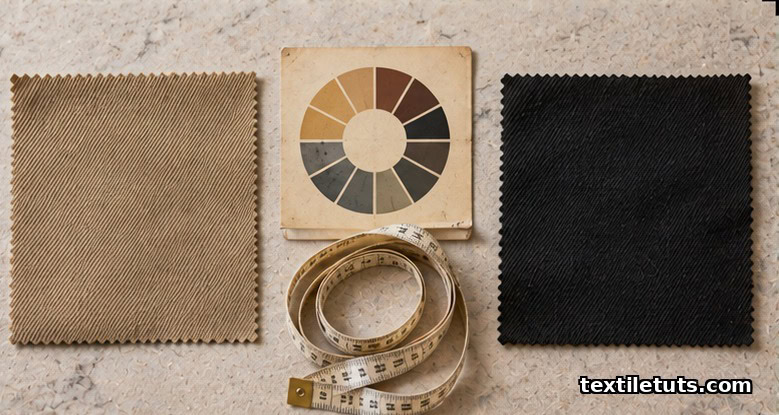
When it comes to the color spectrum, there’s a world of difference between khaki and black. It’s vital to understand this before we delve into the process of dying khaki pants to black.
Khaki is a light shade of yellow-brown. It’s often associated with earthy tones and versatility. On the other hand, black is the most opaque color on the spectrum, usually associated with power, elegance, and formality. Remember, the color spectrum ranges from light to dark, with khaki being on the lighter side and black on the darker, extreme end.
Why Swap Khaki for Black?
After understanding the two colors’ distinct differences, let’s explore the reasons one might want to dye khaki pants to black. As they say, the choice of clothing color often reflects our mood, style, and sometimes, a fashion statement.
-
One reason for this color switch might be to achieve a more formal or polished look. Black pants often give a sleek, professional look, making them appropriate for office setups, official meetings, and formal gatherings.
-
Conversely, some people might decide to go from khaki to black as a style preference. Black is a classic, timeless color that fits well with other colors. It makes matching with other attire a breeze.
-
Lastly, practicality also comes in to play. Black clothing can be more forgiving when it comes to stains. It’s the perfect choice for people who have demanding jobs or those likely to spill things on their clothes throughout the day.
Switching from khaki to black can be a matter of personal preference, practicality, or simply wanting to switch things up a bit. No matter what reason you have, it’s possible to successfully dye your khaki pants to a beautiful shade of black with the right techniques and tools.
The Nitty-Gritty: How To Dye Khaki Pants Black?
Dyeing khaki pants black isn’t as daunting as you might think. All it takes is having the right dye and knowing how to apply it. You’ll be walking around in your newly dyed black pants in no time!
Choosing the Right Dye for the Job
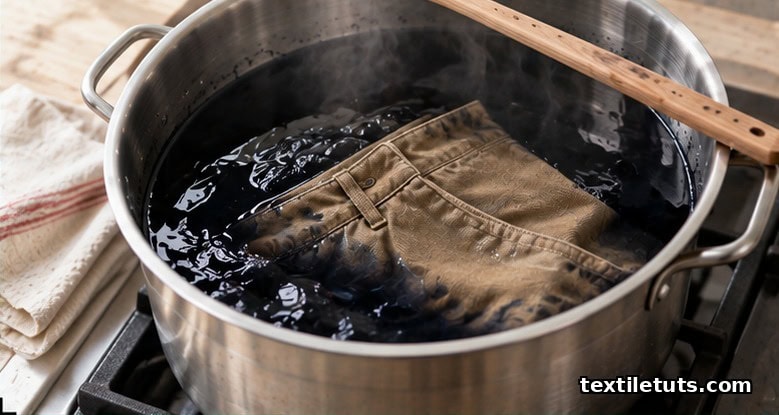
The first step is picking the appropriate dye for your khaki pants. There are generally two categories to choose from: professional dyes and do-it-yourself (DIY) dyes. Both come with their own set of pros and cons.
Professional Dye: Straight from the Experts
Professional dyes often guarantee vibrant, long-lasting colour, so if your wanting to change your khaki pants to a deep, dark black, these might be your best option. They are often used by experienced dyers and contain high-quality ingredients. Usually, these dyes involve a slightly complex process if you’re unfamiliar with them, but they yield excellent results.
Do-It-Yourself Dye: Is It Worth It?
If you want to take on a less financially constraining project, DIY dyes are your go-to. Not only are they budget-friendly, but they also offer a fun way to customize your khaki pants right at home. However, while these dyes may save you money upfront, they typically fade quicker than professional dyes, which could lead to more frequent re-dyeing.
The Step-by-Step Process of Dyeing Khaki Pants Black
Whether you choose professional or DIY dyes, here’s a straightforward process to follow:
- Buy the Dye: After choosing whether to use professional or DIY dye, the first step in the process would be to buy the dye from your local fabric or craft store. Go for a black dye that is compatible with the fabric of your pants.
- Prep the Pants: Before you start the dyeing process, make sure your pants are thoroughly cleaned. This will remove any stains or dirt that could potentially affect the dye absorption.
- Dye the Pants: Mix the dye based on the instructions provided on the package, and then immerse your pants in the dye. Make sure they’re completely submerged, and stir the mixture constantly for even dyeing.
- Rinse and Dry: Once the dyeing is complete, rinse out your pants until the water runs clear and then hang them to dry. Avoid drying them in direct sunlight to prevent color fading.
Transforming your khaki pants to a brilliant black needn’t be an intimidating task. With a bit of patience and the right tools, you could be sporting a fresh new look in no time.
The Pre-Dye Preparation Phase
Dyeing khaki pants black isn’t excessively complicated; it just requires a few trivial items and a bit of patience. To ensure a successful dye job, thorough pre-dye preparation is key. So, let’s delve into the foremost part of this process: getting your khaki pants ready through a proper cleaning process.
Getting Your Khaki Pants Ready: The Cleaning Process
Before you commence the dyeing process, you must first launder your khaki pants. Cleaning helps to get rid of dust, oil, and other unseen residues that might prevent the dye from adhering optimally to the fabric. As a general rule, avoid fabric softeners and harsh detergents, as they can leave a coat on the fabric, impeding the dye from soaking in effectively. High-temperature water is recommended for this process as it opens up the fabric fibers, facilitating a better absorption of dye.
Once your pants are thoroughly cleaned and still wet (dyes generally work best on damp clothing), you’re ready to prepare your dye bath.
Other Preparatory Steps to Think About
Aside from cleaning your pants, there are additional steps to consider before dyeing your pants, here they are:
- Identify the Fabric: It’s crucial you verify the type of material your pants are made from. Some fabrics like synthetic fibers (nylon, polyester, etc.), don’t hold dye well. Conversely, natural fibers (cotton, linen, etc.) are more receptive to dye.
- Pick the Right Dye: Not all dyes are created equal. Some are designed to work better with different types of fabric, so be sure to read the labels to ensure compatibility with your pants material.
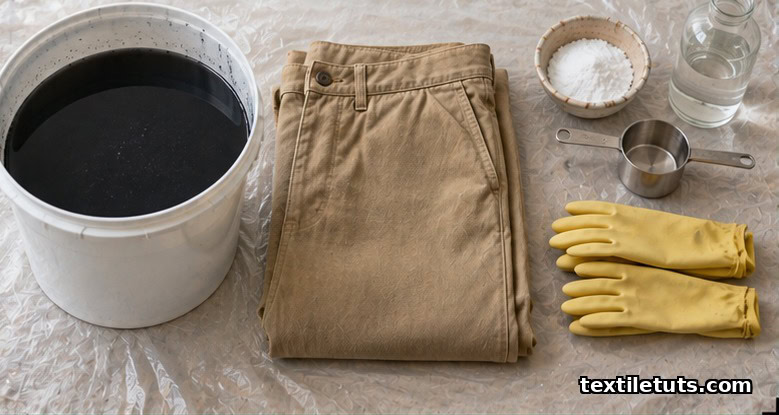
- Set Your Workspace: Dyeing can get messy. It’s advisable to cover your work surface with plastic or newspaper to make clean-up easier. Also consider wearing old clothes you don’t mind staining, and remember to use rubber gloves to protect your hands.
- Pre-Soak Your Pants: In a large sink or bucket, soak your pants in a mixture of 1 part vinegar to 4 parts water (for natural fibers) or a solution of warm water and 1 to 2 cups of salt (for synthetic fibers). The vinegar or salt acts as a mordant to help your fabric absorb the dye better.
Once you’ve considered these factors and followed through with them, your khaki pants should be ready for the dyeing process. A successful pre-dye preparation phase sets you on the right path for a successful dyeing outcome, changing your ordinary khaki pants to an elegant black pair.
Dive Into the Process: The Actual Dye Job
Dyeing your khaki pants black can be an exciting and cost-effective way of refreshing your wardrobe. Following these simple step-by-step instructions, you can breathe new life into an old pair of khakis. So let’s get started!
Step by Step: Dyeing Your Pants
Here’s how you can artistically convert your khaki pants into a brand new black pair:
-
First, you need to select a suitable dye. A quality fabric dye like Rit Dye in black is highly recommended. Ensure the dye you choose is meant for the fabric your pants are made of.
-
Next, clean your pants thoroughly in a washing machine. Don’t use fabric softener as it may prevent the dye from being absorbed effectively.
-
While your pants are being washed, prepare your dye bath. Follow the instructions on the dye packaging to mix the dye with water in a large bucket or tub.
-
Once the pants are clean and wet, immerse them fully in the dye bath. Stir continuously for about 30 minutes to one hour, or as instructed by the dye’s packaging.
-
After the pants are dyed to your satisfaction, rinse them with cold water until the water runs clear, then launder them separately in warm water.
Post-Dye Cleanup and Maintenance
Follow these steps to take care of your newly dyed black pants and clean up after the dyeing process:
-
Firstly, wash the freshly dyed pants separately for at least the first few washes to avoid the black dye from staining your other clothes.
-
Secondly, ensure to dust off any dye particles from your work surface and clean any containers or utensils that were used in the dyeing process with bleach and warm water to avoid unwanted coloring later on.
-
Lastly, to maintain the vibrant black color for a long duration, always clean your pants with cold water and do not expose them to direct sunlight while drying.
Dyeing clothes, particularly ones that are faded or lightly colored, like khaki pants, can give them a fresh new look. Just remember to follow the instructions and precautions carefully to ensure a successful dye job.
Troubleshooting Tips: Sailing Through Potential Pitfalls
Dyeing your khaki pants black is a simple and cost-effective way of giving them new life. However, the dyeing process can sometimes be a bit tricky. If not done properly, your pants could end up with faded color or unwanted spots and marks. But don’t worry, in this section, we will offer some troubleshooting tips to help you avoid these pitfalls and ensure a successful dye.
Fading Color? Possible Solutions!
If after dyeing your khaki pants black, the color starts to fade, there are a few things you can do to prevent this. Below are some tips to help you.
- Ensure you are using high-quality fabric dye. This will give a better color payoff and the color tends to last longer.
- Adhere to the instructions on the dye packaging. This usually involves stirring the dye into hot water and then soaking the pants in the dye for a certain period of time. The soaking period will depend on the dye brand, but is usually around 30-60 minutes.
- After dyeing, rinse the pants until the water runs clear. Failing to do so can cause the dye to bleed and fade.
- Wash your newly dyed pants separately for the first few washes to prevent the dye from bleeding onto other clothes.
Unwanted Spots and Marks? Here’s What You Can Do!
Sometimes, after the dyeing process, you may notice unwanted spots and marks on your pants. These are often caused by uneven absorption of the dye. Here are some potential solutions:
- Rinse the pants thoroughly before dyeing. Any soap residue or stains can affect how the fabric absorbs the dye, leading to uneven coloring.
- Stir the dye well so it is evenly distributed in the water before adding your pants.
- Ensure the pants are completely submerged in the dye and stir them around periodically. This helps to ensure even absorption.
By following these troubleshooting tips, you should be successful in dyeing your khaki pants black. Remember, practice makes perfect, so don’t be discouraged if you don’t get it perfect the first time. Happy dyeing!
Variations to The Standard Process
Just like khaki pants, there are other khaki garments that can be dyed black successfully. Garments such as khaki shorts, skirts, or even jackets can be given a new life with a fresh coat of black dye. The process is similar to that of dyeing khaki pants – pre-wash the garment, prepare your dye bath, immerse your garment, stir regularly, then rinse, wash, and dry. However, always remember to follow any specific instructions on your chosen fabric dye.
Dyeing Other Khaki Garments Black
If you’re looking to dye other khaki garments black, it’s essential to check the fabric content. For cotton, linen, and rayon items, regular fabric dye will work well. For synthetic materials like polyester and nylon, you’ll need a dye specifically designed for synthetic fibers. Here’s a guide for dyeing different khaki garments:
- Khaki shorts: Follow the same procedure as with khaki pants. Depending on the size and color intensity desired, you may need less or more dye.
- Khaki jackets: Jackets are often heavier and might require more dye to fully permeate the fabric.
- Khaki skirts: These are commonly lighter than pants or jackets, therefore requiring less fabric dye.
Remember, the type of dye and the amount you use will influence the final color. So, for a rich, dark black, ensure that you use enough dye.
Additional Techniques and Styles to Consider
Apart from the standard dyeing process, there are also other techniques and styles that you can consider to create unique and stylish black garments from your khaki clothes. Some of these techniques include:
- Ombre dyeing: An ombre effect can be achieved by dipping the garment into the dye bath for different time intervals.
- Tie-dyeing: Believe it or not, you can tie-dye with black. The key is to tie the fabric in certain areas to prevent the dye from reaching them, resulting in unique patterns.
- Stencil dyeing: You can use stencils to create different designs on your khaki garment before dyeing it black.
Experimenting with these techniques can create unique, custom pieces that stand out. However, remember that the dyeing process can be messy and it’s always recommended to wear old clothes and gloves to protect your skin and your surroundings. Happy dyeing!
Alternatives for Dyeing Khaki Pants Black
Although dying khaki pants black may seem like a simple method to change the color of your pants, you might encounter certain problems, such as uneven color or ineffective dye absorption. However, there are several alternative methods available if you wish to transform your khaki pants into black ones.
Before exploring alternatives, it’s worth mentioning that the success of any fabric dyeing process is influenced by the type of fabric. For instance, natural fibers like cotton, silk, and wool tend to absorb dye better than synthetic fibers like polyester and nylon. Hence, consider the fabric content of your khaki pants before deciding the dyeing method.
1. Hiring a Professional
The most reliable option for getting a perfect result is to seek the help of a professional. Specialist clothing dye services have the expertise and equipment to ensure an even color application and a long-lasting result.
2. Dyeing with Cold Water
Another excellent alternative is to soak the pants in cold water dye. This method is particularly suited to light fabrics like cotton, linen, or rayon. The cold water dye process involves dissolving the dye in water and soaking the pants until the desired color intensity is achieved. Remember to wash the pants once more to remove any excess dye afterwards.
3. Using Mix Dye
Mix dye is a type of dye that works on both natural and synthetic fabrics, thus being a versatile option. However, the process might be a bit more complex than the cold water dye method. That said, the effort often pays off in the results.
4. Fabric Paint
In cases when the fabric does not absorb dye very well, fabric paint can be used as an alternative. It is generally applied with a brush and gives you control over the intensity and application of the color. Note that fabric paints tend to lead to stiffer fabrics, hence might affect the feel and drape of the pants.
5. Re-Dyeing
If the color does not stick, or the black dye does not cover the khaki color adequately, re-dyeing the pants might be necessary. Before re-dyeing, you should wash your pants thoroughly to remove any traces of the previous dye. Be patient, as getting an even, dark color might take several rounds of re-dyeing.
While these alternatives are all viable options, you should still consider the fabric quality, cost, and time before deciding on the right method for you. Factors such as pants material and original color should also be taken into account as they can affect the dye job.


