
CATEGORY HUB · 2 ARTICLES
Medical Textile
Sutures, wound dressings, implants
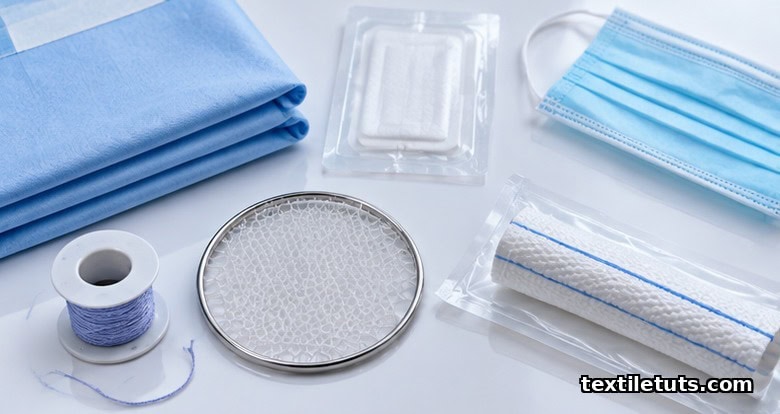
Surgical sutures, wound dressings, vascular grafts, implants, surgical gowns and drapes. Medical textiles for healthcare applications - regulated under ISO 13485.
01
Essential reading
Start here. The most important articles that explain the category to a textile engineer in one sitting.
Medical Textile
What are medical textiles?
Medical textiles (also called healthcare textiles or medtech textiles) are fabrics and fiber-based products specifically...
Read article →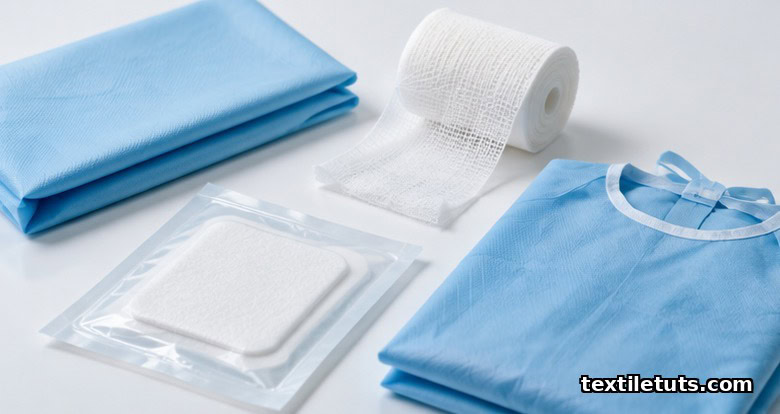
Medical Textile
Medical Textiles: Complete Guide to Healthcare Fabrics
Medical textiles (also called healthcare textiles or medtech textiles) are fabrics and fiber-based products specifically...
Read article →No recent articles.
04
Frequently asked questions
What is a medical textile?
A fabric used in medical applications: surgical sutures, wound dressings, vascular grafts, implants, surgical gowns, drapes, hospital linens. Regulated under ISO 13485 (medical device quality management).
What is the difference between absorbable and non-absorbable sutures?
Absorbable sutures (catgut, polyglycolic acid, polylactic acid) break down in the body over weeks to months. Non-absorbable (nylon, polyester, polypropylene, stainless steel) remain in the body unless removed.
What is a vascular graft?
A tube made of textile or synthetic material used to replace or bypass a diseased blood vessel. Common materials: ePTFE (expanded polytetrafluoroethylene) or Dacron (polyester). For aortic, peripheral, and hemodialysis access.
What is the most common wound dressing?
Gauze (woven cotton) for basic wound care. For advanced care: hydrocolloid (forms gel with exudate), foam (absorbs exudate), alginate (calcium from seaweed), film (waterproof barrier).
What is biocompatibility testing?
Testing per ISO 10993 to ensure a medical device does not cause adverse biological reactions. Tests include cytotoxicity, sensitization, irritation, systemic toxicity, genotoxicity, implantation.
Can't find what you're looking for?
The team replies to every email. Send us your question or a sample spec and we'll route it to the right specialist.