
CATEGORY HUB · 34 ARTICLES
Printing
Screen, digital, discharge, sublimation
Textile printing methods: how color and pattern get onto fabric. The chemistry, machinery, and end-use fit for each technique. Rotary screen is dominant for high volume; digital inkjet for short runs and complex designs.
01
Essential reading
Start here. The most important articles that explain the category to a textile engineer in one sitting.
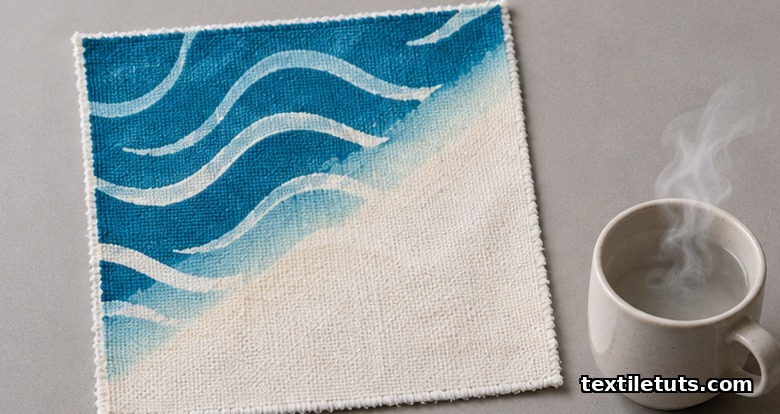
Printing
Thermochromic Printing
Thermochromic printing applies temperature-sensitive pigments, most commonly leuco dye microcapsules 2 to 5 µm in...
Read article →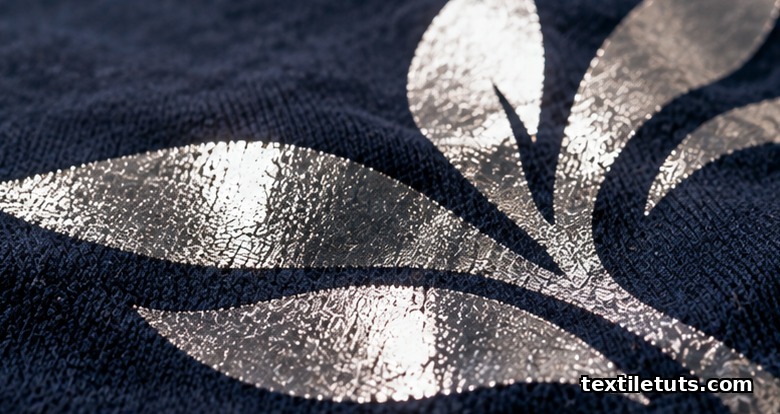
Printing
Foil Printing
Thermochromic printing applies temperature-sensitive pigments, most commonly leuco dye microcapsules 2 to 5 µm in...
Read article →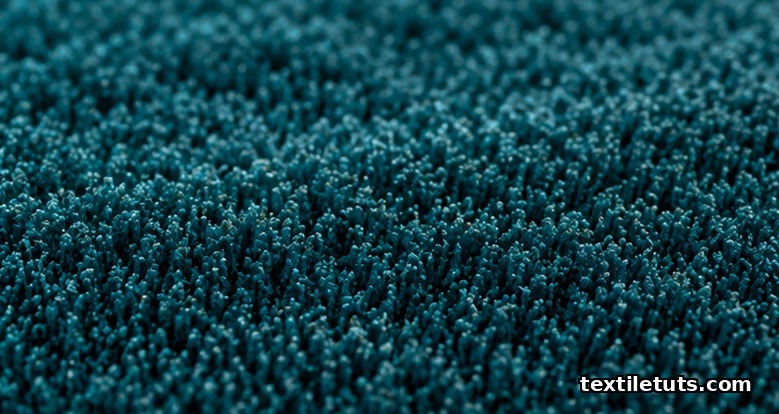
Printing
Flock Printing
Thermochromic printing applies temperature-sensitive pigments, most commonly leuco dye microcapsules 2 to 5 µm in...
Read article →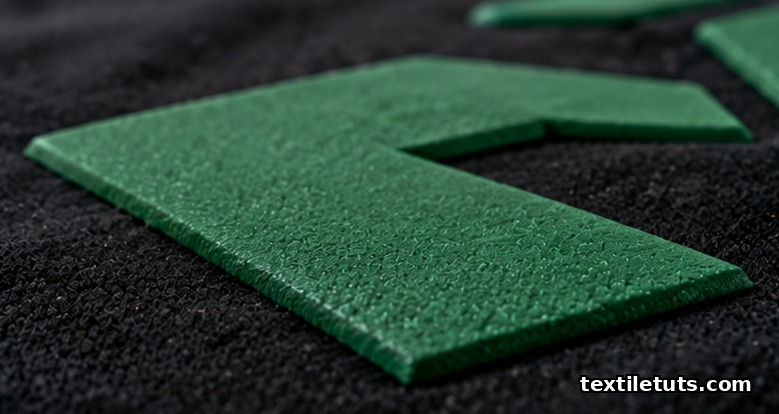
Printing
High-Density Printing
Thermochromic printing applies temperature-sensitive pigments, most commonly leuco dye microcapsules 2 to 5 µm in...
Read article →
02
More from this category
More specific processes, techniques, and topic deep-dives.
Printing
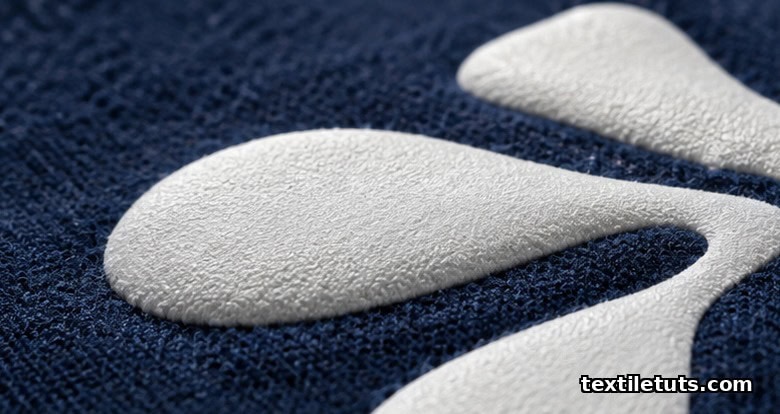
Puff Printing
Thermochromic printing applies temperature-sensitive pigments, most commonly leuco dye microcapsules 2 to 5 µm in...
Read article →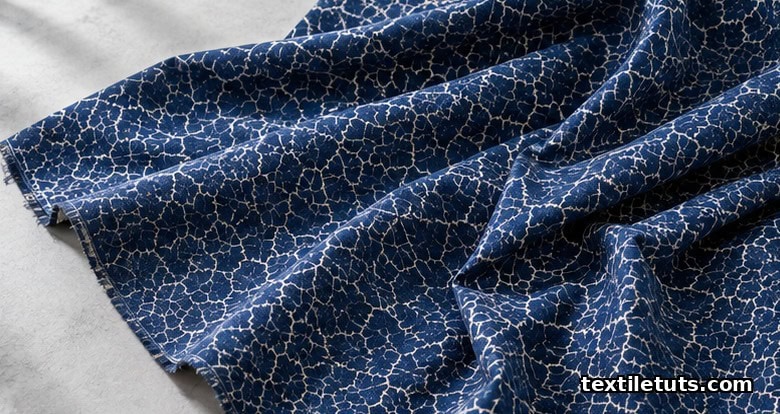
Printing
Crackle Printing
Thermochromic printing applies temperature-sensitive pigments, most commonly leuco dye microcapsules 2 to 5 µm in...
Read article →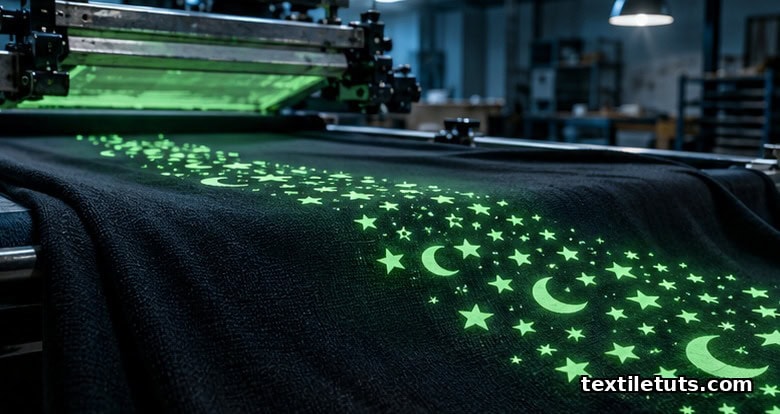
Printing
Phosphorescent Printing
Thermochromic printing applies temperature-sensitive pigments, most commonly leuco dye microcapsules 2 to 5 µm in...
Read article →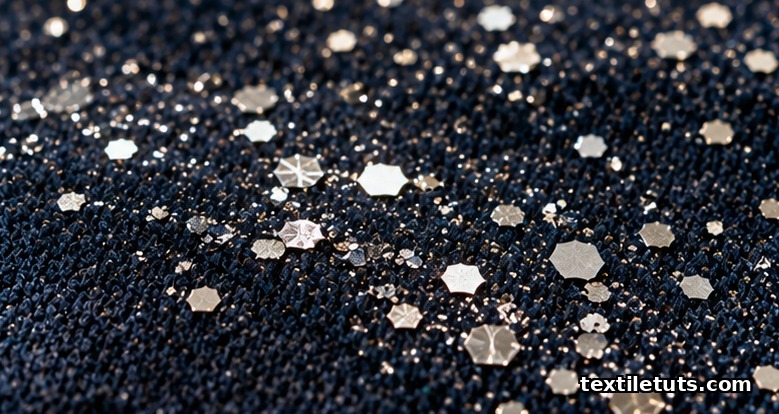
Printing
Glitter Printing
Thermochromic printing applies temperature-sensitive pigments, most commonly leuco dye microcapsules 2 to 5 µm in...
Read article →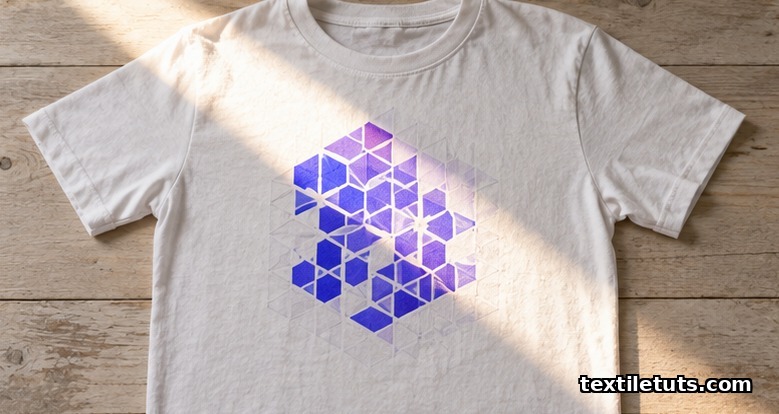
Printing
Photochromic Printing
Thermochromic printing applies temperature-sensitive pigments, most commonly leuco dye microcapsules 2 to 5 µm in...
Read article →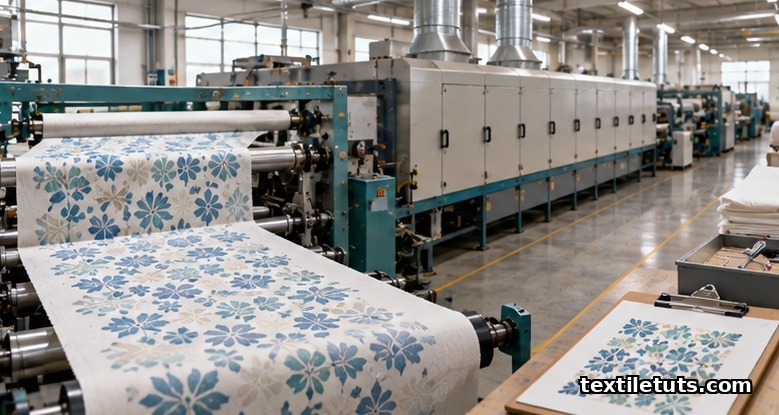
Printing
Fixation Methods for Printing
Thermochromic printing applies temperature-sensitive pigments, most commonly leuco dye microcapsules 2 to 5 µm in...
Read article →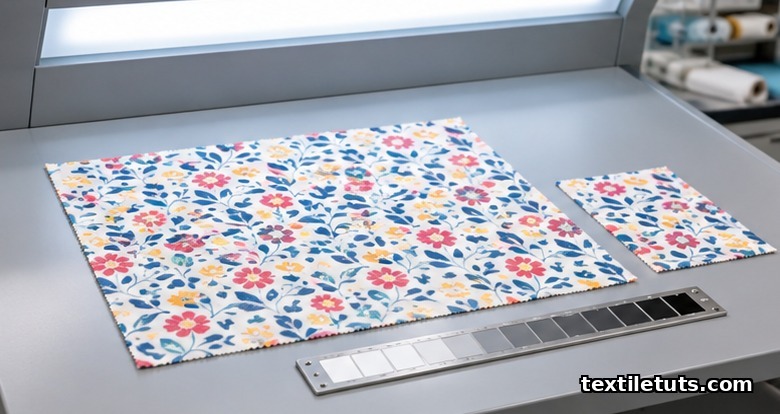
Printing
Printing Quality Control
Thermochromic printing applies temperature-sensitive pigments, most commonly leuco dye microcapsules 2 to 5 µm in...
Read article →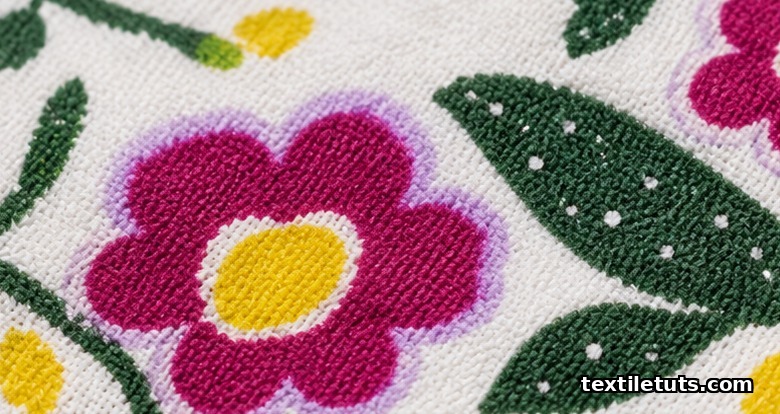
Printing
Common Printing Defects
Thermochromic printing applies temperature-sensitive pigments, most commonly leuco dye microcapsules 2 to 5 µm in...
Read article →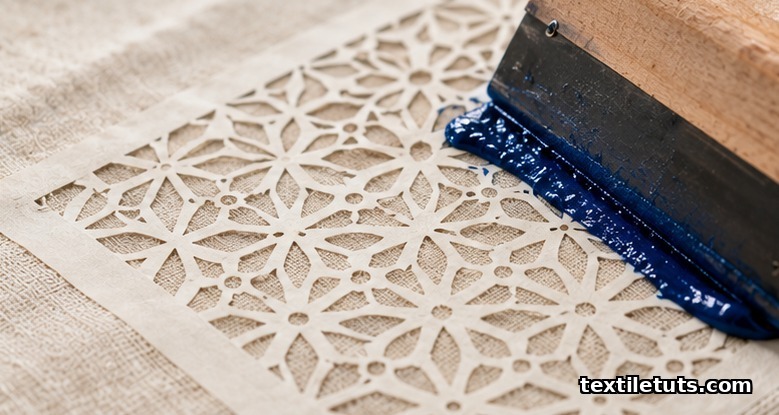
Printing
Stencil Printing
Stencil printing deposits color through cut-openings in a flat template using a squeegee, achieving line...
Read article →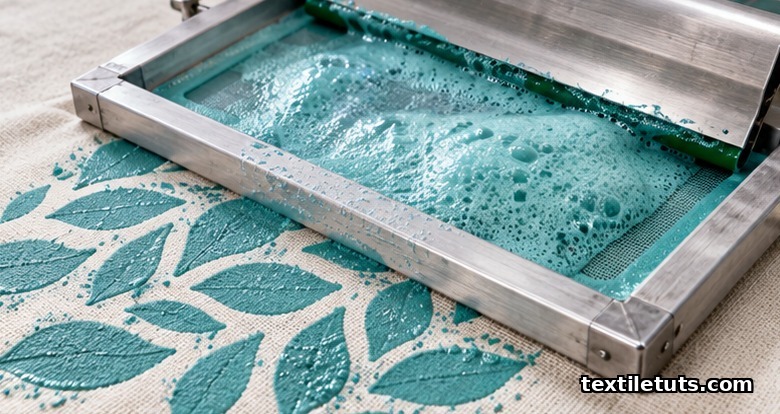
Printing
Foam Printing
Foam printing applies dye, pigment, or finishing chemistry to fabric as a stabilized aqueous foam...
Read article →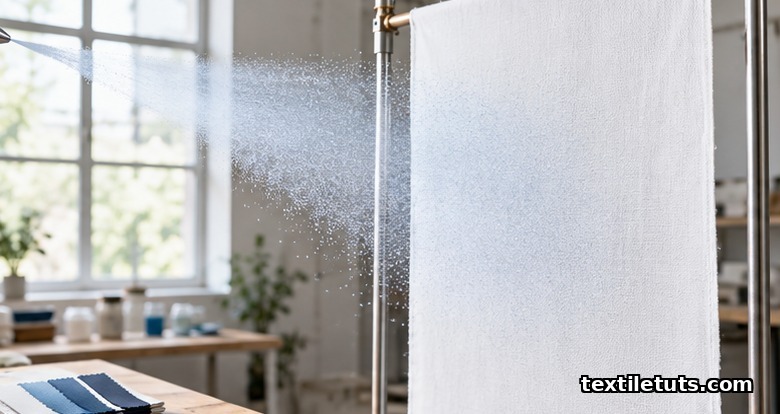
Printing
Spray Printing
Spray printing applies dye or pigment to fabric through a nozzle that atomizes the liquid...
Read article →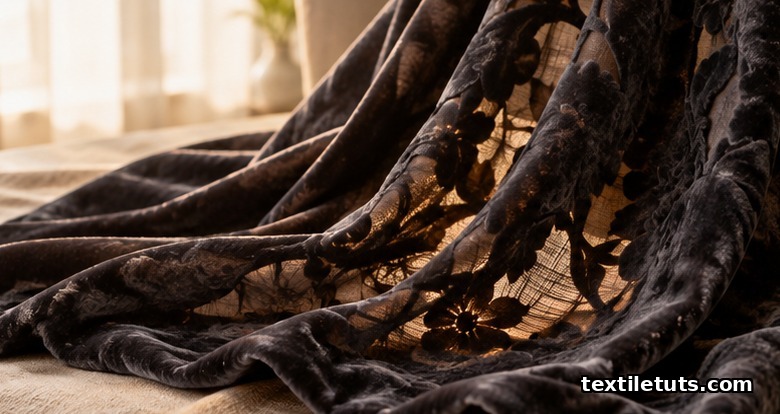
Printing
Burnout Printing (Devoré)
Burnout printing (devoré) is a textile printing technique that locally dissolves one fiber component of...
Read article →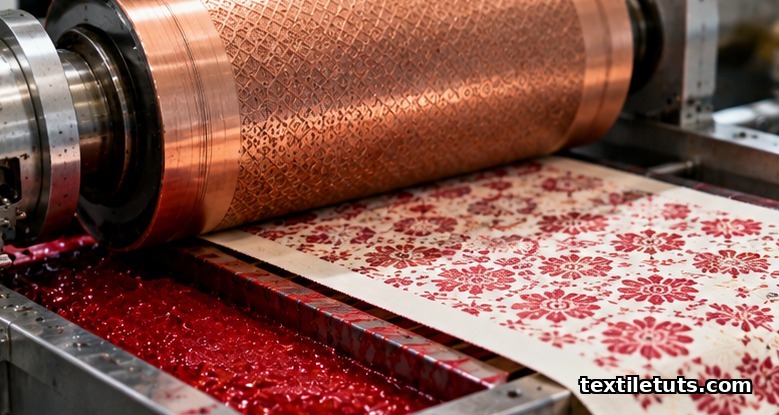
Printing
Engraved Roller Printing
Engraved roller printing transfers printing paste from copper cylinders etched with 60 to 185 cells...
Read article →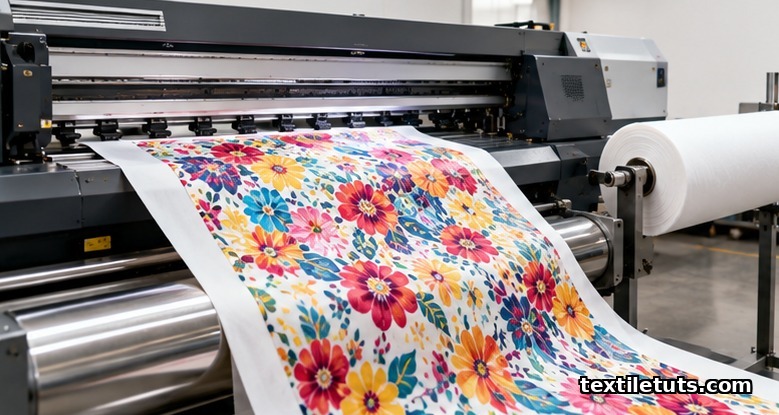
Printing
Transfer Printing
Transfer printing vaporizes disperse dyes from a printed carrier paper into polyester fibers at 180...
Read article →
04
Frequently asked questions
What is the most common industrial printing method?
Rotary screen printing, accounting for roughly 60% of mass-market printed textile production. Digital printing is the fastest-growing segment.
What is sublimation printing?
Disperse dyes printed onto transfer paper, then heat-transferred (180-220C) onto polyester fabric. The dye sublimates (solid to gas) and diffuses into the polyester fiber. Vibrant, photographic, wash-fast.
What is the difference between reactive and pigment printing?
Reactive dyes form a covalent bond with cellulose - high wash fastness, requires wash-off. Pigments are insoluble particles bound with acrylic - lower wash fastness, no wash-off. Reactive dominates for premium; pigment for cost-sensitive.
What is discharge printing?
Uses a bleaching or reducing agent in the print paste to remove color from a previously dyed fabric. Produces soft-hand patterns on dark grounds. Agent must be carefully formulated.
What is the cost difference between screen and digital printing?
Screen has high setup cost but very low per-meter at volume. Digital has zero setup but higher per-meter cost. Break-even is around 200-500 m per design.
Can't find what you're looking for?
The team replies to every email. Send us your question or a sample spec and we'll route it to the right specialist.