
Can You Dye Clothes With Acrylic Paint

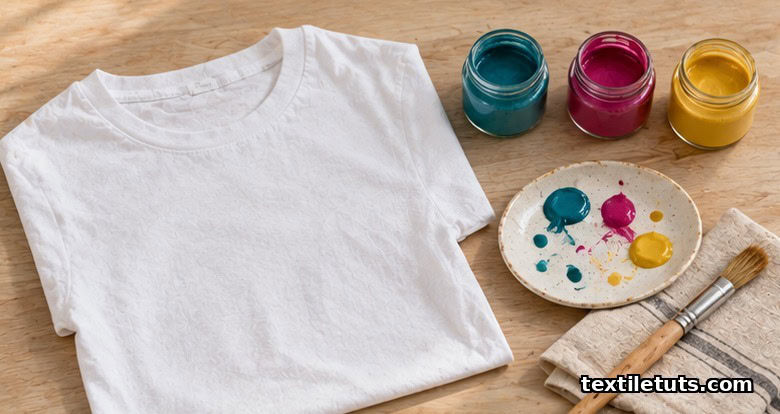
Are you thinking of transforming your bland clothes into a masterpiece but unsure if it’s possible with readily available materials? You might be asking: Can I dye clothes with acrylic paint?
Yes, you can dye clothes with acrylic paint. Yet, it’s best to include a fabric medium in the mix, which creates a more permanent, soft, and flexible finish on the textile. Without the fabric medium, the painted area may crack, flake, and become rigid.
Keep reading to discover essential tips on how to properly dye clothes with acrylic paint, ensuring a vibrant, lasting result.
Getting Savvy: Understanding Acrylic Paint
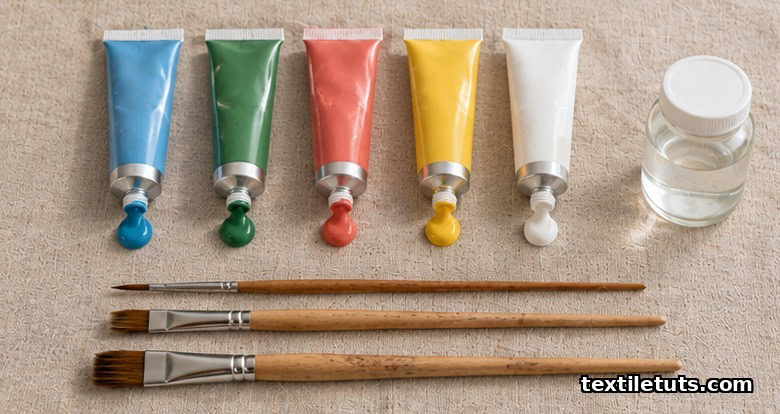
Acrylic paint is a type of paint composed of pigment suspended in acrylic polymer emulsion. It is a versatile type of paint that is water-soluble and fast-drying, and it can be used on various surfaces ranging from paper and canvas to wood and metals. But are you aware that it can also be used to dye clothes? Let’s delve deeper.
What Is Acrylic Paint?
Acrylic paint is a product of the mid-20th century, and it quickly became popular due to its versatility and ease of use. The paint is made up of pigments, which provide the color, suspended in a binder made of acrylic polymer emulsion. This binder ensures the paint adheres to the surface it’s applied to and maintains its color and flexibility, even after drying.
The main difference between acrylic paint and other types of paint is its water solubility. When it’s wet, acrylic paint can be diluted and cleaned up with water, but once it’s dry, it becomes water-resistant. Acrylic paint can also be mixed with various mediums to alter its consistency, transparency, glossiness, or drying time, making it even more versatile.
The Pros and Cons of Using Acrylic Paint for Dyeing
You might be wondering, why use acrylic paint to dye clothes? While it might not be a conventional choice, there are some potential benefits. However, it’s essential to carefully consider the potential drawbacks as well.
- Pro: Custom Colors – Acrylic paint offers a wide range of colors, which can be mixed together to create custom hues. This allows for greater personalization than traditional fabric dyes, which come in a more limited color palette.
- Pro: Fast-Drying – Unlike some fabric dyes that can take hours or even days to fully set, acrylic paint dries quickly.
- Con: Stiff Finish – Paint sits on top of the fabric rather than soaking into it, which can leave the fabric feeling stiff after it dries.
- Con: Durability – Acrylic paint might not be as durable as traditional fabric dyes. It can potentially crack or peel over time, especially if the garment is frequently washed.
Whether or not dyeing clothes with acrylic paint is a good idea largely depends on the specific garment and how it’s going to be used. If you’re looking to create a unique design on a garment you don’t intend to wash frequently, it might be worth giving it a shot!
Dishing the Details: Can Acrylic Paint Be Used to Dye Clothes?
At some point or another, we’ve all eyed a piece of clothing and imagined how much better it would look in a different color or with a little extra flair. Maybe you’ve considered switching up your wardrobe with a bit of DIY faire, leading you to wonder, can acrylic paint be used to dye clothes?
Acrylic Paint as a Textile Dye – Does It Work?
The short answer is, yes. You can certainly use acrylic paint to dye clothes, but there’s more to it. The paint is thicker than traditional dye and requires careful application. All forms of acrylic paint are not made equally, so you need to ensure you’re opting for those specifically designed for fabric application.
The process of dyeing clothes with acrylic paint involves mixing your paint with a textile medium. The textile medium increases the flexibility of the dried paint and decreases the stiffness that comes from simply letting the acrylic paint to dry on the fabric.
Here are the steps to dyeing clothes with acrylic paint, broken down into a simple list:
- Gather your materials: fabric acrylic paint, textile medium, a paintbrush, and your piece of clothing.
- Mix equal parts of your acrylic paint and your textile medium.
- Apply the paint mixture to your clothing using your paintbrush. You can do this with stencils or freehand, depending on your preference.
- Let the paint dry completely.
- Once dry, it’s recommended to use an iron to heat set the paint on the fabric. Be sure to use protective cloth above and below the paint to avoid any damage.
The Longevity of Acrylic Paint on Fabric
Okay, so we know we can dye clothes with acrylic paint, but how long does it last? Will the color wear off quickly? The durability of acrylic paint on fabric primarily depends on how well the paint is applied and preserved.
If you pre-wash your fabric prior to painting, remove any sizing, and then dry it well, you’re already on the path to ensuring a lasting paint job. Additionally, heat setting the paint with an iron after application can further seal the paint onto the fabric.
Consider washing painted items sparingly. When washing is necessary, turn the item inside out, use mild detergent, and opt for a gentle cycle or hand wash. Never use hot water as it can dissolve the heat set binding and lead to more fading. With careful treatment, you can expect acrylic paint to hold up pretty well on fabric.
In conclusion, acrylic paint has its pros and cons when used as textile dye. With the right preparation, patience, and care, it can indeed work and last a considerable amount of time on your clothing.
Embracing DIY: How to Dye Clothes with Acrylic Paint
Dyeing your clothes with acrylic paint is a fun and creative DIY project you can indulge in over the weekend. Whether you want to revamp your old t-shirt or add a pop of color to your pillow covers, acrylic paint can be your go-to option. But before you start, let’s walk you through the tools you need and the safety precautions you should take.
Getting Your Tools Ready
It is essential to gather all materials and tools beforehand to ensure a smooth and hassle-free process.
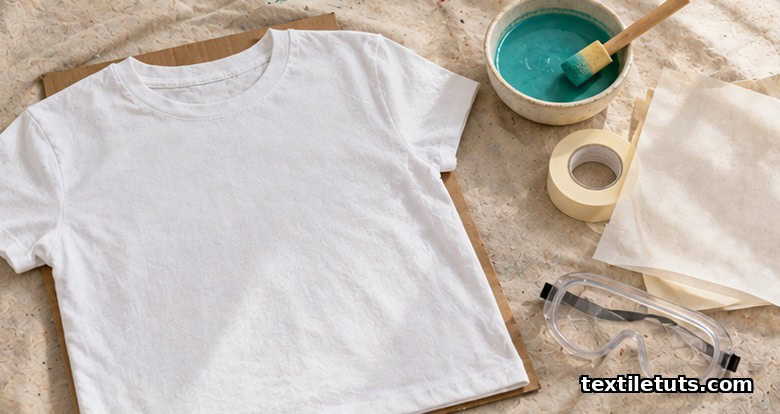
The Materials You Need
You’ll need the following materials to dye your clothes with acrylic paint:
- Acrylic paint
- Fabric medium
- Water
- A paint mixing pot
- A paintbrush or sponge
- The fabric you want to dye
The fabric medium is a crucial element as it helps the paint adhere to the fabric and enhances the flexibility and durability of the painted fabric.
Safety First: Precautions to Take
Although acrylic paint is non-toxic, it can still cause irritation if it comes into contact with your eyes or is ingested. For that reason, it’s essential to observe the following safety precautions:
- Always wear protective safety goggles and gloves
- Work in a well-ventilated room
- Cover surfaces with a drop cloth to prevent paint stains
- Keep the paint out of reach of pets and children
Step-By-Step Guide: From White to Wow with Acrylic Paint
Now that you’ve gathered all the materials and have taken necessary safety precautions, let’s dive into the step-by-step process of dyeing your cloth with acrylic paint. Stay tuned!
Unleashing Imagination: Creative Dyeing Techniques
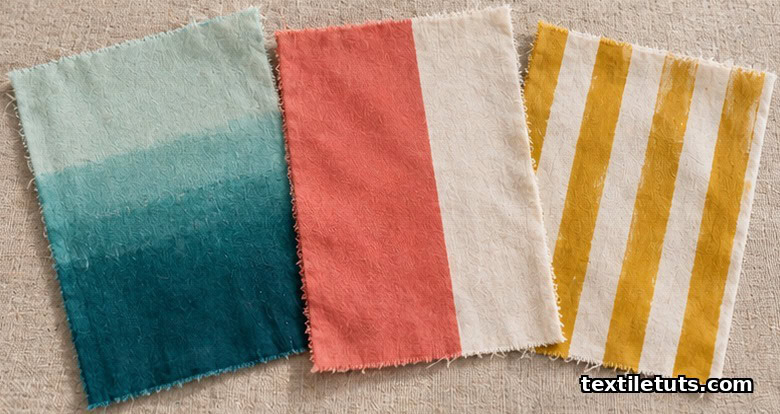
Dyeing clothes with acrylic paint opens a new world of creativity and allows you to reimagine your wardrobe in unique, imaginative ways. From dip-dyeing to colour blocking to adventurous stripes and patterns, the possibilities are endless. Below, we explore some of these intriguing techniques.
A Dip into Dip-Dyeing
Often used to create a gradient effect, dip-dyeing involves dipping a piece of clothing into a paint mixture. The intensity of the color decreases as you move up the garment creating a beautiful gradation. Here is a basic process you can follow:
- Prepare your acrylic paint by mixing it with a textile medium (usually available at craft stores).
- Dilute the mixture with water according to the manufacturer’s instructions.
- Dip the cloth into the mixture, ensuring to dip slowly and consistently.
- Allow to dry before rinsing out any excess paint.
The Art of Colour Blocking
Colour blocking involves painting different, often complementary, colours on different areas of a garment. It’s a great way to add a pop of fun and vibrancy to your clothes. Here’s how you can achieve this:
- Choose two or more colours for your garment.
- Section off the areas of the garment to be dyed in each color, using masking tape or fusible interfacing.
- Paint each section, one at a time, leaving each to dry before moving on to the next.
- Lastly, wash it to remove excess paint and fix the color.
Stripes and Patterns: Pushing the Boundaries
For those looking to push the creative envelope, stripes and patterns provide an excellent opportunity. You can really let your artistic flair shine through with this technique, as it doesn’t have to be perfect to be beautiful. Here are some basic steps for getting started:
- Decide on a design for your garment.
- Use a stencil or tape off sections where you want to apply the paint.
- Start painting, making sure to let each section dry before moving on to the next.
- Remove the stencil or tape and wash your garment to fix the color.
Dyeing clothes with acrylic paint allows you to infuse your wardrobe with colours and designs that truly reflect your personal style. Remember, the best part of these DIY projects is having fun and experimenting – so don’t be afraid to try something out of the box!
Maintenance Monster: How to Look After Your Dyed Clothes
Dyeing clothes with acrylic paint can be a fun and rewarding task. You can create unique designs and patterns that reflect your personal taste and style. After you’ve put all that time and effort into dyeing your clothes, it’s crucial to maintain and care for them effectively to keep the colors vibrant and the garment wear well over time.
Washing Guide: Keeping the Colours Vibrant
Washing dyed clothes properly is essential to keeping the colors vibrant. Always read and follow the washing instructions on each garment’s label. Here are some basic tips for washing dyed clothes:
- Wait at least 24 hours after dyeing before you wash your clothes. This waiting period gives the dye a chance to set.
- Turn your clothes inside out before washing them. This simple trick can help prevent fading and wear and tear on the exterior of your clothes.
- Use a gentle or delicate wash cycle with cold water. Hot water can cause the dye to bleed or fade.
- Use a mild, color-safe detergent. Strong detergents can be harsh on dyed clothes and cause the colors to fade more quickly.
Ironing Tips: Steaming the Colours In
Ironing can be another effective way to keep the colours on your dyed clothes vibrant. The heat from ironing can help to set the dye and keep the colors looking fresh and bright. Here are some tips for ironing dyed clothes:
- Always turn your clothes inside out before ironing. This can help prevent any color transfer from the iron to your clothes.
- If possible, use an ironing cloth between the iron and your clothes to further prevent color transfer and protect the fabric.
- Use the appropriate heat setting on your iron for the fabric. Different fabrics require different heat settings, so always check the garment’s label for the recommended setting.
- Never iron over a stain, as this can set the stain into the fabric and make it more difficult to remove.
By following these washing and ironing tips, you can keep the colours on your dyed clothes looking as vibrant as the day you painted them.
Going Beyond: Alternative Crafts with Acrylic Paint
Does creativity burst forth from your fingertips each time you touch a paintbrush? If so, you’ll be thrilled to explore the limitless possibilities of using acrylic paint in crafts. The versatile medium of acrylic paint can be used on various surfaces, opening up a world of artistic possibilities! Let’s explore some ingenious craft ideas involving acrylic paint.
Acrylic Paint on Other Textured Surfaces
If you thought acrylic paint was solely for canvas, think again! Acrylic paint can adhere to numerous textured surfaces. This includes wood, ceramic, plastic, fabric, metal, and even glass. An important thing to consider while using acrylic paint on different surfaces is prepping the surface. Properly preparing the surface by cleaning and priming it can ensure a better adherence of the paint. Below are some ideas for acrylic painting on diverse surfaces:
- Wood: Do you have any old wooden furniture at home? Give it a refreshing look with a touch of acrylic paint. Patterns, landscape scenes or even a simple color wash can bring a drab piece of furniture back to life.
- Ceramic: Want to make personalized mugs or plates? Ceramic painting with acrylics is an easy do-it-yourself project that even beginners can perform. Just don’t forget to seal your design after the paint dries.
- Metal: Got an old metal chair or a rusty gate that needs refurbishing? Brighten them up with some acrylic paint!
Creating Your Personalized Clothing Line
Ever wanted to own a piece of clothing that is entirely unique and reflects your style? With acrylic paint, you can create your personalized clothing line. Be it t-shirts, jackets, jeans, or sneakers, acrylic paint works wonderfully on fabric. Even better, once the acrylic paint is set, it’s resistant to washing.
Using stencils or freehand designs, you can turn a plain shirt into a masterpiece. Perhaps you’d like to update an old pair of jeans with a colorful splash of paint? Here’s a simple step-by-step process to guide you:
- Choose your garment and prepare the fabric. Make sure it’s clean, wrinkle-free, and dry.
- Place a barrier (like cardboard or plastic) inside the garment to prevent the paint from seeping through to the other side.
- Start painting your design using acrylic paint. You can use a brush or a sponge depending on the desired effect.
- Once dry, set the paint by ironing over the design (use parchment paper between the paint and iron).
There you have it! With a little acrylic paint and some imagination, you can transform everyday items into works of art. So why not give it a try? Unleash your creativity and paint away!
Myths Debunked: Common Misconceptions about Acrylic Paint Dyeing
There are a plethora of misconceptions when it comes to dyeing fabrics with acrylic paint. Many assume that it’s either impossible, harmful to fabrics, or creates a rigid texture. We’re here to debunk these myths to give you a clear understanding of the process.
Myth 1: Acrylic Paint Can’t Be Used for Dyeing Clothes
This is one of the most common misconceptions. Many people believe that only traditional dyes can be used to color fabrics. However, it’s indeed possible to use acrylic paint as a dye for your clothes. Acrylic paint is water-based, which means it can penetrate the fabric just like dye.
Myth 2: Acrylic Paint Will Damage the Fabric
Contrary to popular belief, using acrylic paint on fabric will not damage it. There are differences between using paint and dye, of course. Dye typically penetrates the entire fabric, while paint sits mainly on the surface. However, this doesn’t necessarily mean that it will harm the fabric. It’s always advisable to test it out on an inconspicuous area first just to be sure.
Myth 3: Cloth Painted with Acrylic Paint Will Be Stiff
Another popular myth is that fabrics dyed with acrylic paint become stiff. This can be true, but only if the paint is not properly applied or if it’s not the right kind of paint for fabric. The secret is to use a fabric medium mixed with your acrylic paint, which can help maintain the flexibility of your cloth while ensuring the paint holds.
Myth 4: Acrylic Paint Isn’t Long-lasting on Fabrics
Many people believe that acrylic paint fades or chips off fabrics after a few washes. However, this isn’t always the truth. If applied correctly and given sufficient time to dry, acrylic paint can last a long while. In fact, combining acrylic paint with a fabric medium can make it as long-lasting as regular fabric dye.
Myth 5: Acrylics Are Only for Dark Fabrics
There’s a misconception that acrylic paints only work well on dark fabrics. While some colors show up more vibrant on dark materials, it does not mean that they are not suitable for light fabrics. The eventual outcome depends greatly on the color of the paint used. Light colors may require more paint layers for the desired effect.
We hope that debunking these myths will inspire you to explore the interesting process of cloth dyeing with acrylic paint. Remember, as with most crafts, it’s all about experimenting and learning what techniques work best for you.
Endless Possibilities: Inspiring Case Studies of Acrylic Paint Dyeing
Acrylic paint, typically used on canvas, has been surprisingly used by many people to dye their clothes, offering a unique and vibrant way to personalize clothing items. Here, we discuss some inspiring case studies of acrylic paint dyeing that will ignite the creativity within you.
Case Study 1: Acrylic Paint Tie-Dye T-shirt
A hobbyist decided to use acrylic paint to create a tie-dye effect on a plain white t-shirt. She diluted the paint with some water to create a more fluid texture and used different colors. By twisting sections of the t-shirt and applying the diluted paint, she was able to create a stunning tie-dye effect. The result was a multi-colored, splashy artwork that was unique and eye-catching. Even after multiple washes, the colors from acrylic paint remained vibrant.
Case Study 2: Acrylic Paint on Jeans
Another case comes from an artist who used acrylic paint and a sponge to create a hand-painted print on her old, plain jeans. She added textile medium to the paint to ensure the paint would adhere well to the fabric and would remain flexible after drying. Her tedious yet rewarding efforts resulted in a beautiful botanical print on her jeans, effectively transforming a mundane piece of clothing into something extraordinary and personalized.
Case Study 3: Acrylic Paint on Canvas Shoes
A college student wanted to add a personal touch to a pair of simple white canvas shoes. He used acrylic paint to create various geometric patterns on the shoes, getting creative by using tape to delineate shapes and ensure crisp lines. The outcome was not only trendy but also unique, showing that acrylic paint can be a fantastic material to customize footwear as well.
In each of these cases, the artists used different techniques and methods, proving that the possibilities are indeed endless when it comes to dyeing clothes with acrylic paint. However, remember to be cautious and take the necessary steps to ensure that the paint does not interfere with the fabric’s flexibility. Always allow your garments to dry fully before you put them on or wash them, and remember to turn them inside out when washing to preserve the designs.


