
Can You Dye Lycra

Dyeing textiles at home can be a great way to make your materials look refreshed, especially if they are made from lycra. But, one may ask: Can you really dye lycra?
Yes, you can dye lycra. However, it’s important to note that because of lycra’s synthetic properties, dyeing it requires a specific type of dye known as disperse dye. Other common fabric dyes may not adhere well.
Stick around to learn the step-by-step guide on how to effectively dye lycra, ensuring a vibrant and long-lasting color.
Demystifying the world of Lycra: An Introduction
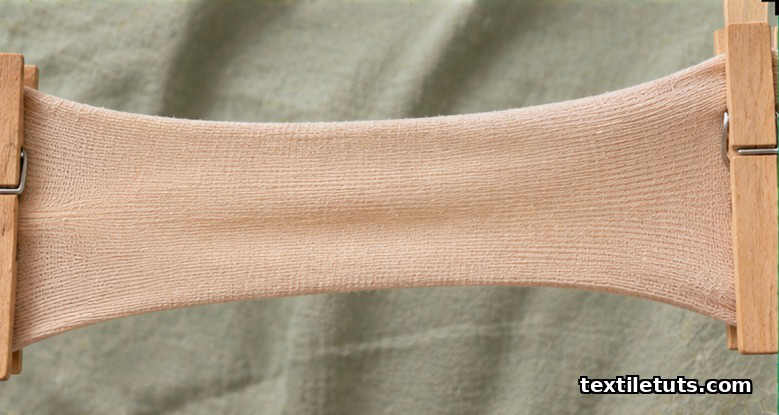
Lycra, also known as spandex or elastane, is a synthetic fiber known for its exceptional elasticity. In fact, the term “spandex” is actually a play on the word “expands”, providing a clue as to its inherent properties. This material can stretch to almost 500% of its original size, returning to its original form once tension is released.
Know what Lycra Is
Lycra is a lightweight, synthetic fiber that was originally invented to replace rubber. Today, it is widely used and appreciated in a variety of industries, including clothing, sports apparels, swimwear, and more. In essence, it’s the material that provides the stretchiness in our clothes, allowing them to fit better, last longer and offer more comfort. It is also ideal for sportswear because of its high breathability and quick-drying properties. Because of its substantial elasticity and strength, Lycra fabrics maintain their shape even when they are stretched repeatedly.
Why Choose Lycra: The Benefits
There are numerous benefits to using Lycra. It’s incredibly flexible and can stretch up to five times its original length, making it a staple in athletic garments. Because of its elasticity, garments made from Lycra can expand and contract with muscle movements, making them ideal for sports and exercise wear. Below is a list of some additional reasons for its popularity:
-
It dries fast and doesn’t hold moisture
-
It’s lightweight and comfortable to wear
-
Resistant to sunlight, lotions, and sweat
-
Doesn’t lose its shape and provides a snug fit
Apart from being used on its own, Lycra is often blended with other fabrics, like cotton and polyester, enhancing the comfort and fit of the final product. However, despite its durability, the one downside of Lycra is that dyeing it can be quite tricky due to its synthetic nature. While it’s not impossible, it requires some specific preparation and techniques to achieve a successful result, which we will explore in the next sections.
Decoding the Colour Capabilities of Lycra
Lycra is a synthetic fabric known for its exceptional elasticity. It is often used in sports clothing due to its ability to stretch and recover, maintaining its shape even after extensive use. When it comes to the world of colours, the application of dye to Lycra can be a bit complex due to the nature of the fabric.
How Colours Behave: The Science Behind Dyeing Lycra
It’s interesting to understand the science behind how colours behave when applied to Lycra. Typically, dyes adhere to natural fabrics like cotton and silk very easily, due to their porous nature. On the other hand, synthetic fabrics like Lycra are not as porous. This means the dye has a more challenging task in penetrating the fabric and as a result, might not adhere as strongly.
In the dyeing process, the dye molecules and the fabric particles interact with each other on a molecular level. For natural fabrics, this interaction is relatively smooth. But for synthetic fabrics like Lycra, the meeting between the dye and fabric particles is more like a standoff, which could result in a weaker bond and less vibrant colour.
Dye Fastness & Challenges: Understanding the Uniqueness of Lycra
Understanding the dye fastness is crucial when it comes to dyeing Lycra. ‘Dye fastness’ refers to the resistance of a dye in washing and light, i.e., its ability to stick to the fabric and maintain its colour vibrancy over time.
Lycra fabrics pose a peculiar challenge in achieving high dye fastness. The uniqueness of Lycra, characterised by its low absorbency, makes it slightly resistant to dyes. The dye tends to sit on the top rather than absorb into the fabric, leading to problems with colour fade or bleed.
However, certain treatments like heat setting can be used to improve the dye-fastness of Lycra. This involves using heat to open up the pores of the fabric, allowing the dye to penetrate and bond more easily. But it should be done carefully, as excessive heat can affect the elasticity of the Lycra.
It must also be noted that, while it is possible to dye Lycra at home, achieving an even, vibrant result may require professional expertise due to the fabric’s unique characteristics.
Step by Step Guide: Can You Dye Lycra & How To Do It
Dyeing lycra might seem challenging, but the good news is you can indeed dye lycra. This guide will walk you through the process step by step to ensure you achieve the desired results.
Pre-Dyeing Lycra Preparation: Tips and Tricks
Before you get started with the dyeing process, it’s crucial to prepare your lycra material correctly. First, use a detergent to pre-wash the fabric; this will remove any oils or residues that can affect the dye absorption. Allow the lycra to soak in warm water for a while before starting the dyeing process.
Choosing Your Dye: Knowing What Works Best with Lycra
Not all dyes work well with lycra, so it’s essential to choose the right type. Synthetic fiber dyes are the most appropriate as they bond more effectively with the fibers. Acid dyes, for instance, work well to create vibrant colors. However, keep in mind that some dyes might require additional chemicals for the dyeing process, so always follow the manufacturer’s instructions.
Accomplishing the Dyeing Process: A Walkthrough
Step 1: Safety First! Take Necessary Precautions
Ensure to wear gloves and old clothes to prevent staining your skin or favorite clothes. You might also need to dye in a well-ventilated area or outside to avoid the strong dye smell.
Step 2: Making the Dye Bath
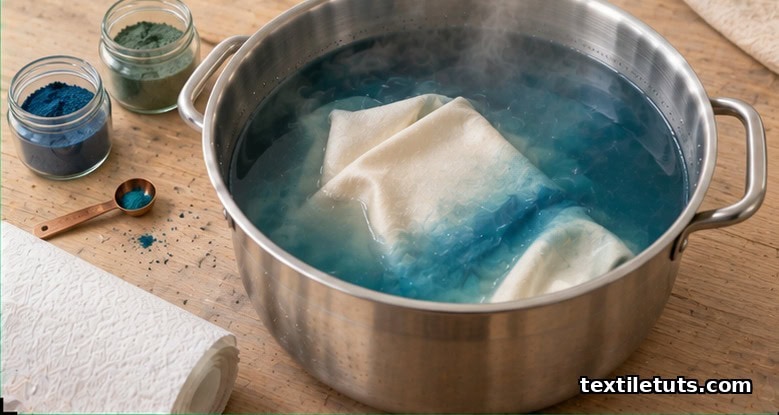
Prepare your dye bath by filling a large pot with enough water to allow the lycra to move freely. Add the recommended amount of dye and stirring until it is fully dissolved. Some dyes may also require adding vinegar or another type of fixative to help the dye bond with the lycra.
Step 3: Dyeing Your Lycra
Submerge your lycra fabric into the dye bath. Make sure it is completely soaked and stir it continuously for even color distribution. The time in the dye bath will depend on the desired color intensity and the type of dye. It could range from 30 minutes to an hour.
Step 4: Rinsing & Post-Dyeing Instructions
After the dyeing process, you will need to rinse the lycra under cold water until the water runs clear. This will remove any excess dye. Afterwards, machine wash the lycra on a gentle cycle using a mild detergent. Hang the dyed lycra to dry; avoid direct sunlight to protect the color integrity.
Exploring Special Dyeing Techniques: Breaking Fashion Barriers
Breaking traditional fashion boundaries, innovative stylists and designers have explored various dyeing techniques to create unique, breathtaking pieces. The adaptability of these methods enables them to work beautifully on different fabrics, including lycra.
The Magic of Tie Dye: The Art and the Technique
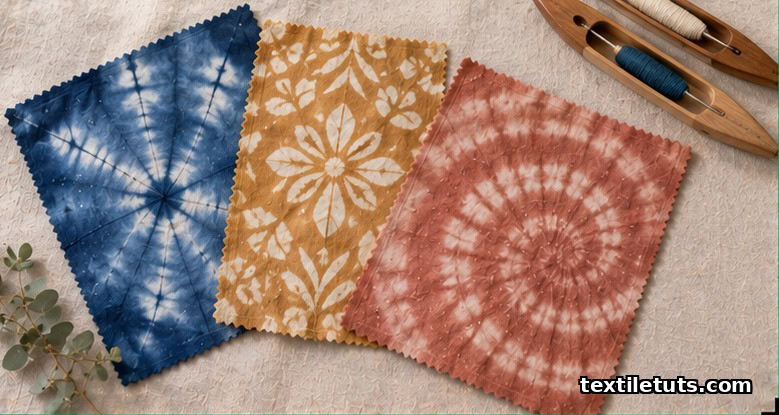
The art of tie-dyeing dates back to ancient times, yet it remains a popular form of fabric manipulation. This dyeing technique involves tying or stitching the fabric in a certain way, then applying various colors of dye to create visually stunning patterns. The psychedelic swirls and bursts of tie dye can give a cool, edgy vibe to lycra garments. Let’s look at a basic process of tie-dyeing a lycra fabric
- Prepare the dye according to the manufacturer’s instructions.
- Use rubber bands or threads to tie the lycra in your chosen pattern.
- Immerse the bunched lycra into the dye, ensuring all areas are covered.
- Let it soak for the recommended time, then rinse and let it dry.
Remember, the actual look of the fabric will depend on the tying patterns and colors of dye used. Tie-dyeing allows for a whole lot of creativity and customization!
Experimenting With Batik: An Introduction
Originating from Indonesia, the Batik technique involves using wax to prevent dye from penetrating certain parts of the fabric. These covered areas then retain their original color while the rest of the fabric adopts the dye’s color. You can use this technique to create amazing designs on lycra pieces.
Below is a simple guide on how to create a batik design on lycra.
- Using a brush or a tjanting tool, apply hot wax to the lycra in the desired pattern.
- Allow the wax to cool and harden.
- Dip the fabric into the dye, covering all parts evenly.
- Allow the fabric to dry.
- Remove the wax by placing wax paper on the fabric and ironing over it, or by boiling it in water. This will reveal the original color beneath the wax.
Note: As lycra is a stretchy and delicate material, it’s necessary to handle it with care during the process, particularly when removing the wax.
Whether you’re new to fabric dyeing or a seasoned pro, exploring these techniques can open a new realm of design possibilities with lycra. It’s all about creativity and pushing the boundaries of fashion!
The Environmental Dimension: Impact of Dyeing Lycra
Dyeing lycra, like many industrial practices, has an environmental impact. It’s crucial to address this issue not just from a fashion perspective, but also from a wider ecological viewpoint. Many may ask: is dyeing lycra sustainable? What are its environmental implications? Let’s delve into these issues.
Evaluating the Ecological Footprint of Dyeing Lycra: Is It Sustainable?
Firstly, it’s important to understand that lycra — also known as spandex or elastane — is a synthetic fibre made from petroleum products. The dyeing process often involves strong chemicals and high amounts of water which, without proper treatment, can be harmful to the environment.
A study by the World Bank estimates that dyeing and treatment processes used in textile manufacturing contribute up to 20% of industrial water pollution worldwide. They can potentially release harmful substances like heavy metals, sulfates, and phosphates into the waterways.
Moreover, many of the dyes used on synthetic fabrics are non-biodegradable, which means they persist in the environment for a long time. This persistence can have negative effects on aquatic life as well as human health.
Given these facts, it’s hard to deem the traditional lycra dyeing process sustainable.
See the Change: Eco-Friendly Alternatives for Dyeing Lycra
Addressing the ecological footprint of the dyeing process is not an easy task, but there are more sustainable alternatives emerging. These are changing the face of the fashion industry, making the dyeing process less harmful to the environment.
One such alternative is digital dyeing. Digital dyeing uses inkjet technology to apply dye to fabric. It dramatically reduces water use as no rinsing is required. The dye is directly absorbed by the fabric, leading to less waste.
Natural dyes made from plants, insects or minerals, are another alternative. They are bio-degradable and non-toxic, making them a safer option for the environment. However, the trade-off is that natural dyes often require more water and energy in order to fix the dye to the fabric.
| Alternative Dyeing Method | Water Usage | Eco-friendliness |
|---|---|---|
| Digital Dyeing | Low | High |
| Natural Dyes | High | Moderate to High |
While these methods aren’t without their own challenges, they represent a step in the right direction. It’s clear that the fashion industry needs to continue exploring ways to mitigate the environmental impact of its practices.
Professional Help: When to Consider a Dyeing Service for Lycra
Dyeing Lycra materials at home can be a fun and cost-effective way to refresh your wardrobe. However, there are certain instances when considering a professional dyeing service might be the preferable option. Things like complex designs, tricky color transformations, a large quantity of garments to dye, or simply a lack of time or confidence might be valid reasons to engage a professional.
The dyeing process requires precision, patience, and an understanding of how different materials react to various dye types. Professionals not only possess these skills, but they also have access to top-grade dyes and equipment, ensuring a high-quality, lasting result.
When to Choose a Professional Dyeing Service
-
Multiple Colors or Complex Designs: Dyeing a garment with many colors or an intricate pattern is a far more complicated process. It requires precision, and even a tiny mistake can ruin the design. In this case, it’s best to look for professional help.
-
Difficult Colors: Some colors are simply challenging to achieve with standard dye types, especially vibrant hues or pastels. Professionals have access to a wider range of dyes and can achieve your desired color more accurately.
-
Large Projects: If you have a significant amount of garments or large fabric pieces to dye, a professional dyeing service can ensure a uniform finish and can handle the workload more efficiently.
-
Inexperience or Lack of Confidence: Dyeing fabrics at home does present a bit of a learning curve. If you’re not confident in your abilities or simply prefer the convenience and guaranteed outcome, a professional service is worth consideration.
Lastly, professional dyeing services have the advantage of being able to mitigate common issues that may arise during the dyeing process, such as blotchiness, uneven color distribution, or dye bleeding. Furthermore, they typically offer services such as colorfastness testing, ensuring that your newly-dyed Lycra garment will withstand washing and regular use while maintaining its vibrant color.
Common Missteps and Troubleshooting: Learning From Mistakes
While dyeing lycra is possible, it can be challenging and has the potential for several missteps. Learning from these potential mistakes can help you properly dye your lycra material without ruining it.
Common Miststep 1: Using the wrong type of dye
Not all dyes’ll work on lycra as it is a synthetic fabric. Using a dye meant for natural fibers like cotton on lycra can result in uneven coloring or the dye simply washing out. Acid dyes are commonly recommended for lycra.
Common Miststep 2: Not using sufficient heat
Lycra requires heat to properly accept and set dye. If the dye bath is too cool, the dye might not stick or could come out uneven. The optimal temperature is usually around 85-95 degrees Celsius.
Common Miststep 3: Rushing the process
Dyeing lycra is a process that should not be rushed. The fabric needs ample time to soak in the dye bath for even and proper coloring. It’s recommended to let the fabric soak for at least an hour, but some may require more time depending on the fabric thickness and desired color intensity.
In the event that you encounter any issues while dyeing your lycra fabric, the following advice might be able to help you:
Troubleshooting Tip 1: Uneven Coloring
If your lycra fabric is not evenly colored, it could be due to not enough stirring during the dyeing process. Make sure to continuously stir the fabric while it is in the dye bath to ensure even coloring.
Troubleshooting Tip 2: Color is too Light
If your fabric is not as vibrant as you’d like, it might be because your dye bath was not concentrated enough or you did not leave it in the bath long enough. Try increasing the amount of dye or extending the soak time.
Troubleshooting Tip 3: Color Won’t Stays
If the color is washing out of your fabric, it could be because you did not set it correctly. Most dyes for synthetic fabrics require a setting agent or heat to secure the dye. Always check the dye instructions for information on how to set it properly.
Learning from these common missteps and troubleshooting tips can make your dyeing process smoother resulting in vibrant and evenly colored lycra fabric.


