
The Complete Guide to Dyeing Fabric at Home: Every Technique, Every Fiber

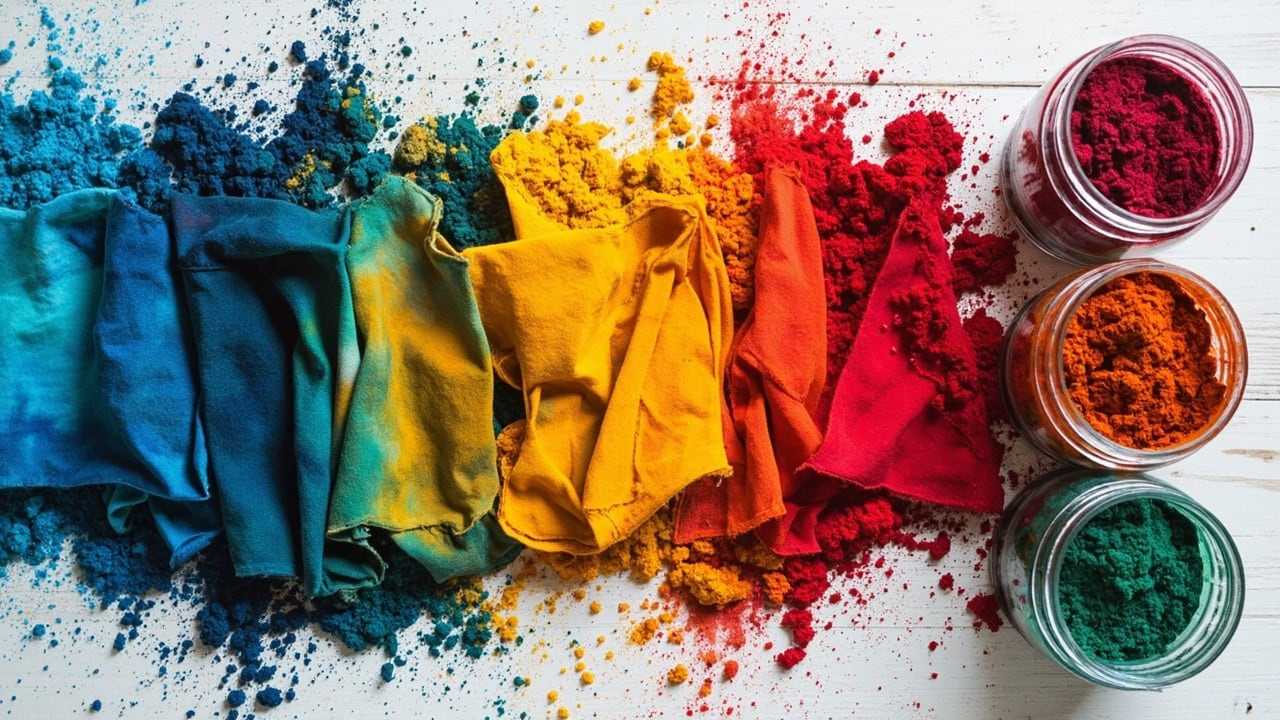
Successful fabric dyeing depends on matching the correct dye class to the fiber type — reactive dyes for cotton, acid dyes for wool and silk, disperse dyes for polyester. Using the wrong dye on the wrong fiber produces color that washes out completely within 1–3 launderings. This guide explains every dye type, every major dyeing technique, and the chemistry that determines whether color is permanent or temporary.
The Fundamental Rule: Match Dye to Fiber
Fabric dyeing is chemistry before it is art. Every fiber type has a specific chemical structure that determines which dye class can form a permanent bond with it. Ignoring this fundamental principle wastes time, money, and materials — the color may appear vibrant immediately after dyeing, but it will fade or wash out completely within the first few launderings.
Natural cellulose fibers such as cotton, linen, and hemp contain hydroxyl groups (-OH) that form covalent bonds with reactive dyes in an alkaline environment. Protein fibers including wool, silk, and alpaca contain amino groups (-NH₂) that attract acid dyes in an acidic bath. Synthetic fibers like polyester require disperse dyes that dissolve into the polymer matrix at temperatures exceeding 125°C — a threshold home dyers cannot achieve without specialized equipment.
Why Fiber Chemistry Determines Dye Class
- Natural cellulose fibers (cotton, linen, hemp) → Reactive dyes, vat dyes, direct dyes
- Protein fibers (wool, silk, alpaca) → Acid dyes, some fiber-reactive dyes
- Synthetic fibers (polyester, nylon, acrylic) → Disperse dyes (polyester requires 130°C), acid dyes (nylon only), specific cationic formulas
- Semi-synthetic (rayon/viscose, modal, tencel) → Reactive dyes (cellulose base — same as cotton)
- Blended fabrics → Dye the dominant fiber; second fiber remains undyed; union dyeing addresses this limitation
Dye Class Reference Chart
| Fiber | Correct Dye Class | pH Needed | Temperature | Fixation |
|---|---|---|---|---|
| Cotton | Reactive | 10–11 (alkaline) | 40–60°C | Covalent bond |
| Linen | Reactive | 10–11 | 40–60°C | Covalent bond |
| Wool | Acid | 4–6 (acidic) | 80–95°C | Ionic bond |
| Silk | Acid or Reactive | 4–6 / 10–11 | 60–80°C / 40°C | Ionic / covalent |
| Polyester | Disperse | Neutral | 125–135°C | Mechanical (high temp) |
| Nylon | Acid | 4–6 | 80–95°C | Ionic bond |
| Rayon/Viscose | Reactive | 10–11 | 40–60°C | Covalent bond |
| Acrylic | Specific cationic | Acidic | 90°C+ | Ionic |
Dye Type Deep-Dives
Fiber Reactive Dyes (Best for Cotton)
Fiber reactive dyes form the strongest possible bond in textile chemistry: a covalent attachment between the dye molecule and the cellulose polymer chain. This bond is irreversible under normal laundering conditions, making reactive dyes the gold standard for cellulose fibers including cotton, linen, hemp, and rayon.
The fixation chemistry requires an alkaline environment (pH 10–11), achieved through soda ash (sodium carbonate). The soda ash opens cellulose sites and enables nucleophilic substitution where the dye molecule permanently attaches. Salt (sodium chloride) improves exhaustion rates by driving dye from the solution onto the fiber — typical home formulations achieve 60–80% fixation, with the remainder washing out during the first rinse.
Wash fastness ratings for properly fixed fiber reactive dyes typically achieve ISO 105-C06 scores of 4–5 (on a 1–5 scale where 5 is best), meaning the color survives 30+ machine wash cycles with minimal fading. Procion MX remains the most widely available fiber reactive dye for home use, preferred for its predictable behavior, manageable toxicity profile, and vibrant color range.
Acid Dyes (Best for Wool and Silk)
Acid dyes work through ionic attraction between negatively charged dye molecules and positively charged amino groups (-NH₃⁺) on protein fibers. The acidic bath (pH 4–6) protonates these amino groups, creating electrostatic pull that binds the dye to the fiber. This is fundamentally different chemistry from the covalent bonding of reactive dyes — ionic bonds are weaker and more susceptible to pH shifts, which is why acid-dyed wool requires careful laundering in mild detergents.
White vinegar (5% acetic acid) or citric acid provides the pH adjustment needed for wool dyeing. Wool requires 80–95°C — the heat swells the fiber scales and allows dye molecules to penetrate the cortex. Silk can be dyed at lower temperatures (60–80°C for acid dyes) but achieves deeper penetration when treated similarly to wool. Critically: acid dyes do not work on cotton or other cellulose fibers. The dye molecules have no affinity for cellulose and wash out completely within 1–3 launderings.
Jacquard Acid Dyes and Dharma Acid Dyes are the dominant brands for home dyers, offering bright, saturated colors with good light fastness. However, wash fastness on wool is generally moderate (ISO 4–5 with proper fixation), and heavily used items like socks may show wear patterns where mechanical abrasion removes surface dye before the ionic bond degrades.
Disperse Dyes (Polyester Only)
Polyester cannot be dyed with conventional dye classes because its polymer structure lacks the ionic or chemically reactive sites that other fibers offer. Disperse dyes overcome this through a mechanical process: the dye dissolves into the polymer matrix at high temperature, then precipitates within the fiber as it cools. This requires reaching polyester’s glass transition temperature (Tg) of approximately 125°C.
Standard home cooking equipment maxes out around 100°C at atmospheric pressure — well below the threshold needed for disperse dye penetration. Home dyers working with polyester must use either a pressure vessel (pressure cooker or dedicated dyeing autoclave) capable of maintaining 125–135°C, or employ the Thermosol method which cures disperse dye at 200–210°C using a heat press or oven. iDye Poly and Rit DyeMore Synthetic are formulated for home pressure-dyeing but still require the user to achieve the necessary temperature threshold.
The consequences of insufficient temperature are immediate and visible: dye sits on the fiber surface rather than within it, washing out in the first laundering. There is no workaround, no additive, no pre-treatment that substitutes for reaching the required temperature — this is a physical property of the polymer, not a chemical limitation.
Vat Dyes and Indigo
Vat dyes including natural indigo operate on a unique chemistry: the dye is applied in a reduced (leuco) form that is water-soluble, then oxidizes back to its insoluble pigment state within the fiber. Sodium hydrosulfite (thiox) or ferments provide the reducing environment needed for the leuco form. As the fiber exits the dye bath, oxygen in the air re-oxidizes the dye — the indigo turns from greenish-yellow (leuco) to its characteristic deep blue.
This oxidation chemistry explains why indigo-dyed denim fades so characteristically: the dye sits within the fiber but does not form a covalent bond. Each laundering removes surface pigment, exposing the next layer. The result is the sought-after fading pattern unique to indigo. For garments that must maintain color intensity, vat dyes are less practical than reactive dyes — the bond strength is inherently lower.
Natural Dyes (Plants, Minerals, Insects)
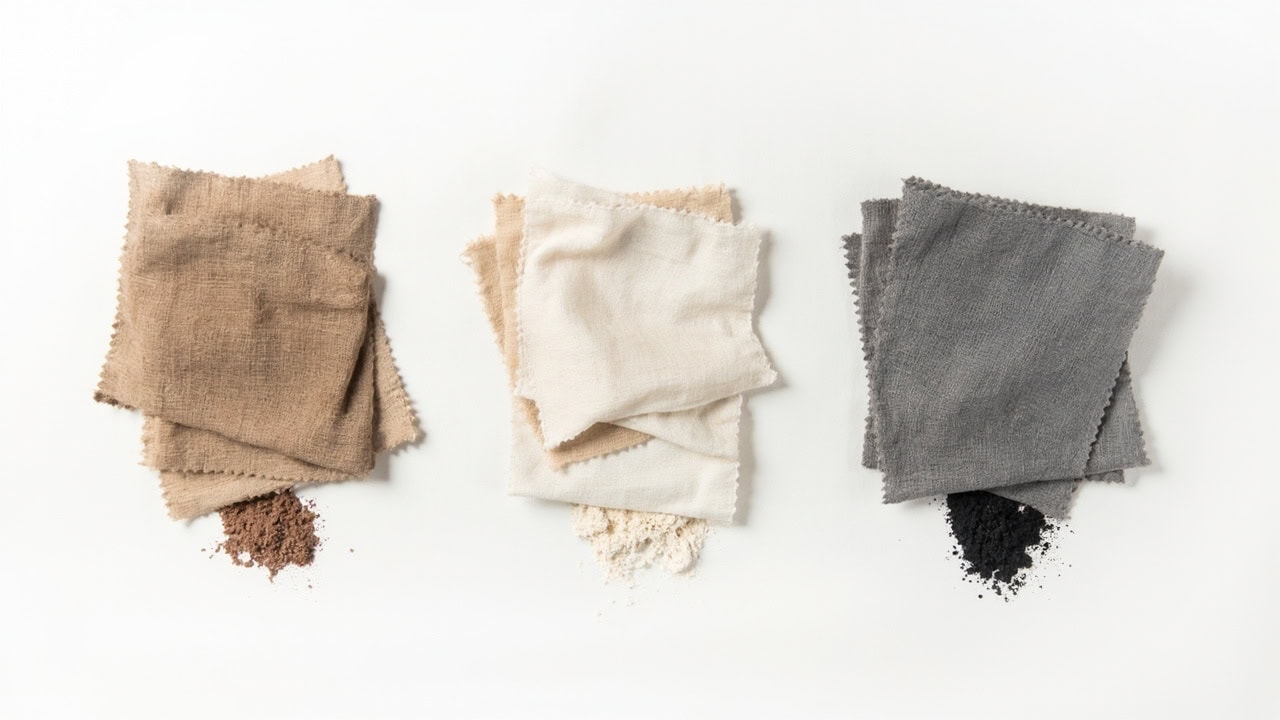
Natural dyes from plant material, minerals, and insects require a metallic mordant to bridge the gap between the dye molecule and the fiber. Without a mordant, natural dyes wash out rapidly — the color may appear vibrant when wet but fades to a ghost within a few launderings. Alum (potassium aluminum sulfate) is the most common mordant, considered safe for food-contact items and relatively color-neutral on most fibers.
Other mordants dramatically shift color outcomes. Iron mordant (ferrous sulfate) saddens and darkens colors — turning yellow to olive, for example — but can weaken protein fibers if overused. Copper mordant creates greenish shifts. Tannin mordants are essential for mordanting animal fibers before applying plant-based dyes that require a tannin bridge. The same dye plant can produce radically different colors depending on the mordant choice and the fiber being dyed.
Wash fastness for natural dyes is generally lower than synthetic dye classes. Even with proper mordanting, light fastness and wash fastness ratings typically fall below those of reactive or acid dyes. This does not make natural dyes inferior — it makes them appropriate for items that will be gently laundered and protected from prolonged sun exposure.
Dyeing Techniques Overview
Tie-Dye
Tie-dye is the most accessible fabric dyeing technique for beginners. The method uses mechanical resist — folding, twisting, pleating, and binding fabric before applying dye — to create radial patterns, stripes, spirals, and speckled effects. The bound areas resist dye penetration, creating the characteristic contrast between dyed and undyed zones.
Cotton is the ideal substrate for tie-dye: its high substantivity for fiber reactive dyes produces vivid colors, and its pliability makes folding and binding straightforward.Canvas, French Terry, and thick cotton knits all respond well. Thin fabrics may produce subtler results; heavyweight denims require longer cure times and more dye to achieve saturation.
Fixation time for tie-dye is critical: reactive dyes require 8–24 hours of cure time after application before rinsing. Insufficient cure time is the primary cause of fading. Uneven dye application typically results from inadequate dye concentration, insufficient saturation, or folding patterns that allowed dye to migrate unevenly. Achieving bright colors in tie-dye requires high dye concentration, proper soda ash pre-treatment, and cold-water rinse protocol.
Shibori (Japanese Resist Dyeing)
Shibori encompasses multiple Japanese resist-dyeing techniques that produce ranging from subtle gradations to precise geometric patterns. Itajime (shape-resist) uses folded fabric sandwiched between wooden boards — the folded edges resist dye and create angular patterns. Arashi (pole-wrapping) wraps fabric tightly around a pole at an angle, producing diagonal ripple patterns. Ne-maki (binding) uses rope or string wound randomly around bunched fabric for organic, cloud-like effects.
Shibori works best on natural fibers with good dye affinity: cotton, linen, silk, and rayon all produce strong results. The tighter the binding and the more thoroughly dye is prevented from contacting the fabric, the more pronounced the contrast between dyed and resist areas. Multiple rounds of binding, dyeing, and rinsing can build complex multi-color patterns.
Dip Dyeing and Ombre
Dip dyeing achieves a gradient effect by immersing fabric into a dye bath to varying depths. The technique works with any fiber-dye combination, but the gradient quality depends on bath concentration, temperature, and immersion time. Ombre dyeing is a specific application where the color transitions smoothly from light to dark (or between colors) across the fabric length.
For consistent results, maintain dye bath temperature throughout the process, agitate slowly and evenly, and withdraw fabric at a constant rate. Fast withdrawal creates a sharper transition; slow withdrawal produces a softer gradient. Starting with lighter fabric produces cleaner color transitions than overdyeing dark fabric.
Batik (Wax Resist)
Batik dyeing uses hot wax applied to fabric as a resist agent. Areas covered in wax reject dye, creating protected zones that remain in the base color. The characteristic crackle effect in batik results from the wax fracturing along fabric creases when the cloth is handled or flexed — dye seeps into the cracks, creating fine lines of color that distinguish batik from other resist techniques.
Cotton and silk are the traditional substrates for batik. Linen works adequately. Polyester and other synthetics are not suitable: the wax does not adhere well to synthetic fibers, and the required dye processes differ. Multiple rounds of waxing and dyeing build complex layered patterns, though each round introduces more wax into the fabric, which must eventually be removed through washing or ironing between newsprint.
Immersion Dyeing (Solid Color)
Immersion dyeing (also called batch dyeing or exhaust dyeing) produces uniform, solid-color results by submerging thoroughly prepared fabric in a well-agitated dye bath for the duration of the dyeing cycle. This is the technique used by professional textile mills and the method that delivers the most predictable, repeatable results for home dyers seeking solid color coverage.
Key variables for successful immersion dyeing: correct dye-to-fiber ratio (typically 1–3% owf — on weight of fabric), appropriate liquor ratio (10:1 to 30:1 water to fabric), consistent temperature maintenance, and regular agitation to prevent mottling. For cotton with fiber reactive dyes, the bath starts at 40°C and is raised gradually to 60°C over 30–45 minutes, then held for the remainder of the cycle.
Discharge Dyeing (Removing Color)
Discharge dyeing inverts the standard process: instead of adding color, it removes existing dye from fabric to create patterns. This requires a pre-dyed fabric as the starting point — discharge agents (bleach for cotton, thiox for reactive dyes) break down the original dye molecules and decolorize the fabric in the areas where they are applied.
Discharge does not work on pigment-printed fabrics (where dye is sitting on the fiber surface rather than bonded to it) — bleach will damage the cotton fiber before it removes the pigment. Discharge also carries risk of fiber degradation: excessive bleach exposure weakens cellulose fibers, producing tears and holes at stress points. Professional discharge dyeing uses controlled application, neutralization steps, and thorough rinsing to minimize damage.
Overdyeing (Color Transformation)
Overdyeing transforms an existing garment or fabric by dyeing over its current color. The resulting hue depends on the additive color mixing relationship between the existing dye and the new dye — not the subtractive color mixing artists use with paint. Fiber reactive dye colors on fabric combine differently than theoretical color wheels suggest.
Overdyeing red fabric with blue produces purple if both dyes bond to the fiber; overdyed red with yellow may produce orange. Overdyeing black fabric is challenging because most black fabrics are dyed with cationic dyes on cotton or disperse dyes on polyester — both are difficult to discharge and may resist the new dye. Overdyeing brown typically works well with warm-toned overdyes; cool-toned overdyes may produce muddy results without first lightening the brown.
Pre-Dyeing Preparation: Scouring
Fabric preparation is the most underappreciated variable in home dyeing. New fabric arrives with mill finishes — starches, waxes, silicone softeners, optical brighteners — that coat the fibers and physically block dye from contacting the fiber surface. Dyed unprepared fabric produces mottled, uneven, washed-out results regardless of dye quality or technique correctness.
Scouring removes these finishes through hot-water washing with either soda ash (for cotton and cellulose fibers) or Synthrapol (a specialized textile surfactant available from dye suppliers). The process: wash at 60–80°C for 20–30 minutes, rinse thoroughly, dry. Heavily sized fabric (denim, canvas) may require two scouring cycles.
For natural dyeing, the preparation extends to mordanting: applying the metallic salt mordant before the dye bath. Mordant application typically involves soaking the scoured fabric in a mordant solution for a fixed duration (usually 30–60 minutes for alum), then rinsing or neutralizing before the dye bath. Mordanting is a separate step from dyeing and cannot be combined in the same bath for most natural dye recipes.
Color Theory for Fabric Dyeing
Color mixing for fabric dyeing uses primary dye colors that differ from paint primaries. The primary colors for fiber reactive dyes are cyan, magenta, and yellow (process colors) — not the red-yellow-blue of traditional artist’s primaries. Mixing these process primaries in various combinations produces a full spectrum of secondary and tertiary colors on fabric.
Color appears differently on fabric than in the dye jar or on a monitor due to the interaction between the dye molecules, the fiber surface, and light. Matte cotton absorbs more light than glossy silk, making identical dye formulas appear different on each fiber. Dye concentration also shifts hue: heavily concentrated dye appears darker and may shift toward violet; heavily diluted dye appears lighter and may shift toward yellow.
Testing color mixing formulas on small fabric swatches before committing to a full garment eliminates costly surprises. Keep a dye journal documenting the formula, fiber type, and result for each swatch — this reference library becomes invaluable for replicating successful colors and avoiding unsuccessful combinations.
Safety in Fabric Dyeing
Dyeing involves chemical exposure that requires basic precautions. The most critical rule: equipment used for dyeing is permanently dedicated to dyeing and must never be used for food preparation. This includes pots, spoons, measuring cups, and any surface that contacts dye or dye solution. Label all dyeing equipment clearly and store it separately from kitchen items.
Dye powder inhalation poses respiratory risk — especially with reactive dyes in powdered form, where particles become airborne during measurement. Always wear a properly fitted dust mask (N95 minimum; N100 preferred) when measuring powder dyes, and work in a well-ventilated area or outdoors. Liquid dyes eliminate this risk but still require gloves and eye protection during handling.
Skin protection requires nitrile gloves rather than latex — latex gloves may be penetrated by certain dye chemicals, and some dyers develop latex allergies with repeated exposure. Old clothes or a dedicated apron provides an additional barrier. Removing fabric dye from skin and surfaces is significantly easier immediately after exposure — dried dye polymerizes and becomes permanent.
Drain disposal of fiber reactive dyes in small home-dyeing quantities is generally acceptable under most local regulations — the dye concentrations used in home dyeing are far below industrial discharge thresholds. However, verify local regulations and do not dispose of thiox (sodium hydrosulfite), caustic soda, or other reactive chemicals through drains without checking. These chemicals can interact with plumbing and municipal treatment systems.
Directory: Every Fabric Dyeing Article on TextileTuts
By Technique
- Tie-dye
- Natural dyeing
- Shibori
- Dip-dye
- Ombre
- Discharge
- Acid dye
- Indigo
- Batik
- Overdyeing
- Fix uneven tie-dye
- Tie-dye timing
- Polyester dyeing
- Nylon dyeing
- Rayon dyeing
- Dye removal from skin
Color Theory
Dye Chemistry (Authority Builders)
- Reactive dye fixation
- pH in dyeing
- Acid dye chemistry
- Vat dyes and indigo
- Disperse dyes
- Mordants
- Salt in dyeing
- Mercerization
- Soda ash chemistry
Frequently Asked Questions
Q: What dye works on all fabric types?
A: No single dye works on all fabric types. All-purpose dyes (like basic Rit) use a blend of dye classes that partially bond to various fibers, but produce faded results and poor wash fastness compared to using the correct dye class for each fiber. Fiber reactive dyes for cotton, acid dyes for wool and silk, and disperse dyes for polyester are each formulated for specific fiber chemistry — attempting to use one dye across all fibers compromises every metric that matters: color depth, wash fastness, and light fastness.
Q: Do I need to use hot water to dye fabric?
A: It depends on the dye class. Fiber reactive dyes for cotton work at room temperature to 60°C. Acid dyes for wool need 80–95°C. Disperse dyes for polyester require 125–135°C. Natural dyes work at various temperatures depending on the plant material — some (onion skins, avocado pits) work at simmering temperatures; others (indigo, cochineal) require specific temperature ranges for optimal uptake. There is no universal temperature for fabric dyeing.
Q: Why is my tie-dye fading after the first wash?
A: The most common cause is insufficient fixation time — reactive dyes need 8–24 hours of curing after application before rinsing. The second cause is not using soda ash to raise pH to 10–11 for fixation. Without this alkaline environment, the covalent bond cannot form. The third cause is rinsing in hot water immediately after removing bindings — always rinse in cold water first, then progressively warmer, to prevent thermal shock from opening fiber pores and releasing unfixed dye.
Q: Can you dye synthetic fabric?
A: Polyester requires disperse dye at 130°C — standard home dyeing pots do not reach this temperature. Nylon can be dyed with acid dye at lower temperatures (80–95°C), making it one of the more receptive synthetics for home dyeing. Acrylic requires specific cationic dyes and careful temperature control (90°C+) to avoid banding and uneven uptake. Most synthetics cannot be successfully dyed at home with standard products; the dye class must match the fiber chemistry, and most synthetic fibers are formulated to resist dyes during manufacturing to achieve colorfastness.
References
- TextileTuts. (2026). The Complete Guide to Dyeing Fabric at Home. TextileTuts.
- Shore, J. (1995). Colorants and Auxiliaries: Organic Chemistry and Application Properties. Society of Dyers and Colourists.
- Broadbent, B. E. (2001). Basic Principles of Textile Coloration. Society of Dyers and Colourists.
- ISO. (2019). ISO 105-C06:2019 — Textiles — Tests for colour fastness — Part C06: Colour fastness to domestic and commercial laundering. International Organization for Standardization.
- AATCC. (2022). AATCC Test Method 124 — Appearance of Fabrics after Repeated Home Laundering. American Association of Textile Chemists and Colorists.
- Johnson, A. (1989). The Theory of Colouration of Textiles (2nd ed.). Society of Dyers and Colourists.
- Cotton Incorporated. (2024). Cotton Works — Dyeing & Finishing Resources. Cotton Incorporated.
- Taylor & Francis. (2023). Journal of the Society of Dyers and Colourists. Wiley.


