
CATEGORY HUB · 42 ARTICLES
Sustainability
Recycled, organic, regenerative, circular
Sustainable textile chemistry, certifications (GOTS, GRS, OEKO-TEX, bluesign), and the supply chains that make low-impact production viable at scale. Water, energy, microplastic, and end-of-life.
01
Essential reading
Start here. The most important articles that explain the category to a textile engineer in one sitting.
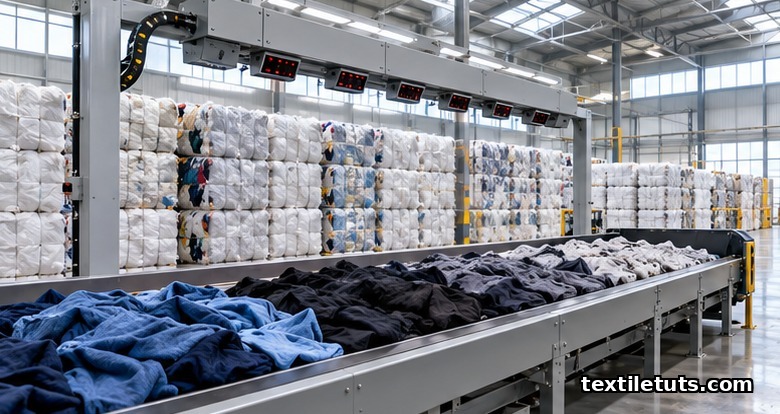
Sustainability
Textile Recycling Technologies
Less than 1% of the roughly 100 billion garments produced globally each year are recycled...
Read article →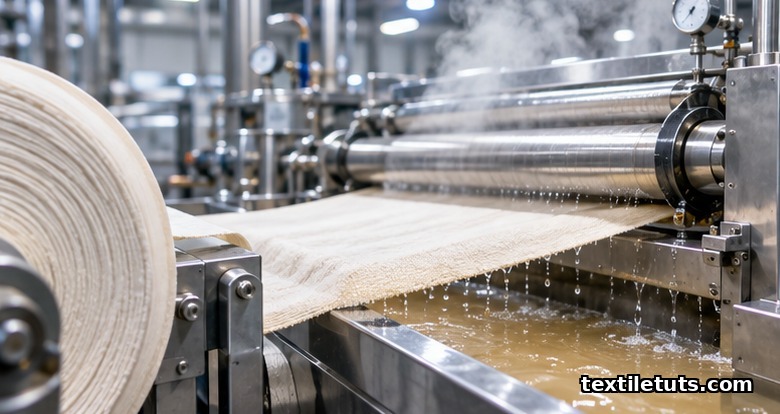
Sustainability
Bio-Desizing
Less than 1% of the roughly 100 billion garments produced globally each year are recycled...
Read article →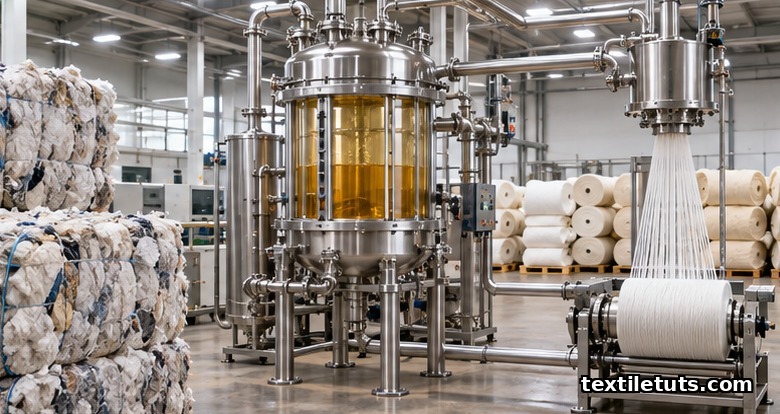
Sustainability
Closed-Loop Textile Manufacturing
Less than 1% of the roughly 100 billion garments produced globally each year are recycled...
Read article →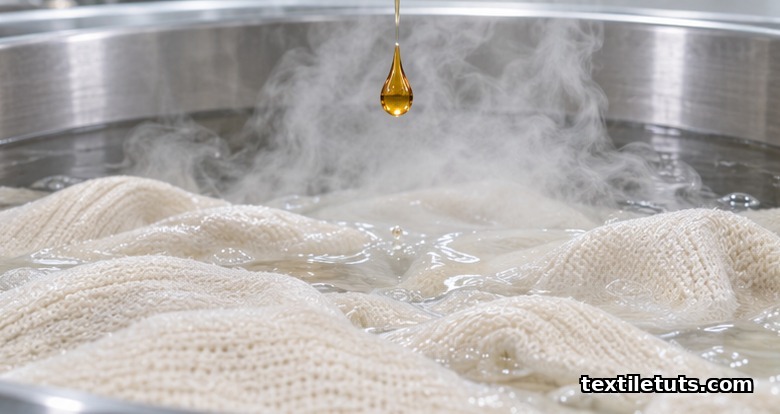
Sustainability
Bio-Polishing: Enzyme-Based Finishing
Less than 1% of the roughly 100 billion garments produced globally each year are recycled...
Read article →
02
More from this category
More specific processes, techniques, and topic deep-dives.
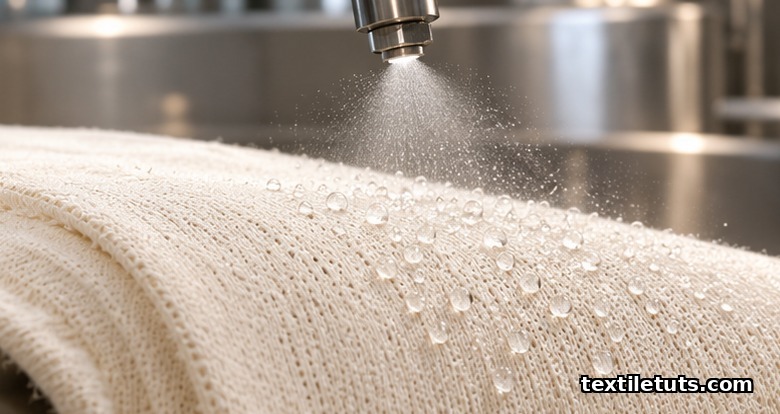
Sustainability
Bio-Polishing: Enzyme-Based Finishing
Less than 1% of the roughly 100 billion garments produced globally each year are recycled...
Read article →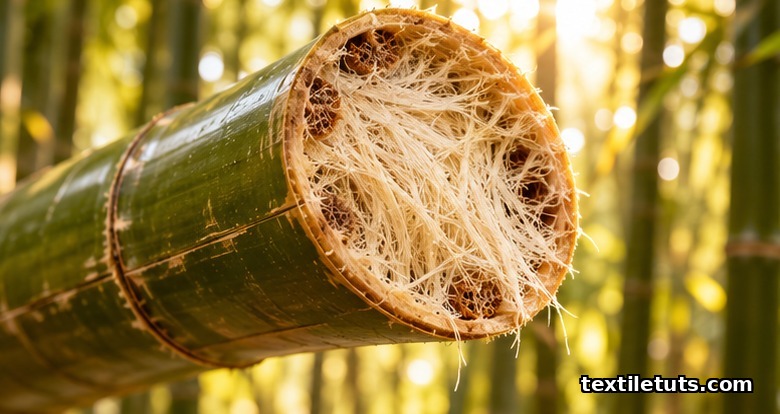
Sustainability
Biodegradable Fabrics: Bamboo
Less than 1% of the roughly 100 billion garments produced globally each year are recycled...
Read article →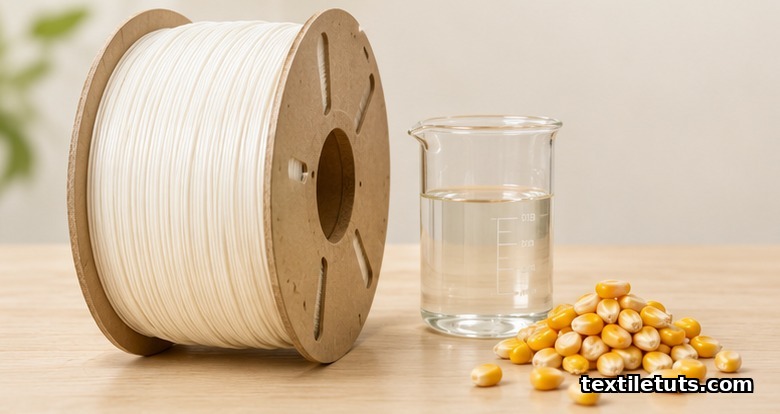
Sustainability
Biodegradable Fabrics: PLA
Less than 1% of the roughly 100 billion garments produced globally each year are recycled...
Read article →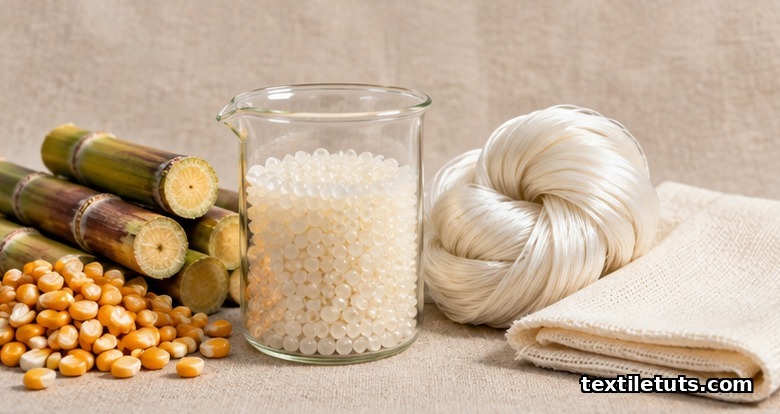
Sustainability
Biodegradable Fabrics: PLA
Less than 1% of the roughly 100 billion garments produced globally each year are recycled...
Read article →
Sustainability
Chemical Textile Recycling
Less than 1% of the roughly 100 billion garments produced globally each year are recycled...
Read article →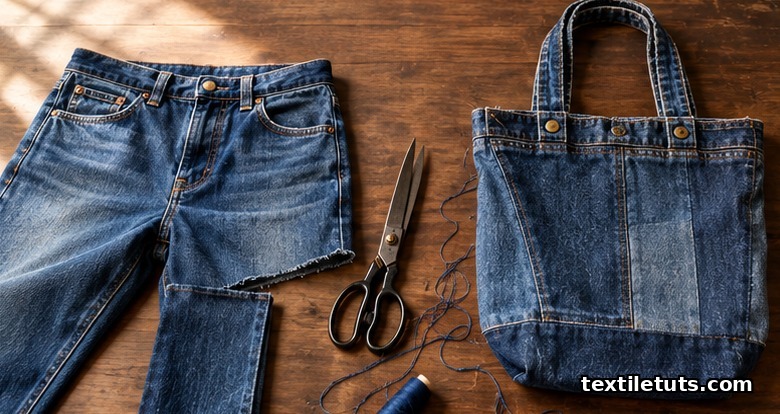
Sustainability
Upcycling in Textiles
Less than 1% of the roughly 100 billion garments produced globally each year are recycled...
Read article →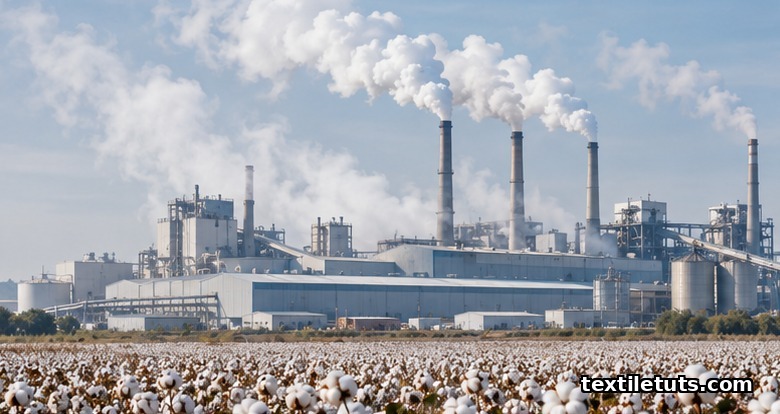
Sustainability
Carbon Footprint of Textile Manufacturing
Less than 1% of the roughly 100 billion garments produced globally each year are recycled...
Read article →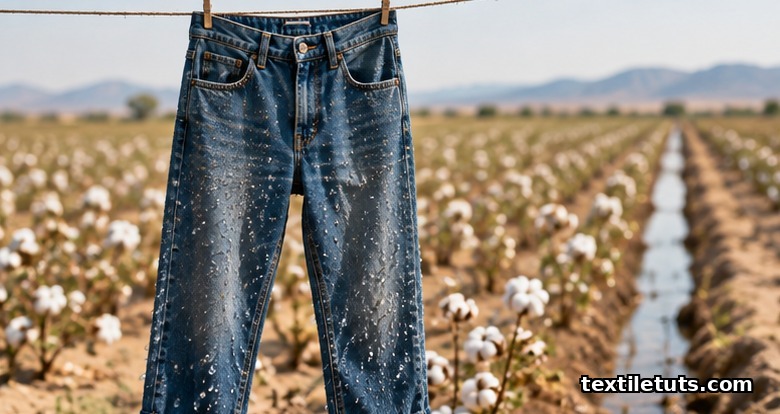
Sustainability
Water Footprint of Textile Industry
Less than 1% of the roughly 100 billion garments produced globally each year are recycled...
Read article →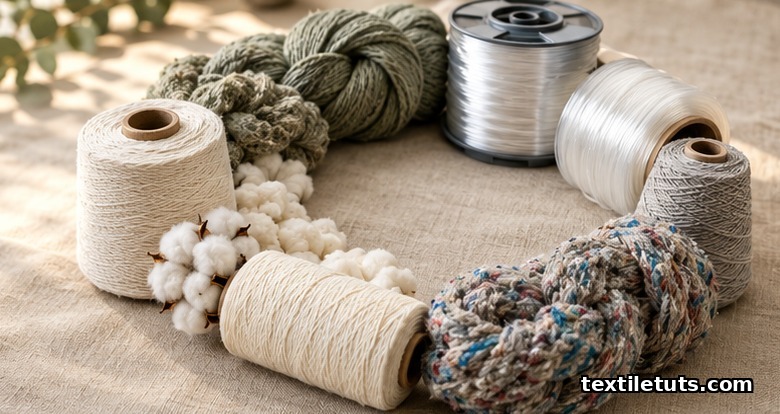
Sustainability
Cradle to Cradle Certified Textiles
Cradle to Cradle Certified® textiles must score at least 28 of 100 points across five...
Read article →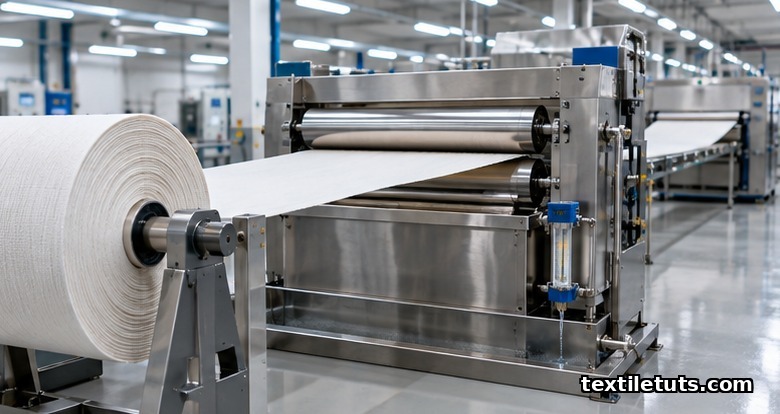
Sustainability
Low-Water Finishing Processes
Low-water finishing processes can cut textile water consumption from the conventional 100–150 L per kg...
Read article →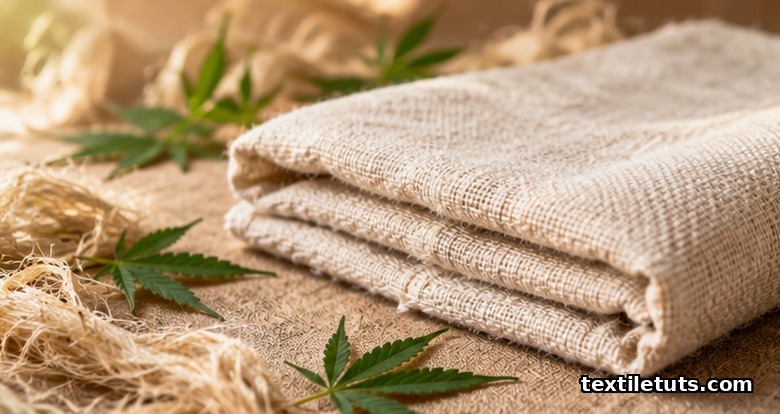
Sustainability
Biodegradable Fabrics: Hemp
Hemp fabric is 100% biodegradable and decomposes in soil within 2–6 weeks under industrial composting...
Read article →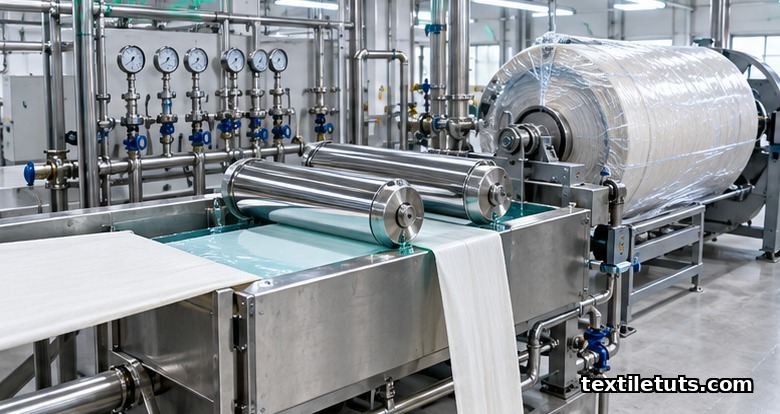
Sustainability
Cold Pad Batch Dyeing
Cold pad batch dyeing (CPB) fixes 80 to 95 percent of reactive dye on cellulosic...
Read article →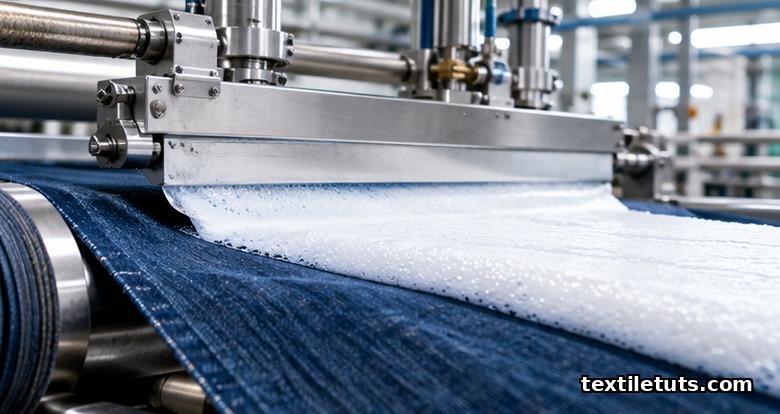
Sustainability
Foam Dyeing Technology
Foam dyeing technology applies dye liquor as a stabilized foam with a blow ratio of...
Read article →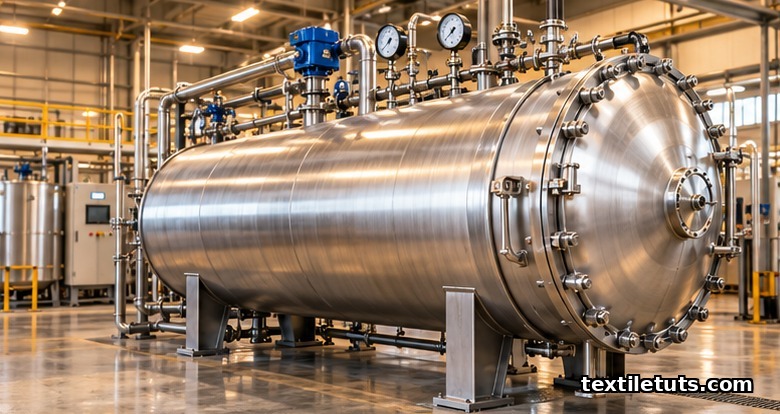
Sustainability
Waterless Dyeing: Air Dye Technology
Air Dye technology dyes polyester and other synthetic fibers in supercritical carbon dioxide (CO2 held...
Read article →
04
Frequently asked questions
What is the most sustainable fiber?
No single winner. Organic cotton (lowest water + pesticide), recycled polyester (lowest carbon), lyocell (lowest water + chemical). Best choice depends on application and supply chain.
What is GOTS certification?
Global Organic Textile Standard. Covers the entire supply chain from field to finished product. Requires >= 70% organic fiber. Restricts toxic chemicals. Requires fair labor.
How much more expensive is sustainable textile?
Depends. Recycled cotton costs 30-80% more than virgin. rPET costs 15-30% more. Organic cotton costs 20-50% more. Premium applications can absorb 20-100% premium at retail.
Is bamboo fabric sustainable?
Most bamboo fabric is bamboo viscose - chemically intensive, similar to conventional viscose. Mechanically-processed bamboo is genuinely sustainable but has limited supply.
What is rPET?
Recycled polyethylene terephthalate. Made from post-consumer plastic bottles or pre-consumer industrial waste. 30-50% lower carbon footprint than virgin PET.
Can't find what you're looking for?
The team replies to every email. Send us your question or a sample spec and we'll route it to the right specialist.