
CATEGORY HUB · 5 ARTICLES
Experiment
Textile lab experiments for students
Standard textile engineering lab experiments: yarn count, GSM, colorfastness, tensile testing. The experiments taught in textile engineering programs worldwide.
01
Essential reading
Start here. The most important articles that explain the category to a textile engineer in one sitting.
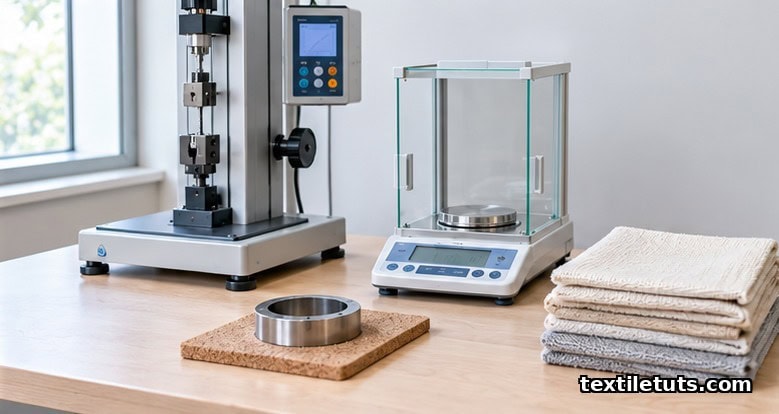
Experiment
Textile Engineering Lab Experiments: A Complete Guide
A textile engineering lab quantifies fiber, yarn, and fabric performance against published standards such as...
Read article →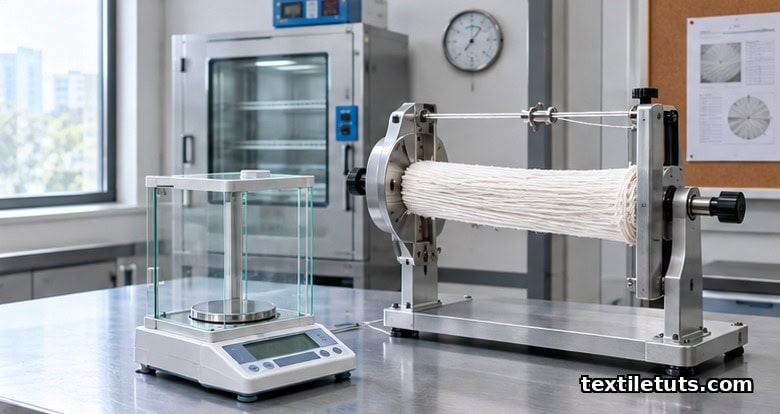
Experiment
Yarn Count Determination Experiment (ASTM D1907)
A textile engineering lab quantifies fiber, yarn, and fabric performance against published standards such as...
Read article →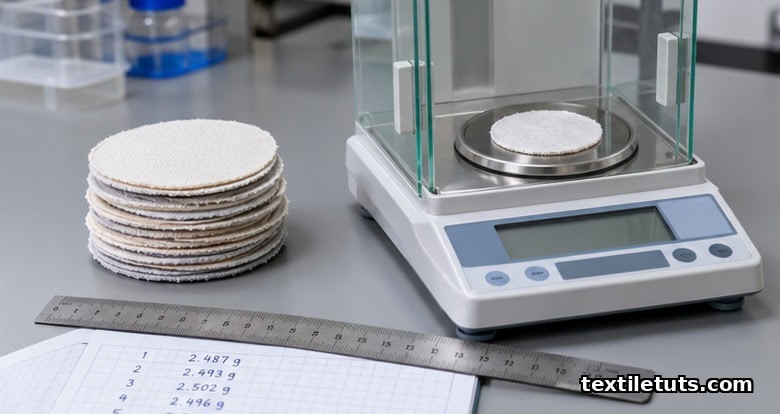
Experiment
Fabric GSM Measurement Experiment
A textile engineering lab quantifies fiber, yarn, and fabric performance against published standards such as...
Read article →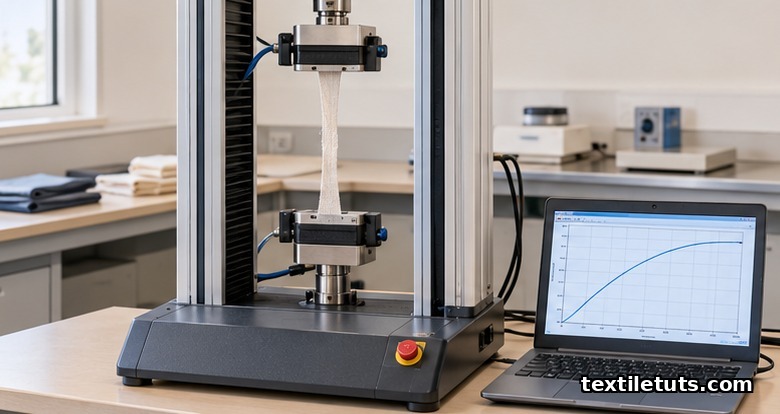
Experiment
Tensile Strength Testing Experiment
A textile engineering lab quantifies fiber, yarn, and fabric performance against published standards such as...
Read article →
02
More from this category
More specific processes, techniques, and topic deep-dives.
No recent articles.
04
Frequently asked questions
What is the GSM test?
Cut a 100 cm2 fabric swatch with a round cutter, weigh on a precision balance, multiply by 100. Result: GSM (g/m2). Per ISO 3801 for woven, ISO 4664 for knit. Standard for fabric weight comparison.
How is yarn count tested?
For cotton: weigh a known length of yarn (Ne). For synthetics: weigh 1000m (Tex). Per ISO 2060 (yarn from packages). Modern testers like Uster Tester 5 automate the process.
How is tensile strength tested?
Per ISO 13934-1 (strip method) or ISO 13934-2 (grab method). Clamp fabric in tensile tester jaws, apply increasing force until rupture. Result in newtons (N) or cN/tex.
How is colorfastness to washing tested?
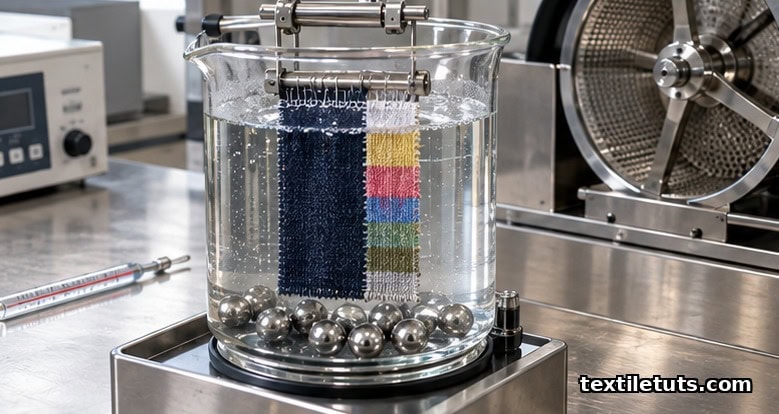
Per ISO 105-C06. Sew a multi-fiber strip to the test fabric, wash under specified conditions (40C, 60C, or 95C with or without perborate). Rate color change and transfer on a 1-5 gray scale.
What is the purpose of textile lab experiments?
To develop practical skills, understand material behavior, validate quality, and prepare for industry. Lab work is essential for textile engineering education and research.
Can't find what you're looking for?
The team replies to every email. Send us your question or a sample spec and we'll route it to the right specialist.