
Can You Dye Ivory Fabric to White and White to Ivory

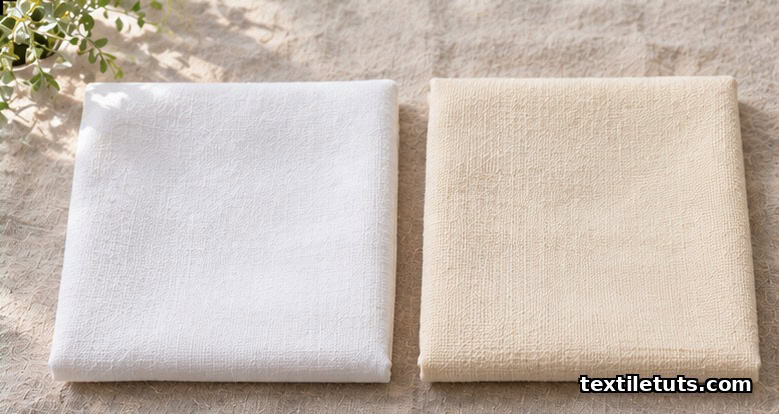
When we consider the world of fabrics, a common question occurs about color adjustments. More precisely, can you dye ivory fabric to white and white to ivory?
You can dye white fabric to ivory using specific fabric dyes but dyeing ivory fabric to white is almost impossible. The reason is dyes can add color to fabric but can’t remove or lighten existing color.
If you still want more information, stick with us. We will discuss why this color conversion is one-sided and some potential solutions if you’re trying to achieve a lighter shade from an ivory fabric.
Understanding Fabric and Color
Understanding the nature of fabric and color is fundamental when deciding to dye or change the colors of various materials. Especially when it comes to colors as close and confusing as ivory and white. This piece will help you understand the difference between these colors and fabrics better and guide you on how to go about the trying to dye from one to the other.
A Deep Look into Ivory and White: Twins or Strangers?
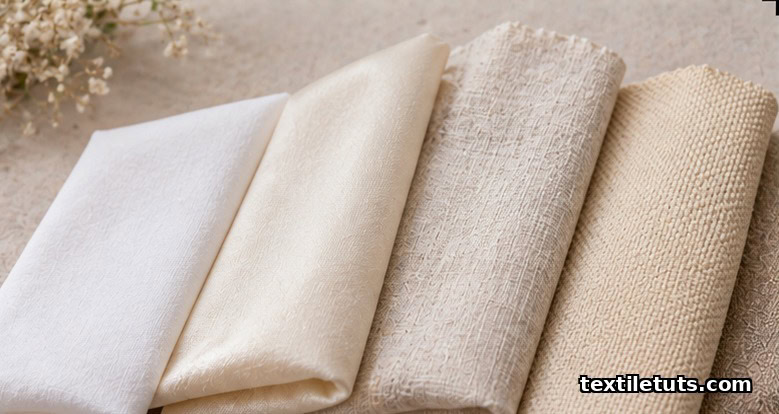
White and ivory seem quite similar, yet when held up separately or side by side, their differences become quite apparent. White is a pure, brilliant color that reflects light and tends to blend with other colors around it. Ivory, on the other hand, has a subtle yellow or cream hue, commonly described as the color of an elephant’s tusk. This difference may seem minuscule, but it can have a significant impact on the color outcome when dyeing fabrics.
So, can you dye ivory fabric to white? Technically yes, but it may not be as straightforward as it seems. Firstly, it will depend on the type of fabric. Some fabrics hold dye better than others and unfortunately some ivory fabrics, may not perfectly achieve the desired white as the existing ivory shade might still somewhat show through. Secondly, ivory being a darker shade may be harder to dye perfectly into a lighter white. Conversely dyeing white fabric to ivory should be easier due to the higher ability of white to take on dyes.
Untangling Fabric Types: How Material Makes the Color
The fabric type plays a critical role in the color outcome when dyeing. Some fabrics hold dye better while others don’t. The results will also vary depending on if the fabric is synthetic or natural. Natural fabrics such as cotton, silk, and wool are easier to dye as they tend to absorb dye more efficiently than synthetic fabrics like polyester, nylon and acrylic.
Each fabric has a different degree of colorfastness (resistance to color loss). For instance, polyester is highly colorfast, which makes it resistant to color change. On the other hand, cotton is less colorfast, allowing it to absorb dye more efficiently. Here’s a table outlining how different fabric types behave with dyes:
| Fabric Type | Colorfastness |
|---|---|
| Polyester | High |
| Cotton | Medium |
| Silk | Low |
| Wool | Low |
Ultimately, the challenge of transitioning from white to ivory, or vice versa, isn’t impossible, but it’s quite complex. It will require a lot of trial and error, careful consideration of the fabric type, and a keen understanding of the interaction between the dyeing process and color change.
Color Transformations: From Ivory to White
Changing the color of your fabric can be a fun and cost-effective way to transform your items, be it clothing, curtains, or upholstery. This guide focuses on how to dye ivory fabrics to white, allowing you to refresh your materials without having to buy new ones.
The Insider’s Guide to Fabric Dyes: Tools You Need
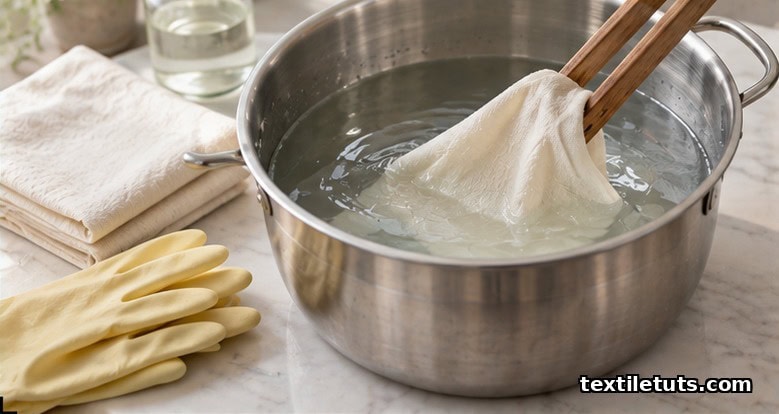
When it comes to dyeing fabrics, having the right tools on hand is essential. Here are some items you’ll need:
- A large stainless-steel pot: The material will not react with the dye, ensuring the best results.
- A fabric dye suitable for your material: Some dyes work best on natural fibers like cotton, while others are designed for synthetic materials.
- Fixative or dye fixer: This product helps the dye adhere to the fabric and improves the durability of the color.
- Protective items like gloves and aprons: Dyeing can be a messy process, and these items help protect you and your clothes.
- A stirrer: To keep the dye evenly dispersed in the water.
Choosing Your Dye: A Guide to Color Strips
Finding the right dye is crucial for success. Remember, you’re looking to change an ivory fabric to white, a lighter color. It is therefore recommended to opt for a color remover or bleach before dyeing process. Always keep in mind that the original color of your fabric will influence the final outcome.
Step-by-Step: The Process of Dyeing Ivory Fabric to White
- Wash the fabric to remove any oils or dirt.
- Prepare your dye solution by following the instructions on the dye packaging.
- Submerge the fabric in the solution and stir continuously for even dyeing.
- After the recommended time, rinse the fabric thoroughly in warm water until the water runs clear.
- Submerge the fabric in a fixative solution and leave for the specified time.
- Hang the fabric to dry naturally.
Mishaps to Avoid: Common Dyeing Mistakes
While dyeing fabrics is a relatively straightforward process, there are common mistakes to avoid. Over-dyeing or leaving your fabric in the dye solution for too long can result in a color much darker than anticipated. Make sure to stick to the recommended times. Not using a fixative can lead to the dye washing out and the color fading quickly. Always use a fixative or dye fixer to seal the color in. Finally, uneven dyeing can occur if the fabric is not moved around in the pot while it’s soaking in the dye, so remember to keep stirring.
Changing Hues: From White to Ivory
When it comes to dyeing fabrics, shades of white and ivory present their unique set of challenges and rewards. You may have a white piece that you desire to deepen to a warm ivory, or perhaps you have an ivory item you’d like to brighten to a crisp, clean white. In both scenarios, knowing the correct steps to take can make all the difference.
The Color Cabinet: Selecting the Perfect Ivory Dye
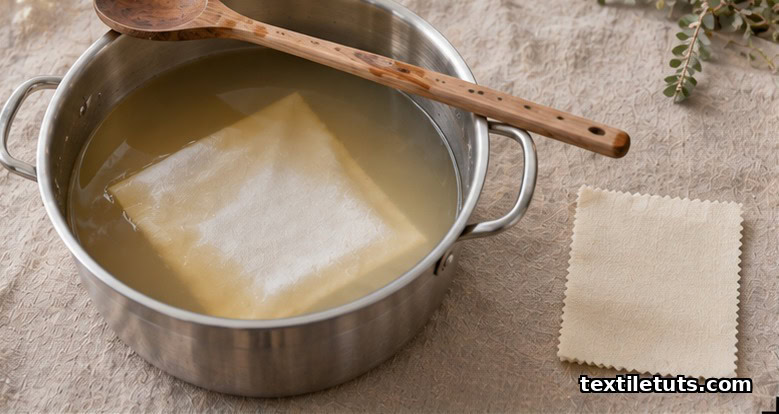
Shades of ivory can range from a faint hint of yellow to a deep, creamy hue. It’s vital to select a dye that will result in your desired shade. Many fabric dye manufacturers provide color charts you could use; Rit’s dye, for example, showcases an impressive selection of colors you can achieve with their products.
Before you rush out and purchase the first ivory dye you see, consider the type of fabric you’re dealing with. Cotton, silk, wool, and synthetic materials may not produce the same effect with the same dye.
Remember to always read the package instructions. They should indicate what types of fabrics the dye is suitable for and what kind of results to expect.
Step-by-Step: The Journey to Ivory from White
The transition from white to ivory can be subtle however, the difference is noticeable. Below is a guide to help you in your endeavor:
- Prepare the fabric for dyeing by washing it to remove any dirt or finishing agents.
- Dissolve the dye in hot water (quantity as recommended by the product)
- Submerge your fabric in the dye bath until it is entirely saturated.
- Stir gently and consistently to promote even coverage.
- The fabric being dyed should be in the dye bath for at least 30 minutes, but for deeper shades, you could leave it longer. Monitor the color closely.
- Once satisfied with the color, rinse the fabric under cold water until the water runs clear.
- Finally, wash and dry your dyed fabric per the dye producer’s instructions.
Tips and Tricks: Expert Advice on Dyeing Fabric
Successful fabric dyeing is as much an art as it is a science. Here are a few expert tips to get you started:
- Test first: Always perform a color test on a small, inconspicuous patch before dyeing the entire piece.
- Stir scenes: Constant, gentle agitation of the fabric while in the dye bath will result in more even color distribution.
- Patient process: Dyeing is not a quick process – it requires patience. Rushing or taking shortcuts could impact the color and the finish of the fabric.
With these steps and tips in mind, you’re prepared to take on the adventure of dyeing fabric from white to ivory, or from ivory to white. Remember, the key is patience and attention to detail – happy dyeing!
Fabric Care: Maintaining Your Newly Dyed Materials
Once you’ve successfully managed to dye your ivory fabric to white or your white fabric to ivory, it’s vital to know how to maintain the new color and keep the material looking its best. Fabric care plays a vital role in determining how long that dye will last, and it’s not just about tossing your stuff in the washing machine and hoping for the best. Let’s explore different ways to effectively clean and store your newly dyed materials.
Cleaning and Storing: Keep That Dyed Fabric Looking Fresh
Different fabrics have different cleaning and storing requirements, thus having a basic understanding of them can go a long way in enhancing the lifespan of your dyed fabric.
Generally, you should clean your dyed fabric with cold water, as hot water can cause the dye to bleed. For the first wash, it’s best to separate your dyed fabric from other clothes to avoid color transfer. You can also add a cup of salt or vinegar to the wash to help set the dye even further.
When it comes to drying, ensure to air dry your fabric as much as possible. Air drying not only reduces the chances of the dye bleeding but also prolongs the fabric’s lifespan.
Lastly, ensure proper storage. Ideally, keep your dyed fabric out of direct sunlight, as the UV rays can cause fading over time. Store your dyed pieces in a cool, dark place and be cautious of what you store next to them. Color transfer is not only potential while washing.
Natural vs Chemical Dyes: Different Cares
The care routine for your dyed fabric also highly depends on the type of dye used. Natural dyes require more gentle care compared to chemical ones.
Chemically dyed fabrics are more resistant to fading and thus can withstand a machine wash, although using a delicate cycle and cold water is recommended. For naturally dyed fabrics, hand washing in cold water with a mild detergent is the way to go.
Moreover, the option to dry clean should still be considered, more so for fabrics dyed with natural substances. Always check the care instructions on the fabric or consult with your dry cleaner for advice tailored to your specific piece and dye.
Remember, proper fabric care will keep your dyed clothes looking vibrant and fresh for an extended period!
Behind the Schemes: Why Color Matters
Colors are not just about aesthetics; they possess psychological implications that can influence our moods and feelings. The psychology of color is a crucial consideration when selecting fabrics for home décor, clothing, or accessories. The subtle shifts in shades can produce substantial differences in our responses and perceptions. This article explores the intricacies of altering the color of your fabric from ivory to white or vice versa, and how it can impact your home décor and mood.
The Impact of Color: Changing Your Fabric, Changing Your Mood
Color psychology suggests that our brains respond to different colors in different ways, thereby inflicting various emotions and feelings. This phenomenon comes into play especially while choosing fabrics for home décoration or clothing. The subtle shift from white to ivory or vice versa can remarkably transform the vibe of a room or your attire, introducing a fresh perspective.
White symbolizes purity and innocence, projecting a sense of freshness and cleanliness. On the other hand, ivory emits warmth and softness, radiating a vintage charm. Converting white fabric to ivory or vice versa can help you manipulate your home environment or outfit style to complement your mood, occasion, or personal preferences. Let’s take a more detailed look at how these colors compare in a home décor setting.
Ivory vs White in Home Décor: A Comparative Study
When it comes to home décor, both ivory and white have their unique charm and appeal. They introduce different moods and effects, enhancing the beauty of a space in their unique ways. Let’s dive into some comparisons between the two:
| White | Ivory | |
|---|---|---|
| Visual Impact | Offers a fresh, clean, modern, and minimalist look | Creates a warm, cozy, and classic atmosphere |
| Mood Enhancement | Energizing, helps stimulate the mind, and encourages creativity | Invites relaxation, provides comfort, and promotes calm feelings |
| Space Perception | Creates an illusion of more space, making rooms appear larger | Adds richness and depth, gives a more intimate feel to a space |
Furthermore, it’s worth noting that while white fabric can easily be dyed to ivory with the right methods and tools, converting ivory fabric to white could be more challenging. White dyes do exist, but the base color of ivory might still impact the final outcome. Therefore, the dyeing process may require bleaching the fabric first to lighten the ivory color, then applying the white dye to achieve a true white hue.


