
Discharge Dyeing: Removing Color to Create Patterns on Fabric

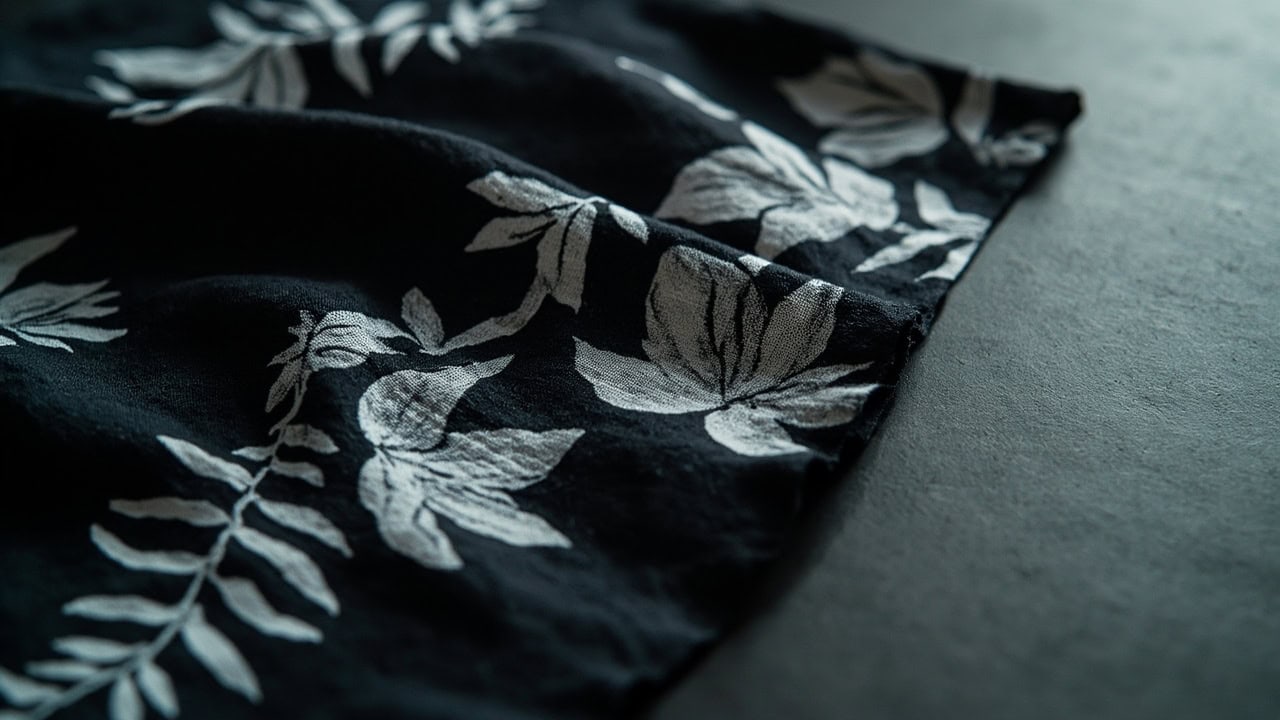
Discharge dyeing is a resist technique that removes color from already-dyed fabric using chemical reducing agents, creating white or lighter patterns against the original dye — the opposite of conventional dyeing which adds color. The two main discharge agents are sodium hydrosulfite (for natural fibers) and zinc formaldehyde sulfoxylate (for cellulose and blends), each activated at temperatures between 60–80°C for 20–45 minutes of immersion time.
Unlike conventional dyeing, which relies on dye molecules bonding to fibers, discharge dyeing works by breaking the chemical bonds that hold dye to the fiber substrate. The reducing agents donate electrons to the dye molecules, causing them to become colorless and release from the fabric. This makes discharge dyeing a subtractitive process — you begin with a dyed fabric and selectively remove color rather than adding it.
The technique produces two primary outcomes depending on the depth of reduction: complete discharge yields white areas where the original dye is fully broken down, while partial discharge produces lighter tones that create a subtle tonal contrast. Both results depend on four key factors: the original dye type, the discharge agent used, the fabric fiber composition, and the immersion or contact time.
What Is Discharge Dyeing and What Results Does It Create?
Discharge dyeing is a subtractitive color removal process — the inverse of conventional dyeing. Rather than introducing new color molecules into fiber, it breaks down existing dye molecules already present in the fabric. The result is a white or lightened pattern appearing against the original dyed ground.
The technique works best when reducing dark or saturated colors down to lighter shades. Deep navy, black, burgundy, and forest green fabrics discharge particularly well because their high dye concentration provides a strong visual contrast once reduced. Pale or pastel fabrics offer less dramatic results since there is less color to remove.
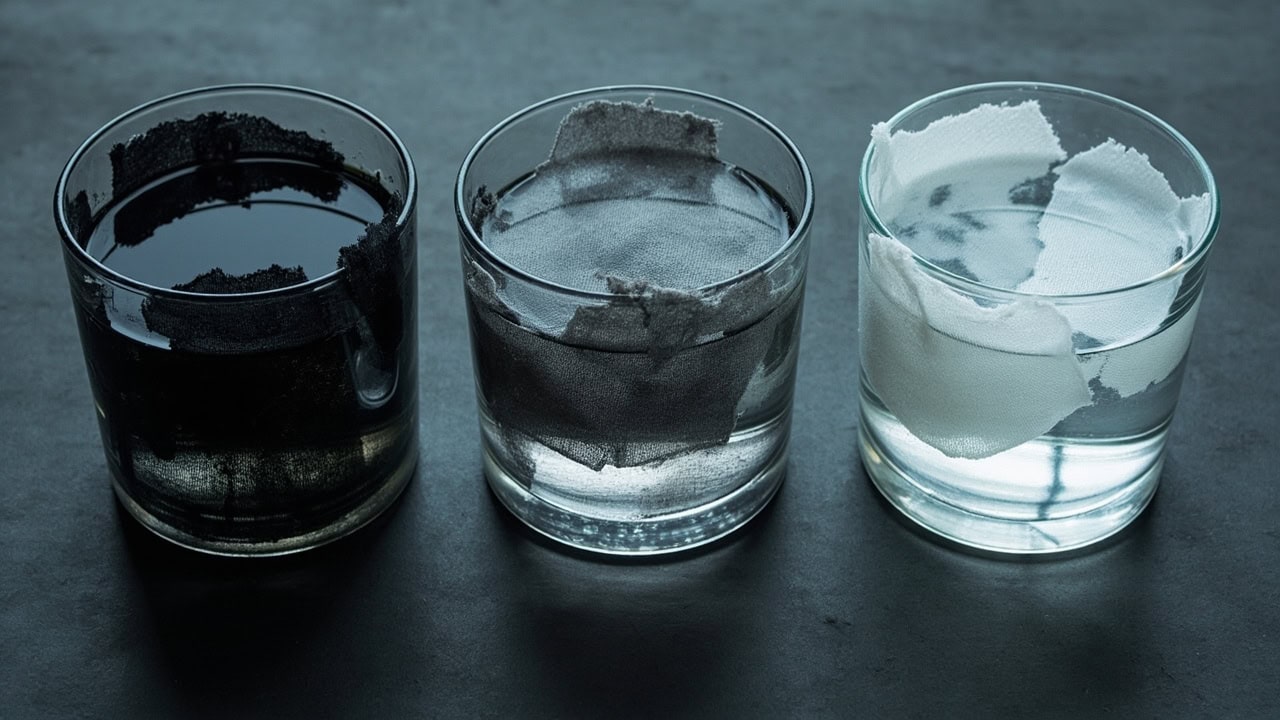
Two distinct outcomes are possible with discharge dyeing. Complete discharge occurs when the reducing agent fully breaks down the dye molecules, leaving pure white fabric. Partial discharge happens when reduction is stopped short or the dye is only partially reducible, yielding lightened tones — a heathered grey from black, or a pale sky blue from royal blue. The pattern sharpness differs significantly between the two primary application methods: immersion discharge produces softer, more variable edges, while discharge paste screen printing creates sharp, crisp lines with minimal bleed.
Vat dyes and sulfur dyes discharge particularly well because their color is held in the fiber by reduction — the same chemical mechanism that makes them colorfast also makes them vulnerable to further reduction. Fiber-reactive dyes and direct dyes are also amenable to discharge, though results vary by specific dye chemistry. Disperse dyes used on polyester, however, are largely discharge-resistant and cannot be effectively removed using conventional reducing agents.
Materials and Equipment Needed
Before beginning any discharge dyeing project, gather all materials and don appropriate protective equipment. Reducing agents are reactive chemicals that require careful handling.
- Discharge agents: sodium hydrosulfite or zinc formaldehyde sulfoxylate (zinc hydrosulfite)
- Thickener: print paste or sodium alginate for paste application
- Alkali: soda ash (sodium carbonate) to activate the discharge reaction
- Protective equipment: rubber gloves, safety goggles, respirator mask
- Heat source: stovetop or hot batch kettle for immersion method
- Containers: plastic buckets, stirring rods, measuring cups
- Monitoring tools: timer and thermometer
- Application supplies: plastic sheeting or garbage bags for wrapping (paste method)
- Test fabric: clean cotton cloth or paper for testing swatches
Sodium hydrosulfite (Na₂S₂O₄) is available from textile supply companies and some craft stores. It is the stronger of the two primary discharge agents and works rapidly on natural fibers. Zinc formaldehyde sulfoxylate (Zn(HMSO₃)₂) is slower-acting but more stable in paste form, making it the preferred choice for screen printing discharge designs. Both chemicals should be stored in a cool, dry place and used within their shelf life for optimal activity.
Step-by-Step: Immersion Discharge Dyeing Method
The immersion method submerges the entire fabric piece in a discharge bath. It is the most straightforward approach and produces even, allover color reduction — ideal for ombre effects, dip-dye results, or preparing fabric for further patterning.
- Prepare the fabric — Ensure fabric is clean and pre-washed. Wet the fabric slightly before immersion for even penetration.
- Prepare the discharge bath — Mix sodium hydrosulfite at 3–5 g/L with hot water at 60–70°C. Add 2–5 g/L soda ash to activate the reducing reaction. The soda ash maintains alkalinity that keeps the reducing agent active.
- Immerse the fabric — Submerge the fabric completely in the bath. Maintain continuous, vigorous stirring throughout the process to ensure even discharge — areas that rest against the container bottom or against each other will discharge unevenly.
- Monitor the process — Check every 5–10 minutes. Lift a corner to observe the color change. Natural fibers (cotton, linen) typically reach full discharge in 20–30 minutes. Blends and synthetic mixes may require up to 45 minutes and may only achieve partial discharge.
- Rinse thoroughly — Once the desired lightness is reached, remove fabric and rinse in cold water until the effluent runs completely clear. Residual reducing agent left in the fabric will continue to act and cause uneven results.
- Neutralize — For zinc formaldehyde sulfoxylate discharges, rinse with 1–2 g/L hydrogen peroxide solution to prevent re-oxidation of any remaining reducing agents. This step is critical: un-neutralized reducing agents can slowly re-activate and continue lightening the fabric even after it appears finished.
- Wash and dry — Machine wash in cold with mild detergent to remove any remaining chemical residue. Air dry or tumble dry on low heat.
Step-by-Step: Discharge Paste Screen Printing Method
The discharge paste method applies the reducing agent selectively through a screen stencil, creating precise patterns. This is the technique used for commercial discharge printing and produces sharp, detailed designs that are impossible to achieve with immersion.
- Prepare discharge paste — Mix zinc formaldehyde sulfoxylate at 10–15% concentration with print thickener (sodium alginate) and 2–5 g/L soda ash. Stir until completely smooth — any lumps will cause uneven paste application and patchy discharge.
- Prepare screen — Use a flat-screen stencil with your desired pattern. Ensure fabric is taut and flat on the printing surface — any wrinkles or slack areas will cause the paste to shift and blur the design.
- Apply paste — Flood the screen with paste and pull the squeegee in a single firm stroke to push paste through onto the fabric. Consistent pressure and speed are essential for even coverage.
- Cover and rest — Cover the printed fabric with plastic sheeting to prevent air exposure. Allow paste to remain on fabric for 15–30 minutes depending on the depth of the original color. Darker shades require longer contact time.
- Steam set — For stronger, more complete discharge, place fabric in a steamer for 10–15 minutes at 100°C. The steam heat accelerates the reducing reaction and improves discharge depth on stubborn dyes.
- Rinse and wash — Remove paste with a thorough cold water rinse, then machine wash warm with detergent to clear all residual chemicals and thickener.
- Neutralize — Final rinse with 1–2 g/L hydrogen peroxide to stabilize the discharged areas and prevent re-oxidation. This locks the pattern in its lightened state.
Common Mistakes and Troubleshooting
| Problem | Cause | Solution |
|---|---|---|
| Uneven or blotchy discharge | Inconsistent agitation or uneven paste coverage | Maintain steady, continuous stirring during immersion. Apply paste in a single smooth squeegee stroke without stopping. |
| Color re-oxidizes after initial discharge | Incomplete rinsing or premature air exposure before neutralization | Rinse thoroughly until water runs clear. Pass through a hydrogen peroxide neutralizing bath (1–2 g/L) immediately after rinsing. |
| Discharge only partially removes color | Original dye is discharge-resistant (some synthetics), time too short, or concentration too low | Test discharge agent on a fabric swatch first. Use a stronger concentration or longer time. Some dyes (especially disperse dyes on polyester) simply cannot be discharged. |
| Fabric damage or weakening | Excessive heat or chemical concentration | Reduce bath temperature to 60°C. Lower chemical concentration. Prolonged exposure to strong reducing agents at high temperatures degrades fiber cellulose. |
| Pattern edges bleed or lose sharpness | Thickener viscosity too low or fabric not properly supported during application | Use a higher viscosity thickener (sodium alginate grade appropriate for discharge printing). Ensure fabric lies completely flat during paste application. |
The most frequent cause of disappointing discharge results is inadequate pre-testing. Because dye chemistry varies so widely between manufacturers and dye classes, a small swatch test is essential before committing to a full garment or large fabric piece. Test using the same fabric, same original dye (if known), same discharge agent, and same time/temperature parameters you plan to use in production.
Fiber Compatibility: Which Fabrics Can Be Discharge Dyed?
Discharge dyeing does not work equally on all fiber types. The fiber composition determines both the effectiveness of discharge and the risk of fiber damage. Understanding fiber compatibility is essential for predicting results.
- Cotton and linen — Excellent compatibility. Cellulosic fibers respond well to both sodium hydrosulfite and zinc formaldehyde sulfoxylate discharge. Results are reliable and fiber damage is minimal when proper parameters are followed.
- Rayon/viscose — Good compatibility. Discharge behavior is similar to cotton. Rayon may be more sensitive to prolonged moisture and heat, so monitor processing time carefully.
- Wool and silk — Fair compatibility with caution. Protein fibers can be damaged by strong reducing agents. Use the mildest possible discharge formula and limit exposure time. Sodium hydrosulfite at high concentrations will weaken wool fibers and may cause tendering.
- Polyester/cotton blends — Partial discharge possible. The cotton component will discharge, but the polyester component will not — producing a two-tone effect where the polyester fibers retain their original color against the discharged cotton.
- 100% polyester — Generally not suitable for discharge dyeing. Polyester uses disperse dyes that are highly resistant to chemical reduction. Discharge agents have minimal to no effect on polyester dye molecules.
- Acrylic — Not suitable. Basic dyes used on acrylic fibers cannot be discharged with conventional reducing agents. Acrylic will remain completely unaffected by sodium hydrosulfite or zinc formaldehyde sulfoxylate.
Discharge works best on cellulosic fibers — cotton, linen, and rayon — that have been dyed with fiber-reactive dyes, direct dyes, vat dyes, or sulfur dyes. These dye classes are chemically susceptible to reduction. When planning a discharge project, knowing the fiber content and ideally the dye class used on the original fabric dramatically improves outcome predictability.
Frequently Asked Questions
Q: Can you discharge dye at home without special equipment?
A: Yes — immersion discharge can be done in a stovetop pot with basic safety equipment. Use sodium hydrosulfite at 3–5 g/L in water at 60–70°C. Wear gloves, safety goggles, and ensure ventilation. The screen printing paste method requires more precision but can also be done with simple tools — a wooden frame, mesh screen, and squeegee will suffice for basic pattern work.
Q: What is the difference between sodium hydrosulfite and zinc formaldehyde sulfoxylate?
A: Sodium hydrosulfite (Na₂S₂O₄) is the stronger reducing agent — it works faster and produces more complete discharge on natural fibers but degrades quickly in solution and is less effective on synthetic blends. Zinc formaldehyde sulfoxylate (Zn(HMSO₃)₂) is milder, more stable in paste form, and is the preferred agent for screen printing discharge applications. The trade-off is that zinc formaldehyde sulfoxylate contains formaldehyde and requires careful skin contact and inhalation handling.
Q: Why did the discharge only partially remove the color on my fabric?
A: Partial discharge indicates one of three problems: the original dye is discharge-resistant (common with disperse dyes on polyester, basic dyes on acrylic, and some metallized acid dyes), the immersion time was too short for the dye’s reduction kinetics, or the discharge agent concentration was insufficient for the depth of original color. Always test on a fabric swatch before treating the full piece. If the swatch only partially discharges, the fabric is not a good candidate for this technique.
Q: How do you prevent discharged areas from re-oxidizing and returning to their original color?
A: Proper rinsing and neutralization prevent re-oxidation, which is one of the most common causes of discharge failure after initial success. After the discharge process, rinse fabric thoroughly in cold water until the effluent runs clear, then pass through a dilute hydrogen peroxide neutralizing bath at 1–2 g/L. The hydrogen peroxide oxidizes any remaining reducing agent traces, permanently halting the discharge reaction and locking the discharged areas in their lightened state.
References
- Clariant AG. (n.d.). Discharge Agents in Textile Processing. Clariant International Ltd. https://www.clariant.com/en/Business-Units/Industrial-and-Consumer-Specialties/Discharge-Dyeing
- Shore, J. (1998). Colorants and Auxiliaries: Organic Chemistry and Application Properties (Vol. 1). Society of Dyers and Colourists.
- Broadbent, A. D. (2001). Basic Principles of Textile Coloration. Society of Dyers and Colourists.
- Cotton Incorporated. (n.d.). Textile Chemistry: Discharge Dyeing of Cotton. Cotton Incorporated. https://cottonworks.com
- U.S. EPA. (n.d.). Best Pollution Prevention Practices in the Textile Industry. United States Environmental Protection Agency. https://www.epa.gov
- Kartal, S. N., et al. (2004). The effects of wet storage cycles on discharge agent activity and fabric properties. Journal of Textile and Apparel, Technology and Management, 4(2), 1–8.
- AATCC. (2020). AATCC Technical Manual. American Association of Textile Chemists and Colorists.


