
CATEGORY HUB · 43 ARTICLES
Garment Construction
Pattern, seam, hem, and assembly
From flat fabric to 3D garment: pattern making, seam types, hem finishes, fasteners, and assembly sequences. The engineering of how a T-shirt, jean, or jacket is actually built.
01
Essential reading
Start here. The most important articles that explain the category to a textile engineer in one sitting.
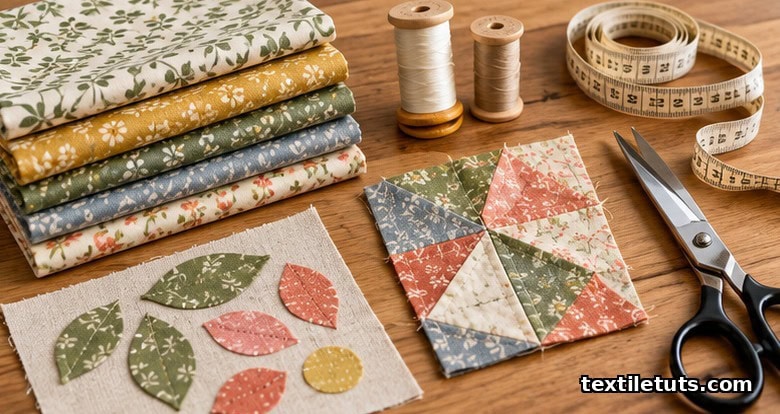
Garment Construction
Appliqué and Patchwork
Appliqué attaches fabric shapes to a base textile using a stitch length of 2.0 to...
Read article →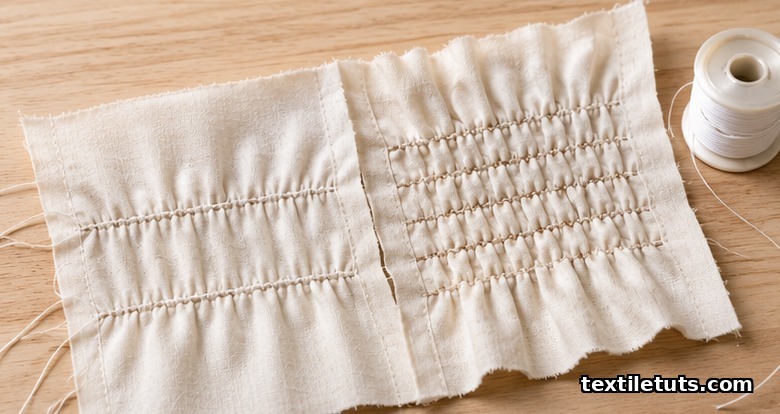
Garment Construction
Gathering and Shirring
Appliqué attaches fabric shapes to a base textile using a stitch length of 2.0 to...
Read article →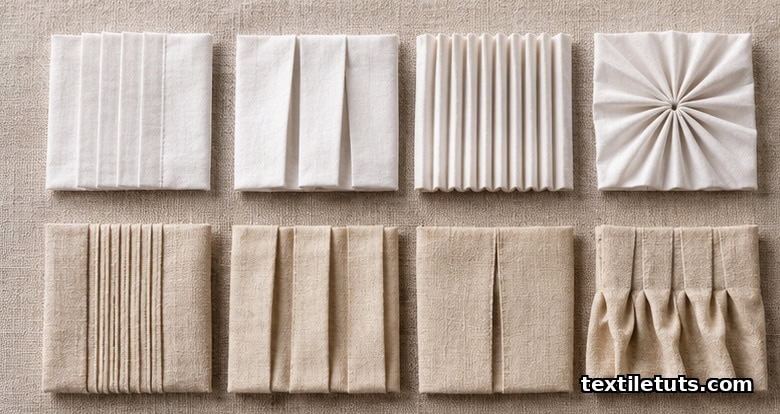
Garment Construction
Pleats and Tucks
Appliqué attaches fabric shapes to a base textile using a stitch length of 2.0 to...
Read article →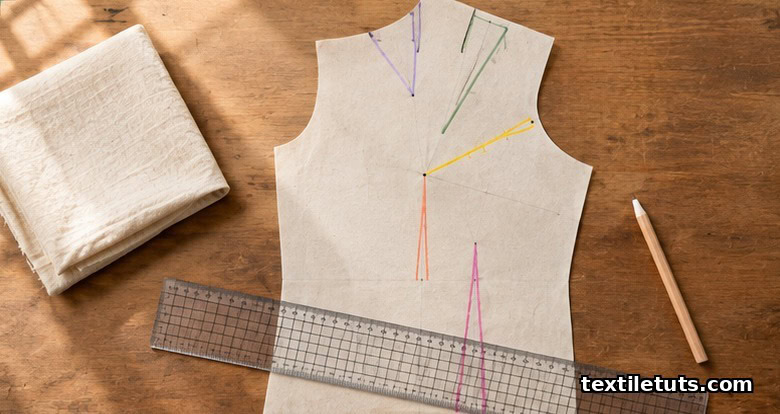
Garment Construction
Dart Manipulation
Appliqué attaches fabric shapes to a base textile using a stitch length of 2.0 to...
Read article →
02
More from this category
More specific processes, techniques, and topic deep-dives.
Garment Construction
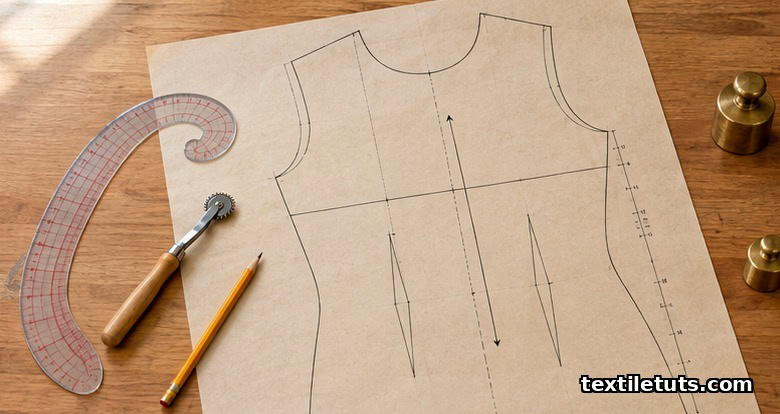
Empire Waist Construction
Appliqué attaches fabric shapes to a base textile using a stitch length of 2.0 to...
Read article →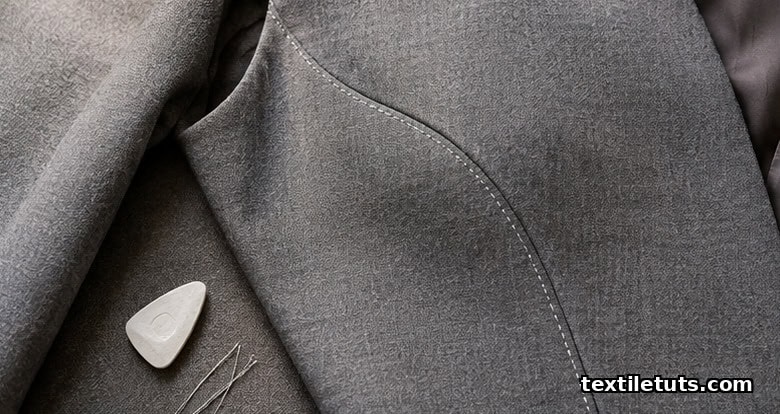
Garment Construction
Princess Seams
Appliqué attaches fabric shapes to a base textile using a stitch length of 2.0 to...
Read article →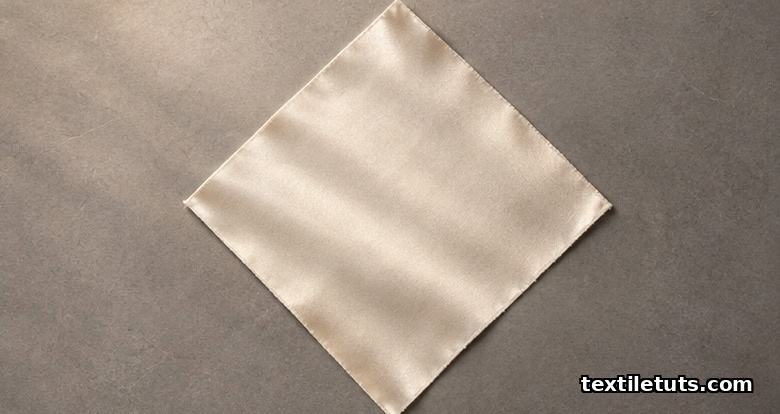
Garment Construction
Bias Cut Construction
Appliqué attaches fabric shapes to a base textile using a stitch length of 2.0 to...
Read article →
Garment Construction
A-Line Silhouette Construction
Appliqué attaches fabric shapes to a base textile using a stitch length of 2.0 to...
Read article →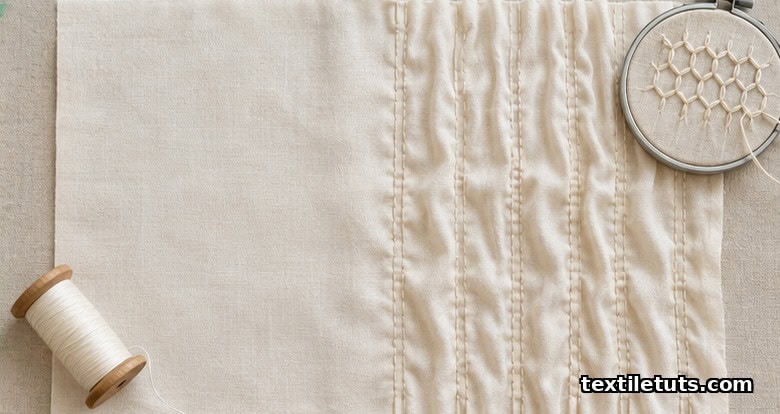
Garment Construction
Ruching and Smocking
Appliqué attaches fabric shapes to a base textile using a stitch length of 2.0 to...
Read article →
Garment Construction
Drape Construction: Cowl, Waterfall
Appliqué attaches fabric shapes to a base textile using a stitch length of 2.0 to...
Read article →
Garment Construction
Quilting Techniques
Appliqué attaches fabric shapes to a base textile using a stitch length of 2.0 to...
Read article →
Garment Construction
Garment Sizing Standards
Appliqué attaches fabric shapes to a base textile using a stitch length of 2.0 to...
Read article →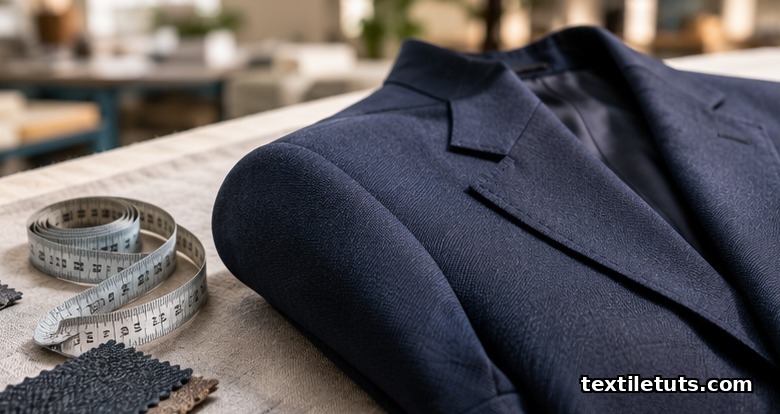
Garment Construction
Shoulder Pad Construction
A standard canvas shoulder pad adds 8 to 12 mm of vertical lift at the...
Read article →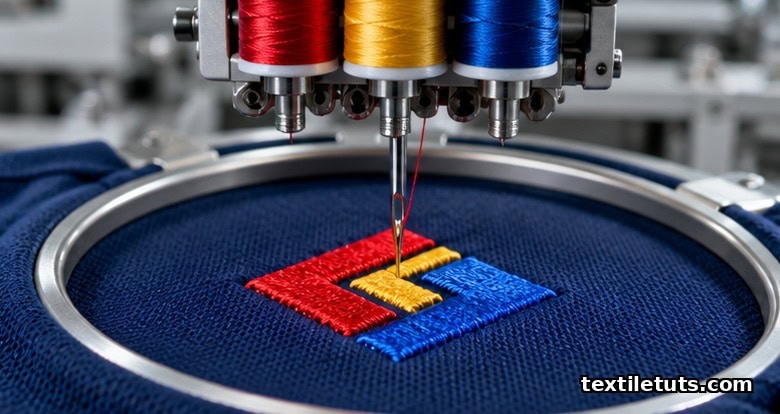
Garment Construction
Embroidery Construction
Embroidery construction at industrial scale relies on a 40-weight polyester embroidery thread that delivers a...
Read article →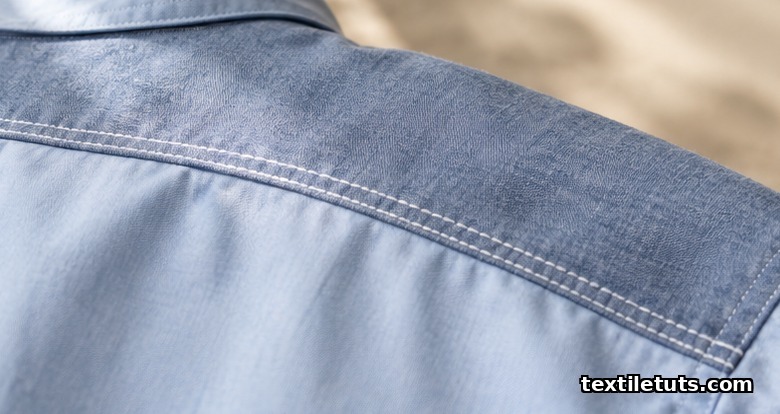
Garment Construction
Yoke Construction
A yoke is a shaped, often curved pattern piece positioned at the shoulder, upper chest,...
Read article →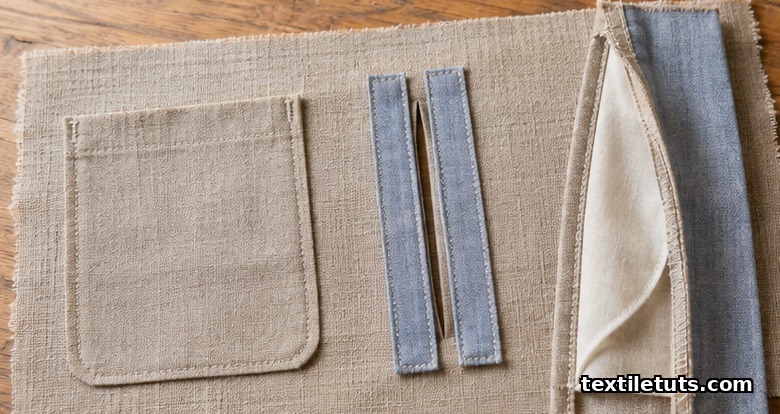
Garment Construction
Pocket Construction: Patch, Welt, Inseam
A patch pocket is a separate fabric pouch sewn onto the outside of a garment...
Read article →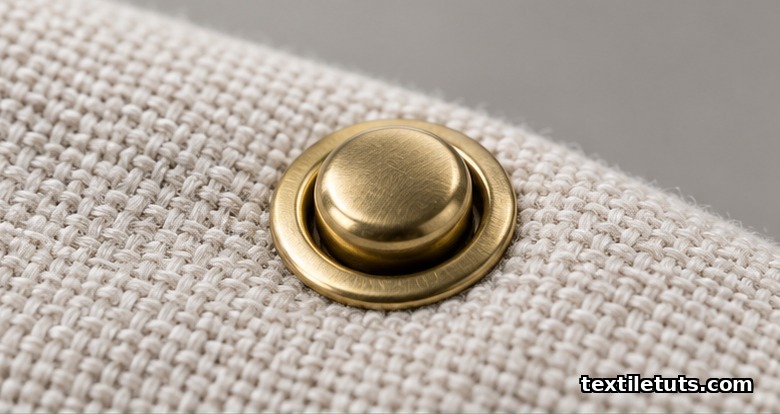
Garment Construction
Snap and Hook Installation
A snap fastener is a four-part mechanical closure (cap, stud/socket, post, and eye) that engages...
Read article →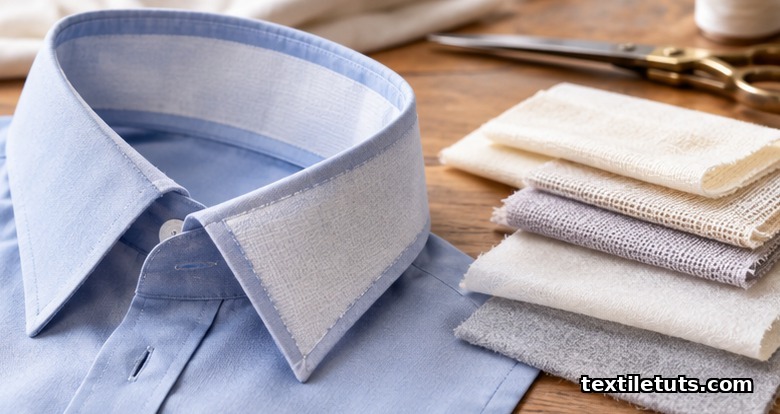
Garment Construction
Interfacing Types and Application
Interfacing is a hidden support layer, typically 30 to 120 GSM, fused or sewn between...
Read article →
04
Frequently asked questions
What is the most common seam type?
Superimposed seam (ISO 1.01.xx), used in roughly 80% of garment construction. The lockstitch (ISO 301) is the most common stitch type, used in 80% of sewn seams.
What is seam allowance?
The width of fabric between the seam line and the cut edge. Standard allowances: 10 mm (0.4 in) for woven shirts, 7-10 mm for knits, 5-7 mm for activewear.
What is the difference between lockstitch and chainstitch?
Lockstitch (301) uses two threads (top + bobbin) interlocked in the middle. Strong, fast, but not stretchy. Chainstitch (401) uses one thread forming a chain on the underside. More elastic, used in knits.
What is overlock vs coverstitch?
Overlock (serger) cuts and sews in one pass with 3-4 threads, used for seaming and edge finishing knits. Coverstitch uses 2 needles in parallel for a flat hem on knits (T-shirts, leggings, activewear).
What is the SAM for a basic T-shirt?
Standard Allowed Minutes: 12-18 minutes for a basic men's T-shirt at an efficient factory. 18-25 for a polo. 30-45 for jeans. 90-180 for a tailored jacket. SAM drives CMT cost.
Can't find what you're looking for?
The team replies to every email. Send us your question or a sample spec and we'll route it to the right specialist.