
CATEGORY HUB · 29 ARTICLES
Spinning
Yarn formation from fiber to bobbin
Ring, rotor, air-jet, vortex, compact - every spinning system used in modern mills, with the process variables, quality parameters, and economics that drive each choice.
01
Essential reading
Start here. The most important articles that explain the category to a textile engineer in one sitting.
Spinning
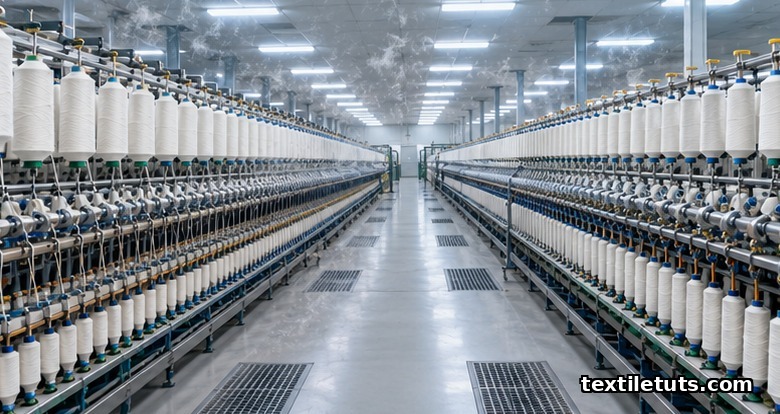
Spinning Mill Safety Standards: OSHA, ISO 45001, and PPE
A spinning mill operating 1,000 to 1,800 spindles per frame at 18,000 to 25,000 RPM...
Read article →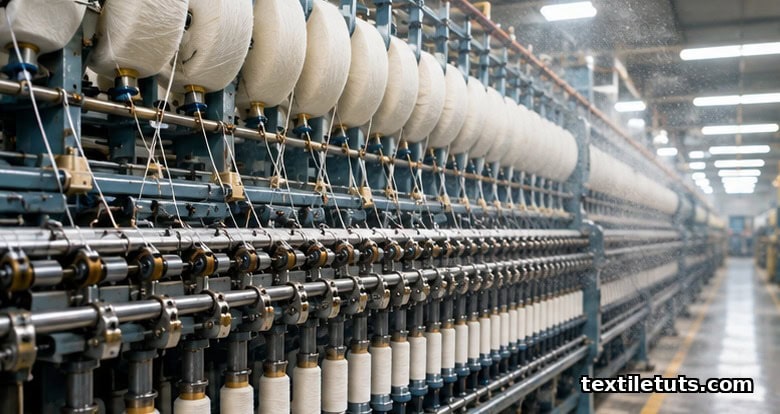
Spinning
Spinning Frame Maintenance
A spinning mill operating 1,000 to 1,800 spindles per frame at 18,000 to 25,000 RPM...
Read article →
Spinning
Spinning Mill Automation: Latest Technologies and Industry 4.0
A spinning mill operating 1,000 to 1,800 spindles per frame at 18,000 to 25,000 RPM...
Read article →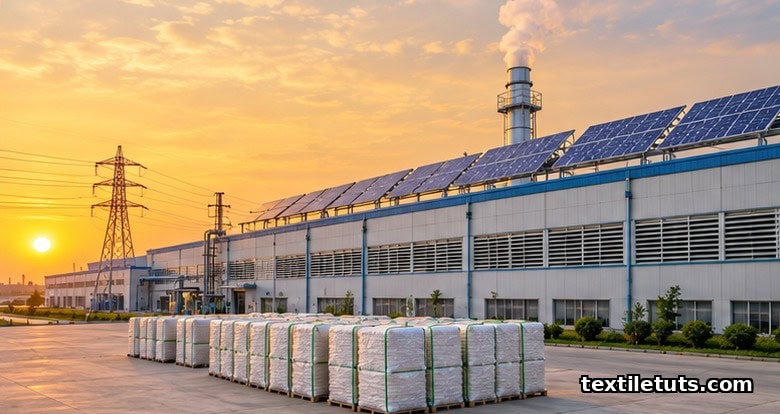
Spinning
Spinning Mill Energy Consumption
A spinning mill operating 1,000 to 1,800 spindles per frame at 18,000 to 25,000 RPM...
Read article →
02
More from this category
More specific processes, techniques, and topic deep-dives.
Spinning
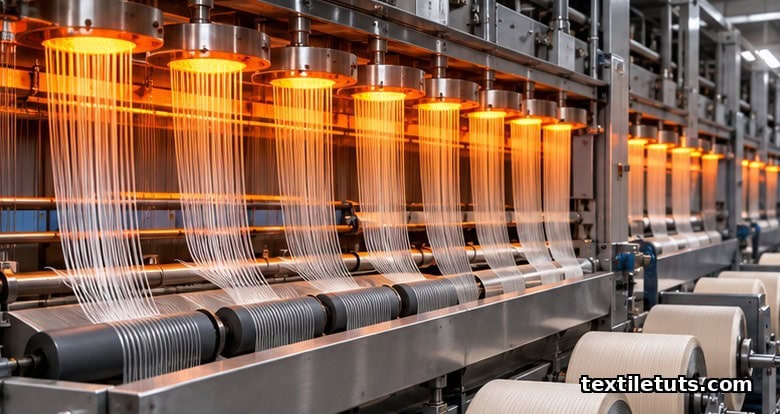
Glass Fiber Spinning
A spinning mill operating 1,000 to 1,800 spindles per frame at 18,000 to 25,000 RPM...
Read article →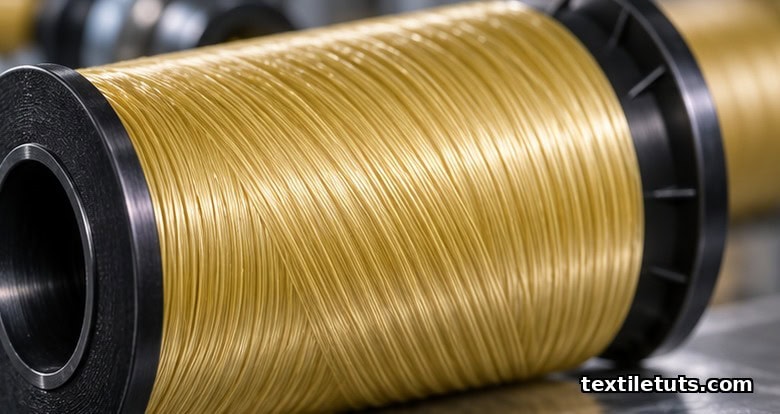
Spinning
Aramid (Kevlar) Yarn Spinning: From PPTA Chemistry to End Uses
A spinning mill operating 1,000 to 1,800 spindles per frame at 18,000 to 25,000 RPM...
Read article →
Spinning
Metallic Yarn Spinning
A spinning mill operating 1,000 to 1,800 spindles per frame at 18,000 to 25,000 RPM...
Read article →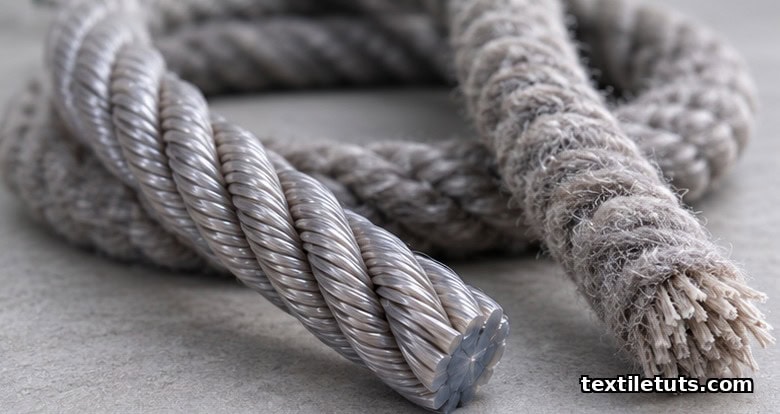
Spinning
Carpet Yarn Spinning: BCF and Staple Processes
A spinning mill operating 1,000 to 1,800 spindles per frame at 18,000 to 25,000 RPM...
Read article →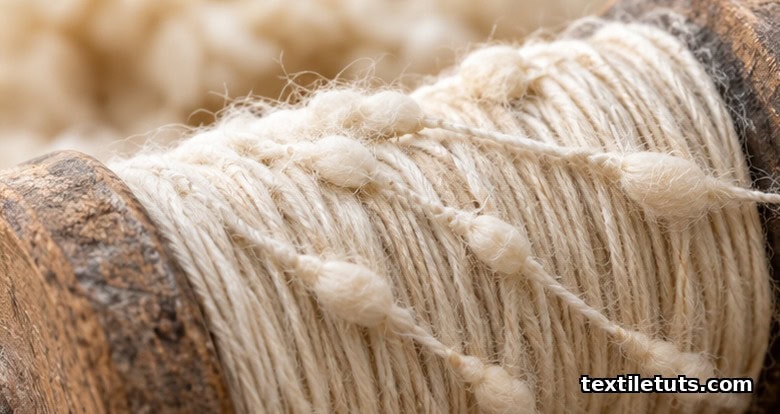
Spinning
Slub Yarn: Production Methods and Use
A spinning mill operating 1,000 to 1,800 spindles per frame at 18,000 to 25,000 RPM...
Read article →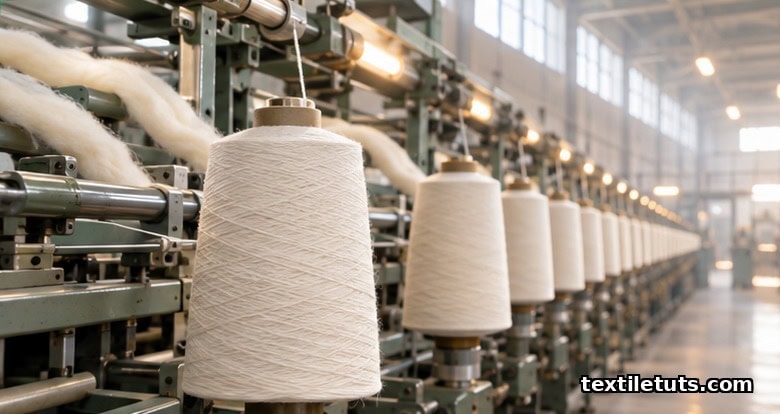
Spinning
Blended Yarn Spinning: Poly-Cotton, Wool-Acrylic
A spinning mill operating 1,000 to 1,800 spindles per frame at 18,000 to 25,000 RPM...
Read article →
Spinning
Bamboo Yarn Spinning: Fiber Types, Properties, and Ring Frame Settings
A spinning mill operating 1,000 to 1,800 spindles per frame at 18,000 to 25,000 RPM...
Read article →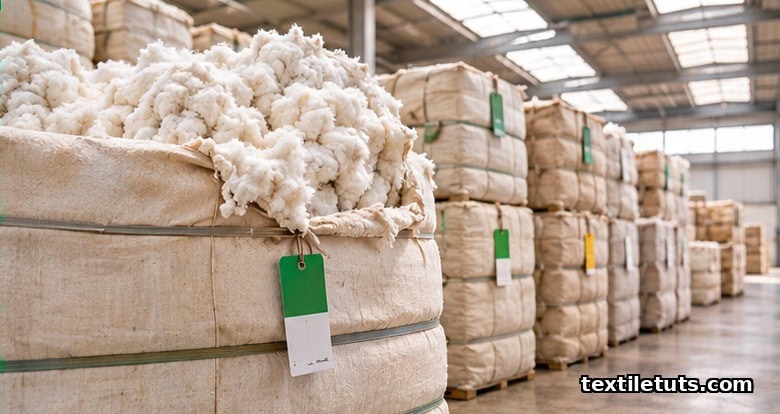
Spinning
Organic Cotton Spinning Process
A spinning mill operating 1,000 to 1,800 spindles per frame at 18,000 to 25,000 RPM...
Read article →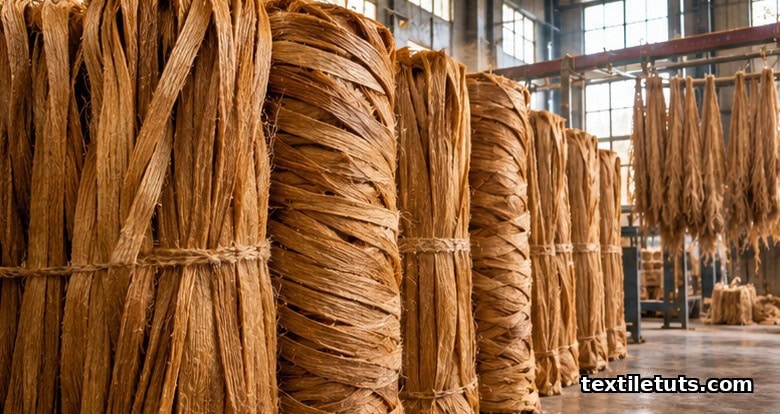
Spinning
Jute Spinning Process
The jute spinning process converts retted and stripped 1.5 to 3 m Corchorus capsularis or...
Read article →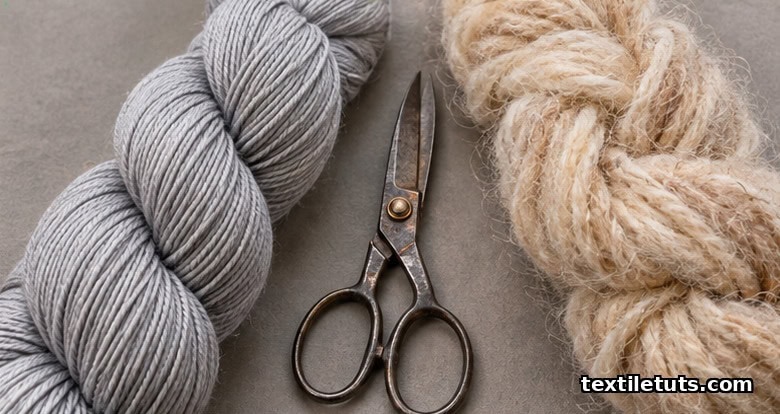
Spinning
Wool Spinning: Worsted vs Woolen Systems
The worsted system processes long-staple wool fibers of 60 to 200 mm through scouring, carding,...
Read article →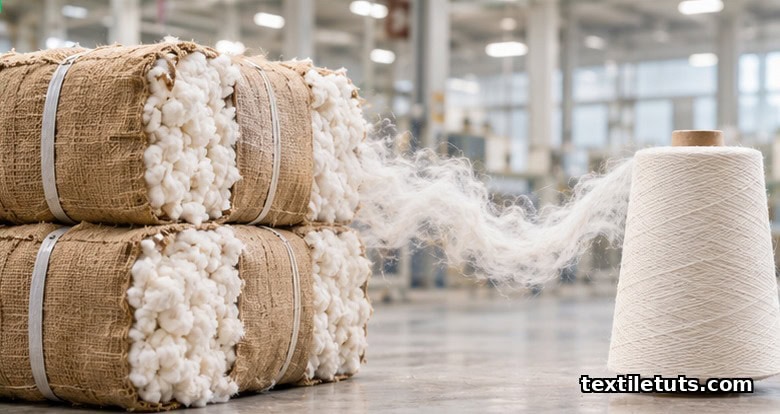
Spinning
Spinning Mill Workflow: From Bale to Cone
The cotton spinning mill workflow converts a 180 to 220 kg bale of compressed cotton...
Read article →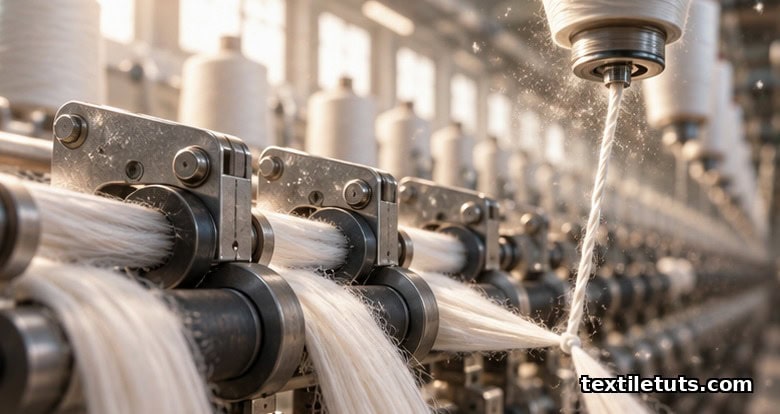
Spinning
Yarn Conditioning: Humidity Control in Spinning
Yarn conditioning is the controlled adjustment of moisture regain in spun yarn, typically to 8...
Read article →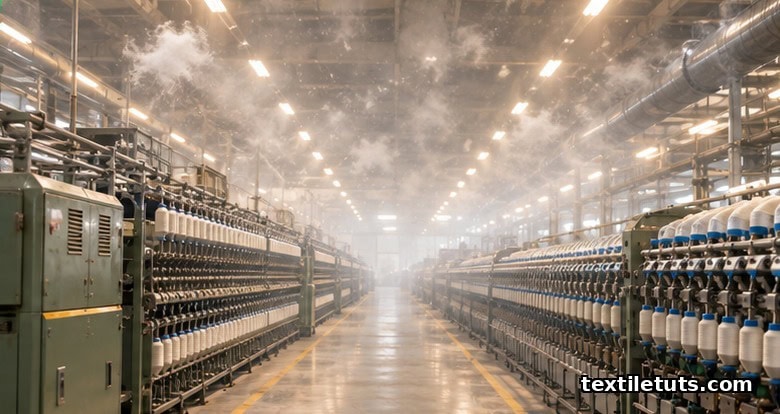
Spinning
Fly Waste in Spinning: Causes and Control
Fly waste is the airborne fibre debris shed at every drafting and twisting point in...
Read article →
Spinning
Common Spinning Defects: Slubs, Neps, Thick and Thin Places
Slubs, neps, thick places, and thin places account for 70 to 80 percent of all...
Read article →
04
Frequently asked questions
Which spinning system is best for my yarn?
Ring for premium quality, rotor for cost-efficient coarse counts, air-jet for high-volume production, compact for premium feel. Match the system to the fiber, count, and end-use.
What is the difference between ring and rotor spinning?
Ring uses a traveler on a ring to insert twist - slower but produces finer, stronger yarn. Rotor uses a rotating cup - faster but coarser, more hair, lower strength. The choice depends on end-use and cost.
What is the twist multiplier (TM) and why does it matter?
TM = TPM / sqrt(Ne). It normalizes twist to yarn count. TM 3.5-4.0 is soft knitting, 4.0-4.5 is general weaving, 4.5-5.5 is hard-twist crepe, 5-6 is sewing thread, 7-9 is crepe yarn.
What is compact spinning?
A modification of ring spinning that adds a suction zone before twist insertion, condensing the fiber strand. Reduces hairiness 30-50%, increases strength 5-15%, costs 5-10% more than conventional ring.
How fast does a modern spinning frame produce?
Ring: 1,000-3,000 rpm, 25-35 g/spindle-hour for cotton. Rotor: 5,000+ rpm, 200-400 kg/frame-hour. Air-jet: 800-1500 ppm. A typical 50,000-spindle mill produces 30-50 tons/day.
Can't find what you're looking for?
The team replies to every email. Send us your question or a sample spec and we'll route it to the right specialist.