
Can You Dye Fabric With Alcohol Ink

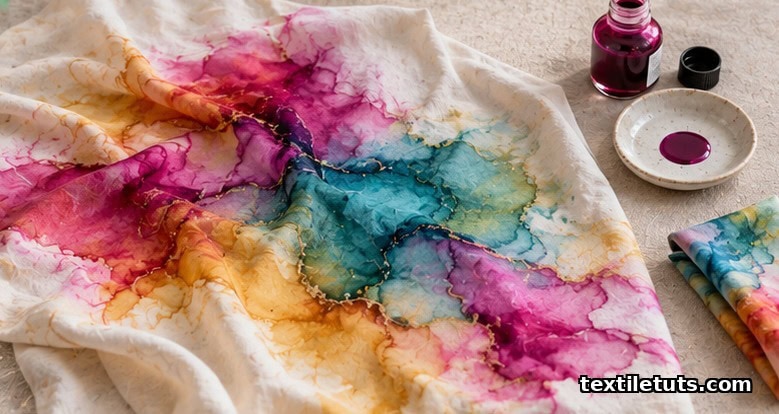
Working on a DIY project and looking to add a splash of color to your fabrics? A question might be buzzing in your head: Can you dye fabric with alcohol ink?
Yes, you can dye fabric with alcohol ink. Alcohol inks are known for their vibrant colors and versatility, which makes them great for dying fabric. It seeps well into the fabric, making the dye permanent and resistant to fading.
Stick around, and I’ll walk you through how to best utilize alcohol ink on fabrics and cassette other feasible alternatives.
A Colorful World of Alcohol Ink
Artistic expression comes in various forms and mediums, and one such intriguing form is using alcohol inks. With their vivid and mesmerizing colors, alcohol inks have become a popular medium for many, creating a whole colorful world of possibilities for artists and DIY enthusiasts alike.
What is Alcohol Ink?
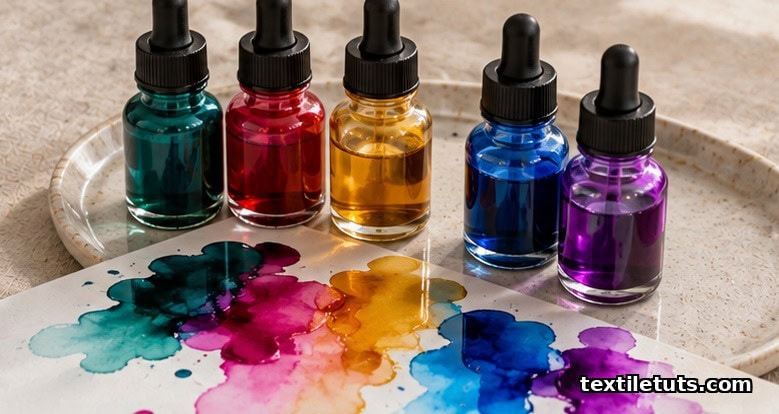
Alcohol ink is a highly pigmented, and fast-drying medium used on non-porous surfaces. Unlike water-based inks that soak into paper, alcohol inks sit on top and dry incredibly quickly, giving them their characteristic vibrant colors. These inks are based on isopropyl alcohol or ethanol, making them a unique medium starkly contrasting from the traditional forms of paint, chalk, or pencils used by artists.
The Allure of Alcohol Ink: Why it’s a Favorite Among Artists
Alcohol inks have been garnering considerable attention in the world of art and crafts due to their distinct and impressive qualities. The allure of these inks is mainly attributed to their vibrant, glossy finish and fluid nature, lending an attractive watercolor-like effect to the artworks.
- Color Vibrancy: Unlike other mediums, alcohol inks provide a unique depth of color, often creating bright, luminous, and dazzling hues that make the artwork stand out. This vibrancy is highly revered in the art world, making alcohol ink a preferred choice for many artists.
- Versatility: Their flexibility and adaptability to different surfaces, including glass, metal, plastic, and even ceramics, make them a versatile artistic medium. The potential for experimentation with alcohol inks is almost limitless.
- Fluidity: Another defining characteristic of these unique inks is their fluidity. The nature of alcohol inks allows them to flow easily on the surface, producing abstract and unpredictable patterns, unachievable by other mediums. This adds a sense of spontaneity and excitement to the art-making process.
As appealing as they may be, alcohol inks do come with their set of challenges. They dry very quickly, which can be an advantage for some, but a disadvantage for others who prefer working at a slower pace. Despite these minor challenges, the vibrant world of alcohol inks opens up numerous creative avenues to explore.
Fabric Dyeing 101: Basics for Beginners
Dyeing fabric is a creative process that allows you to personalize and add unique touches to your materials. Whether you are an amateur craftsperson or a seasoned professional, understanding the basics is always beneficial. Before we delve into the possibilities of dyeing fabric with alcohol ink, let’s first go over some basics.
Understanding Different Types of Fabric
Each type of fabric has unique properties, affecting how they absorb dye. The fiber content, weave, and colorfastness can all influence the end result of your dyeing efforts.
- Natural Fibers: Fabrics like cotton, silk, and wool are receptive to dye because of their porous nature. They’re known for the deep, rich color results they offer.
- Synthetic Fibers: These include polyester, nylon, and spandex. They require special types of dyes and techniques as they’re less porous and resist color.
- Blended Fabrics: Combination of natural and synthetic fibers, which might require careful consideration of dyeing methods to ensure a uniform effect.
Always remember to check the fabric’s label for care instructions and fiber content before you embark on your dyeing project.
Pre-Dyeing: How to Prepare Your Fabric
Before immersing your fabric into a vat of dye, pre-dyeing preparations are essential. This ensures that your fabric can take up dye evenly and thoroughly.
- Pre-Wash Your Fabric: Washing helps to remove any finishes or coatings on the fabric that may prevent the dye from adhering properly. Use mild detergent and skip the fabric softener as it can interfere with the dyeing process.
- Soak in Soda Ash: Soda ash, also known as sodium carbonate, helps the fabric to ‘open up’ and better absorb the dye. Simply mix a cup of soda ash with a gallon of water and soak your fabric for about 15 minutes. Rinely it thoroughly before dyeing. This step is ideal for cotton and other natural fibers.
- Dampness: Most dyeing processes require the fabric to be slightly damp. It helps to distribute the dye uniformly across the fabric.
In the next section, we will delve into the process of how to dye fabric with alcohol ink, outlining each step in detail.
Experimenting with Alcohol Ink on Fabric
Dyeing fabric with alcohol ink is a fun and creative way to add color to your designs. Unlike traditional dyes, alcohol inks are simple to use and dry quickly, giving you a vibrant and long-lasting color finish. This section will provide a comprehensive guide on how to dye fabric with alcohol ink and some helpful tips and tricks for getting the best results.
Step-by-Step Guide: How to Dye Fabric with Alcohol Ink
Materials Needed
To dye fabric with alcohol ink, you’ll need some basic materials.
- Alcohol Inks
- Cotton or Natural Fiber Fabric
- Isopropyl Alcohol, 91% or higher
- Small Paintbrushes or Eye Droppers
- Protective Gloves
- Rubber Bands (optional)
- Plastic Sheets or Garbage Bags (optional)
The Process: Painting, Mixing, Drying
Here’s a four-step process on how to dye fabric with alcohol ink:
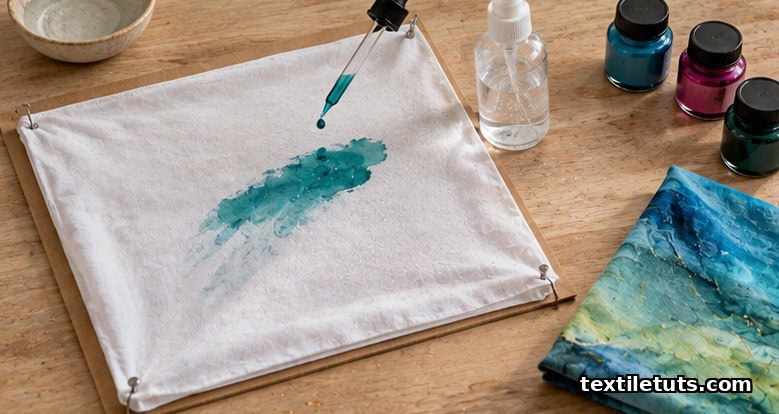
- Preparation: Protect your work area with plastic sheets or garbage bags. Wet the fabric with clean water and wring out any excess water. This helps the dye spread more easily through the fabric.
- Applying the Ink: Apply the alcohol ink directly to your fabric using paintbrushes or eye droppers. You can apply the ink in any pattern or style you prefer. Use your creativity to create unique designs.
- Spreading the Ink: To spread the ink, spritz the fabric lightly with isopropyl alcohol. This will help the ink to spread and blend into the fabric. Remember to wear gloves to protect your skin from the coloring.
- Drying: Allow the fabric to dry completely. You can leave your fabric to air dry or use a hair dryer for faster results. After drying, iron the fabric to set the ink. This will ensure that your designs are permanent and long-lasting.
Tips and Tricks for Best Results
Here are some tips and tricks to obtain the best results when dyeing fabric with alcohol ink:
- Choose the Right Fabric: Alcohol ink best adheres to natural fibers like cotton. The higher the fiber count, the better the color will adhere.
- Practice First: If you’re new to this method of dyeing, practice on a scrap piece of fabric first to get a feel for how the ink behaves.
- Less is More: Remember to start with a small amount of ink. It’s easier to add more ink than to remove excess.
- Mix Colors: Feel free to mix different colored inks to create unique shades.
The Art of Troubleshooting
Alcohol ink allows for vibrant and versatile color applications on fabrics. While it’s generally easy to dye fabric with alcohol ink, there can be hiccups during the process. Below we’ve detailed common problems people encounter when dyeing fabric with alcohol ink, and some straightforward solutions to these issues.
What to Do if the Dyeing Doesn’t Go As Expected
The first step when your dyeing project doesn’t go as expected is to identify what might have gone wrong. Did you apply the ink correctly? Did you allow enough drying time? What type of fabric are you using? Once you can answer these questions, you can begin to troubleshoot your problems.
Correcting Common Mistakes and Problems
Here are some potential errors you might have encountered, along with the solutions:
| Problem | Solution |
|---|---|
| The color isn’t vibrant enough. | Try adding more layers of ink. Alcohol ink layers well and can create much richer colors with additional applications. |
| The ink is not spreading evenly. | Ensure the fabric is flat and smooth before applying the ink. Wrinkles or folds can result in uneven distribution. |
| Fabric is warping/distorting. | Too much alcohol ink can sometimes cause fabric to warp. To fix this, use a blow dryer to quickly dry the ink, which would lessen the wet time of the fabric. |
| Colors are blending together and muddying. | Wait for each color to dry completely before you apply another color next to it. |
Remember, practice makes perfect. Don’t get discouraged if your first few tries don’t yield ideal results. With patience and experience, you’ll soon master the process and be creating beautifully dyed fabrics in no time.
Going Beyond Dyeing: Other Uses for Alcohol Inks
Alcohol inks are not limited to fabric dyeing only, the versatility of these inks allows for numerous other applications in the world of art and home décor. We’ll delve into some of the popular practices below:
Crafting and Embellishing with Alcohol Inks
Alcohol inks can be used in a variety of craft projects due to their vibrant colors and fast drying time. Whether you are an artist, a DIY enthusiast, or simply love experimenting, alcohol inks are a perfect medium.
Here are a few crafting and embellishing ideas using these inks:
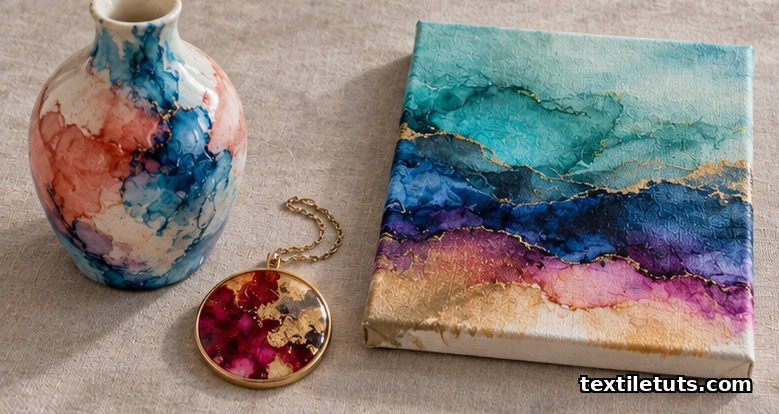
- Ceramic and Glass Painting: Alcohol inks lend themselves excellently on non-porous surfaces like ceramics or glass, allowing you to create stunning designs.
- Resin Art: By adding alcohol inks to resin, you can create eye-catching abstract artwork. The inks intrigueingly disperse in the resin, creating ethereal landscapes.
- Jewelry Making: Alcohol inks can be used to colorize resins for jewelry, or applied directly onto metal surfaces for a unique touch.
Home DIYs: Splash of Colors Everywhere
Inject your personality into your home with DIY décor projects using alcohol inks. Due to their high pigment concentration, they are a favorite among DIY enthusiasts for bringing some color pop into their homes.
Here are a few DIY projects for you to try:
- Vase Renovation: Got an old, dull vase? Brighten it up by adding swirling color patterns using alcohol inks.
- Tabletop Designs: Fancy a statement coffee table? Pour different color alcohol inks onto a glass tabletop and using a straw, disperse the inks to create a vibrant, abstract pattern.
- Wall Art: Upgrade your plain canvas into a masterpiece. Allow your creativity to flow and create dazzling effects with alcohol inks.
These are just a few examples of how versatile alcohol inks can be. From crafts to home décor, alcohol inks offer endless opportunities for creativity, making them a valuable resource for any hobbyist or artist. And remember, practice makes perfect – so don’t be afraid to experiment with your own ideas!
A World of Colors: Showcasing Artists and Their Work
Many artists have taken their creativity a notch above, using alcohol ink in fabric art. The uniqueness of alcohol ink lies in its conductivity on non-porous surfaces. Not only does this allow for a vibrant color palette but also opens an entire universe of techniques and effects that can’t be achieved with other mediums. Let’s take a look at some of these fantastic artists and their awe-inspiring alcohol ink art on fabric.
Artists Who’re Making Waves with Alcohol Ink on Fabric
1. Micah Krock: Micah Krock has been recognized internationally for her brilliant use of alcohol inks on fabrics. The Portland-based artist’s sharp lines and vibrant colors offer a unique tasting pallet for art lovers. Krock’s work primarily focuses on cityscapes, landscapes, and abstract designs, each more mesmerizing than the last.
2. Clare Henry: A master of monotone, Clare Henry’s work is visually intriguing. Henry beautifully showcases the versatility of alcohol ink, using subtle shadows and bold contrasts in her textile designs.
3. Jessie Maleski: As a mixed media artist, Maleski experiments with alcohol ink, combining it with resin and acrylics to create stunning pieces. Her fabric prints are a blend of abstract and realism, filled with surprising bursts of color.
Getting Inspired: Examples of Incredible Alcohol Ink Art
And now for an invigorating journey through the wonderful world of alcohol ink art. Here are a few stunning examples:
1. “Intertwined” by Micah Krock: A showstopper, ‘Intertwined’ presents a striking abstract design with overlapping hues of red, blue, and green. The vibrancy and fluidity of the piece excellently exhibit the stunning results of alcohol ink on fabric.
2. “Eclipse” by Clare Henry: This monochromatic piece tells a story of depth and shadow using just one color. ‘Eclipse’ breaks the mold and shows just how diverse alcohol ink can be on fabric.
3. “Spectral Hues” by Jessie Maleski: ‘Spectral Hues’ is a fantastic explosion of color. Maleski’s innovative use of alcohol ink and other media creates depth, contrast, and an array of stunning hues.
Inspired yet? Why not dabble in your own fabric art creation with alcohol inks? It’s an exciting medium that offers unlimited possibilities and a world of color, sure to spark your creative side.


