
CATEGORY HUB · 57 ARTICLES
Knitting
Weft, warp, and the structures they create
From single-jersey to fleece, rib to interlock, the structures, machines, and quality parameters of modern knitting. Covers jersey, rib, interlock, fleece, pique, plus machinery.
01
Essential reading
Start here. The most important articles that explain the category to a textile engineer in one sitting.
02
More from this category
More specific processes, techniques, and topic deep-dives.
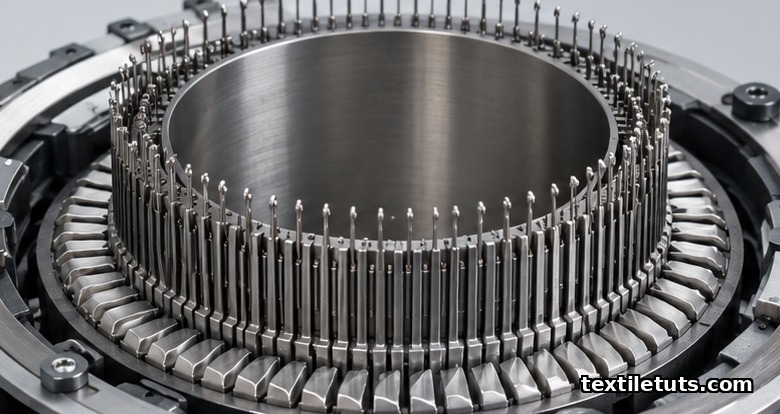
Knitting
Sinker and Cylinder in Circular Knitting
The sinker and cylinder form the two-piece needle bed at the heart of every circular...
Read article →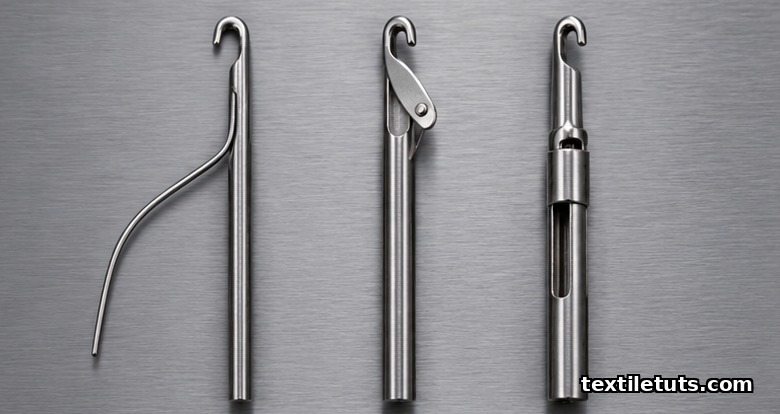
Knitting
Cam System in Circular Knitting
The sinker and cylinder form the two-piece needle bed at the heart of every circular...
Read article →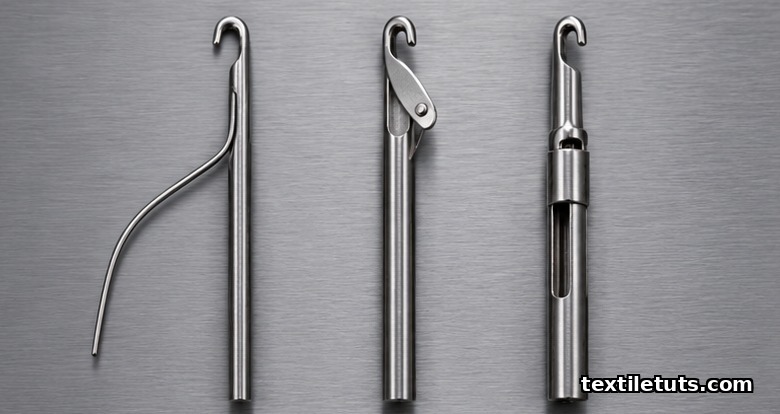
Knitting
Knitting Mill Workflow
The sinker and cylinder form the two-piece needle bed at the heart of every circular...
Read article →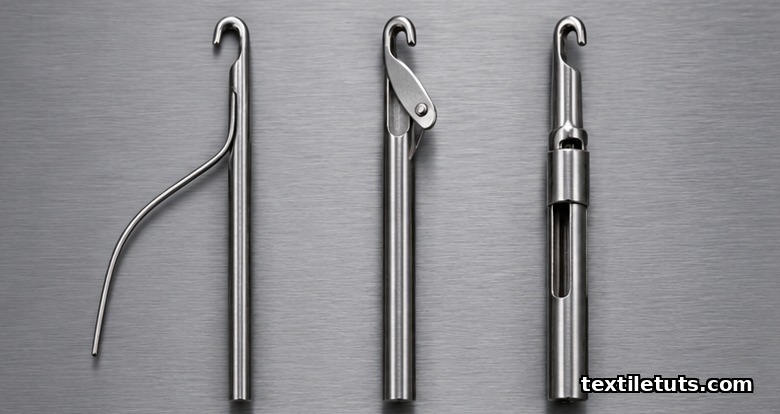
Knitting
Knit Fabric Snagging Test
The sinker and cylinder form the two-piece needle bed at the heart of every circular...
Read article →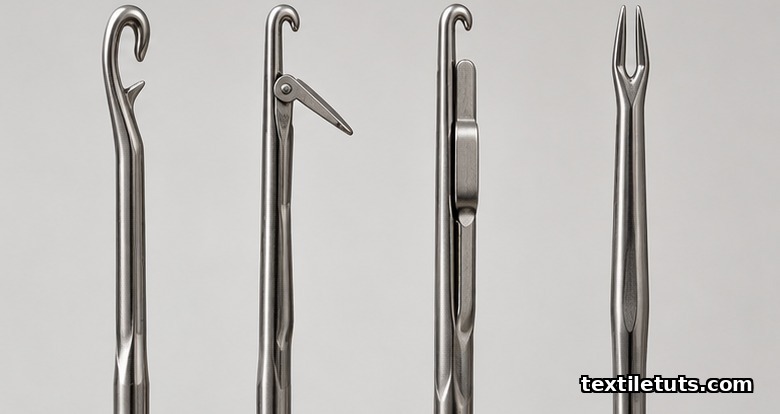
Knitting
Knitting Needle Types: Bearded, Latch, Compound
The sinker and cylinder form the two-piece needle bed at the heart of every circular...
Read article →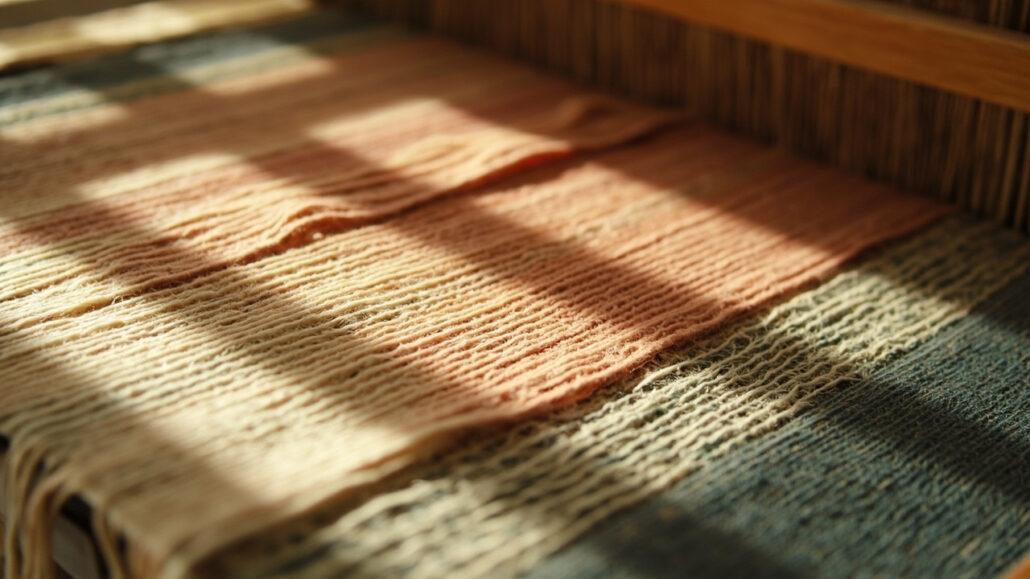
Knitting
Flat Bed Knitting Machine: Gauge and Needle Selection
The sinker and cylinder form the two-piece needle bed at the heart of every circular...
Read article →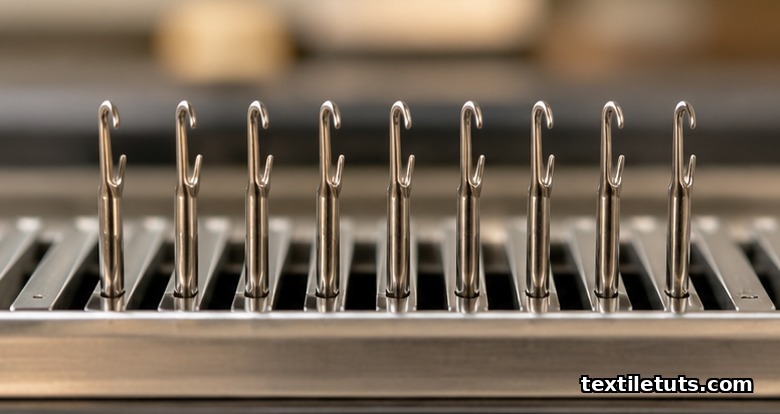
Knitting
Knitting Machine Gauge: E, EE, Needle per Inch
The sinker and cylinder form the two-piece needle bed at the heart of every circular...
Read article →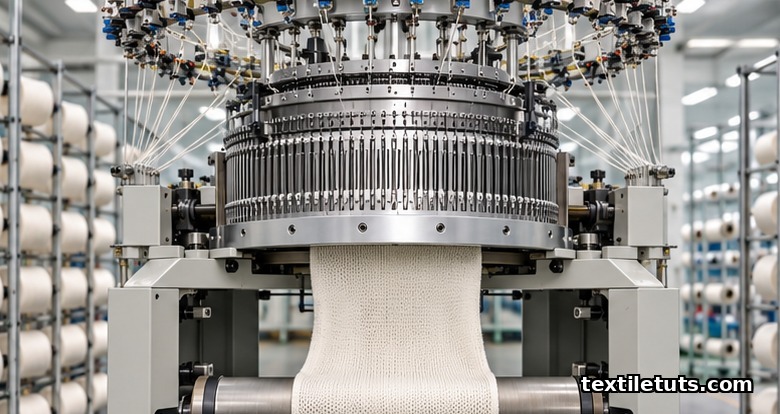
Knitting
Circular Knitting Machine: Cylinder, Dial, Needles
The sinker and cylinder form the two-piece needle bed at the heart of every circular...
Read article →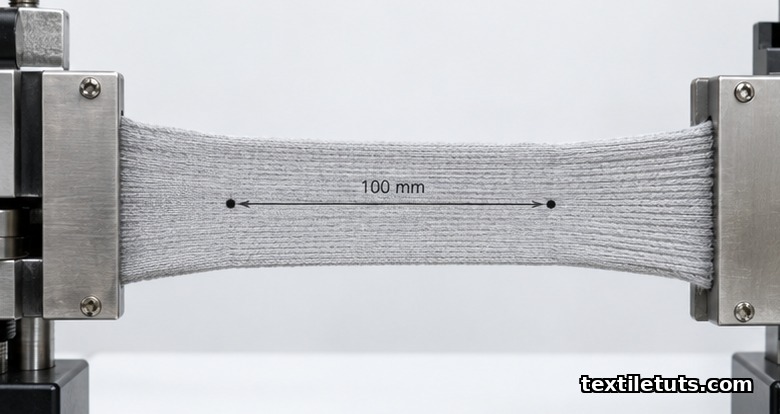
Knitting
Knit Fabric Stretch and Recovery Test
The knit fabric stretch and recovery test is the single most important mechanical test for...
Read article →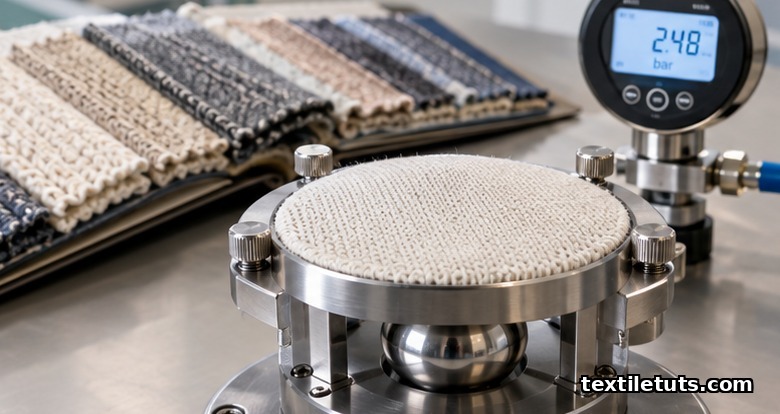
Knitting
Knit Fabric Bursting Strength Test
Knit fabric bursting strength is measured by applying uniform multidirectional pressure to a fabric specimen...
Read article →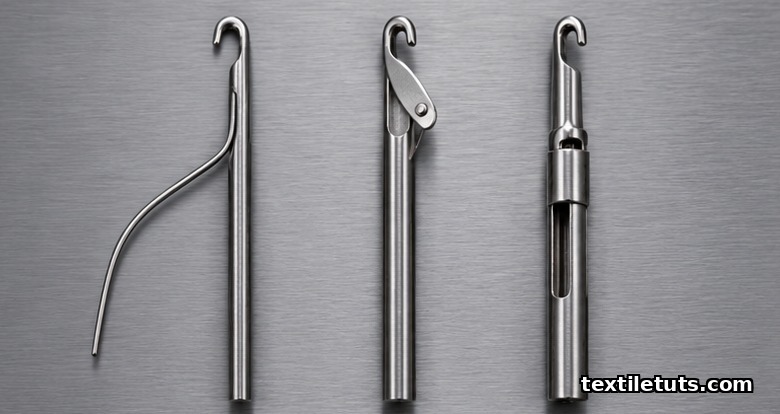
Knitting
Knitting Mill Cost Calculation
A circular knitting mill’s per-kilogram fabric cost equals yarn cost plus knitting conversion cost plus...
Read article →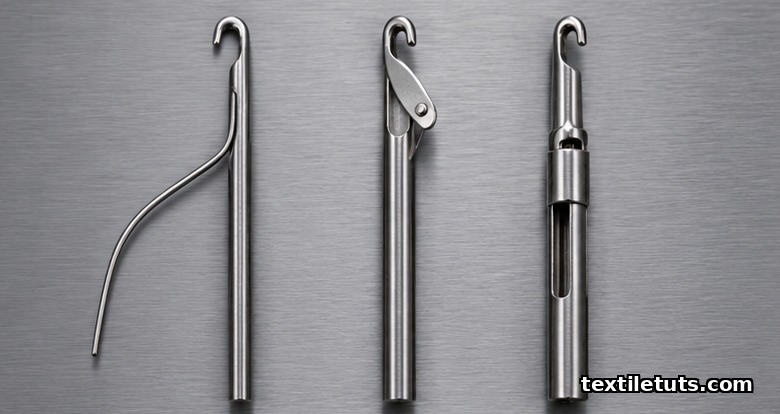
Knitting
Knit Fabric Setting: Heat Setting Synthetics
Heat setting polyester knit fabric at 180 to 200 degrees Celsius for 30 to 60...
Read article →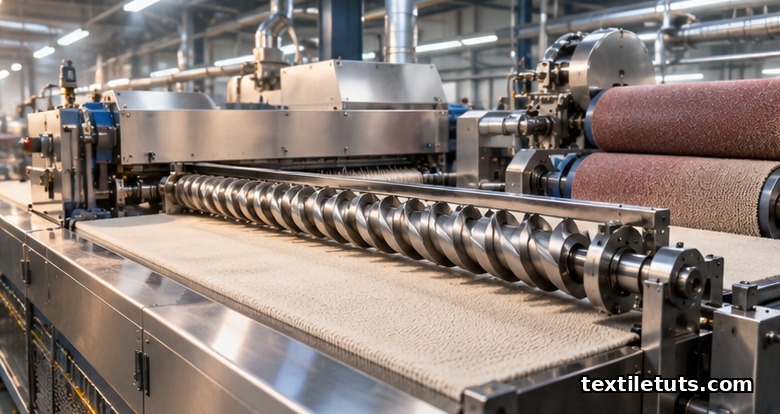
Knitting
Knit Fabric Shearing and Sueding
The sinker and cylinder form the two-piece needle bed at the heart of every circular...
Read article →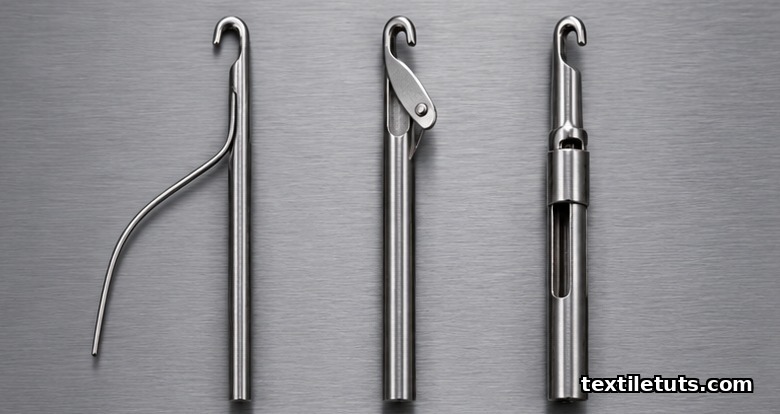
Knitting
Knit Fabric Quality Control Tests
Knit fabric quality control relies on a battery of 12 to 18 standardized tests that...
Read article →
04
Frequently asked questions
What is the most common knit fabric?
Single jersey, used in the majority of T-shirts and lightweight knit apparel worldwide.
What is the difference between weft and warp knit?
Weft knit uses one yarn traveling horizontally (jersey, rib, interlock). Warp knit uses multiple yarns vertically (tricot, raschel). Weft knits run; warp knits are more stable.
What is curling in knit fabrics?
Single jersey curls at the edges due to the loop structure - a defining behavior that complicates sewing. Controlled by starching, edge coating, or fabric weight selection.
Why does knit fabric shrink?
Loops relax in the wash, especially first wash. Knits typically shrink 3-7% on first wash, more than wovens. Pre-shrunk or sanforized knits shrink less.
What is compact yarn?
A ring-spun yarn produced with a suction zone that reduces hairiness by 30-50%. Better pilling resistance and smoother hand. Used in premium knits where surface quality matters.
Can't find what you're looking for?
The team replies to every email. Send us your question or a sample spec and we'll route it to the right specialist.