
CATEGORY HUB · 36 ARTICLES
Denim
Indigo dyeing and denim manufacturing
The chemistry of indigo, the weaving of denim twill, the wash effects that create fade patterns, and the modern sustainable denim movement. From indigo vats to laser finishes.
01
Essential reading
Start here. The most important articles that explain the category to a textile engineer in one sitting.
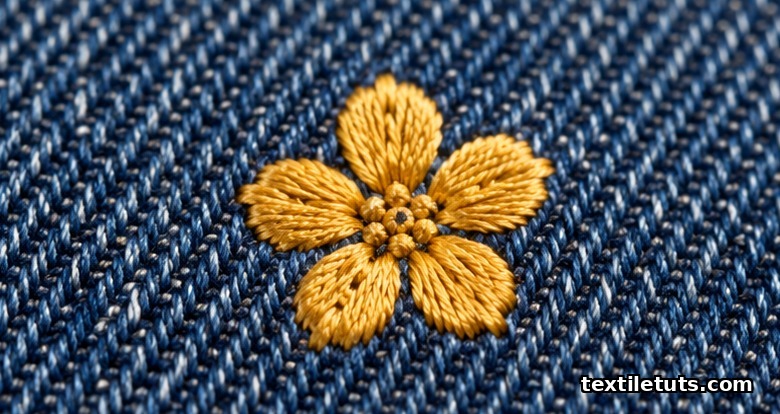
Denim
Denim Embroidery and Patches
Denim embroidery thread tension must be set to 80–100 grams-force (gf) when stitching through 12...
Read article →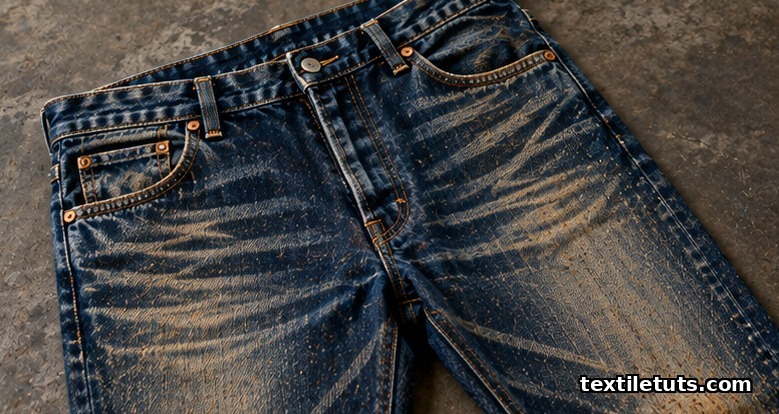
Denim
Bleach Wash: Potassium Permanganate
Denim embroidery thread tension must be set to 80–100 grams-force (gf) when stitching through 12...
Read article →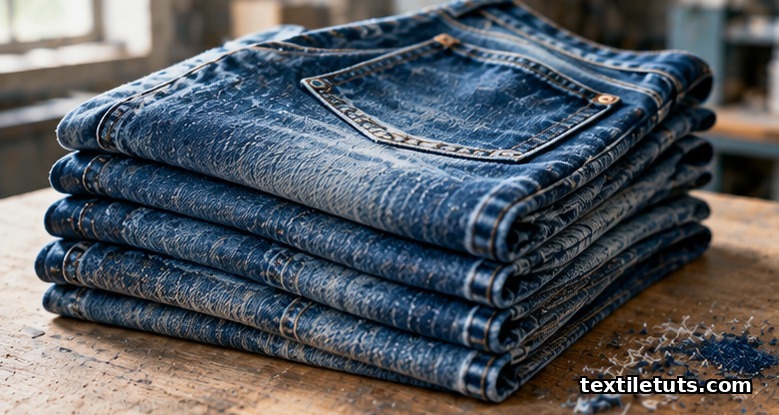
Denim
Enzyme Wash: Cellulase Treatment
Denim embroidery thread tension must be set to 80–100 grams-force (gf) when stitching through 12...
Read article →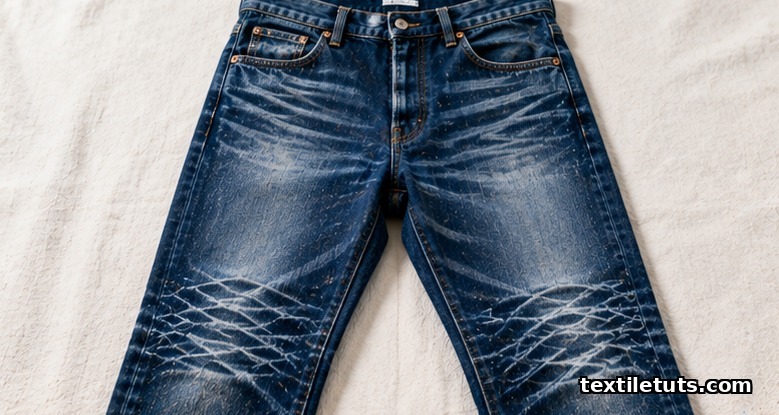
Denim
Laser Wash Denim
Denim embroidery thread tension must be set to 80–100 grams-force (gf) when stitching through 12...
Read article →
02
More from this category
More specific processes, techniques, and topic deep-dives.
Denim
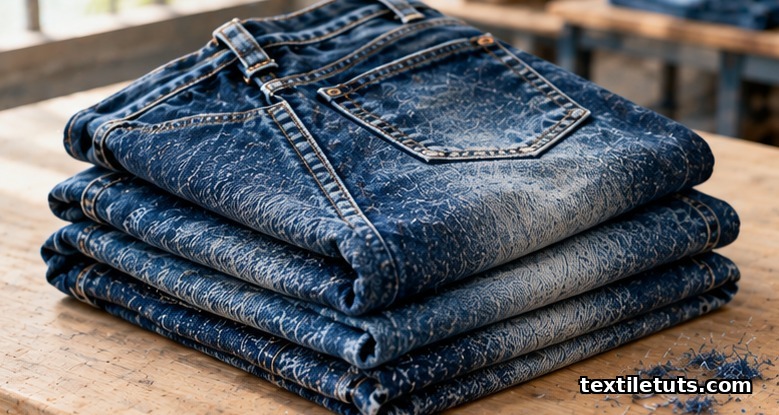
Ozone Wash: Waterless Denim Washing
Denim embroidery thread tension must be set to 80–100 grams-force (gf) when stitching through 12...
Read article →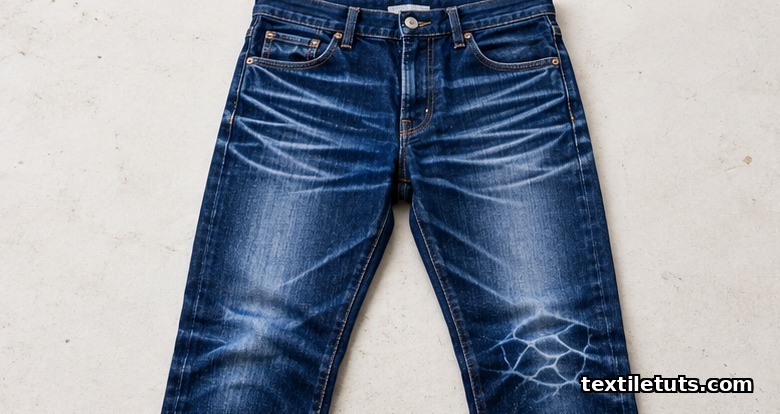
Denim
Whiskering and Handsanding on Denim
Denim embroidery thread tension must be set to 80–100 grams-force (gf) when stitching through 12...
Read article →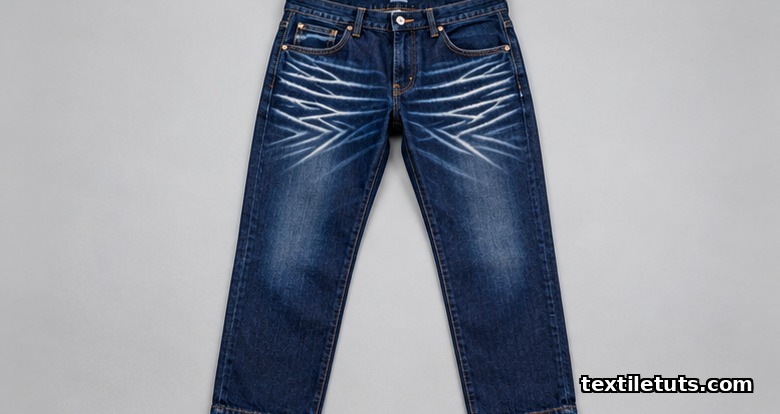
Denim
3D Whiskering: Manual vs Laser
Denim embroidery thread tension must be set to 80–100 grams-force (gf) when stitching through 12...
Read article →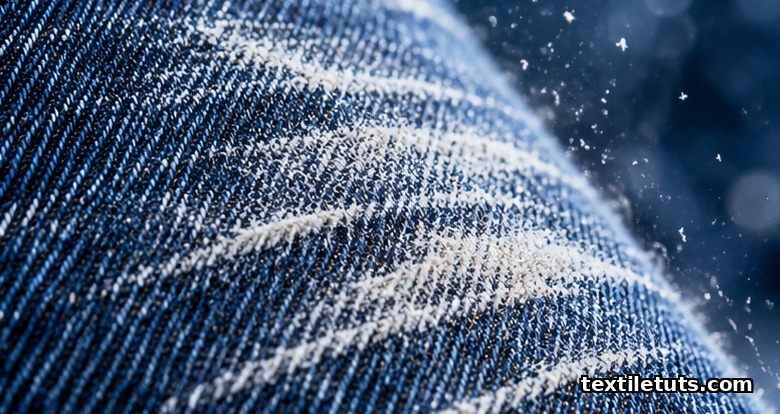
Denim
Denim Sanding and Grinding
Denim embroidery thread tension must be set to 80–100 grams-force (gf) when stitching through 12...
Read article →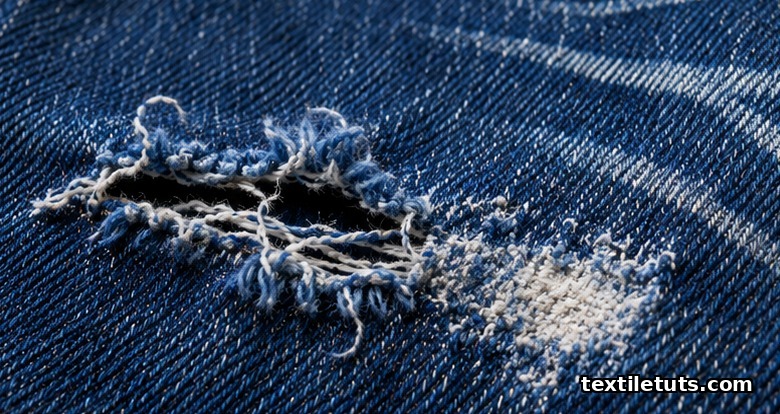
Denim
Denim Damage and Destruction
Denim embroidery thread tension must be set to 80–100 grams-force (gf) when stitching through 12...
Read article →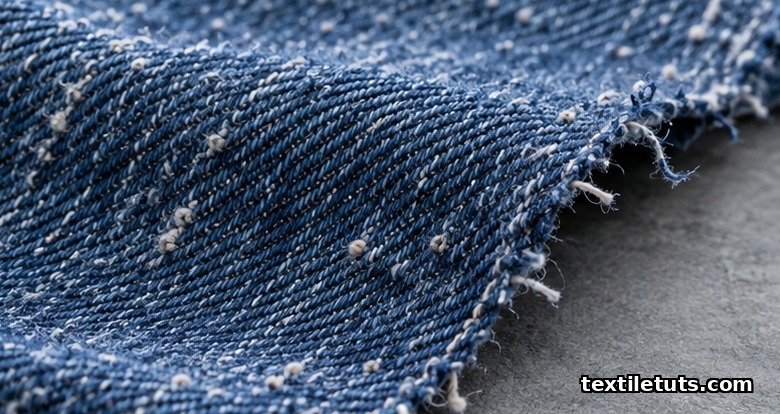
Denim
Denim Sustainability: Recycled Denim
Denim embroidery thread tension must be set to 80–100 grams-force (gf) when stitching through 12...
Read article →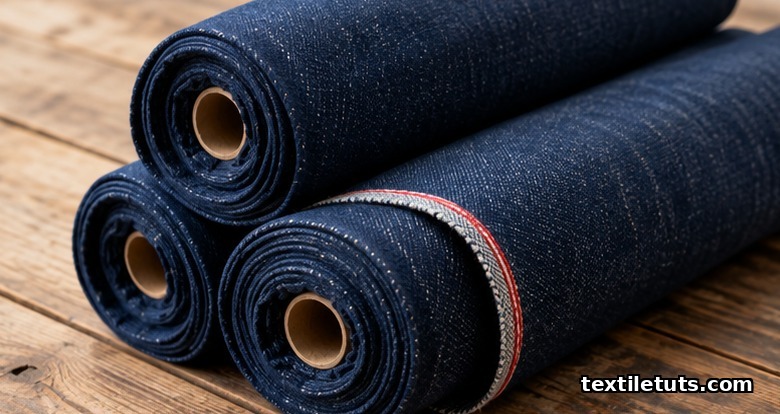
Denim
Selvedge Denim Identification
Denim embroidery thread tension must be set to 80–100 grams-force (gf) when stitching through 12...
Read article →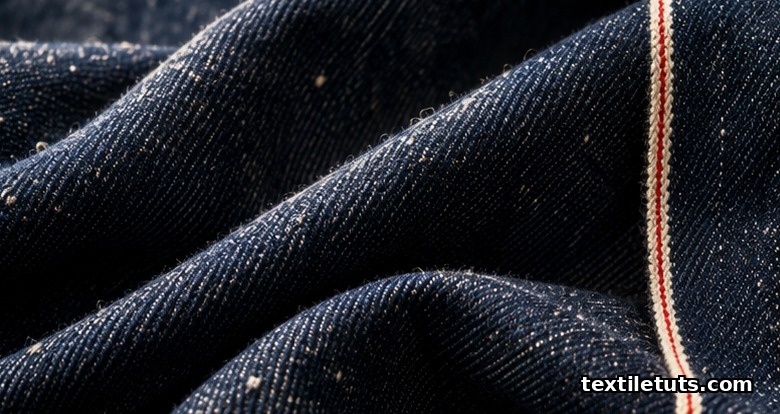
Denim
American Heritage Denim Brands
Denim embroidery thread tension must be set to 80–100 grams-force (gf) when stitching through 12...
Read article →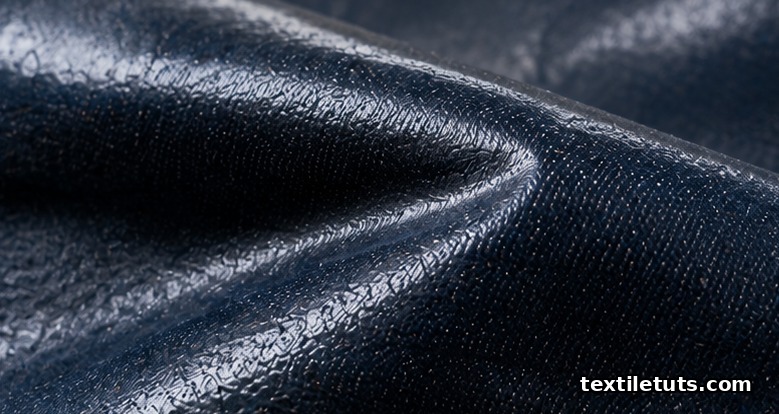
Denim
Coated Denim: Wax and Resin Treatments
Paraffin wax and resin coatings on denim typically add 8 to 15% fabric weight at...
Read article →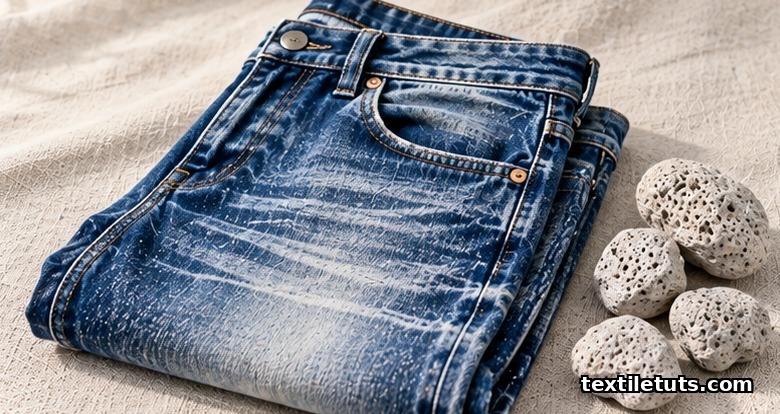
Denim
Stone Wash: Pumice Stone Process
Stone washing with pumice stones tumbles denim garments in an industrial drum at 30 to...
Read article →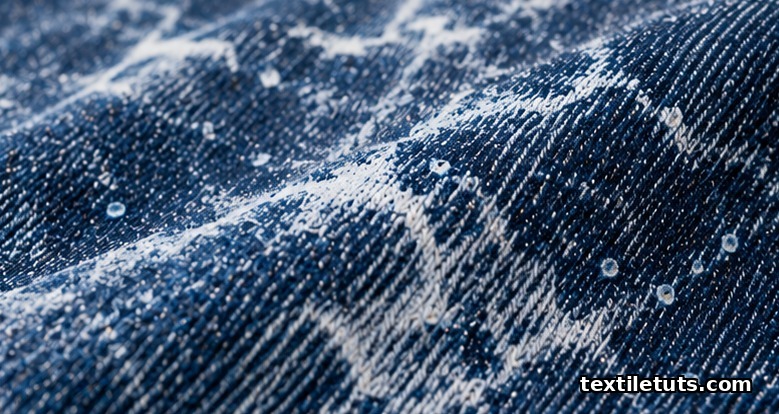
Denim
Acid Wash Denim: Process and Risk
Acid wash denim uses pumice stones impregnated with potassium permanganate (typically 2 to 5 percent...
Read article →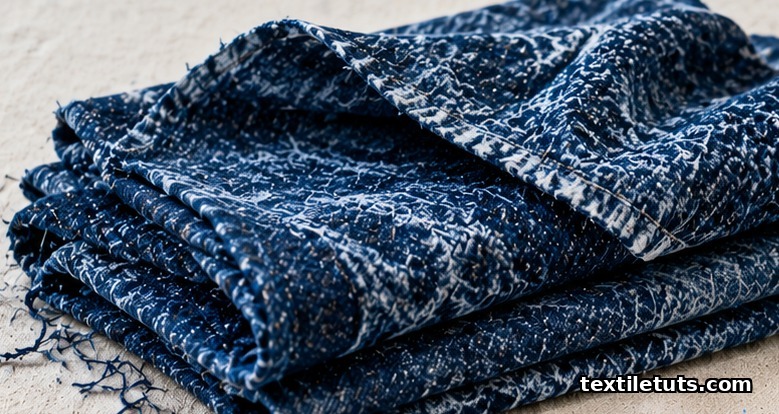
Denim
Crushed Denim
Crushed denim is a mechanically compressed denim fabric treated with wrinkle-recovery resins (typically DMDHEU at...
Read article →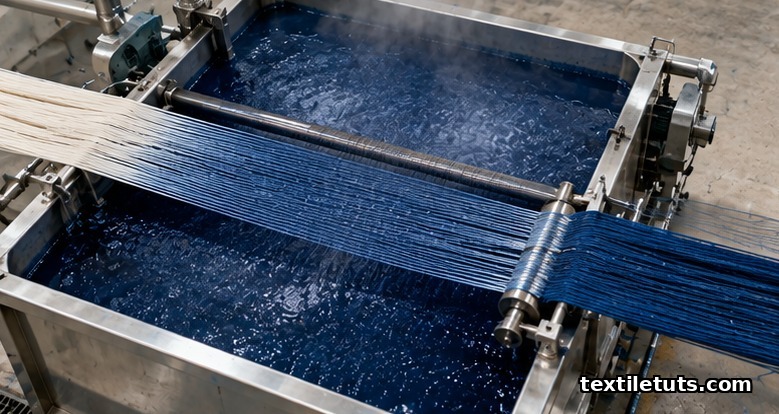
Denim
Slashing Dyeing vs Rope Dyeing
Rope dyeing immerses warp yarn bundles (typically 300 to 400 ends per rope) in indigo...
Read article →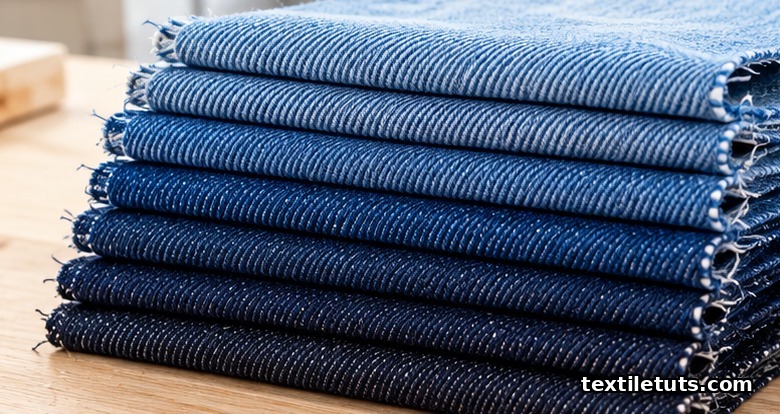
Denim
Denim Weight: Oz (Ounces per Square Yard)
Denim weight is expressed in ounces per square yard (oz/yd²), where 1 oz/yd² equals 33.906...
Read article →
04
Frequently asked questions
What is denim made of?
Twill-weave fabric typically 100% cotton. The warp is indigo-dyed blue; the weft is undyed white. The blue-out, white-in is the defining characteristic.
What is the difference between raw and pre-washed denim?
Raw denim (rigid) is unwashed and shrinks 5-10% on first wash. Pre-washed is industrially washed and pre-shrunk. Raw fades more dramatically; pre-washed fades less.
What is selvedge denim?
Woven on shuttle looms (or modern equivalents with selvedge attachment). The self-finished edge is tight and does not unravel. Narrower width, more expensive, premium product.
How is denim dyed?
With indigo, a vat dye. Indigo is reduced to its soluble leuco form, applied to the cotton warp, then oxidized by air to reform insoluble blue. Repeated dip-and-oxidize cycles (6-12 boxes) build the indigo color in multiple thin layers, giving denim its characteristic fade.
How much water does a pair of jeans use?
Conventional denim: 1,500-7,500 L per pair. Sustainable programs target < 500 L via closed-loop water recycling and organic cotton. Some laser-only programs use < 100 L per pair.
Can't find what you're looking for?
The team replies to every email. Send us your question or a sample spec and we'll route it to the right specialist.