
CATEGORY HUB · 51 ARTICLES
Textile Testing
ISO, AATCC, ASTM test methods
Physical, colorfastness, dimensional stability, performance, and functional testing. The standards that govern fabric acceptance and the equipment used to run each test.
01
Essential reading
Start here. The most important articles that explain the category to a textile engineer in one sitting.
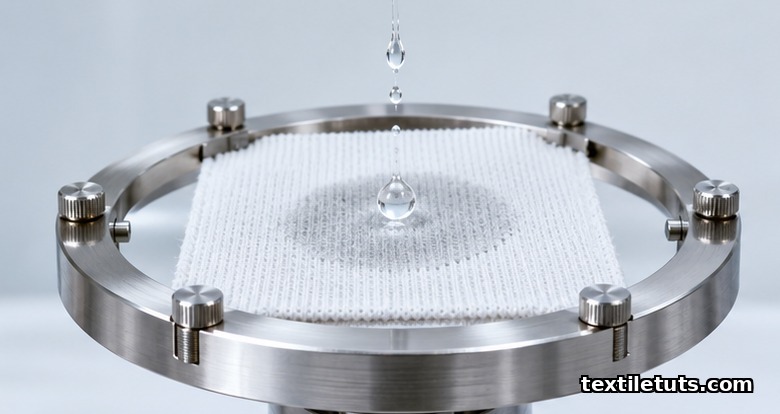
Textile Testing
Moisture Management: AATCC 195
AATCC Test Method 195 (Liquid Moisture Management Properties of Textile Fabrics) measures a fabric’s dynamic...
Read article →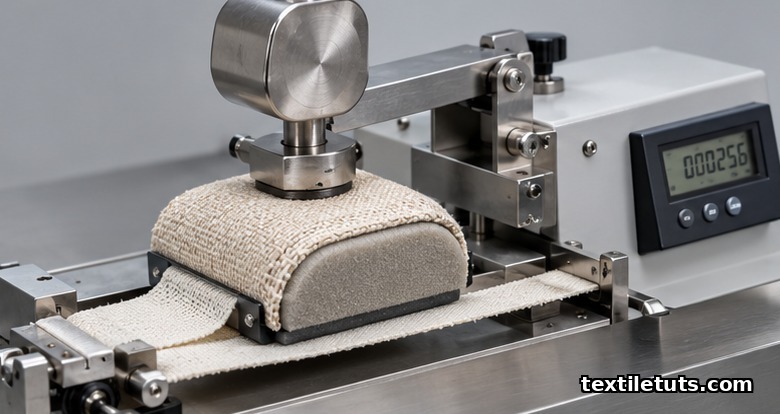
Textile Testing
Abrasion Resistance: Wyzenbeek (ASTM D4157)
AATCC Test Method 195 (Liquid Moisture Management Properties of Textile Fabrics) measures a fabric’s dynamic...
Read article →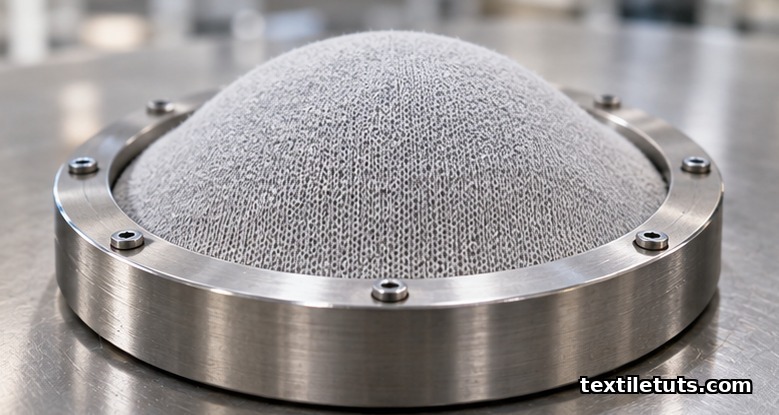
Textile Testing
Bursting Strength: ISO 13938
AATCC Test Method 195 (Liquid Moisture Management Properties of Textile Fabrics) measures a fabric’s dynamic...
Read article →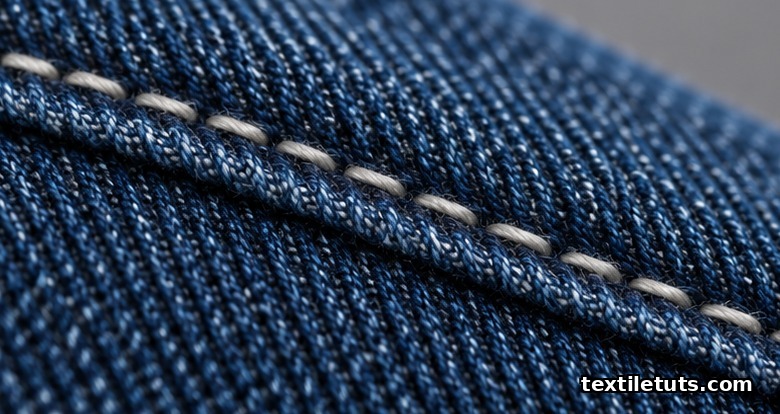
Textile Testing
Seam Slippage: ISO 13936
AATCC Test Method 195 (Liquid Moisture Management Properties of Textile Fabrics) measures a fabric’s dynamic...
Read article →
02
More from this category
More specific processes, techniques, and topic deep-dives.
Textile Testing
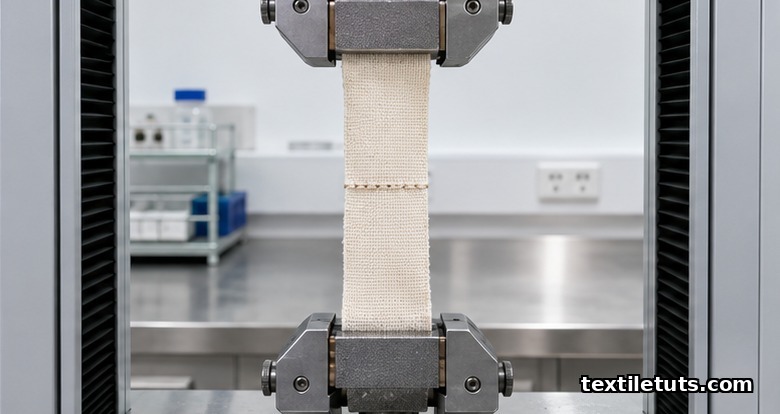
Seam Strength: ISO 13935
AATCC Test Method 195 (Liquid Moisture Management Properties of Textile Fabrics) measures a fabric’s dynamic...
Read article →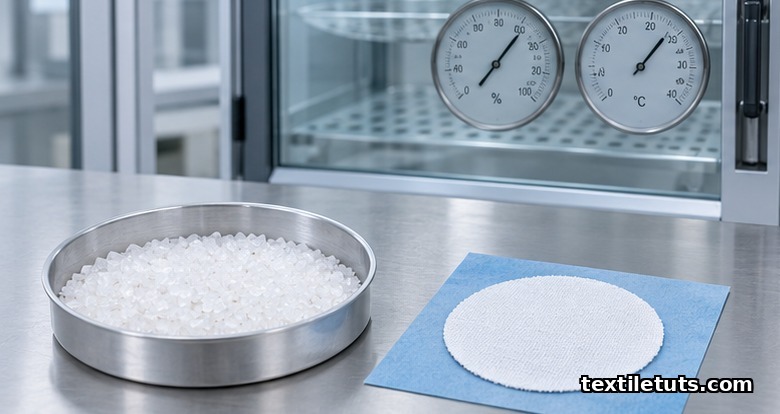
Textile Testing
Water Vapor Permeability: ISO 15496
AATCC Test Method 195 (Liquid Moisture Management Properties of Textile Fabrics) measures a fabric’s dynamic...
Read article →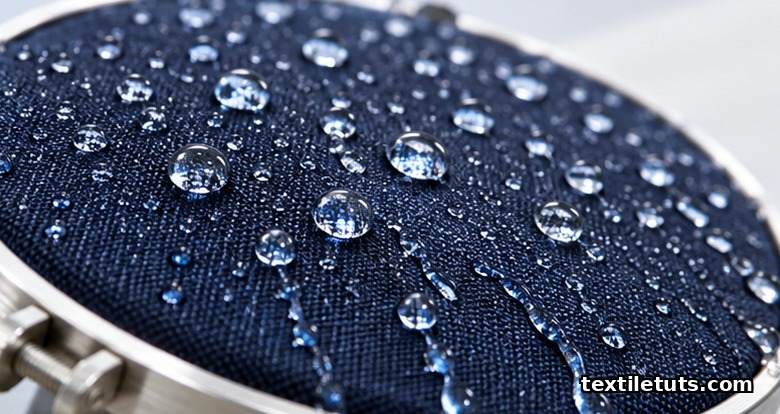
Textile Testing
Water Resistance: AATCC 22 (Spray Test)
AATCC Test Method 195 (Liquid Moisture Management Properties of Textile Fabrics) measures a fabric’s dynamic...
Read article →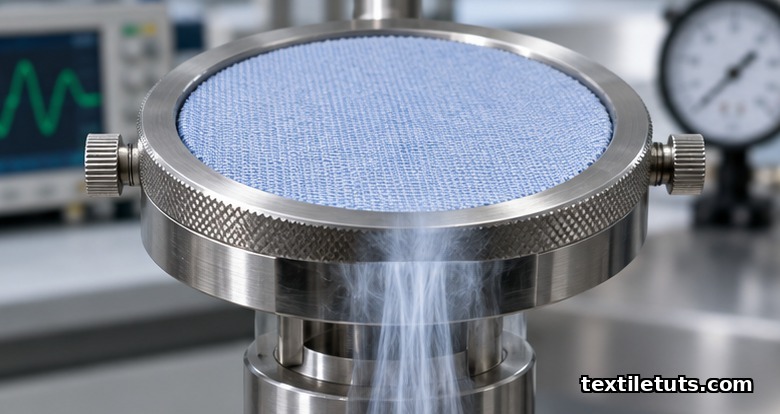
Textile Testing
Air Permeability: ISO 9237
AATCC Test Method 195 (Liquid Moisture Management Properties of Textile Fabrics) measures a fabric’s dynamic...
Read article →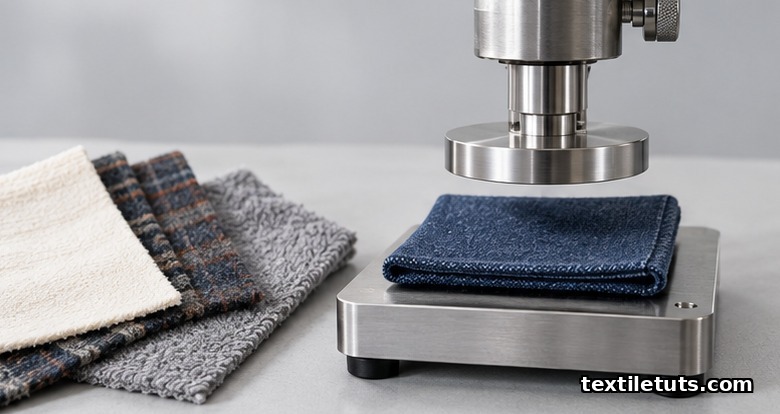
Textile Testing
Fabric Thickness: ISO 5084
AATCC Test Method 195 (Liquid Moisture Management Properties of Textile Fabrics) measures a fabric’s dynamic...
Read article →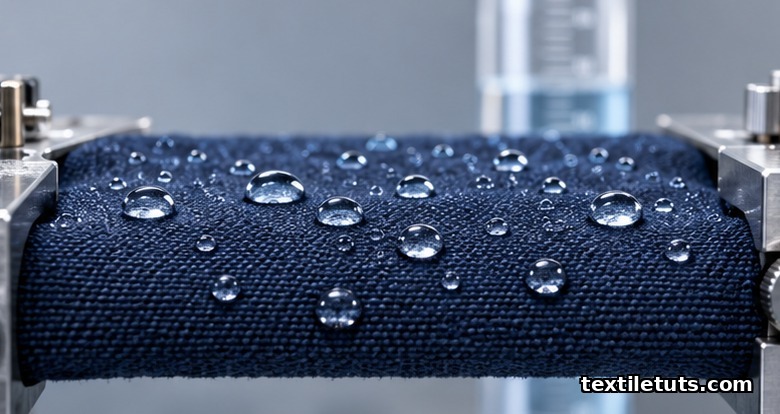
Textile Testing
Water Resistance: AATCC 127 (Hydrostatic Head)
AATCC Test Method 195 (Liquid Moisture Management Properties of Textile Fabrics) measures a fabric’s dynamic...
Read article →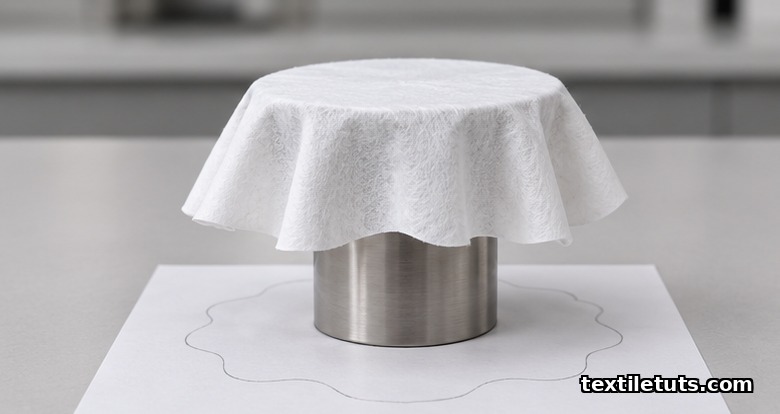
Textile Testing
Fabric Drape: ISO 9073-9
AATCC Test Method 195 (Liquid Moisture Management Properties of Textile Fabrics) measures a fabric’s dynamic...
Read article →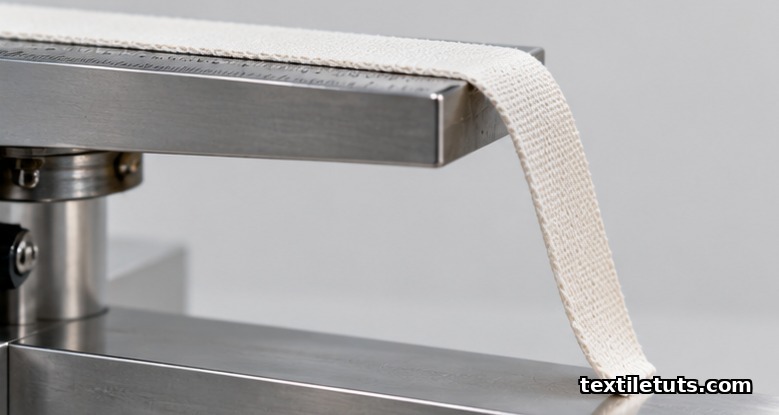
Textile Testing
Fabric Stiffness: ASTM D1388 (Cantilever)
AATCC Test Method 195 (Liquid Moisture Management Properties of Textile Fabrics) measures a fabric’s dynamic...
Read article →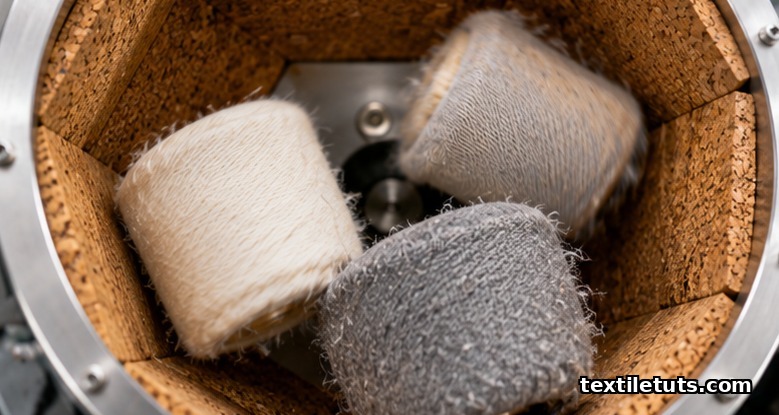
Textile Testing
Pilling Resistance: ASTM D3512 (Random Tumble)
ASTM D3512 is the standard test method for measuring pilling resistance and other related surface...
Read article →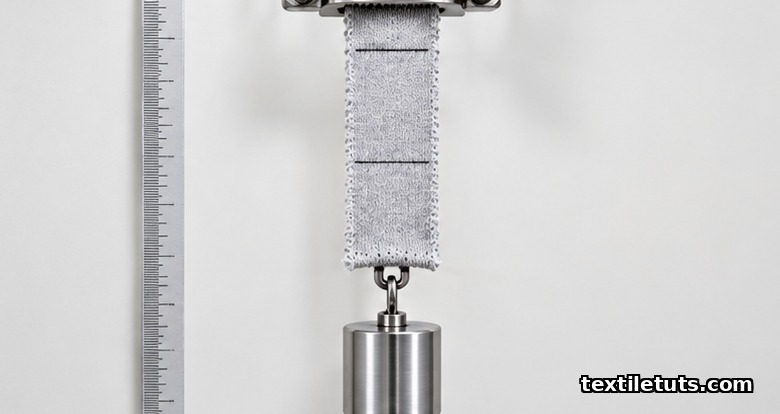
Textile Testing
Stretch and Recovery: ASTM D2594
ASTM D2594 measures stretch and recovery of low-power stretch knitted fabrics by hanging a marked...
Read article →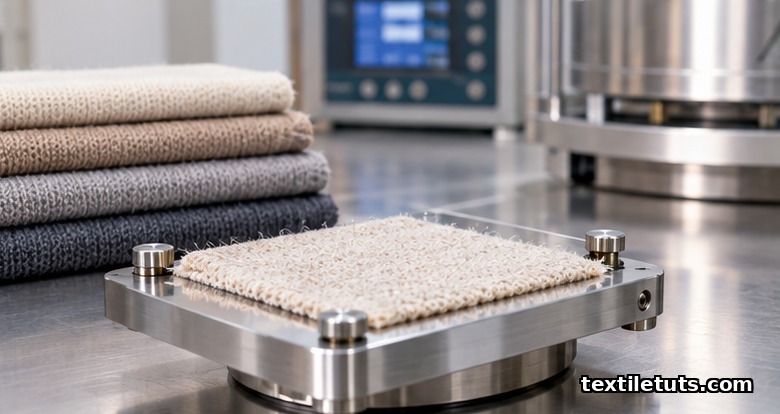
Textile Testing
Thermal Resistance: ASTM D1518
ASTM D1518 measures the steady-state thermal resistance of a textile using either a guarded two-plate...
Read article →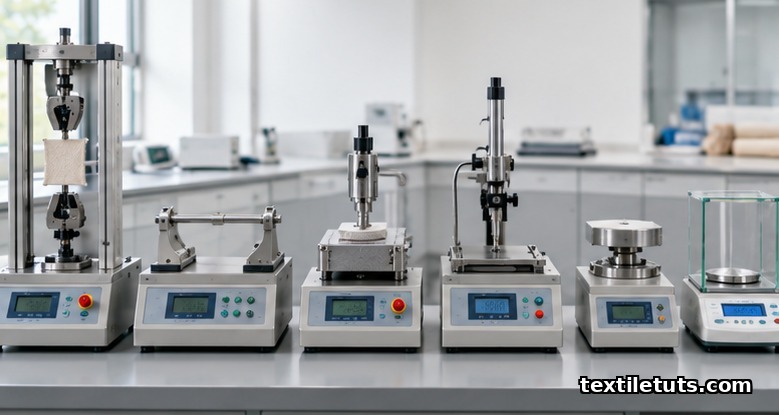
Textile Testing
Fabric Handle: Kawabata Evaluation System (KES)
The Kawabata Evaluation System (KES) is a suite of six low-stress mechanical testers developed by...
Read article →
Textile Testing
Abrasion Resistance: Martindale (ISO 12947)
The Martindale abrasion test (ISO 12947) measures how a fabric resists surface wear by rubbing...
Read article →
Textile Testing
Spirality after Washing: ISO 16322
Spirality is the angular displacement of courses (horizontal loops) or wales (vertical loops) away from...
Read article →
04
Frequently asked questions
What is the most common textile test?
Colorfastness to washing (ISO 105-C06 / AATCC TM 61). Most-frequently-run because every garment that goes through laundry must not bleed.
What is the difference between AATCC and ISO?
AATCC is the American standard (TM 61, 8, 16, 135). ISO is the international standard. Most tests have equivalent versions; labs run whichever the buyer specifies.
How long does textile testing take?
Standard tests take 1-5 days. Colorfastness to light (ISO 105-B02) is the longest at 20-80 hours of xenon-arc exposure. A 10-15 test suite takes 5-10 business days.
What is a 1-5 gray scale for colorfastness?
A visual rating: 5 = no change, 4 = slight, 3 = noticeable, 2 = considerable, 1 = severe. Used in ISO 105 and AATCC TM. Commercial-grade fabric rates 4+ dry and wet.
What is the difference between Martindale and Wyzenbeek?
Both test abrasion. Martindale (ISO 12947) uses circular rubbing; Wyzenbeek (ASTM D4157) uses linear back-and-forth. Wyzenbeek results are roughly double Martindale for the same fabric. US uses Wyzenbeek; EU uses Martindale.
Can't find what you're looking for?
The team replies to every email. Send us your question or a sample spec and we'll route it to the right specialist.