
CATEGORY HUB · 28 ARTICLES
Stained Clothes
Stain removal chemistry and practice
Stain chemistry (protein, tannin, oil, dye, ink), fiber-safe treatment, and the standard household and commercial stain removal techniques. What works for cotton may damage silk.
01
Essential reading
Start here. The most important articles that explain the category to a textile engineer in one sitting.
Garments Manufacturing & Care
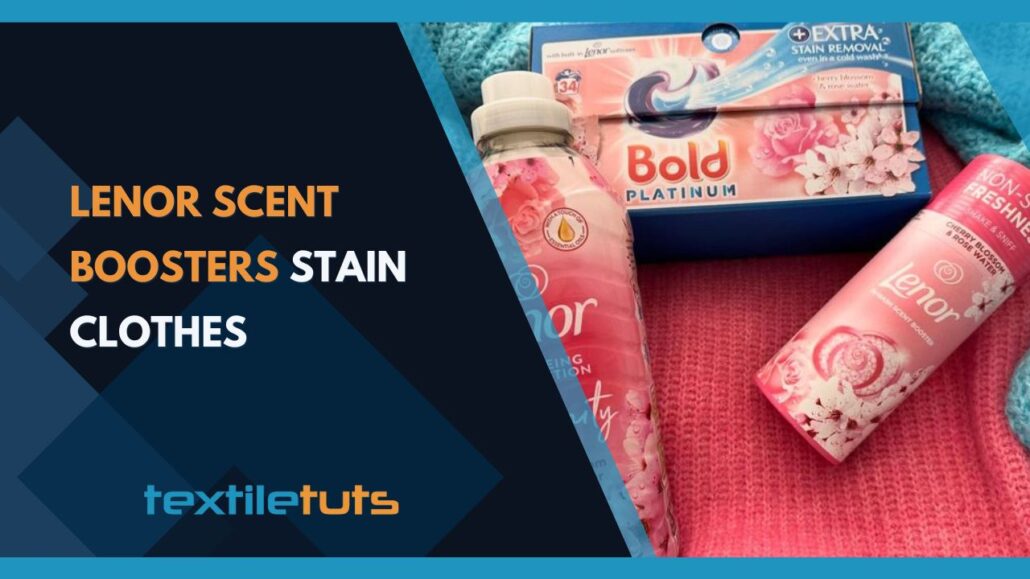
Do Lenor Scent Boosters Stain Clothes? – The Real Impact
Lenor Scent Boosters do not stain clothes when used as directed. The wax-coated fragrance beads...
Read article →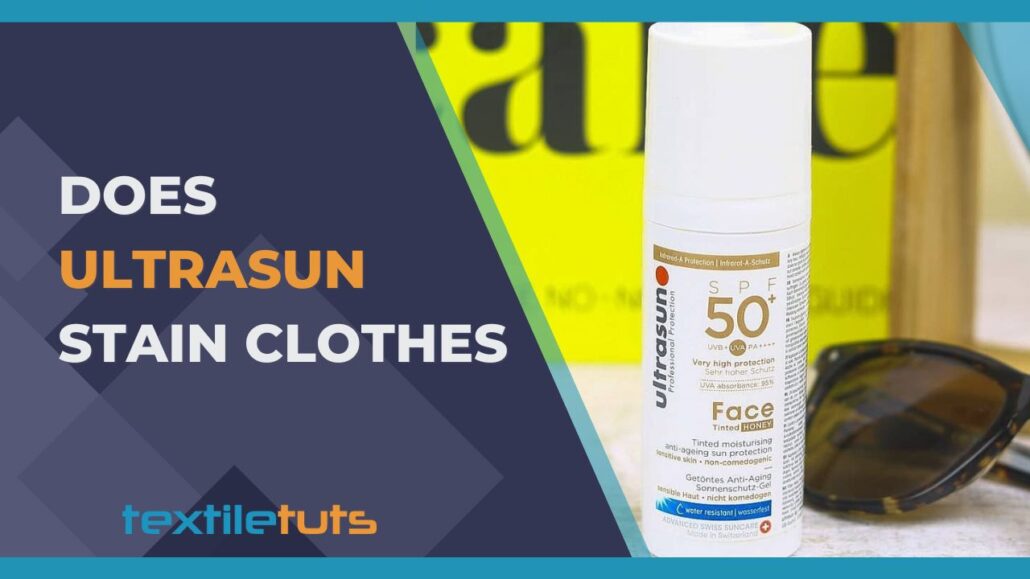
Garments Manufacturing & Care
Does Ultrasun Stain Clothes? – A Comprehensive Analysis
Lenor Scent Boosters do not stain clothes when used as directed. The wax-coated fragrance beads...
Read article →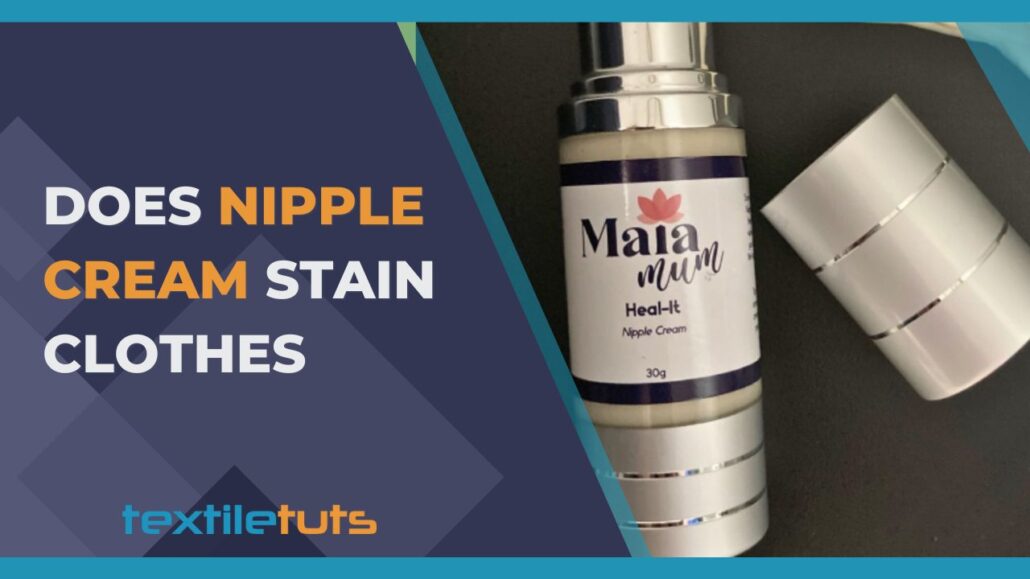
Garments Manufacturing & Care
Does Nipple Cream Stain Clothes? – Facts And Solutions
Lenor Scent Boosters do not stain clothes when used as directed. The wax-coated fragrance beads...
Read article →
Garments Manufacturing & Care
Do Black Velvet Hangers Stain Clothes?
Lenor Scent Boosters do not stain clothes when used as directed. The wax-coated fragrance beads...
Read article →
02
More from this category
More specific processes, techniques, and topic deep-dives.
Garments Manufacturing & Care
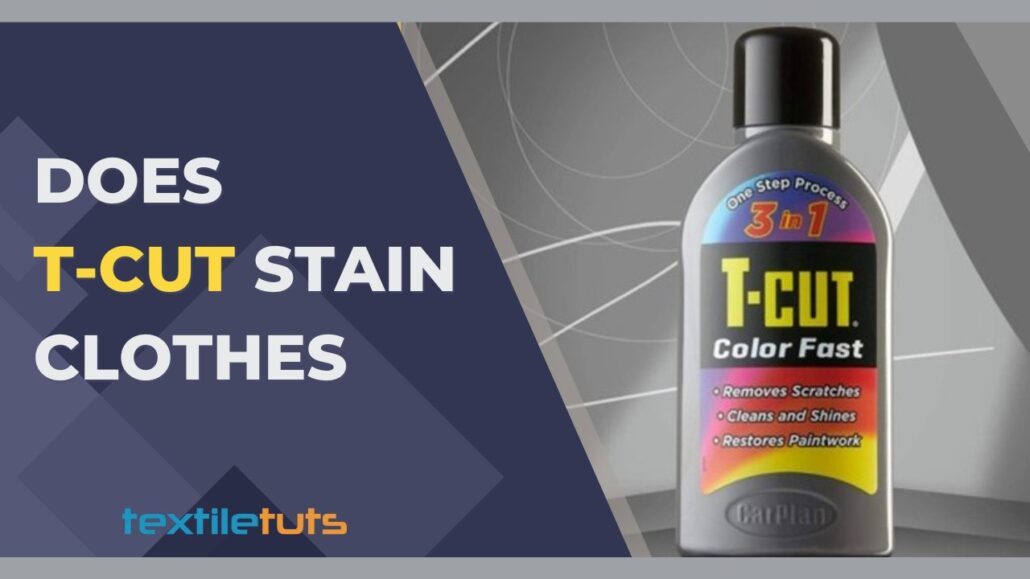
Does T-Cut Stain Clothes? – Effect On Clothing Fibers Unveiled
Lenor Scent Boosters do not stain clothes when used as directed. The wax-coated fragrance beads...
Read article →
Garments Manufacturing & Care
Unpacking The Question: Does Neosporin Stain Clothes?
Lenor Scent Boosters do not stain clothes when used as directed. The wax-coated fragrance beads...
Read article →
Garments Manufacturing & Care
Does P20 Stain Clothes? – The Stain Fiasco
Lenor Scent Boosters do not stain clothes when used as directed. The wax-coated fragrance beads...
Read article →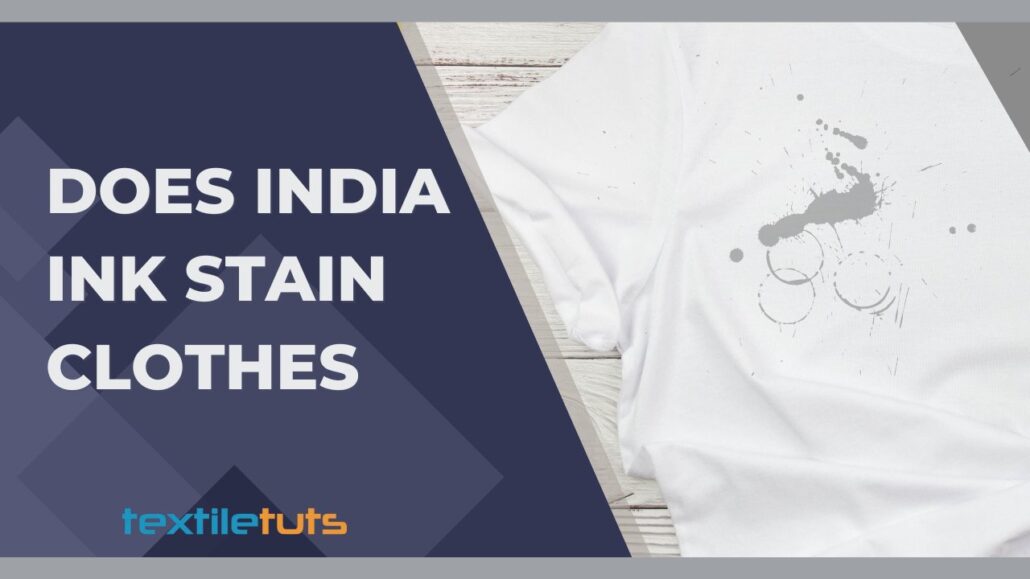
Garments Manufacturing & Care
Does India Ink Stain Clothes? – Exploring Myths and Solutions
Lenor Scent Boosters do not stain clothes when used as directed. The wax-coated fragrance beads...
Read article →
Garments Manufacturing & Care
Does Sudocrem Stain Clothes? – Tips To Safeguard Your Clothes
Lenor Scent Boosters do not stain clothes when used as directed. The wax-coated fragrance beads...
Read article →
Garments Manufacturing & Care
Do Downy Unstopables Stain Clothes?
Lenor Scent Boosters do not stain clothes when used as directed. The wax-coated fragrance beads...
Read article →
Garments Manufacturing & Care
Does Yellow Shea Butter Stain Clothes?
Lenor Scent Boosters do not stain clothes when used as directed. The wax-coated fragrance beads...
Read article →
Garments Manufacturing & Care
Does TCP Stain Clothes? – The Real Threat To Fabrics
Lenor Scent Boosters do not stain clothes when used as directed. The wax-coated fragrance beads...
Read article →
Garments Manufacturing & Care
Do Bubbles Stain Clothes? – Suds To Stubborn Stains
Yes, soap bubbles do stain clothes. The color agents and other substances contained in the...
Read article →
Garments Manufacturing & Care
Does Yellow Amoxicillin Stain Clothes? – Prescription Precautions
Yes, liquid forms of amoxicillin—which are often a yellow-orange color due to added dye compounds...
Read article →
Garments Manufacturing & Care
Do Super Noodles Stain Clothes?- Real Deal On Clothing Stains
Super Noodles cause visible stains on clothing when their seasoning ingredients — particularly turmeric-based colorants...
Read article →
Garments Manufacturing & Care
Does Aquaphor Stain Clothes? – Top 9 Hacks To Prevent Stains
Yes, Aquaphor does stain clothes. Its petroleum base—petrolatum (41%) and mineral oil—penetrates fabric fibers and...
Read article →
Stained Clothes
Does Acetone Stain Clothes? – Effects Of Nightmare
Yes, acetone stains clothes. When acetone contacts certain fabrics, it dissolves dyes and pigments, causing...
Read article →
Garments Manufacturing & Care
Why Do My White Socks Turn Blue? – The Science Behind Color Transformation
White socks turn blue primarily because of dye transfer from dark-colored garments washed alongside them....
Read article →
04
Frequently asked questions
What is the difference between tannin and protein stains?
Tannin stains (coffee, tea, wine) come from plants. Treated with mild acid or detergent. Protein stains (blood, sweat, food) come from animals. Treated with enzymatic cleaner. Mixing tannin and protein treatments can set the stain permanently.
Can I remove a stain from silk?
Yes, but with care. Silk is protein-based and sensitive to harsh chemicals. Test on an inconspicuous area first. Use gentle detergent or specialized silk cleaner. Avoid bleach (damages silk), hot water (can set stains), and vigorous rubbing.
What is the best stain remover for old stains?
Depends on stain type. For old tannin stains: oxygen bleach (peroxide) soak. For old protein stains: enzymatic pre-soak. For old oil-based stains: dish soap + baking soda paste. Multiple treatments may be needed.
Should I use hot or cold water for stains?
Cold water is safe for most stains. Hot water can set protein (blood, sweat) and tannin (coffee, tea) stains permanently. For oily stains, hot water with detergent works best. When in doubt, use cold first.
What is the difference between bleach and oxygen bleach?
Chlorine bleach (sodium hypochlorite) is strong, fast-acting, but can damage colors and fibers. Oxygen bleach (sodium percarbonate) is gentler, color-safe, works on most stains but slower. Both are effective on organic stains.
Can't find what you're looking for?
The team replies to every email. Send us your question or a sample spec and we'll route it to the right specialist.