
Why Does My White Shirt Turn Yellow?

White shirts turn yellow due to sweat, body oils, fabric degradation, and chemical reactions. When shirts yellow in the underarm or neck area, the cause is sweat and body oils. This discoloration affects white clothing most visibly because the bright fabric makes any discoloration stand out.
This guide covers every cause of yellowing, the most effective restoration methods ranked by fabric type, and a prevention system to keep your white shirts bright.
All the Reasons Why Your White Shirt Turns Yellow
White clothes turn yellow due to several distinct mechanisms. The primary causes include:
Sweat and Body Oils
Sweat and body oils accumulate on fabric when shirts are worn multiple times before washing. These substances contain fatty acids and salts that penetrate cotton fibers (which absorb 8-10% of their weight in water) and begin breaking down the cellulose structure. The decomposition of these organic compounds produces chromophoric groups that create yellow discoloration. Synthetic fibers like polyester can also yellow when exposed to excessive chlorine bleach due to oxidative degradation of the polymer chains.
Cross-Staining from Other Garments
Washing white shirts with dark-colored items causes dye transfer. This cross-staining occurs most frequently when water temperature exceeds 40°C (104°F), as higher heat sets dye molecules into fabric faster. The International Fabricare Institute notes that red and navy dyes are the most common culprits for bleeding onto white loads.
Detergent and Fabric Softener Residue
Incomplete rinsing leaves detergent residue (typically containing 15-30% surfactants) on fabric. Over time, these alkaline compounds degrade cellulose fibers in cotton. Fabric softeners contain cationic surfactants that can accumulate and oxidize, forming yellow compounds. Running an empty hot water cycle with 1 cup of white vinegar monthly prevents this buildup.
UV Radiation Degradation
Ultraviolet radiation from sunlight causes photochemical degradation of textile fibers. Cotton exposed to direct sunlight for extended periods experiences up to 30% strength loss over 12 months, along with color changes. UV rays break the cellulose polymer chains, producing carbonyl groups that absorb visible light and appear yellow.
Food and Drink Stains
Tannins from coffee, tea, and wine contain polyphenolic compounds that oxidize upon exposure to air and light, turning brown to yellow. These polyphenols penetrate deep into fabric weaves. Immediate treatment with cold water and enzyme-based detergent prevents setting.
How to Restore Yellowed White Clothes
Yellowed white clothes require targeted treatment based on the cause and fabric type. Several methods effectively restore whiteness without damaging fibers.
Oxygen Bleach Treatment
Oxygen bleach (sodium percarbonate) releases hydrogen peroxide when dissolved in water at temperatures above 40°C (104°F). Mix 1/4 cup of oxygen bleach powder with 4 liters (1 gallon) of warm water at 40-50°C. Soak garments for 4-6 hours, then launder as usual. This method is safe for cotton, linen, and synthetic fabrics.
Chlorine Bleach for Stubborn Stains
Standard household chlorine bleach (sodium hypochlorite) at 5.25% concentration effectively whitens cotton and linen. Add 1/2 cup of chlorine bleach to a full washing machine load. Set the machine to the hottest water temperature safe for the fabric (check garment label). Never use chlorine bleach on silk, wool, spandex, or polypropylene.
Baking Soda and Hydrogen Peroxide Paste
For spot treatment, mix 3 tablespoons of baking soda with 250ml (1 cup) of 3% hydrogen peroxide solution. Apply directly to yellowed areas and allow 30 minutes before washing. This combination produces a gentle bleaching action suitable for most washable fabrics.
White Vinegar and Salt Solution
Mix 1/2 cup (120ml) of white vinegar with 1/2 cup (120g) of salt in 4 liters (1 gallon) of hot water at 50-60°C. Soak garments for 3-4 hours. The acetic acid in vinegar (typically 5-8% concentration) dissolves mineral deposits and alkaline residues, while salt acts as a mild bleaching agent.
Toothpaste Spot Treatment
Non-gel whitening toothpaste contains mild abrasives and low concentrations of hydrogen peroxide. Mix 1 teaspoon of toothpaste with 250ml of water. Apply to yellowed spots, rub gently with a soft brush, and rinse thoroughly after 15 minutes.
Lemon Juice Application
Lemon juice contains 5-6% citric acid and has natural whitening properties. Add 1/2 cup of lemon juice to the washing machine’s bleach dispenser or apply directly to stains. Wash at 40°C maximum for colored trims. For white cotton, boiling with lemon juice for 15 minutes produces noticeable results.
Denture Cleaning Tablets
Denture tablets contain sodium bicarbonate, citric acid, and sodium percarbonate. Dissolve 3-4 tablets in 500ml of hot water at 60°C. Soak white garments for 2-4 hours. The effervescent action helps lift stains from fabric fibers.
Hydrogen Peroxide Soak
Use 3% hydrogen peroxide (the standard drugstore concentration). Mix 1 part hydrogen peroxide with 2 parts cool water. Soak garments for 30-60 minutes before rinsing and washing. This concentration is safe for most fabrics and effective against organic stains.
Aspirin Dissolution Method
Dissolve 5 uncoated aspirin tablets (325mg each) in 2 liters of hot water at 50°C. Soak white cotton garments for 30-60 minutes. Aspirin contains acetylsalicylic acid, which helps break down protein-based stains and neutralize alkaline residues.
Restoration Methods Quick-Reference
| Method | Best For | Water Temp | Soak Time | Fabric Safety |
|---|---|---|---|---|
| Oxygen Bleach | General yellowing | 40-50°C (104-122°F) | 4-6 hours | Safe for all washable fabrics |
| Chlorine Bleach | Stubborn stains on white cotton | Hottest safe for fabric | 5-10 min in washer | Cotton/linen only; never silk, wool, spandex |
| Baking Soda + Hydrogen Peroxide | Spot treatment | Room temp | 30 minutes | Most washable fabrics |
| Vinegar + Salt | Mineral deposits, alkaline residue | 50-60°C (122-140°F) | 3-4 hours | Most washable fabrics |
| Lemon Juice | Natural whitening, light stains | 40°C max (86°F) or boiling for cotton | 15 min boiling or standard wash | White cotton only; avoid colored trims |
| Denture Tablets | General brightening | 60°C (140°F) | 2-4 hours | Most washable fabrics |
| Hydrogen Peroxide Soak | Organic stains, delicate fabrics | Cool water | 30-60 minutes | Safe for most fabrics |
| Aspirin | Protein stains, alkaline residue | 50°C (122°F) | 30-60 minutes | White cotton primarily |
How to Prevent White Shirts from Turning Yellow
Prevention requires consistent care practices that address each yellowing mechanism.
Proper Storage of White Garments
Store white shirts in cool, dark, and dry locations with good air circulation. Avoid plastic bags, which trap moisture and cause mildew. Use cotton garment bags for long-term storage. Keep storage temperatures below 25°C (77°F) and relative humidity below 50%.
Correct Washing Frequency and Technique
Wash white shirts after each wearing if exposed to sweat or body oils. Use enzyme-based detergents containing proteases and lipases at wash temperatures of 30-40°C (86-104°F) for regular cycles. Separate white garments from colored items strictly. Use 1/4 the normal detergent amount to prevent residue buildup.
Pre-Soaking Stained Garments
Before main washing, pre-soak heavily stained items in 4 liters of warm water with 2 tablespoons of enzyme detergent for 30 minutes. This allows enzymes to break down protein and fat stains at lower temperatures, preserving fabric integrity.
Appropriate Water Temperature Selection
Wash white cotton at 40-60°C (104-140°F) for general cleaning. Use 30°C (86°F) for synthetic fabrics and blends to prevent setting stains. Reserve 60°C (140°F) or higher for heavily soiled white cotton that can withstand hot water without shrinkage.
Sun Drying for Natural Bleaching
Hang white garments in direct sunlight after washing. UV radiation provides natural bleaching action. Turn items inside out after 1 hour to prevent UV damage to the outer surface. Limit sun exposure to 3-4 hours maximum. This method works best for cotton and linen.
Water Temperature Quick-Reference
| Fabric Type | Recommended Wash Temp | Pre-Soak Temp | Special Notes |
|---|---|---|---|
| White Cotton | 40-60°C (104-140°F) | 40°C (104°F) | Can tolerate 60°C+ for heavily soiled items |
| Linen | 40-60°C (104-140°F) | 40°C (104°F) | Hot water helps remove body oils |
| Synthetic Blends | 30°C (86°F) | 30°C (86°F) | Higher temps may set stains or damage fibers |
| Silk/Wool | Cool/30°C (86°F) | Room temp | Use gentle detergent; never chlorine bleach |
Yellowing Prevention Checklist
- Wash white shirts after each wearing if exposed to sweat or body oils
- Separate white garments from colored items in every wash load
- Use enzyme-based detergents at 30-40°C (86-104°F) for regular cycles
- Use only 1/4 the normal detergent amount to prevent residue buildup
- Store in cool, dark, dry locations with good air circulation
- Use cotton garment bags for long-term storage
- Keep storage temperature below 25°C (77°F) and humidity below 50%
- Pre-soak heavily stained items for 30 minutes before main washing
- Run an empty hot water cycle with 1 cup white vinegar monthly to remove detergent residue
- Sun dry white cotton and linen for natural bleaching; turn inside out after 1 hour
Why White Clothes Sometimes Turn Pink
White clothes turning pink indicates dye transfer from red or pink items, chemical residue from contaminated storage, or rust from metal hardware. Investigate wash loads for color bleeders and check storage containers for dye bleeding from previous contents.
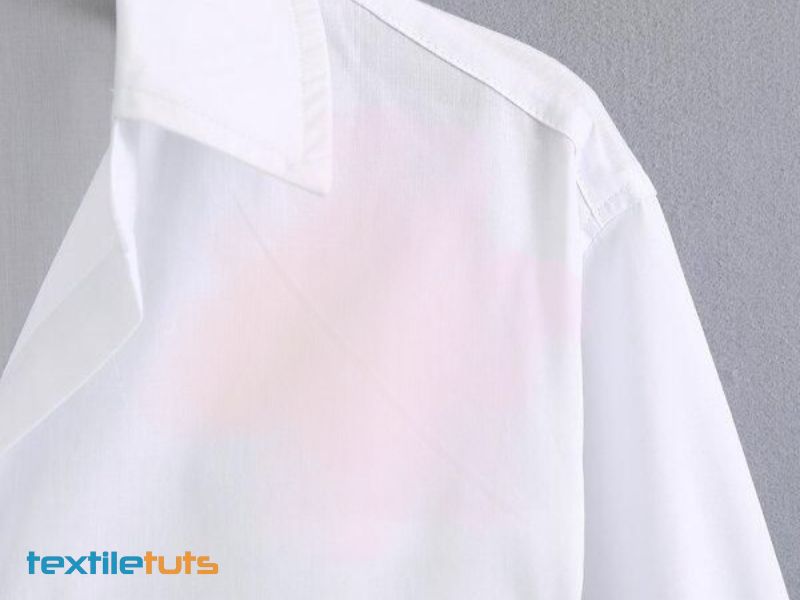
Common causes include washing with red clothing that bleeds, contact with pink-dyed items in storage, or exposure to rust particles from water pipes or dryer vents. Treat pink discoloration with oxygen bleach or sodium thiosulfate solution.
Final Say
White shirts turn yellow due to sweat, body oils, chemical residues, UV exposure, and cross-staining. Understanding the specific cause determines the appropriate treatment. Prevention through proper washing, storage, and prompt stain treatment maintains white garment appearance. The methods described above restore most yellowed white garments to acceptable whiteness.
References
- Wikipedia Contributors. (2024). Laundry Detergent. Wikipedia.
- Wikipedia Contributors. (2024). Bleach. Wikipedia.
- cottonworks.com. (2024). Care and Laundering Guide. Cotton Incorporated.
- TextileTuts. (2024). Why Do White Clothes Turn Yellow. TextileTuts.


