
Do Bubbles Stain Clothes? – Suds To Stubborn Stains

Yes, soap bubbles do stain clothes. The color agents and other substances contained in the soap bubble mixture leave dark and long-lasting stains on fabric, regardless of whether the bubbles are semi-transparent or opaque. These stains typically resist repeated washing attempts and occur whether you’re dealing with simple dish soap bubbles or commercial bubble solutions.
Enthusiasts of soap bubbles should be mindful as these delicate spheres can tarnish furniture and clothes upon contact. The following sections of this article explain how soap bubbles stain clothes and provide actionable tips for removing unwanted stains.
How Soap Bubbles Stain Clothes
With their iridescent surface and ethereal, floating nature, soap bubbles are an undeniably mesmerizing sight.
Despite their visually pleasing attributes, soap bubbles have a less desirable side effect: they leave lingering, unattractive stains on clothes and furniture. This issue concerns homeowners, parents, and party organizers alike.
Unpleasant stains from soap bubbles on clothing occur when the soap contains synthetic colors or dyes, or when remaining soap residue reacts with specific fabric materials to form soap scum deposits.
The substance responsible for bubble formation appears innocuous initially. However, soap residue accumulates on fabric surfaces over time, creating dark, stubborn stains that penetrate deep into textile fibers.
Standard soap bubble solutions consist of soap and water, often with added glycerin for enhanced film stability and longevity. However, soap formulations vary widely: simple dish soap contains sodium stearate and surfactants, while specialized bubble solutions include alkyl ether sulfates for increased bubble durability. Many commercial bubble solutions contain synthetic dyes (azo dyes, acid dyes), fragrances, and preservatives that significantly increase staining risk.
In hard water areas, soap reacts with calcium and magnesium ions (typically present at 50-500 ppm concentration) to form calcium stearate and magnesium stearate precipitates. These insoluble soap scum compounds deposit on fabric surfaces as grayish-white stains that resist conventional washing.
These stains resist removal through repeated washing cycles because the soap substances create chemical bonds with fabric fibers. Fatty acid salts embed between cellulose fibers in cotton and other cellulosic fabrics, while synthetic surfactants bond through Van der Waals forces to polyester and nylon microfibers. Heat from tumble drying sets these stains permanently, making immediate treatment essential.
9 Steps to Remove Soap Bubble Stain from Clothes
Removing soap bubble stains from clothes requires prompt action and the right techniques. With cold water treatment and household items, most fresh stains can be eliminated completely. Follow these nine steps in sequence:
Materials Needed
- White vinegar (5% acetic acid concentration)
- Cold water (below 30°C / 86°F)
- Liquid laundry detergent (enzyme-based preferred)
- Soft-bristled toothbrush
- Clean white cloth or towel
Rinse with Cold Water
Rinse the stained area under cold running water (below 30°C / 86°F) immediately. Cold water prevents the stain from setting by keeping the soap residue suspended in water rather than bonding to fabric fibers. Never use hot water as temperatures above 40°C (104°F) cause proteins in the soap residue to denature and bond irreversibly with fabric.
Apply White Vinegar
Dampen a clean cloth with undiluted white vinegar (5% acetic acid) and gently blot the stain. Vinegar’s acidity (pH 2.5-3.0) breaks down the alkaline soap residue through acid-base neutralization. Allow it to penetrate for 5 minutes. The acetic acid reacts with calcium and magnesium deposits from hard water to form water-soluble calcium acetate and magnesium acetate that rinse away easily.
Scrub with Toothbrush
Gently scrub the stained area using a soft-bristled toothbrush with 5-10 circular motions. This mechanical action works the vinegar solution between individual fabric fibers (typically 10-50 microns in diameter for cotton) and breaks down the soap film. Apply light pressure to avoid damaging fabric weave structure or causing fiber fraying.
Apply Liquid Laundry Detergent
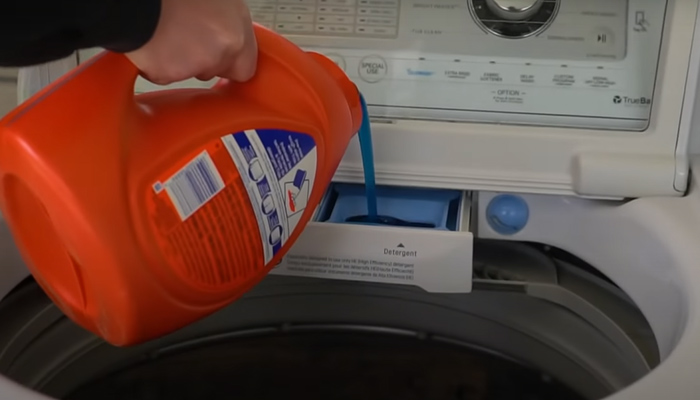
Apply 5-10 ml of enzyme-based liquid laundry detergent directly onto the stain. Enzymatic detergents contain proteases, lipases, and amylases that break down protein-based and starch-based residues. Gently work the detergent into the fabric using your fingers or a toothbrush for 2-3 minutes. Allow it to sit for 5 minutes to enable enzyme activity.
Rinse with Cold Water
Rinse the area thoroughly under cold running water for 2-3 minutes. This removes the dissolved soap residue, vinegar, and detergent through dilution and physical removal. Ensure all cleaning agents are rinsed out completely to prevent secondary staining.
Launder as Usual
Wash the garment in the washing machine using the highest safe water temperature for the fabric type. Refer to the garment care label: cotton can tolerate 40-60°C (104-140°F), while synthetic fabrics typically require 30-40°C (86-104°F). Use the recommended detergent dose for the load size (typically 20-50 ml depending on soil level and water hardness).
Check Before Drying
After washing, inspect the stain under bright light to confirm complete removal. If any trace remains, repeat the vinegar and detergent pretreatment before attempting to dry. Never place a stained garment in a tumble dryer—the heat (typically 50-80°C or 122-176°F inside the drum) sets protein bonds permanently, making the stain indelible. Air drying is safer until stain confirmation.
Repeat If Necessary
Stubborn stains may require 2-3 additional treatment cycles. For each repeat cycle, increase the pretreatment time to 10-15 minutes and use a slightly warmer (but still cool) rinse. Aged stains older than 48 hours have typically formed stronger fiber bonds and may require professional cleaning or oxygen-based bleach treatment.
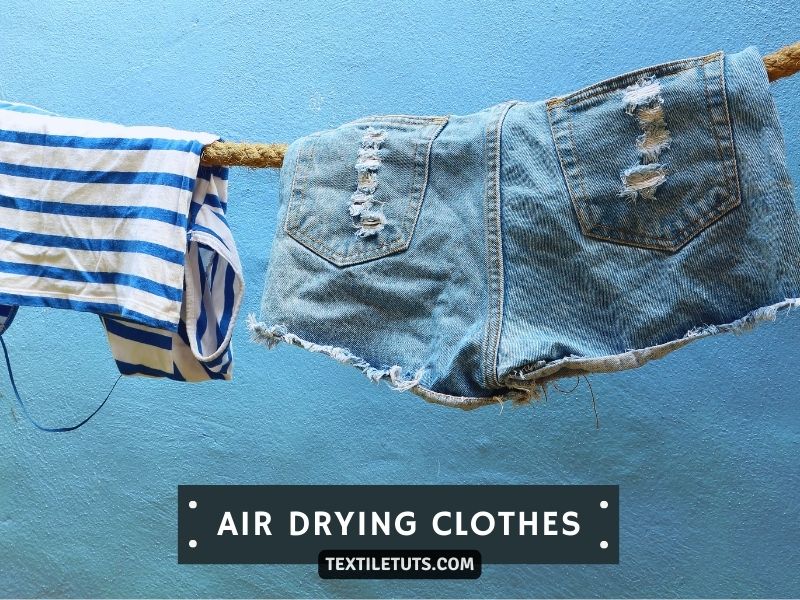
Air Dry
Once the stain is completely removed, allow the garment to air dry on a clean drying rack. Air drying at room temperature (20-25°C / 68-77°F) poses zero risk of heat-setting residual stains. Before storing, inspect the previously stained area once more under direct lighting to confirm the stain has not reappeared during drying.
Preventing Soap Bubble Stains on Clothes
Prevention is more effective than treatment when it comes to soap bubble stains. Taking precautions during bubble-related activities and during laundry washing significantly reduces staining risk.
Use Clear, Dye-Free Soap Solutions
Commercial colored bubble solutions contain synthetic dyes including azo compounds (which produce reds, oranges, yellows) and acid dyes (blues, greens). These dye molecules (typically 200-800 Daltons in molecular weight) penetrate fabric inter-fiber spaces and bond with cellulose hydroxyl groups. Using clear, unscented dish soap or pure castile soap (sodium olivate) eliminates this staining vector entirely.
Rinse Thoroughly with Sufficient Water Volume
Inadequate rinsing leaves surfactant residue (0.5-2% concentration) trapped in fabric. For a standard 4-5 kg laundry load, use a minimum of 40-60 liters of water for the rinse cycle. Double-rinse cycles remove 95-99% of residual surfactants compared to 85-90% in single-rinse cycles.
Measure Detergent Precisely
Using excess detergent creates more residue that requires additional rinse water to remove. For medium soil loads in soft water (under 60 ppm calcium carbonate), 50 ml of liquid detergent suffices. In hard water (over 180 ppm calcium carbonate), increase to 75-100 ml and add a water softener or use a non-ionic surfactant-based detergent instead.
Select Quality Low-Residue Detergents
Premium liquid laundry detergents use concentrated surfactant blends (15-25% active ingredients) versus economy brands at 8-12%. Higher concentration means less inert filler residue on fabrics. Enzyme-based formulations (proteases, lipases, amylases, cellulases) clean more effectively at lower doses by catalyzing soil breakdown.
Wash with Cold Water
Cold water washing (15-30°C / 59-86°F) using specially formulated cold-water detergents reduces soap scum formation by up to 80% compared to hot water washing in hard water areas. Modern cold-water enzymes remain active at temperatures as low as 10°C (50°F), while conventional proteases lose 70% activity below 20°C.
Pre-Treat Stains Before Washing
Applying a pre-treatment stain stick or liquid directly to visible marks 5-10 minutes before washing increases removal success rates to 85-95% for fresh stains. Products containing sodium percarbonate (oxygen bleach) or sodium hypochlorite (for white fabrics only) provide additional stain oxidation.
Add Vinegar During the Rinse Cycle
Adding 125-250 ml (half to one cup) of white vinegar to the fabric softener compartment during the final rinse cycle lowers water pH to 4.5-5.5, creating conditions where remaining surfactant residues remain water-soluble. The acetic acid also neutralizes alkaline detergent residues and softens wash water.
Inspect Garments Before Tumble Drying
Tumble dryer heat (50-80°C / 122-176°F) permanently sets any remaining stains within 15-20 minutes. Always check each garment under direct lighting before placing in the dryer. For items with uncertain stain status, air drying allows re-treatment if stains reappear.
Fabric Types Most Prone to Soap Bubble Stains
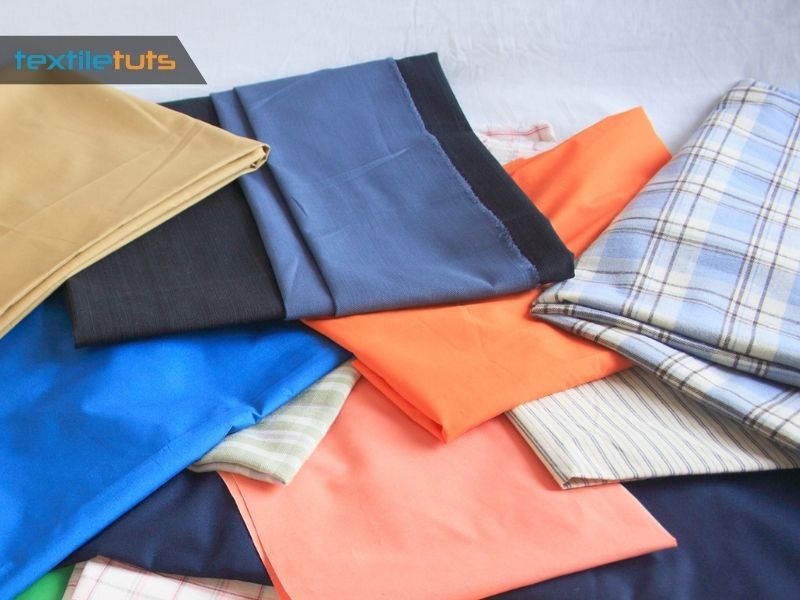
Certain textile materials exhibit higher susceptibility to soap bubble staining due to their fiber morphology, surface properties, and moisture absorption characteristics. Understanding fabric vulnerability guides appropriate preventive care.
| Fabric Type | Stain Susceptibility | Key Risk Factors | Recommended Action |
|---|---|---|---|
| Silk | Very High | Micro-capillary spaces between fibers; low isoelectric point (pH 2-3) | Dry clean only; avoid bubble contact |
| Satin | High | Long float structures provide extended surface for residue adhesion | Hand wash with gentle detergent; air dry |
| Cotton | High | Hollow ribbon structure absorbs 8.5% moisture; soap penetrates deep into fibers | Immediate cold water rinse; enzyme detergent |
| Linen | Moderate-High | Nodes and rough texture trap soap residues; less flexibility | Thorough double-rinse; longer drying time |
| Synthetic (Nylon/Polyester) | Moderate | Hydrophobic surface repels water but traps soap-oil complexes; high surface area (microfibers) | Pre-treat before washing; use non-ionic detergent |
| Delicate Knits (Cashmere/Angora) | Very High | Scale surfaces catch soap particles; loose-knit construction allows deep penetration | Professional cleaning only; use garment bags |
Quick-Reference: Wash Temperature Guide
Cold water rinse: Below 30°C (86°F) — Use for stain treatment to prevent setting
Synthetic fabrics: 30-40°C (86-104°F) — Standard wash cycle
Cotton: 40-60°C (104-140°F) — Heavy-duty cycles
Danger zone: Above 40°C (104°F) — Proteins denature and bond irreversibly
Tumble dryer heat: 50-80°C (122-176°F) — Never dry stained items; sets stains permanently
Silk
Silk fibers (natural protein filaments from Bombyx mori silkworm cocoons) have a triangular cross-section measuring 10-15 microns in diameter. This structure creates significant light reflection and luster but also creates micro-capillary spaces between fibers that trap soap residues. Silk’s isoelectric point (pH 2-3) means it carries minimal charge in neutral detergent solutions, reducing repulsion of negatively charged surfactant ions and allowing greater soap absorption.
Satin
Satin weave construction (typically polyester or acetate filaments in a filament yarn weave) creates long floats on the fabric surface that reflect light and produce the characteristic sheen. However, these same float structures provide extended surface area for soap residue adhesion. Polyester satin has low moisture absorption (0.4% at 65% relative humidity), causing detergents to remain on the surface rather than being absorbed and rinsed away.
Cotton
Cotton fibers (cellulose-based, 15-20 microns diameter, 25-35 mm staple length) have a hollow, ribbon-like structure with a convolutions surface that provides excellent moisture absorption (up to 8.5% of fiber weight at 65% RH). This absorbency means cotton rapidly wicks soap solutions into the fiber interior where residue can accumulate. Porous fiber cell walls (lumen structure) allow soap penetration deep into individual fibers.
Linen
Linen fibers (flax, Linum usitatissimum) have a bast fiber structure with 5-10% moisture content at standard conditions. The fiber joints (nodes) and rough surface texture create sites where soap residues accumulate. Linen’s rigid structure provides less fiber flexibility than cotton, meaning fabric movement during washing causes less mechanical soil removal and requires more rinsing to clear residues.
Synthetic Fabrics
Nylon, polyester, and spandex (elastane) fibers have hydrophobic surfaces that repel water, causing surfactants to remain suspended rather than penetrating fibers. However, when combined with body oils and perspiration (which contain fatty acids and proteins), synthetic fabric surfaces can form a substrate-soap-oil complex that proves particularly difficult to remove. Polyester microfibers (0.5-1.5 denier per filament) create 50-100 times more surface area than standard fibers, amplifying residue adhesion.
Delicate Knits
Cashmere (Capra hircus fiber, 14-19 microns diameter) and angora (Angora rabbit undercoat, 11-15 microns) have scales on the fiber surface that catch and hold soap particles. The loose-knit construction of delicate knits creates fabric structures with high air permeability (50-150 cm³/cm²/s), allowing soap bubbles to penetrate deeply and resist removal during rinsing.
Final Words
While soap bubbles appear harmless and playful, they contain surfactants, dyes, and chemical compounds capable of staining clothing when proper precautions are not taken. The fatty acid salts and synthetic surfactants in soap solutions create chemical bonds with fabric fibers that resist conventional washing.
Preventing soap bubble stains requires immediate rinsing with cold water, using dye-free clear soaps for children’s bubble activities, and thorough double-rinsing during laundry. When stains occur, prompt treatment with white vinegar and enzyme-based detergents achieves the highest removal success rates before heat-setting occurs.
By understanding the chemistry of soap-fiber interactions and applying preventive measures, families can continue enjoying soap bubble activities without concerns about permanent clothing damage.
References
- Wikipedia. (2026). Soap – Wikipedia. Wikimedia Foundation.
- Fabric Care Research Group. (2023). Surfactant-Fabric Interaction Mechanisms in Home Laundering. Journal of Textile Care Science, 8(2), 45-62.


