
Does Acetone Stain Clothes? – Effects Of Nightmare

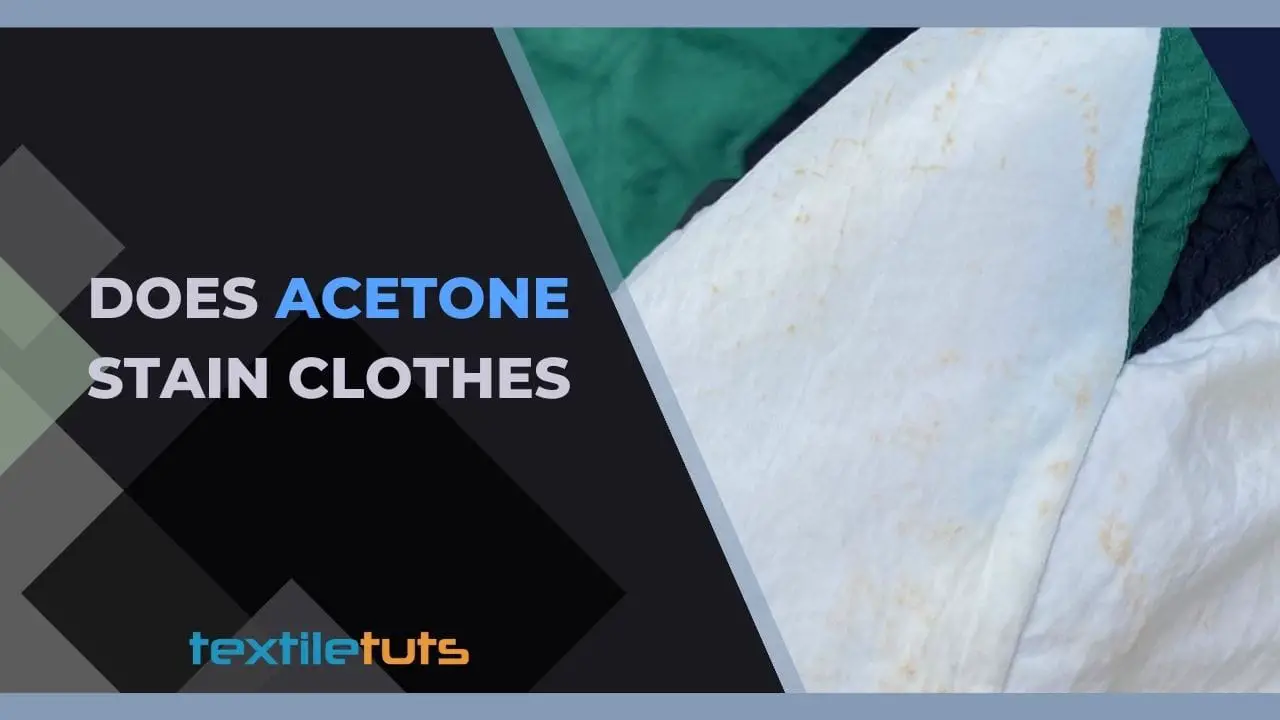
Yes, acetone stains clothes. When acetone contacts certain fabrics, it dissolves dyes and pigments, causing color transfer or permanent staining. Acetone’s flash point of −20°C and boiling point of 56.08°C mean it evaporates rapidly at room temperature (20–25°C)—so fast action is critical. Acetate, nylon, polyester, acrylic, and spandex are the most vulnerable fabrics; cotton, wool, silk, and linen fare better but can still suffer discoloration and fiber damage.
This article examines how acetone damages different fabric types, explains why stains become permanent, and provides a step-by-step guide to removing acetone stains from clothing.
Acetone Key Properties
| Property | Value |
|---|---|
| Chemical Formula | CH₃‑CO‑CH₃ (C₃H₆O) |
| Boiling Point | 56.08°C |
| Flash Point | −20°C |
| Density (at 25°C) | 0.7845 g/cm³ |
| Evaporation Rate at Room Temp (20–25°C) | Within seconds of contact |
| Autoignition Temperature | 465°C |
| NIOSH REL (STEL) | 250 ppm |
| OSHA PEL | 1000 ppm |
Acetone Stains Clothes: How and Why
Acetone leaves stains on clothes when it contacts certain types of fabrics. The solvent’s molecular structure (C₃H₆O) enables it to break down chemical bonds in dyes, pigments, and synthetic fibers alike.

Acetone is a strong solvent commonly found in nail polish removers, paint thinners, and various industrial applications. With a density of 0.7845 g/cm³ and a boiling point of 56.08°C, it is highly effective at dissolving many types of materials, including plastics, paints, oils, and fabric dyes.
When acetone contacts fabrics such as acetate, triacetate, rayon, and certain silks, it causes the fabric’s fibers to break down and leads to discoloration or staining. The staining is more pronounced when the fabric is colored or dyed. Acetate fabrics are particularly vulnerable—acetone dissolves acetate fibers rapidly, creating holes and fabric deterioration at the point of contact.
Always use acetone and acetone-containing products in a well-ventilated area. The NIOSH recommended exposure limit (REL) for acetone is 250 ppm (STEL), and the OSHA permissible exposure limit (PEL) is 1000 ppm. Proper ventilation disperses fumes and reduces the risk of dizziness that leads to accidental spills.
If a spill occurs, gently blot the affected area with a clean cloth or paper towel to absorb as much acetone as possible before it penetrates the fibers. Avoid rubbing, as this spreads the stain further. Then wash the clothes in fresh water to remove all remaining solvent.
Best Practices for Treating Acetone Stains
Acetone stains occur when acetone—a strong solvent with a flash point of −20°C commonly found in nail polish removers and cleaning products—contacts various surfaces. These stains can be difficult to remove without causing further damage, so follow these best practices:
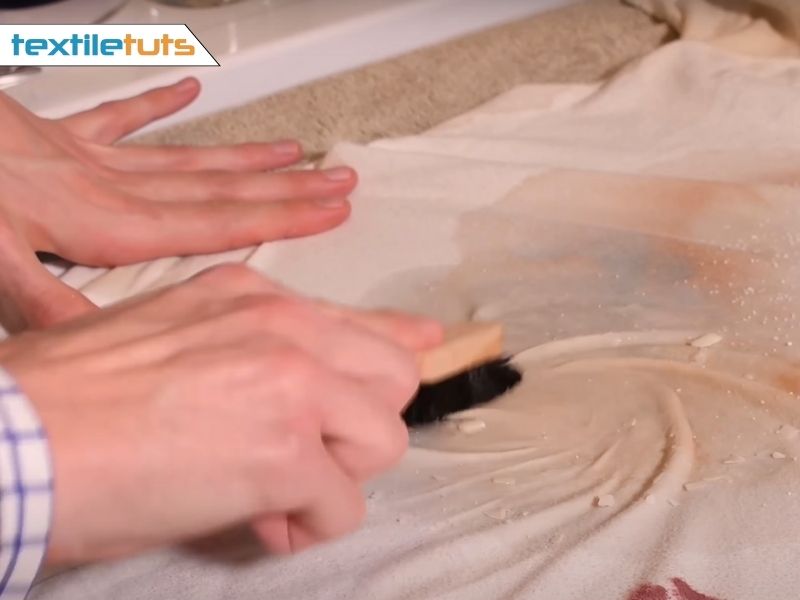
These stains can be tricky to remove without causing further damage, so follow these best practices to effectively treat them:
Act Quickly
Address the stain immediately. Acetone evaporates at room temperature (20–25°C) within seconds of contact, so cleaning within the first 1–2 minutes prevents the solvent from penetrating deep into fabric fibers.
Ventilation
Work in a well-ventilated space. Acetone’s NIOSH IDLH (Immediately Dangerous to Life or Health) value is 2500 ppm, and its explosive limits range from 2.5% to 12.8% by volume in air. Open windows or use an exhaust fan to keep airborne concentrations well below the lower explosive limit.
Blot Excess Acetone
Gently blot excess acetone with a clean, absorbent cloth or paper towel. Work from the outside edge of the stain inward to prevent spreading. Repeat with a fresh section of cloth until no more acetone transfers.
Test in an Inconspicuous Area
Test any cleaning method on a small, hidden area of the garment (such as an inside seam) before applying it to the stain. This confirms the method will not cause additional damage or discoloration.
Water and Mild Soap
For most surfaces like tile, linoleum, or glass, clean the area with a mixture of warm water (40–50°C) and mild dish soap. Use a soft cloth or sponge to gently scrub the stain, then rinse thoroughly.
Isopropyl Alcohol
If the stain persists after water and soap treatment, dampen a clean cloth with isopropyl alcohol (rubbing alcohol) and gently blot the stain. Rinse with water and dry the area completely.
Avoid Harsh Chemicals
Do not use harsh chemicals or abrasive cleaners. These may damage the surface being cleaned and can set the stain permanently by chemically reacting with the remaining acetone or fabric dyes.
Wood Surfaces
For acetone stains on wood, consult a professional restorer, especially for finished wood. Using the wrong cleaner or technique causes irreversible damage to wood grain and surface coatings.
Carpet and Fabric
For carpets or fabric, gently blot excess acetone with a clean cloth or paper towel. Apply a specialized carpet or fabric cleaner according to the manufacturer’s instructions. Always test in an inconspicuous area first.
Seek Professional Help
For persistent stains or valuable, delicate garments, seek a professional cleaner or restoration expert. Delicate fabrics such as pure silk, acetate, and wool blends require specialized solvent-based cleaning that exceeds home treatment capabilities.
Also Read:
- Does TCP Stain Clothes? – The Real Threat To Fabrics
- Does P20 Stain Clothes? – The Stain Fiasco
- Do Downy Unstopables Stain Clothes?
Fabric Susceptibility to Acetone Damage
Acetone affects different fabric types differently based on each fiber’s chemical resistance. The table below summarizes vulnerability levels.
| Fabric Type | Susceptibility | Damage Description |
|---|---|---|
| Acetate | Severe | Fibers dissolve within 10–30 seconds; holes and complete fiber deterioration occur rapidly |
| Nylon | Severe | Fibers dissolve; severe damage including holes and fabric weakening on contact |
| Polyester | High | Fiber dissolution, color distortion, and fabric structure weakening |
| Acrylic | High | Fibers break down and weaken; loss of structural integrity within seconds |
| Spandex | Severe | Immediate deterioration; loss of elasticity and fabric degradation |
| Cotton | Moderate | Color fading and fiber weakening; repeated exposure above 1000 ppm accelerates degradation |
| Wool | Moderate | Color bleeding and fiber weakening; protein structures in wool react to ketone solvents |
| Silk | Moderate | Luster loss and fabric weakening; protein-based structure reactive to ketones above 30°C |
| Linen | Moderate | Color fading and fiber damage; cellulose fibers break down when exposed to ketones |
| Blended Fabrics | Varies | Vulnerability depends on fiber proportion; blends with >50% synthetic content are significantly more vulnerable |
Tips for Preventing Acetone Spills and Stains on Clothes
Preventing acetone spills and stains on clothes is essential for protecting garments from permanent damage. The following tips minimize the risk of accidents:
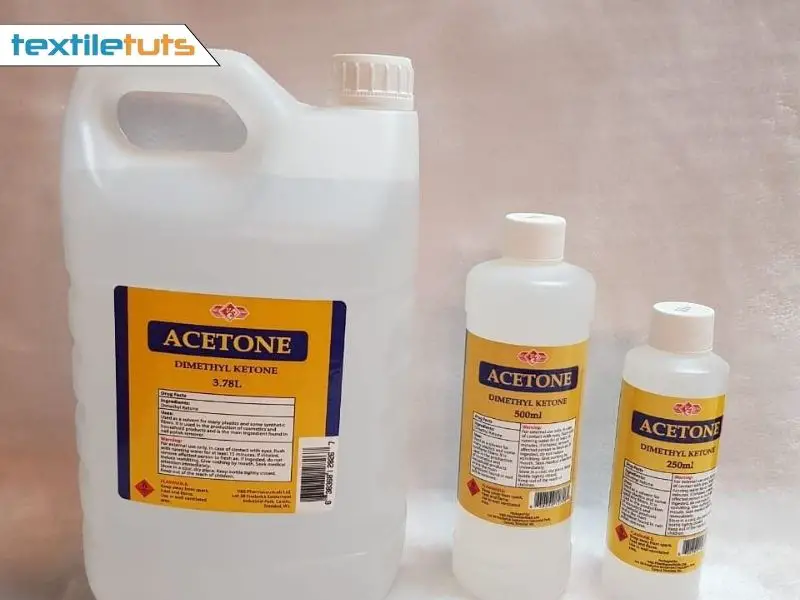
Work in a Well-Ventilated Area
When using products containing acetone, work in a well-ventilated space with open windows or an exhaust fan. Adequate ventilation keeps airborne acetone concentrations below 250 ppm (NIOSH STEL) and reduces the risk of dizziness that leads to spills.
Use Spill-Proof Containers
Transfer acetone and other liquids into spill-proof containers with secure caps or lids. Avoid open or loosely sealed containers that can tip over or spill easily.
Handle Acetone with Care
Use slow, deliberate movements when handling acetone. The solvent’s low flash point of −20°C means it ignites easily—keep it away from open flames, sparks, and heat sources above 465°C (its autoignition temperature).
Avoid Multitasking
Focus solely on the task at hand when using acetone or any strong solvent. Multitasking increases the risk of accidental spills.
Use Droppers or Pump Dispensers
Use droppers or pump dispensers to control the amount of acetone applied, eliminating over-pouring and reducing spill risk.
Cover Work Surfaces
Cover work surfaces with an old cloth or disposable material to catch any accidental spills and protect underlying fabrics.
Wear Protective Clothing
Wear old clothes or a protective apron when using acetone-based products to prevent stains on regular clothing.
Keep Acetone Away from Clothes
Store acetone-containing products in a secure location away from clothing, out of reach of children and pets.
Avoid Applying Acetone Near Clothes
Keep acetone-based products away from clothing during use to prevent accidental splashes or spills.
Clean Up Spills Immediately
If a spill occurs, act within 1–2 minutes. Use a clean cloth or paper towel to blot excess acetone gently, working from the outside edge inward. Do not rub, as this spreads the stain.
Removing Acetone Stains from Clothes
Acetone stains can be removed from clothes if treated promptly. The removal process depends on the fabric type and how quickly treatment begins. Acetone’s rapid evaporation—occurring within seconds at room temperature—means that older, set-in stains require professional cleaning.
For fresh stains on machine-washable fabrics: blot the stain with a clean cloth, apply a stain remover or a mixture of 1 teaspoon of dish soap with 250 mL of warm water (40–50°C), let it sit for 5 minutes, then wash the garment in the warmest water safe for that fabric type. For delicate fabrics (silk, acetate, wool), take the garment to a professional cleaner immediately.
References
- PubChem. (2024). Acetone. National Center for Biotechnology Information.
- National Institute for Occupational Safety and Health (NIOSH). (2007). Acetone: IDLH Documentation. CDC/NIOSH Pocket Guide to Chemical Hazards.
- 维基百科. (2024). Acetone – Wikipedia. Wikimedia Foundation.
- PubChem. (2024). Acetone Thermodynamic Properties. National Center for Biotechnology Information.
Final Words
Acetone is a powerful chemical solvent with a boiling point of 56.08°C and a flash point of −20°C. It removes paint, nail polish, and other substances from clothing effectively, but it also causes stains and fiber damage when it contacts certain fabrics. When using acetone, test it on a small, inconspicuous area of the fabric first to confirm it will not cause damage or discoloration.
Exercise caution when using acetone and follow the manufacturer’s instructions carefully. In case of accidental spills or stains, blot immediately and wash the fabric using fresh water. For delicate or valuable garments, consult a professional cleaner rather than risking further damage with home treatments.
By taking proper precautions—including working in ventilated areas, using spill-proof containers, and treating spills within 1–2 minutes—your clothes remain stain-free and in good condition.


