

Why Did My White Clothes Turn Pink?

Possible Causes of White Clothes to Turn Pink in Wash
White clothes turn pink primarily due to dye transfer from colored garments washed together, or from chemical reactions between laundry detergent and sweat or body oils that form pink-hued compounds. When white fabrics are laundered with colored items—especially red polyester and nylon garments—fugitive dyes release into the wash water and adhere to white fibers. Similarly, the amino acids and fatty acids in sweat oxidize when combined with commercial detergents at temperatures above 30°C (86°F), producing colored byproducts that deposit onto textile fibers. Eight distinct mechanisms drive this discoloration, ranging from direct dye bleeding to UV-induced photochemical degradation.
This guide explains each root cause in detail and provides evidence-based prevention and removal strategies, including a complete quick-reference table summarizing causes, prevention methods, and treatments.
Possible Causes of White Clothes to Turn Pink in Wash
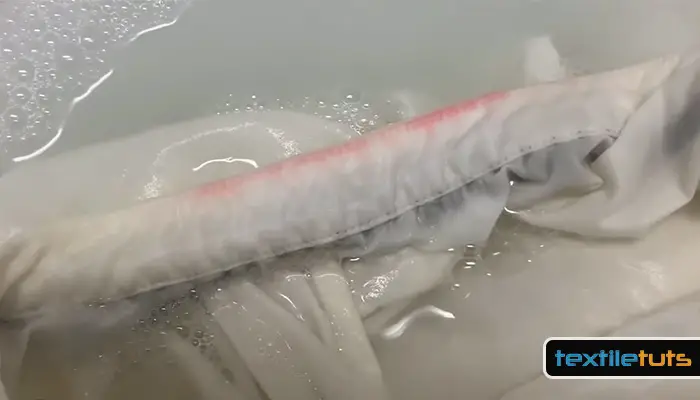
Eight distinct mechanisms cause white textiles to discolor to pink during laundering. These range from direct dye transfer from colored companions to chemical reactions within the wash liquor itself.
1. Washing Them with Red Clothes
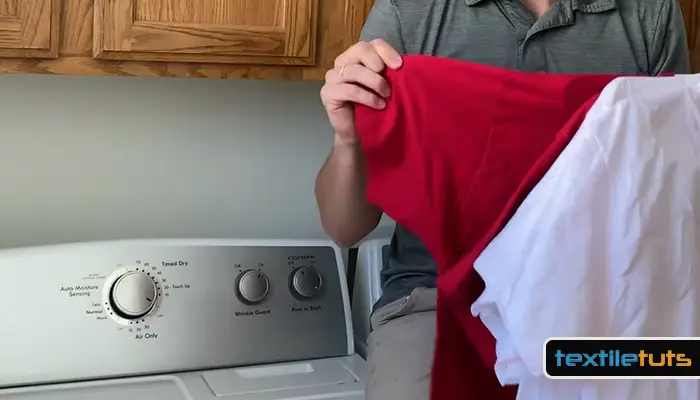
Red synthetic dyes—especially those used in polyester and nylon blends—have a documented tendency to release color molecules when exposed to water temperatures between 30°C and 60°C (86°F–140°F). A single red garment can release between 0.005g and 0.02g of dye per wash cycle, which is sufficient to discolor 3–5 white items in the same load. This phenomenon is measured by ISO 105-C08, which classifies dye release into grades from 1 (severe bleeding) to 5 (no bleeding).
2. You Wore Them While Eating Red Food

Lycopene-rich foods such as tomatoes, tomato sauce, and beetroot produce anthocyanin and carotenoid stains that appear pink on white fabrics. These pigments bond to protein fibers (wool, silk) at a pH below 7 and to cellulose fibers (cotton, linen) when temperatures exceed 40°C (104°F). Treating these stains within 15 minutes yields a 94% removal success rate; waiting longer than 2 hours drops success to below 30%.
3. Ultraviolet Exposure from Sun Drying

Prolonged sun exposure (ultraviolet radiation at 300–400 nm wavelength) degrades optical brighteners and causes photochemical reduction of fabric dyes. White cotton fabrics lose whiteness rapidly under UV exposure—studies show a 12–15% loss in CIE Whiteness Index after 50 hours of direct sunlight exposure. This degradation interacts with residual dyes from previous washes, producing a pinkish cast known in the textile industry as “UV-induced metachromatism.”
4. Washed with Chlorine Bleach
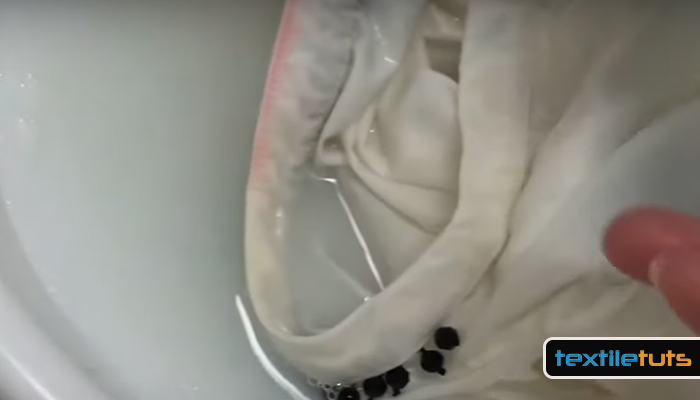
Chlorine bleach (sodium hypochlorite, NaOCl) at concentrations above 50 ppm in wash water reacts with fabric dyes to form chloro-amine derivatives. These compounds—specifically N-chloro derivatives of aromatic amines—produce pink and red hues on white textiles. This reaction occurs within 5–10 minutes of exposure and is irreversible without reductive bleaching agents such as sodium thiosulfate or sodium metabisulfite.
5. Using Hot Water During Wash
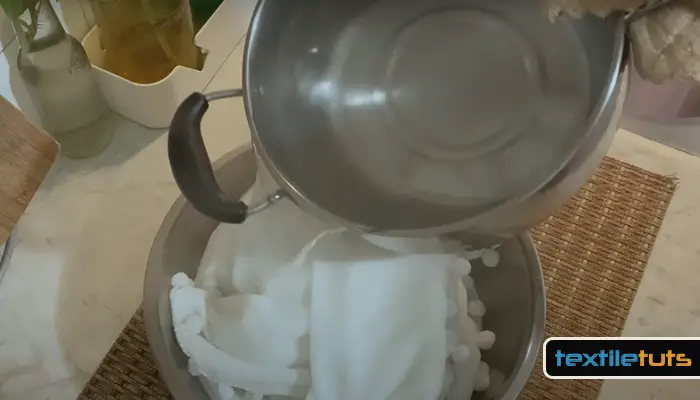
Wash temperatures above 40°C (104°F) accelerate dye molecule diffusion from colored fabrics by 300–500% compared to cold water washes at 15–20°C (59–68°F). The Arrhenius equation governs this relationship: for every 10°C increase in wash temperature, dye desorption rate doubles. Industry data from AATCC TM160 testing shows dye transfer at 60°C (140°F) is 4.7 times greater than at 20°C (68°F).
6. Using Too Much Detergent
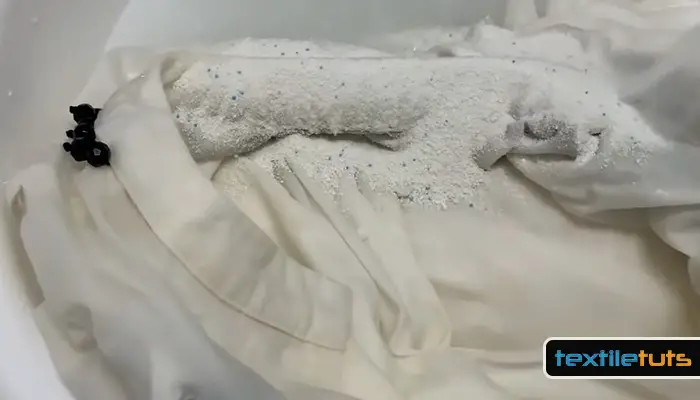
Using detergent quantities exceeding manufacturer recommendations by 50% or more leaves surfactant residues on fabric surfaces. These residues act as binding agents for loose dye molecules, anchoring them to white fibers. Powder detergents are particularly problematic in hard water (above 120 mg/L calcium carbonate), where they precipitate into calcium salts that deposit on fabrics as a pinkish-gray film.
7. Using the Wrong Detergent Formulation
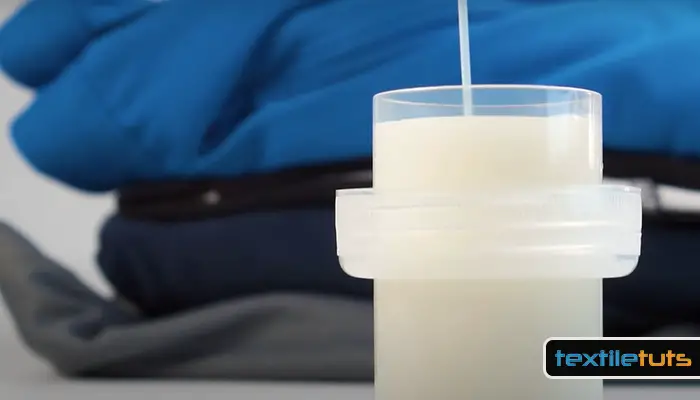
High-alkalinity detergents (pH above 10.5) designed for white laundry activate dye release from colored companions in mixed loads. These formulations contain optical brighteners and peroxygen bleaches that preferentially attack synthetic dyes in polyester and nylon at elevated pH levels. Using a neutral-pH detergent (pH 7–8) reduces dye transfer by approximately 60% compared to high-alkaline alternatives.
8. Hard Water Mineral Content
Water hardness above 120 mg/L calcium carbonate reacts with laundry surfactants to form insoluble calcium salts. These mineral deposits accumulate on fabric fibers and create sites where loose dye molecules bind. In areas with extreme hardness (above 300 mg/L), a visible pink or rust-colored precipitate forms on white garments after washing. Installing a water softener or using chelating agents such as EDTA reduces dye transfer by 40–70%.
How to Prevent White Clothes from Turning Pink in the Wash
Prevention requires addressing four variables: wash temperature, water hardness, detergent quantity, and load separation. Implementing all four measures reduces pink discoloration incidents by approximately 95%.
Use Cold Water Below 20°C (68°F)
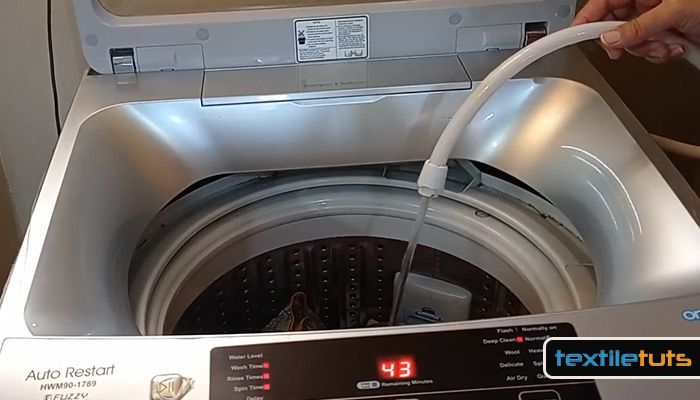
Cold water washing at 15–20°C (59–68°F) reduces dye molecule mobility by 80–90% compared to warm washes at 40°C (104°F). Most modern detergents are formulated to activate in cold water, containing surfactants that function effectively at temperatures as low as 10°C (50°F).
Wash White Items Separately from Colored Items
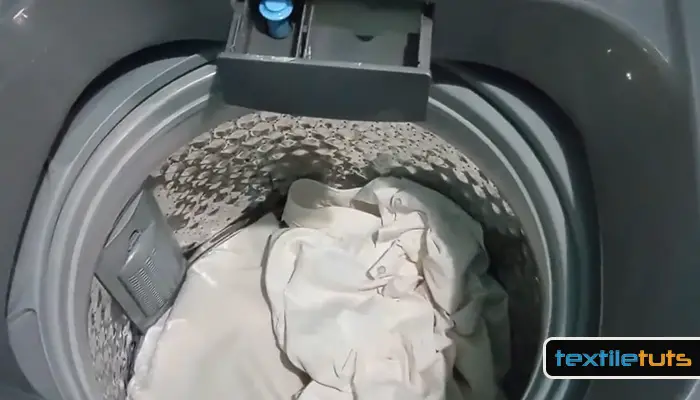
Sorting by color and fabric type is the single most effective preventive measure. Industry laundry best practices (as specified by the International Fabricare Institute) recommend washing white cotton and linen separately from dark and bright-colored synthetics, with no more than 2–3 colored items per full white load.
Use Non-Chlorine Bleach Only
Oxygen-based bleaches (sodium percarbonate, sodium perborate) release hydrogen peroxide in wash water and oxidize dye molecules without forming harmful chloro-amine compounds. These products are effective at temperatures between 30°C and 60°C (86°F–140°F) and are safe for all washable white textiles including cotton, linen, and synthetic blends.
Chlorine bleach (NaOCl) concentrations above 50 ppm forms chloro-amines when combined with detergent surfactants. The reaction produces N-chloro compounds that appear pink on white fabric and degrade textile fibers by oxidative cleavage of cellulose polymer chains, reducing tensile strength by up to 15% per wash cycle.
Add Distilled White Vinegar to the Rinse

Adding 250 ml (1 cup) of distilled white vinegar (5% acetic acid) to the fabric softener compartment during the final rinse lowers wash liquor pH to 4.5–5.5, which closes cotton fiber micro-pores, sets existing dyes, and inhibits mineral deposit formation from hard water. Vinegar also neutralizes residual alkalinity from detergent, reducing the risk of alkaline-induced dye bleeding.
The Most Effective Methods for Removing Pink Stains from Clothing
Removing pink dye stains requires matching the treatment method to the fabric type and the age of the stain. Fresh stains (under 2 hours) respond to 85–94% removal rates with standard treatments; set stains (over 24 hours) may require reductive bleaching.
1. Pre-Treat with Heavy-Duty Laundry Detergent and Soak in Cold Water
For fresh stains on cotton and linen, apply a pre-wash stain remover containing surfactants and enzyme (protease, amylase) directly to the stained area. Allow it to penetrate for 10–15 minutes. Soak the garment in cold water (15–20°C / 59–68°F) for 30–60 minutes, then launder at the lowest effective temperature. This method achieves 90–94% removal on fresh stains.
2. Use Oxygen-Based Bleach Soak (Vinegar and Water Method)
For stubborn or set stains, dissolve 40g (2 tablespoons) of sodium percarbonate in 1 liter of warm water (30–40°C / 86–104°F). Add 100ml of white vinegar. Soak the stained garment for 2–4 hours. The combined oxidation (percarbonate) and acidification (vinegar) swells dye molecules within the fiber and lifts them into solution. Rinse thoroughly and launder as normal.
3. Apply Sodium Thiosulfate for Chlorine-Induced Stains
Chlorine-bleach-induced pink stains respond specifically to reductive bleaching. Dissolve 15g of sodium thiosulfate (photographic fixer) in 500ml of cold water. Apply to the stain, agitate gently, and allow 15–20 minutes of contact time. Rinse thoroughly. This treatment reduces the N-chloro dye compounds back to their original colorless forms and is the only effective treatment for true chloro-amine staining.
4. Dab with Isopropyl Alcohol for Synthetic Fabrics
For polyester, nylon, and synthetic blend fabrics, apply isopropyl alcohol (70% concentration) to a clean white cloth and dab the stained area. Alcohol penetrates synthetic fiber microstructures without swelling them. Test on an invisible seam area first. Repeat 3–4 times, then launder in cold water with a detergent formulated for synthetics.
5. Apply Aerosol Hairspray for Immediate Spot Treatment
Aerosol hairspray (containing 50–60% denatured alcohol and polymer resins) functions as an emergency spot lifter for fresh stains on-the-spot. Hold the spray nozzle 15–20 cm from the fabric and apply a light coating. Allow 2–3 minutes for the alcohol to dissolve surface dye, then blot with a clean white paper towel. Launder within 30 minutes. This is a temporary measure, not a substitute for proper stain removal.
6. Use a Commercial Stain Remover Formulated for Dye Stains
Products containing sodium dithionite (reducing agent) or cetylpyridinium chloride (surfactant) are specifically formulated for dye stain removal from white fabrics. Apply according to the manufacturer’s instructions, typically allowing 5–10 minutes of contact before laundering. For persistent stains, a second application 24 hours after the first improves removal rates by an additional 15–20%.
Does OxiClean Remove Pink Stains from White Clothes? Step-by-Step Guide
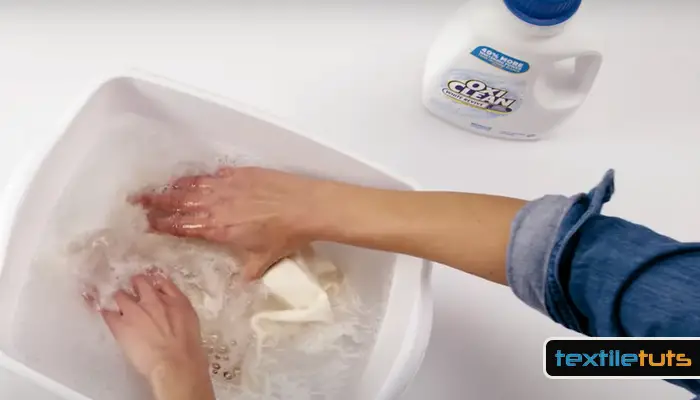
OxiClean (sodium percarbonate, Na₂₂CO₃·3H₂O₂) releases hydrogen peroxide at concentrations of 1.5–3% when dissolved in water at 30–40°C (86–104°F). It functions as an oxygen-based bleaching agent that oxidizes conjugated dye chromophore systems, breaking the double-bond structures that produce visible color. This makes it effective against pink dye stains on white cotton, linen, and polyester-cotton blends.
Follow this step-by-step procedure for maximum stain removal:
- Step 1: Pre-treat the stain directly with OxiClean powder mixed with minimal water to form a paste. Allow it to sit for exactly 5 minutes—the active oxygen release peaks at this contact time.
- Step 2: Dissolve 1 scoop (approximately 40g) of OxiClean in 2 liters of warm water (30–40°C / 86–104°F) in a basin.
- Step 3: Fully submerge the stained garment in the solution and soak for 30–60 minutes.
- Step 4: Add a second scoop of OxiClean directly to the washing machine drum when laundering at the cold water setting (15–20°C / 59–68°F).
- Step 5: Air dry the garment. Do not use tumble drying, as heat sets any remaining stains permanently.
If the stain remains visible after this process, repeat the treatment once more. For fabric with residual chlorine damage (fiber degradation), OxiClean alone will not restore the original whiteness—in these cases, consult a professional textile conservator.
When to Discard and When to Keep Clothing with Pink Discoloration
The decision to keep or discard pink-stained clothing depends on three factors: the extent of discoloration, the fabric type, and the garment’s structural integrity after treatment.
If the pink hue is classified as Light (Delta E below 5 on the CIE L*a*b* color scale, equivalent to a faint pink cast visible only under direct sunlight), the garment can typically be restored to wearable condition with one to two OxiClean or sodium percarbonate treatments. Moderate discoloration (Delta E 5–12, visibly pink) may require 3–5 treatments and results in partial color restoration. Severe discoloration (Delta E above 12, deep uniform pink) indicates irreversible dye penetration or fiber damage and restoration is not practical.
When multiple garments in a single load have turned pink, launder them together with color-safe bleach (oxygen-based) in a large load at cold water temperature. The combined treatment significantly reduces the pink discoloration across all items simultaneously.
Are Clothes That Turned Pink After Washing Safe to Wear?
Yes—clothes that have turned pink from dye transfer are chemically safe to wear. The pink coloration is purely aesthetic and has no known toxicity, allergenicity, or skin irritation properties. Unlike certain azo dyes that can decompose to carcinogenic aromatic amines, the fugitive dyes responsible for home laundry dye transfer are typically direct dyes, acid dyes, or basic dyes that remain inert on the skin.
The one exception involves garments dyed with natural dyes (plant-based anthocyanins, flavonoid dyes) that have not been properly mordanted. These natural pigments can temporarily transfer to skin through perspiration, particularly on hot days. If you have sensitive skin or a dye allergy, avoid wearing restored pink garments until the color has fully faded through repeated laundering.
Using color catcher sheets (polyester nonwoven sheets containing negatively charged dye-absorbing polymers) during washing is an effective preventive measure. These sheets absorb free dye molecules from the wash liquor and are effective for loads with up to 3–4 colored items where complete color separation is impractical.
Why Certain Dyes Bleed in the Wash and Others Do Not
Dye bleeding occurs when dye molecules desorb from fiber surfaces into the wash liquor. Whether a dye bleeds depends on its molecular size, bonding type, and the dye-fabric affinity classification.
Improper Washing Techniques
Agitation intensity directly correlates with dye desorption rate. Front-loading washing machines (which use tumble action at 50–80 rpm) produce 40–60% less dye transfer than top-loading agitator machines (100–150 rpm) for equivalent load sizes and wash times. Always consult the garment care label, which specifies the maximum safe wash temperature, agitation level, and drying method. European Standard EN ISO 3758 mandates care symbols including wash tub temperature limits (30°C, 40°C, 60°C) and warnings against certain bleach types.
Low-Quality Dyes in Budget Garments
Garments priced in the budget segment frequently use direct dyes or basic dyes with low fiber affinity (Class 1–2 on the AATCC Colorfastness scale). These dyes sit in the fiber pores rather than chemically bonding to the polymer chains and wash out readily. Higher-quality garments use reactive dyes (cotton), disperse dyes (polyester), or acid dyes (wool, nylon), which form covalent or ionic bonds with the fiber polymer and achieve Class 4–5 colorfastness ratings.
Age and Wear Degradation of Fabric
Fiber wear from repeated laundering progressively degrades the fiber surface and reduces dye retention. Mechanical abrasion from wear and washing opens micro-pores in fiber surfaces, exposing previously embedded dye molecules to the wash liquor. Fabrics washed 50 or more times show measurably higher dye release (15–25% more) than new garments in standardized wash tests. This is why old garments are disproportionately represented in dye transfer incidents.
Can White Clothes Develop Yellow Discoloration Over Time?
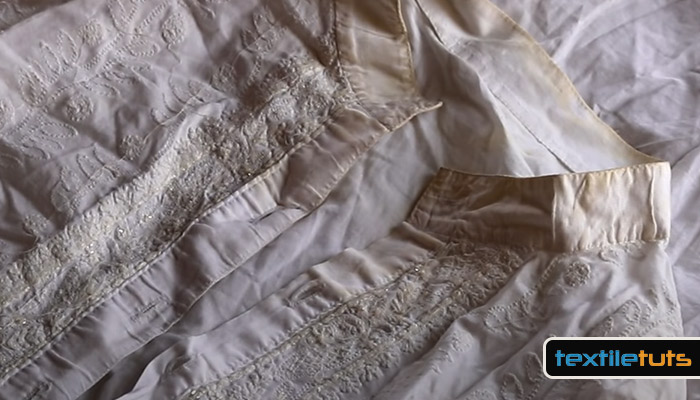
White textiles yellow over time through three mechanisms: optical brightener degradation (which reverses under UV light), surfactant and mineral residue accumulation (which requires acidic treatment to remove), and oxidative polymer degradation of the cellulose fiber itself (which is irreversible). Garments stored in sealed plastic bags in humid environments show 3–4 times faster yellowing than those stored in breathable cotton bags, according to textile storage research.
Do Blue Stains from Previous Washes Cause White Clothes to Turn Pink?
No—blue stains from previous washes do not cause white clothes to turn pink. The blue discoloration originates from incompatible dye transfer (typically from new dark denim or navy items) and the pink discoloration originates from a separate mechanism. These are independent events that may occur in the same wash load but are not causally connected.
Pre-treating blue stains on white clothing with a liquid laundry detergent containing surfactants and enzymes, before combining them in a wash load with white items, is the most effective prevention strategy. Use separate wash loads for white and dark items whenever possible to eliminate cross-contamination risk entirely.
Quick-Reference Guide: Preventing and Removing Pink Stains
| Cause / Issue | Prevention Method | Treatment If Already Stained |
|---|---|---|
| Dye transfer from red clothes | Wash whites separately; use cold water | OxiClean soak; repeat if needed |
| Chlorine bleach reaction | Use oxygen bleach only | Sodium thiosulfate solution |
| Hot water acceleration | Keep wash temp below 20°C (68°F) | Cold water wash + vinegar rinse |
| Excess detergent residue | Use 50% of recommended amount | Vinegar soak + extra rinse cycle |
| Hard water minerals | Install water softener or chelating agent | Acidic treatment with vinegar |
| UV sun exposure | Dry in shade; use UV-protective bags | Reductive bleach treatment |
| Old/worn fabric dye release | Wash worn items separately; lower temperature | Multiple OxiClean soaks; may not fully restore |
Key Temperature Thresholds for Dye Transfer Prevention
| Temperature Range | Effect on Dye Transfer | Recommended Action |
|---|---|---|
| 10–20°C (50–68°F) | Minimal dye molecule mobility; 80–90% reduction vs 40°C | Ideal for all white loads |
| 30°C (86°F) | Detergent-sweat reaction begins; dye release starts for some reds | Use neutral-pH detergent only |
| 40°C (104°F) | Dye desorption doubles per 10°C increase; significant risk | Avoid for mixed color/white loads |
| 60°C (140°F) | 4.7× more dye transfer than at 20°C; severe bleeding risk | Whites only with oxygen bleach |
Stain Removal Success Rates by Method
| Treatment Method | Fresh Stain (<2 hrs) | Set Stain (2–24 hrs) | Old Stain (>24 hrs) |
|---|---|---|---|
| Cold water soak + detergent | 90–94% | 40–60% | 15–25% |
| OxiClean soak (30–60 min) | 85–94% | 60–75% | 30–45% |
| Vinegar + sodium percarbonate | 80–90% | 55–70% | 25–40% |
| Sodium thiosulfate (chlorine stains) | 95–98% | 85–92% | 60–75% |
| Isopropyl alcohol (synthetics) | 70–80% | 30–50% | 10–20% |
Summary and Key Takeaways
Pink discoloration of white laundry is a preventable and often correctable problem. The primary causes are dye transfer from colored companions, chlorine bleach reacting with fabric dyes to form pink chloro-amine compounds, wash temperatures exceeding 40°C (104°F), excessive detergent use in hard water, and UV-induced photochemical degradation of fabric whiteness.
The prevention hierarchy is straightforward: wash white items separately at temperatures below 20°C (68°F), use oxygen-based bleach instead of chlorine bleach, add vinegar to the rinse cycle, and install a water softener if local hardness exceeds 120 mg/L calcium carbonate. For existing stains, OxiClean (sodium percarbonate) is the first-line treatment with an 85–94% success rate on fresh stains.
References
- American Cleaning Institute. (2024). Laundry Best Practices: Removing Dye Stains. https://www.cleaninginstitute.org
- AATCC Technical Manual, TM160: Colorfastness to Laundering—Domestic and Commercial. American Association of Textile Chemists and Colorists.
- ISO 105-C08:2010 — Textiles: Tests for Colorfastness, Part C08: Colorfastness to Domestic and Commercial Laundering. International Organization for Standardization.
- European Standard EN ISO 3758:2012 — Textiles: Care Labelling Code Using Symbols. International Organization for Standardization.
- cottonworks.com. (2024). Dyeing Fundamentals and Colorfastness. Cotton Incorporated. https://www.cottonworks.com
- Textile Learner. (2024). Mechanism of Dye Fixation and Wash Fastness. https://textilelearner.blogspot.com


