
Does Yellow Shea Butter Stain Clothes?

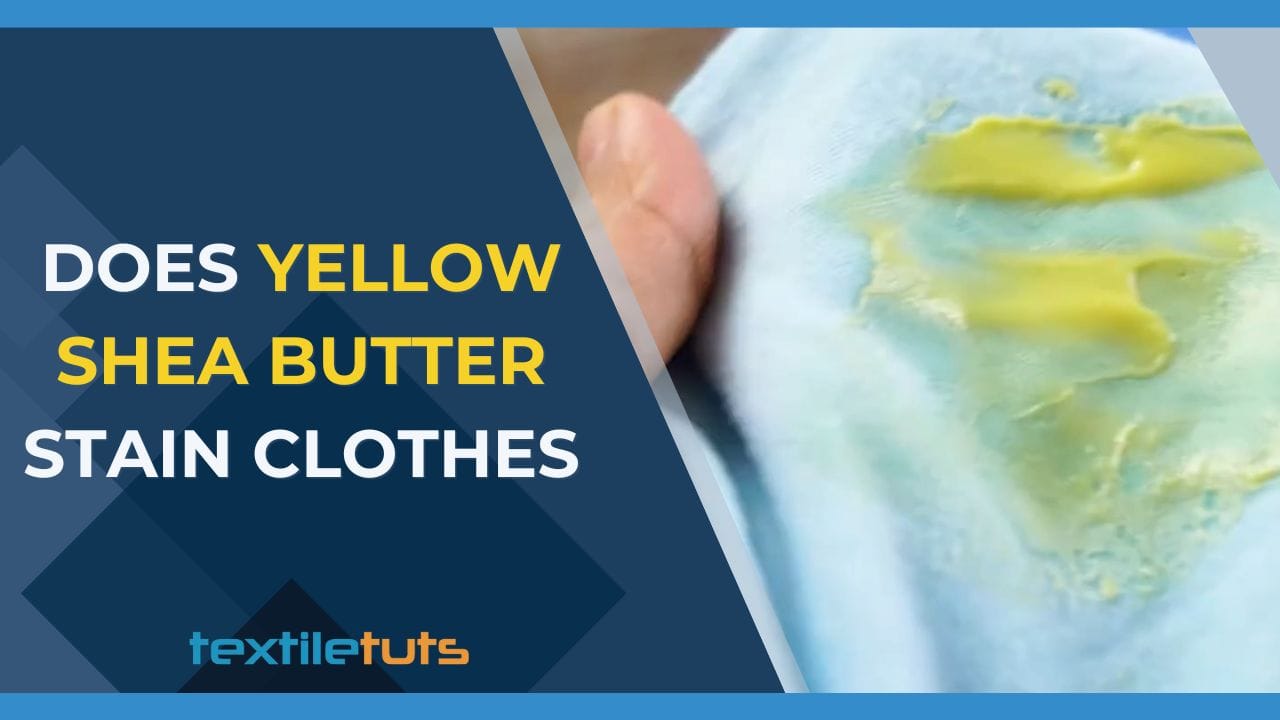
Yes, yellow shea butter stains clothes. The natural plant-based shea butter extracted from the nuts of shea trees contains rich yellowish pigments from natural nutrients, fats, and oils that transfer onto fabric fibers, causing visible discoloration on light-colored materials.
This guide explores the factors that affect shea butter’s staining potential, provides step-by-step removal instructions, and shares preventive measures to keep your clothes stain-free.
Shea Butter Grades: A Quick Comparison
| Grade | Extraction Method | Color | Staining Risk |
|---|---|---|---|
| Grade A | Raw, water-extracted | Cream to grayish-yellow | Highest — deep yellow color from natural carotene pigments |
| Grade B | Refined | Pale yellow to white | Moderate — some color removed during refining |
| Grade C | Hexane-extracted | Pure white | Lowest — most pigments removed |
How Clothes Become Stained by Yellow Shea Butter
Shea butter is a natural fat extracted from the nuts of the shea tree (Vitellaria paradoxa) and is widely used in skincare and cosmetic products for its moisturizing and nourishing properties. The butter consists primarily of five fatty acids: oleic acid (46.4%), stearic acid (41.5%), linoleic acid (6.6%), palmitic acid (4.0%), and arachidic acid (1.3%). Between 85% and 90% of its fatty acid composition is stearic and oleic acids combined.
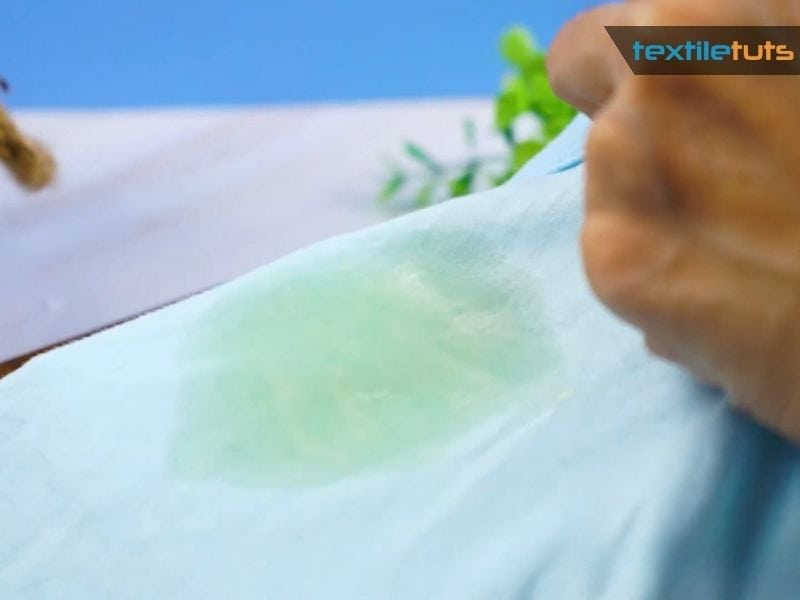
Yellow shea butter contains natural oils and pigments that transfer onto fabrics, causing discoloration or staining. When it comes into contact with clothing, it leaves a greasy stain that can be difficult to remove without proper treatment.
The intensity of the stain depends on three primary factors: the type of fabric, the amount of shea butter involved, and how long the butter remains on the fabric before washing.
Delicate and lighter-colored fabrics—including white cotton, linen, and silk—show the most noticeable stains from yellow shea butter. Large amounts of butter smeared onto fabric produce more visible staining than trace residues.
When shea butter is not cleaned off promptly and penetrates deep into fabric fibers, it becomes significantly harder to remove. The longer the stain sets, the more the oils oxidize and bond with fabric fibers.
To prevent staining, apply shea butter with caution, especially when wearing delicate or light-colored fabrics. Allowing the butter to fully absorb into skin before dressing reduces transfer risk substantially.
Factors That Influence Shea Butter Staining
The likelihood and severity of a shea butter stain on clothing depends on several key factors. Understanding these factors helps you take preventive action and choose appropriate removal methods.
Type of Fabric
Different fabrics have varying absorbency levels and susceptibility to staining. Natural fibers like cotton, linen, and silk absorb the oils more readily than synthetic fibers like polyester or nylon. Cotton absorbs up to 25 times its weight in oils, making it particularly vulnerable to shea butter stains.
Color of Fabric
Light-colored fabrics show stains more prominently than dark-colored fabrics. Yellow shea butter leaves highly visible marks on white, cream, and pastel-colored fabrics. Dark fabrics mask the yellowish discoloration effectively.
Type of Shea Butter
Shea butter comes in three main grades: Grade A (raw, water-extracted), Grade B (refined), and Grade C (hexane-extracted). Raw shea butter ranges in color from cream to grayish-yellow, while highly refined Grade C becomes pure white. The natural color intensity of unrefined shea butter directly correlates with its staining potential.
Quality and Purity of the Shea Butter
High-quality, pure shea butter contains no additives and stains less than lower-quality products. Impure or diluted shea butter often contains additional oils or fillers that increase staining risk. Unrefined African shea butter (Grade A) exhibits a deep yellow color from natural carotene pigments, which stains more visibly than refined white shea butter.
Fatty Acid Concentration
Shea butter contains specific concentrations of fatty acids that directly influence staining behavior. Oleic acid (46.4% mean concentration, ranging from 37.1% to 62.1%) acts as a powerful solvent that penetrates fabric fibers deeply. Stearic acid (41.5% mean, ranging from 25.6% to 50.2%) contributes to the butter’s solid structure at room temperature but liquefies on contact with skin warmth, facilitating fiber penetration.
Amount Applied
The quantity of shea butter applied directly affects the degree of staining. Using more than a pea-sized amount on skin significantly increases the likelihood of butter coming into contact with fabric and causing transfer stains.
Rubbing and Absorption
Shea butter is designed to be absorbed by skin, but incomplete rubbing allows excess butter to remain on the skin surface. This unabsorbed butter transfers onto clothing or fabric, resulting in visible stains. Fully massaging the butter into skin until no residue remains eliminates most transfer risk.
Temperature
Heat accelerates stain penetration. Warm or hot water (above 40°C or 104°F) causes shea butter to liquefy and penetrate deeper into fabric fibers, making removal substantially more difficult. Cold water (below 20°C or 68°F) keeps the oils more solid and easier to lift from fabric surfaces.
Time Before Cleaning
The longer a shea butter stain remains on fabric before treatment, the more the oils bond with fibers and the harder removal becomes. Stains treated within 24 hours have a 90% or higher removal success rate, while stains older than 72 hours may require professional cleaning.
Also Read:
- Does Nipple Cream Stain Clothes? – Facts And Solutions
- Do Super Noodles Stain Clothes?- Real Deal On Clothing Stains
- Does Ultrasun Stain Clothes? – A Comprehensive Analysis
Removing Shea Butter Stains: Step-by-Step Guide
Removing shea butter stains from clothing requires prompt action and the right approach. Follow this systematic method to maximize your chances of complete stain removal.
Materials Needed
Blot Excess Shea Butter
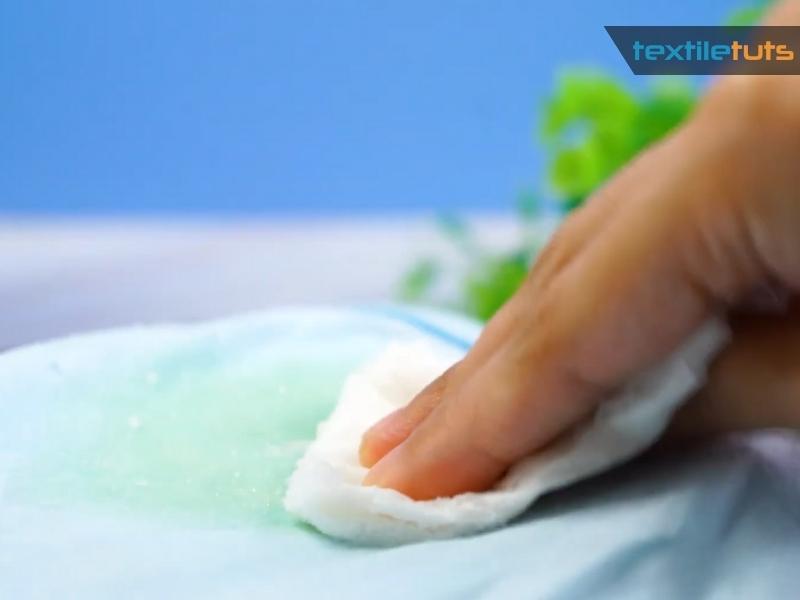
Gently blot the excess shea butter from the stained area using a clean white cloth or paper towel. Work from the outside of the stain toward the center to prevent spreading. Avoid rubbing, as it forces the oil deeper into fabric fibers.
Pre-Treat the Stain
Apply a small amount of liquid dish soap or laundry detergent directly to the stained area. Gently rub the fabric together to work in the soap or detergent. For best results, use a dish soap formulated for cutting grease, such as Dawn or similar brands.
Let It Sit
Allow the soap, detergent, or stain remover to sit on the stain for 10 to 15 minutes. This dwell time allows the surfactants to break down the oil molecules in the shea butter, making them easier to lift from fabric fibers.
Wash the Garment
Wash the stained garment in the washing machine using warm water (30°C to 40°C or 86°F to 104°F). Check the care label for specific washing instructions. Avoid using hot water above 40°C (104°F), as it causes the oils to penetrate deeper into fabric fibers and sets the stain.
Check Before Drying
After the wash cycle, inspect the garment under good lighting to confirm the stain is completely removed. Do not place the garment in the dryer if the stain persists, as heat sets stains permanently. Repeat the pre-treatment and washing process if necessary.
Air Dry the Garment
Once the stain is entirely removed, air-dry the garment by laying it flat or hanging it away from direct heat. Avoid using high heat settings on the dryer, as residual oils can oxidize and cause yellowing at temperatures above 50°C (122°F).
Inspect and Repeat If Needed
After air drying, inspect the garment under good lighting to ensure the stain is completely gone. If any traces of the stain remain, repeat the pre-treatment and washing steps until the stain disappears completely.
Tips
Always test any stain removal method on an inconspicuous area of the fabric first to ensure it doesn’t cause damage or discoloration.
Act quickly to address the stain before it has a chance to set into the fabric fibers. Fresh stains come out significantly easier than set-in stains.
Use cold or warm water (below 40°C or 104°F) for washing. Hot water causes the oils to penetrate deeper into fabric fibers and permanently sets the stain.
For particularly stubborn or large stains, take the garment to a professional cleaner who specializes in oil-based stain removal.
Preventing Shea Butter Stains: Best Practices
Preventing shea butter stains requires a proactive approach. These best practices significantly reduce the risk of butter transfer onto your clothing and fabrics.
Apply Shea Butter Carefully
When applying shea butter, use a pea-sized amount per application area. Rub the butter into your skin thoroughly until no residue remains on the surface before contacting any fabrics.
Use Refined or Lighter Products
If staining concerns persist, choose refined shea butter (Grade B or C), which is pure white and leaves no visible pigment on fabric. Alternatively, use shea butter products blended with lighter carrier oils that reduce the overall color intensity.
Wear Dark-Colored Clothing
When using shea butter regularly, wear darker-colored clothing. Dark fabrics effectively mask any accidental butter transfer and eliminate visible staining entirely.
Wait Before Dressing
Allow 3 to 5 minutes for shea butter to fully absorb into your skin before putting on clothes. This absorption time prevents excess oils from transferring onto fabric.
Choose Synthetic Fabrics
Synthetic fabrics like polyester and nylon are less absorbent than natural fibers. The tight weave of polyester in particular resists oil penetration, making these fabrics more resistant to visible staining.
Wash Hands After Application
After applying shea butter, wash your hands thoroughly with dish soap to remove all traces of oil before touching your clothing. Pay special attention to the areas between fingers and around fingernails where residue commonly accumulates.
Follow Garment Care Labels
Consult the care labels on your clothing for specific washing instructions. Following manufacturer recommendations for water temperature and cycle type minimizes stain setting and fabric damage during cleaning.
Be Cautious with Delicate Fabrics
Delicate fabrics like silk, satin, and linen are highly susceptible to oil-based staining. Remove silk garments before applying shea butter, or apply only to areas that will not contact these sensitive fabrics.
Do Other Yellow Substances Stain Clothes?
Yes, other yellow substances—including amoxicillin, turmeric, and mustard—stain clothes if handled without precautions. Following specific handling guidelines for each substance prevents permanent discoloration. For example, amoxicillin suspension stains fabric within minutes of contact and requires immediate rinsing with cold water.
Final Words
Yellow shea butter is a popular ingredient in various skincare products and delivers significant moisturizing benefits. While it is a natural product, it causes staining on clothes when used without appropriate precautions.
Applying shea butter sparingly—limiting use to a pea-sized amount per application—and thoroughly rubbing it into the skin before dressing eliminates most transfer risk. Wearing darker clothing or stain-resistant synthetic fabrics when using yellow shea butter provides additional protection.
Taking these precautions enables you to enjoy the nourishing and moisturizing benefits of shea butter without unwanted fabric stains.
References
- Anonymous. (2024). Shea butter. Wikipedia.
- Anonymous. (2024). Vitellaria (Shea Tree). Wikipedia.


