
Does TCP Stain Clothes? – The Real Threat To Fabrics

Yes, TCP Liquid Antiseptic stains clothes. The active ingredients—including alcohol, iodine, and halogenated phenols—transfer onto fabric and cause yellow or brownish discoloration that can become permanent if treated incorrectly. TCP contains dichlorophen, a halogenated aromatic compound that oxidizes rapidly upon exposure to air, forming quinone-like compounds that bond covalently with cellulose and protein fibers.
This article examines why TCP stains fabrics, provides step-by-step stain removal techniques using cold water (below 20°C/68°F for initial rinsing), hydrogen peroxide at 3% concentration for white fabrics, and preventive measures to protect your wardrobe.
Temperature Quick-Reference for TCP Stain Treatment
| Temperature | Effect on TCP Stain | Action |
|---|---|---|
| Below 20°C (68°F) | Safe for rinsing | Use for initial rinse and wash cycle |
| 20–40°C (68–104°F) | Safe for most wash cycles | Standard washing temperature for synthetics |
| Above 60°C (140°F) | Permanently sets the stain | Avoid—stain becomes impossible to remove |
| Tumble dryer heat | Sets remaining residue | Air dry until stain is fully confirmed gone |
Why TCP Liquid Antiseptic Stains Clothes
TCP Liquid Antiseptic is a disinfectant solution used for wound cleaning and as an antiseptic mouthwash. TCP contains powerful chemical agents that stain fabrics when they contact clothing. The halogenated aromatic compounds in TCP—including dichlorophen and related chlorinated phenols—produce a characteristic yellow to brown discoloration on fabric fibers. This staining mechanism affects all fabric types, though natural fibers like cotton and linen respond more readily to stain removal treatments than synthetic polyester or nylon blends.
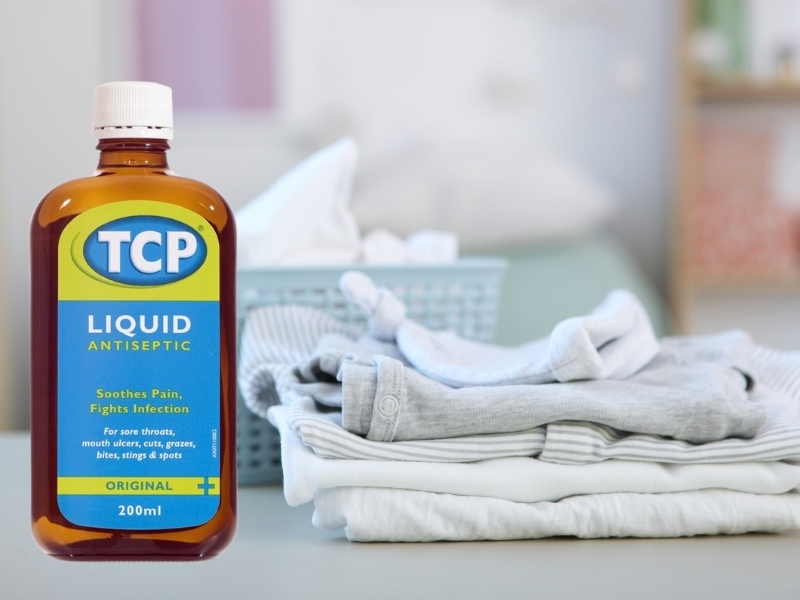
TCP contains active ingredients that leave a yellow or brownish stain on fabrics. If spilled or accidentally applied to clothing, wash the affected area with cold water immediately—heat above 60°C (140°F) sets the stain permanently and makes removal impossible.
The effectiveness of stain removal depends on three factors: the fabric type (cotton, polyester, wool, or silk), the concentration of TCP applied (typically 1-5% solution for household use), and the duration of contact before treatment begins. Immediate rinsing in cold water provides the best outcomes—stains left untreated for more than 24 hours become significantly more difficult to remove due to oxidation of the halogenated compounds.
To prevent staining, handle TCP carefully and avoid spilling or splashing it on clothing. If the chemical contacts your clothes, rinse the stained area promptly with cold water below 20°C (68°F)—never use hot water, as temperatures above 60°C (140°F) permanently set halogenated phenol stains. Follow the product’s instructions and wear protective clothing such as a laboratory gown or apron when using TCP to prevent accidental spills.
Stain Removal Techniques for TCP on Fabric
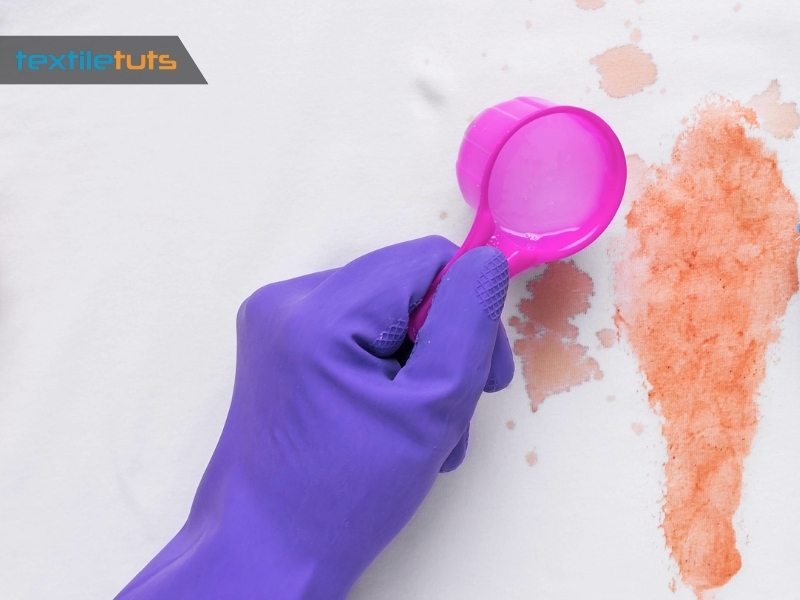
Removing TCP stains from clothing requires immediate action and the right approach. This step-by-step guide covers stain removal techniques that achieve the best results on common fabric types.
Note
Always check the care label on your clothing before attempting stain removal—follow the manufacturer’s guidelines for water temperature and detergent type. Perform a patch test in an inconspicuous area first to ensure the removal method will not damage or discolor the fabric.
Materials Needed
Act Immediately
Begin treatment as soon as possible—stains older than 24 hours oxidize and become significantly harder to remove. Blot excess liquid gently with a clean white cloth or paper towel. Never rub the stain, as friction pushes the contamination deeper into fabric fibers.
Rinse with Cold Water
Flush the stained area under cold running water below 20°C (68°F) from the back of the fabric. This pressure pushes the contaminant out of the fibers. Water temperatures above 60°C (140°F) permanently set halogenated phenol stains—always use cold water for initial rinsing.
Pre-treat with Detergent
Apply a small amount of liquid laundry detergent or dish soap directly onto the stain. Gently rub the fabric together to work in the soap. Allow it to sit for 5-10 minutes—the surfactants penetrate and lift the halogenated compounds from the fibers.
Apply Stain Remover
Apply a stain remover or pre-treatment spray according to the product instructions. Allow it to sit for the recommended time—typically 5-15 minutes for enzymatic stain removers, which break down the protein structure of halogenated compounds.
Treat with Hydrogen Peroxide
For white cotton or linen fabrics, dampen the stained area with water and apply 3% hydrogen peroxide. The oxidation reaction breaks down the halogenated aromatic compounds. Test on an inconspicuous area first. For colored or synthetic fabrics, use an oxygen-based bleach alternative instead. Blot with a clean cloth and rinse thoroughly.
Wash According to Care Label
Wash the garment following the care label instructions. Use the warmest water temperature recommended for the fabric type—typically 30°C (86°F) for synthetics and up to 40°C (104°F) for cotton. Always check the stain before placing the garment in a dryer, since heat above 60°C (140°F) permanently sets the stain.
Check Before Drying
After washing, inspect the stain carefully. If any discoloration remains, repeat the treatment steps before drying. Stains that persist after washing require additional hydrogen peroxide treatment or professional cleaning.
Air Dry Completely
If the stain is fully removed, allow the garment to air dry in a well-ventilated area. Air drying confirms the stain is gone before exposing the fabric to dryer heat, which can set any remaining residue permanently at temperatures above 60°C (140°F).
Repeat if Necessary
Stubborn TCP stains may require 2-3 additional treatment cycles. Persistent stains on wool, silk, or synthetic blends after 3 attempts indicate the stain has bonded permanently with the fiber—in these cases, consult a professional cleaner with specialized oxidation and solvent-based stain removal equipment.
How to Remove TCP Odor from Clothes
TCP leaves a strong, lingering medicinal odor on clothing due to its halogenated aromatic compounds. These volatile organic compounds adhere to fabric fibers and require specific deodorization techniques to eliminate completely. Here are proven methods for removing TCP odor from garments.

Ventilation
Hang affected clothing outdoors in direct sunlight for 4-6 hours. UV radiation breaks down volatile organic compounds, while air circulation accelerates desorption. Place items in a well-ventilated area with indirect sunlight for best results—prolonged direct exposure to intense sunlight can degrade certain fabric dyes.
Baking Soda Treatment
Sprinkle 100-200 grams of baking soda (sodium bicarbonate) evenly across the affected areas of the clothing. Baking soda neutralizes acidic halogenated compounds through a mild chemical reaction. Allow it to sit for 8-12 hours—overnight treatment provides optimal odor absorption—then shake off excess powder before washing.
White Vinegar Soak
Create a solution of 250ml white vinegar (5% acetic acid) mixed with 4 liters of cold water. Submerge the clothing in this mixture for 2-4 hours. The acetic acid neutralizes alkaline odor compounds while the cold temperature prevents setting of any remaining stains. Rinse thoroughly with cold water afterward to remove all vinegar residue.
Activated Charcoal Absorption
Place 50-100 grams of food-grade activated charcoal in a breathable fabric bag or open container alongside the clothes in a sealed space. Activated charcoal’s high surface area (typically 800-1200 m²/g for food-grade) adsorbs volatile organic compounds through van der Waals forces. Leave for 24-48 hours in an airtight container for maximum effect.
Citrus Peel Treatment
Rub the inner surface of citrus peels—lemon, orange, or lime—directly onto the affected areas of the clothing. D-limonene, the primary component of citrus peel oil (present at 80-95% concentration), acts as a natural solvent that dissolves and masks residual halogenated compounds. Allow the citrus oil to penetrate for 30 minutes before washing.
Machine Wash with Detergent
Wash clothing using a quality liquid laundry detergent at 30°C (86°F) for synthetic fabrics or 40°C (104°F) for cotton. Add 125ml of white vinegar to the fabric softener compartment—the vinegar neutralizes odor compounds without damaging synthetic fibers. For cotton, add 60ml of baking soda directly to the drum to enhance deodorization. Avoid hot water above 40°C, as elevated temperatures cause halogenated compounds to bond more firmly with cellulose fibers.
Air Drying
Hang clothes to air dry in a well-ventilated room with cross-ventilation. Do not use a tumble dryer until you confirm the odor is completely eliminated—temperatures above 60°C (140°F) in a closed dryer cause the remaining volatile compounds to polymerize, making the odor permanent and impossible to remove.
Repeat Treatment if Necessary
Strong TCP odor may require 2-3 repeat cycles of the above treatments. Each cycle progressively reduces the concentration of residual halogenated compounds. If odor persists after three complete treatment cycles, the garment may require professional dry cleaning with specialized solvent-based deodorization.
Professional Dry Cleaning
For persistent TCP odor that resists home treatment, take the garment to a professional cleaner. Professional establishments use perchloroethylene or hydrocarbon solvents (e.g., GreenEarth dry cleaning) that dissolve halogenated organic compounds more effectively than water-based home washing. Request a pre-spotting treatment with solvent-based stain remover before the standard dry cleaning cycle.
Comparing Staining Effects: TCP versus T-Cut on Fabric
| Property | TCP Liquid Antiseptic | T-Cut (Rubbing Compound) |
|---|---|---|
| Active Ingredients | Halogenated phenols (dichlorophen), alcohol, iodine | Silica particles, petroleum distillates, solvents |
| Stain Color | Yellow to brown discoloration | White to gray whitening effect |
| Stain Mechanism | Oxidation of halogenated aromatic compounds bonding with fibers | Abrasion and solvent action on fabric surface |
| Affected Fabrics | All fabric types; natural fibers more readily treated | Primarily affects synthetic and delicate fabrics |
| Initial Rinse Temperature | Below 20°C (68°F) — cold water only | Cool to lukewarm water (up to 30°C/86°F) |
| Treatment Product | 3% hydrogen peroxide for white fabrics | General purpose stain remover or pre-wash spray |
| Time Before Treatment Matters | Stains over 24 hours significantly harder to remove | Similar — prompt treatment improves success rates |
| Professional Cleaning Required | After 3 failed home treatment attempts | After 2-3 attempts on delicate/synthetic fabrics |
TCP and T-Cut share similar staining characteristics on fabric—both products contain compounds that produce discoloration on fabric fibers. Research into halogenated substituted monocyclic aromatic compounds confirms these chemicals oxidize rapidly upon exposure to air, forming quinone-like compounds that bond covalently with cellulose and protein fibers. Both stains require immediate cold water rinsing and hydrogen peroxide treatment for successful removal. Fabrics exposed to either product for more than 24 hours before treatment show significantly reduced removal success rates, with professional cleaning often required as a last resort.
Conclusion
TCP’s active ingredient dichlorophen—a halogenated substituted monocyclic aromatic compound—possesses properties that cause fabric staining. Dichlorophen is listed in dermatological literature with a documented 0.8% sensitization rate among patients tested with preservatives, confirming its potential to cause contact reactions in sensitive individuals. While TCP does not produce immediate or prominent staining in every case, prolonged exposure or improper handling of TCP-containing substances results in yellow to brown discoloration on clothing.
Handle TCP with care and take precautionary measures to prevent accidental contact with fabrics. Wear protective clothing such as a laboratory gown or apron when using TCP. If the antiseptic contacts clothing, rinse the affected area with cold water below 20°C (68°F) immediately and apply a stain remover before washing. Heat above 60°C (140°F) permanently sets TCP stains—always use cold water for rinsing and avoid tumble drying until the stain is completely removed.
References
- 1. PubMed. (2024). Dichlorophen: Contact sensitization and dermatological applications. National Center for Biotechnology Information.
- 2. Wikipedia. (2024). Trichlorophenol. Wikimedia Foundation.
- 3. ScienceDirect. (2024). Dichlorophen: Chemical classification and environmental degradation. Elsevier.
- 4. International Organization for Standardization. (2023). ISO 3758:2012 Textiles—Care labelling code. ISO.


