
Does India Ink Stain Clothes? – Exploring Myths and Solutions

Yes — India ink stains clothing, and the stain is permanent and difficult to remove. India ink is a highly pigmented, waterproof, lightfast ink designed to bond strongly with surfaces, including fabric fibers. Once it dries on fabric, it forms a waterproof layer that water alone will not break down. Treating the stain immediately gives you the best chance of removal, but complete elimination is not guaranteed on all fabric types.
This article explores the properties of India ink and its potential to leave permanent stains on clothing. You will also find tips on how to remove ink stains and best practices for using India ink safely around fabrics.
India Ink and Clothing Stains
India ink stains clothing. It is a type of ink designed to be permanent and durable, with a composition that makes it highly resistant to removal once it bonds with fabric fibers.
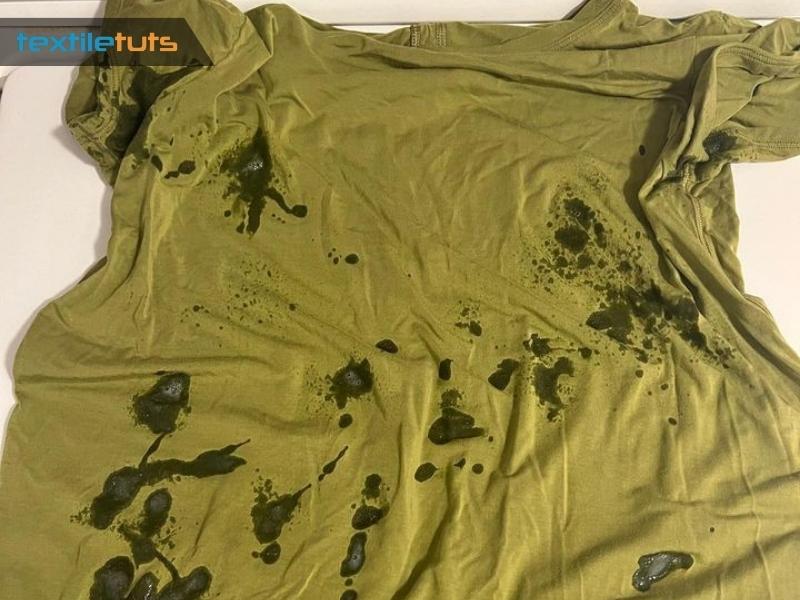
India ink consists of fine carbon black pigment (also called lampblack or soot) suspended in water with a binding agent. The binding agent is typically shellac, though some formulations use gelatin or acrylic resins. The pH of most India inks ranges from 8.5 to 9.0, making them slightly alkaline. This alkaline composition helps the pigment adhere strongly to surfaces, including fabric fibers. India ink with a shellac binder forms a waterproof, lightfast layer once dry, meaning it will not break down when exposed to water alone.
India ink is waterproof when dry, meaning it will not break down or dissipate if you attempt to wash the stain with water alone. Chemical-based cleaners such as isopropyl alcohol (rubbing alcohol) at 70% concentration or higher are more effective at breaking down the stain, though they can potentially damage delicate fabrics, so they must be used with caution.
If you are using India ink, wear protective clothing or old clothes that you do not mind staining. In case of an accidental spill, act quickly — fresh stains respond significantly better to treatment than dried stains.
Removing India Ink Stains from Clothes
Removing India ink stains from clothes is challenging due to the permanent nature of the ink. India ink’s waterproof properties make it particularly difficult to remove from fabric without specialized treatment.
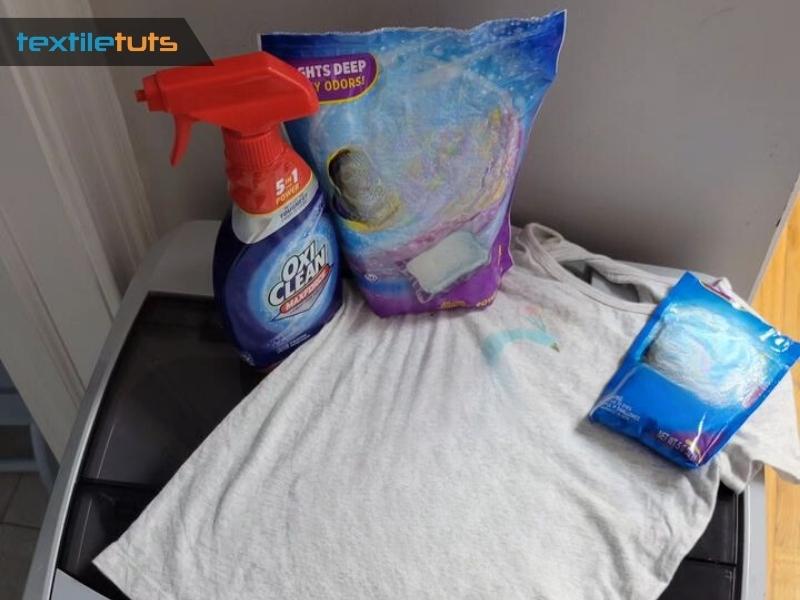
With the right approach and prompt action, you can often improve or completely remove the stain. Here is a step-by-step guide:
Materials Needed
- Isopropyl alcohol (rubbing alcohol) — 70% concentration or higher
- Clean cloth or sponge
- Liquid laundry detergent
- Cold water (below 20°C / 68°F for rinsing)
- Table salt (sodium chloride)
- White distilled vinegar (5% acetic acid)
- Bucket or basin
- Old toothbrush with soft bristles
- Commercial ink stain remover
Step 1: Pre-Treat the Stain
Dampen a clean cloth or sponge with 70% isopropyl alcohol. Do not soak the cloth — dampening is sufficient. Gently press the cloth onto the stained area. The alcohol breaks down the ink’s binding agents, beginning the stain removal process.
Step 2: Rinse
Rinse the treated area under cold running water at temperatures below 20°C (68°F). Heat permanently sets ink stains, so cold water is essential at this stage to wash away loosened ink particles.
Step 3: Apply Laundry Detergent
Apply a small amount of liquid laundry detergent directly onto the stain. Work it into the fabric by gently rubbing the fabric together for 30 to 60 seconds.
Step 4: Soak
Fill a bucket or basin with warm water at approximately 40°C (104°F). Add one tablespoon (15 mL) of white vinegar and one tablespoon (15 mL) of salt. Stir until fully dissolved. Submerge the stained fabric completely in the solution.
Step 5: Leave it to Soak
Allow the fabric to soak for at least 30 to 60 minutes. For older, dried stains, soaking for up to 3 hours improves removal success rates significantly.
Step 6: Check the Stain
After soaking, check the stain status. If it is still visible, repeat Steps 1 through 5. India ink is highly permanent, so two to three treatment cycles may be necessary for complete removal.
Step 7: Apply Stain Remover (Optional)
If the stain persists after soaking, apply a commercial stain remover specifically formulated for ink stains. Follow the product’s instructions precisely, including recommended application time (typically 5 to 15 minutes).
Step 8: Gently Scrub
Using an old toothbrush with soft bristles, gently scrub the stained area using circular motions. The bristles work the cleaning solution deeper into fabric fibers, improving removal from tightly woven materials like denim and canvas.
Step 9: Rinse and Launder
Rinse the area thoroughly under cold running water to remove all cleaning solution residue. Launder the garment according to the care label instructions. Use the coldest water temperature safe for the fabric type.
Examine the stain before drying the garment. If the stain remains visible, repeat the entire process before drying. Heat from a dryer permanently sets ink stains.
Step 10: Air Dry
After washing, air dry the garment at room temperature to confirm the stain has been completely removed. If traces of the stain remain, repeat the treatment process. Do not use a tumble dryer until you are certain the stain is gone, as heat at temperatures above 50°C (122°F) permanently sets ink stains into fabric.
Precautions and Tips: Preventing India Ink Stains
Preventing India ink stains is far easier than removing them. By taking precautions and following these tips, you can minimize the risk of accidentally staining your clothing or surfaces with India ink.
Work in a Controlled Environment
Use India ink in a designated area that is well-ventilated and away from surfaces or fabrics that could be easily stained. Cover the floor with a protective mat if working on vertical surfaces like stretched canvas.
Cover Surfaces
Cover your workspace with a plastic tablecloth, old newspapers, or other protective materials to catch any accidental spills. Replace coverings after each work session to prevent dried ink flakes from transferring to fabric.
Wear Protective Clothing
Wear old clothing or a dedicated apron when working with India ink. Choose fabrics that are dark-colored and tightly woven, as these show stains less readily and provide a better barrier against ink penetration.
Handle with Care
India ink is a liquid that is susceptible to spills and splatters. Always handle the container with care, especially when opening, closing, or moving it. Place the container on a stable tray or tray lined with paper to catch any accidental drips.
Use Protective Gloves and Work Slowly
Wear disposable nitrile or latex gloves to keep India ink off your hands. This prevents accidental smudging and transfer onto fabric surfaces. Work slowly and with a steady hand to minimize the risk of splattering or spilling ink.
Clean Brushes and Tools
Keep brushes and tools clean while working. Wipe excess ink from brushes and pens before setting them down to prevent drips from falling onto your workspace or clothing.
Cap the Ink and Store Properly
Always tightly cap the India ink bottle when not in use to prevent spills and evaporation. Store ink bottles upright in a cool, dry place at temperatures between 15°C and 25°C (59°F and 77°F). Avoid storing them in areas prone to temperature fluctuations or direct sunlight, as heat can degrade the binding agents and cause the ink to separate.
Wash Hands
Wash your hands thoroughly with soap and cold water before handling your clothes or other materials you want to protect from staining. Small amounts of ink on your hands can transfer quickly onto fabric upon contact.
India Ink Damage Comparison with TCP
When comparing stain damage to clothing, India ink differs significantly from TCP (trichlorophenol). India ink produces a dark, visible stain with defined edges, while TCP tends to produce diffuse, discoloration stains that spread across fabric. India ink is generally easier to remove from clothing compared to stubborn TCP stains, which penetrate deeper into fabric fibers and require stronger chemical treatments. Treating either stain promptly produces the best removal results.
India Ink Staining Across Different Fabric Types
India ink stains clothes made from all fabric types, including cotton, polyester, and silk. Natural fibers like cotton absorb ink more deeply due to their porous structure, while synthetic fibers like polyester resist absorption initially but can retain ink in the fiber gaps. Silk, being a protein fiber with a smooth surface, allows ink to sit on top rather than absorb, making it somewhat easier to treat if addressed within the first 30 minutes. Always use extra caution when handling India ink around your favorite garments and use proper protective covering.
Final Words
India ink is a popular medium used by artists, writers, and calligraphers. It is a highly pigmented, permanent, water-resistant, and lightfast ink that bonds strongly with fabric fibers upon drying. Once India ink dries on fabric, it forms a waterproof layer that resists removal by water alone.
Take precautionary measures while using India ink to avoid unwanted accidents. Follow the prevention tips in this guide — wearing protective clothing, covering your workspace, and handling ink containers with care — and you can enjoy working with India ink without worrying about permanent stains on your clothes.
References
- Wikipedia. (2024). India ink. Wikimedia Foundation.
- RIT Dye. (2024). How to Remove Ink Stains. RIT Dye.


