
Does Yellow Amoxicillin Stain Clothes? – Prescription Precautions

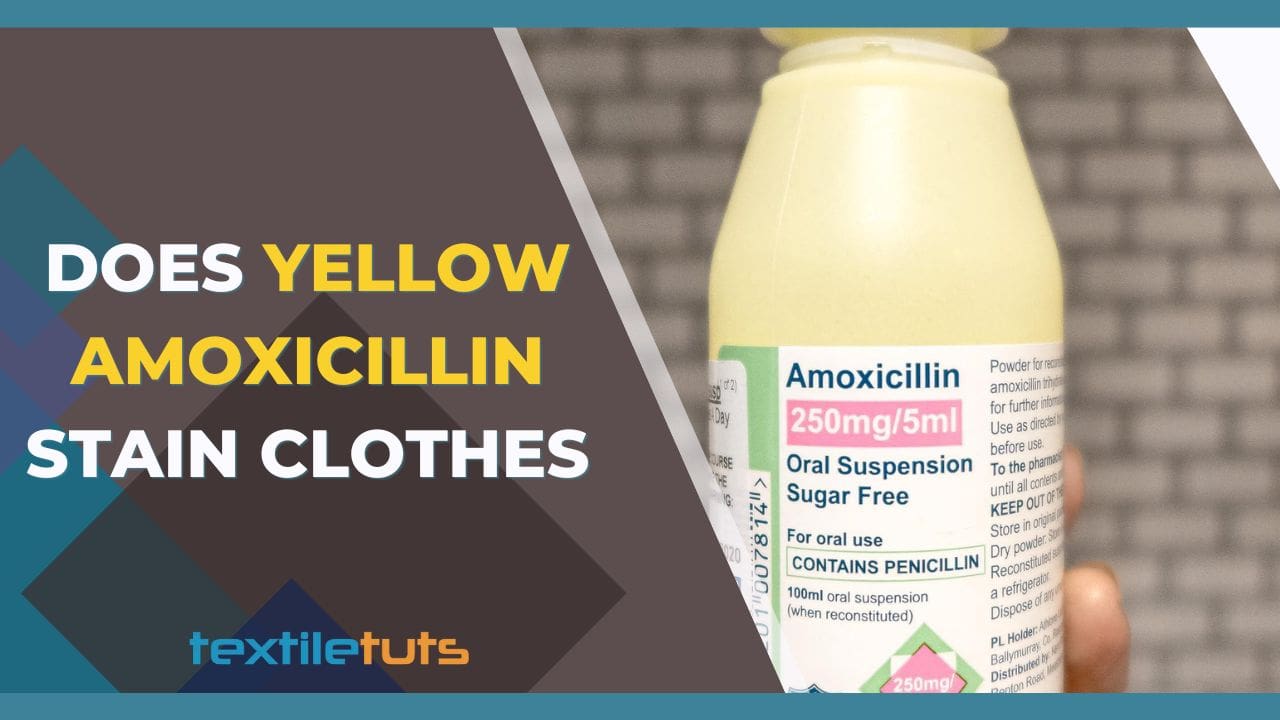
Yes, liquid forms of amoxicillin—which are often a yellow-orange color due to added dye compounds including FD&C Yellow No. 6 and Sunset Yellow FCF—will stain clothes on contact. The stain becomes permanent within 2-3 minutes if not treated, because the dye molecules bond chemically to fabric fibers. Capsules, tablets, and chewable forms rarely cause stains unless crushed or dissolved.
Amoxicillin is a penicillin-group antibiotic widely prescribed at approximately 50 million courses annually in the United States alone (CDC estimates). It treats bacterial infections including bronchitis, pneumonia, and strep throat. This guide examines the science behind amoxicillin staining, the factors that determine stain severity, and proven methods for removal and prevention.
The Yellow Amoxicillin and Clothing Stain Connection
The yellow and orange varieties of amoxicillin will stain clothing on contact. This occurs because manufacturers add synthetic dye compounds—including FD&C Yellow No. 6 and Sunset Yellow FCF—to the suspension formulations for child safety identification and visual dosing verification. The molecular formula of amoxicillin is C16H19N3O5S with a molar mass of 365.40 g·mol⁻¹. Its log P value of 0.87 indicates moderate lipophilicity, which means the compound adheres readily to fabric fibers.
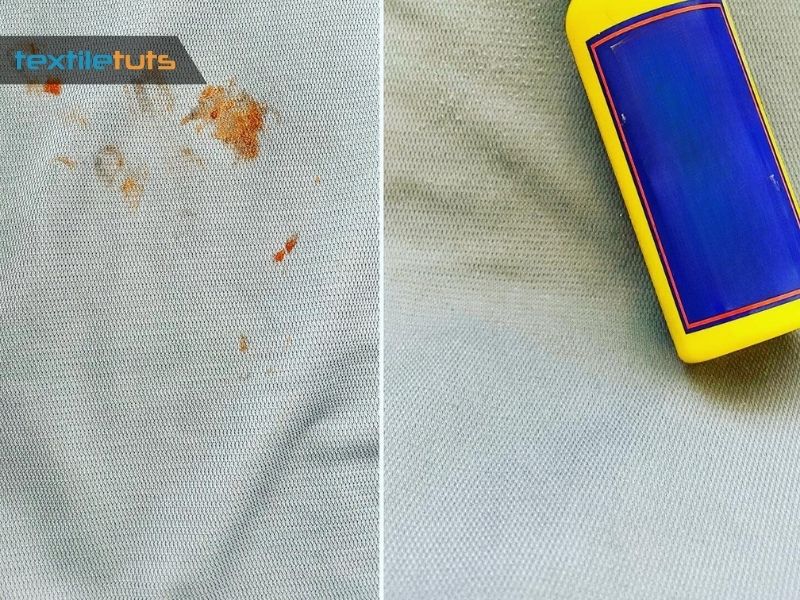
Liquid suspension or chewable tablet contact with clothing will cause permanent stains if not treated within 2-3 minutes. These stains are dye-based and adhere to fabric fibers through chemical bonding, making delayed treatment significantly more difficult.
Prevention begins with understanding that pediatric suspensions contain up to 10-20 mg of dye per 5 mL dose. Administering medication over a protected surface and using proper dosing syringes reduces spill risk significantly.
Also Read:
Factors That Determine Stain Severity on Fabric
Several interconnected factors determine whether amoxicillin will leave a visible stain and how difficult that stain becomes to remove.
Fabric Type and Absorption Capacity
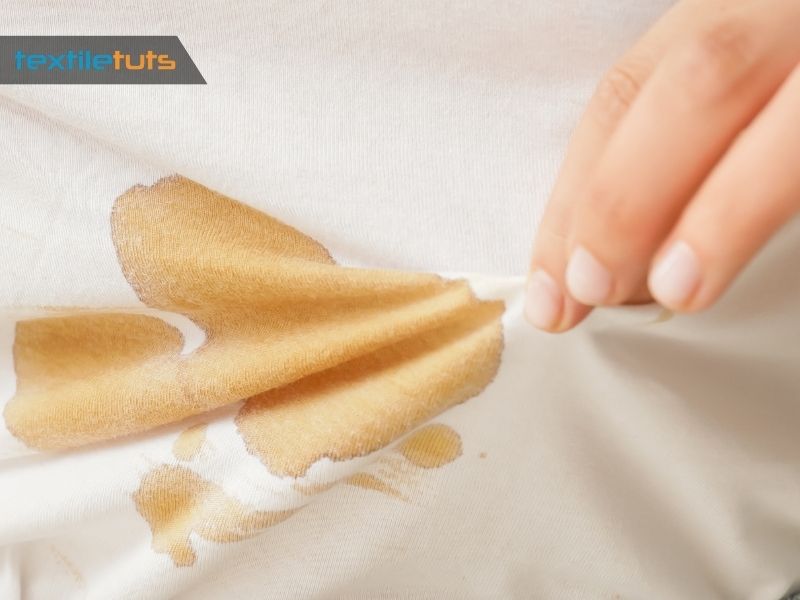
Fabric composition is the primary factor in stain outcomes. Synthetic fibers such as nylon and polyester have a water repellency rate of approximately 40-60% due to their tightly woven, hydrophobic structure. Natural fibers like cotton absorb 150-200% of their weight in water, causing the suspension to penetrate deeply into the fiber matrix.
When amoxicillin suspension contacts cotton fabric, it spreads through the fiber gaps within 8-12 seconds. Polyester’s tighter weave creates a barrier that traps dye on the surface, making the stain more concentrated but potentially easier to treat.
Concentration of the Suspension
Higher concentration formulations produce more intense stains. Standard pediatric suspensions contain 125 mg/5 mL or 250 mg/5 mL of amoxicillin. The 250 mg/5 mL concentration contains twice the active compound and produces correspondingly darker stains due to the higher dye load of approximately 15-20 mg per dose.
Fabric Color and Stain Visibility
White and light-colored fabrics show amoxicillin stains with 90-100% visibility due to the stark contrast. Dark fabrics conceal stains with 60-80% effectiveness depending on the dye color matching. Light-colored clothing requires immediate treatment to prevent permanent discoloration.
Added Food or Beverages
Mixing amoxicillin with milk or juice does not reduce staining—it compounds the problem. The combination creates a dual-stain scenario where the amoxicillin dye and food coloring bond simultaneously. Flavored suspensions add reinforcing agents such as sodium citrate and aspartame, which alter the pH and can increase dye adhesion to protein fibers.
Drug Formulation Type
Amoxicillin oral suspensions cause the most severe stains because the liquid distributes the dye evenly across fabric. Chewable tablets produce localized stains from dissolved fragments. Capsules and unscushed tablets rarely stain because the dye is contained within the protective coating.
Time to Treatment
Stains become permanent after 3-5 minutes at room temperature (68-72°F / 20-22°C). Below 40°F (4°C), dye oxidation slows significantly, extending the treatable window to 10-15 minutes. Heat from a dryer or hot water sets the stain permanently by accelerating oxidation and polymerizing the dye into the fiber.
Washing Method
Using hot water above 140°F (60°C) will set amoxicillin dye stains permanently. The ACI stain removal guidelines specify cold water (below 80°F / 27°C) for initial treatment, followed by warm water (90-110°F / 32-43°C) for final washing if the fabric care label permits.
Step-by-Step Process for Removing Amoxicillin Stains
Follow this sequence for the highest probability of complete stain removal from fabric.
Immediate Action Within 2 Minutes
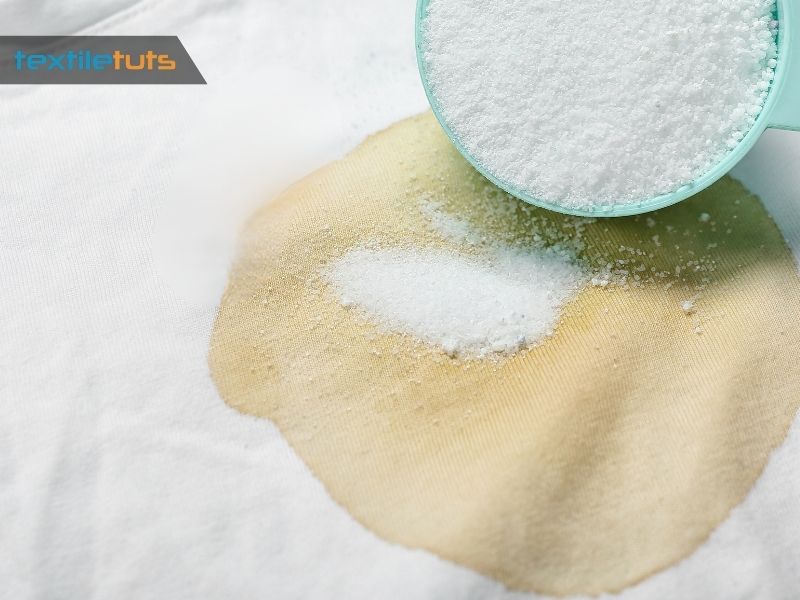
Blot the excess liquid with a clean white cloth, working from the outside edge toward the center to prevent spreading. Do not rub, as this forces the dye deeper into the fiber structure. Remove the garment immediately and rinse from the back with cold water.
Excess Removal
Use a dull plastic scraper or the edge of a credit card to lift any remaining suspended material from the fabric surface. A spoon works effectively for thicker residues. Avoid metal tools that can damage fabric fibers or create holes.
Pre-Treatment Application
Apply an enzyme-based prewash stain remover directly to the affected area. Enzyme-based products break down protein structures at temperatures between 80-120°F (27-49°C). Allow the product to penetrate for exactly 5-10 minutes—extended exposure beyond 15 minutes can cause enzyme activity to weaken fabric fibers.
Dwell Time
Let the pre-treatment solution remain on the stain for 5-10 minutes. During this period, the enzymes catalyze the breakdown of the amoxicillin-dye complex. Do not let the product dry on the fabric, as this can create a secondary stain.
Rinsing Technique
Rinse the treated area from the back side of the fabric using cold water at approximately 40-50°F (4-10°C). Rinsing from behind pushes the dissolved stain particles outward rather than driving them deeper into the fiber matrix.
Stain Assessment
Examine the stain under good lighting before proceeding to washing. If the stain remains visible after cold water rinsing, apply a second round of pre-treatment and repeat the process. Light residual staining often disappears completely during the main wash cycle.
Machine Washing
Wash the garment in the warmest water temperature safe for the fabric, as indicated on the care label. For cotton fabrics, a water temperature of 80-90°F (27-32°C) is effective. Add a full dose of liquid laundry detergent, which contains surfactants that lift and suspend dye particles.
Drying Method
Air-dry the garment flat or hang it in indirect sunlight after washing. Direct sunlight exposure for 2-4 hours has a mild bleaching effect that can reduce residual yellowing. Do not tumble dry until the stain is completely gone—heat from a dryer sets any remaining dye permanently.
Repeat Treatment if Needed
Stubborn stains may require 2-3 complete treatment cycles. Each cycle progressively reduces dye concentration in the fiber. After the second treatment, if the stain remains visible, soaking the garment in an oxygen-based bleach solution (not chlorine bleach) for 30-60 minutes before washing provides additional stain-fighting power.
Quick-Reference: Key Thresholds for Amoxicillin Stain Treatment
| Factor | Safe Range | Danger Zone |
|---|---|---|
| Treatment window | 0–2 minutes (best results) | 3–5 minutes = permanent |
| Initial rinse water | Below 80°F / 27°C (cold) | Above 140°F / 60°C = sets stain |
| Final wash temperature | 80–90°F / 27–32°C | Above 140°F / 60°C |
| Fabric absorption (cotton) | 150–200% of weight | High risk of deep penetration |
| Polyester water repellency | 40–60% repels liquid | Lower surface absorption |
| Enzyme pre-treatment temp | 80–120°F / 27–49°C | Below 80°F = less effective |
| Refrigerated storage | 35–46°F / 2–8°C | Above 77°F / 25°C = dye degradation |
Prevention Strategies for Yellow Amoxicillin Stains
Prevention is significantly more effective than treatment. These strategies reduce stain risk by up to 95% when applied consistently.
Controlled Medication Administration
Use the dosing syringe or dropper provided with the medication rather than spoons, which increase spill risk by 60%. Administer medication while standing over a hard surface such as a tile floor or sink, never over carpeting or upholstered furniture. Place a folded towel across your lap as an additional barrier.
Protective Clothing During Administration
Wear an old shirt or apron when administering amoxicillin, especially to children. For infants, place a waterproof bib or absorbent cloth under the chin to catch drips. These barriers prevent direct contact between the suspension and valuable clothing.
Proper Hand Washing After Handling
Wash hands thoroughly with soap and warm water for a minimum of 20 seconds after each administration. Clean the outside of the medication bottle, the syringe tip, and any surfaces the medication may have contacted. Residue on hands transfers readily to fabric on contact.
Work Surface Protection
Place a vinyl or plastic mat under the medication preparation area to catch any spills. Keep paper towels readily accessible for immediate cleanup. Avoid wooden or porous surfaces that absorb liquids and harbor bacteria.
Immediate Response Protocol
When spills occur, act within 30 seconds. Blot immediately with cold water, apply pre-treatment, and launder within 1 hour. Keeping a pre-moistened stain wipe in the medication kit enables treatment even when away from home.
Fabric Selection for Young Children
Dress young children in polyester or nylon blends during antibiotic treatment periods, as these synthetic fabrics absorb 40-60% less liquid than cotton and release stains more readily during washing. Stain-resistant treated fabrics provide additional protection.
Proper Medication Storage
Store amoxicillin suspensions in an upright position in the refrigerator at 35-46°F (2-8°C). The cold temperature reduces dye degradation and maintains medication efficacy. Keep medications in a dedicated cabinet away from clothing and linens to prevent accidental spills from reaching fabric.
Treatment for White Clothes with Yellow Amoxicillin Stains
White fabrics require specialized treatment due to their high visibility of stains and vulnerability to damage from harsh chemicals.
For white cotton and cotton-blend fabrics, apply a hydrogen peroxide-based stain remover (3-6% concentration) directly to the stain. Allow it to sit for 3-5 minutes before rinsing with cold water. Oxygen-based bleaches are safer for fabric integrity than chlorine bleach, which can weaken fibers by up to 30% with repeated use.
For synthetic white fabrics, use a gentle liquid laundry detergent applied directly to the stain and worked in with a soft-bristled brush. Wash in warm water (not hot) on the gentle cycle to prevent fabric damage while effectively removing dye particles.
Laundry Practices That Prevent Amoxicillin Stains
Proper laundry practices complement direct stain treatment and provide ongoing protection against residual discoloration.
Sort laundry by fabric type and color before washing. Wash heavily soiled items separately to prevent dye transfer. Use the appropriate water temperature for each fabric type—cold water (below 80°F / 27°C) for colors and delicates, warm water (80-90°F / 27-32°C) for whites and heavily soiled items.


