
Does Ultrasun Stain Clothes? – A Comprehensive Analysis

Ultrasun sunscreen is less likely to stain clothing than most conventional sunscreens — its avobenzone-free, oxybenzone-free formula with zero mineral oils and zero emulsifiers significantly reduces the risk of fabric discoloration compared to standard UV-filter products. While no sunscreen is completely risk-free for fabrics, Ultrasun’s exclusion of these common staining agents makes it a notably safer choice for your wardrobe.
All Ultrasun products contain 0% perfume, 0% mineral oils, 0% emulsifiers, 0% preservatives, 0% silicones, 0% PEG/PPG, 0% avobenzone, 0% oxybenzone, 0% octocrylene, and 0% aluminum compounds — the primary culprits behind fabric staining in conventional sunscreens. Avobenzone and oxybenzone, in particular, are organic UV filters known to produce yellow-brown discoloration on light-colored fabrics after exposure to sunlight and sweat. Ultrasun recommends allowing the product to absorb into the skin for 15–30 minutes before dressing fully, which further reduces the chance of transfer onto clothing.
Ultrasun vs. Conventional Sunscreens: Staining Risk Comparison
| Ingredient / Property | Ultrasun | Conventional Sunscreens |
|---|---|---|
| Avobenzone | 0% (not included) | Often included |
| Oxybenzone | 0% (not included) | Often included |
| Mineral oils | 0% (not included) | Frequently included |
| Emulsifiers | 0% (not included) | Frequently included |
| Water-resistant formula | Yes | Varies |
| Fabric staining risk | Significantly lower | Higher — especially on light-colored fabrics |
Ultrasun and Clothing Staining: What the Research Shows
One common issue with conventional sunscreen products is the possibility of leaving residual stains on garments, especially when they are not correctly applied or allowed ample time to dry properly.
Ultrasun is renowned for providing high-quality protection against harmful ultraviolet (UV) rays. Many users report satisfaction with its texture and its ability to safeguard against sunburns and premature skin aging.
Ultrasun products are formulated to be non-greasy and absorb quickly into the skin. While no sunscreen is completely risk-free for fabrics, Ultrasun’s exclusion of avobenzone, oxybenzone, and mineral oils significantly reduces the likelihood of fabric staining compared to conventional alternatives.
If transfer occurs, treating and washing the clothing as soon as possible is recommended to increase the chances of completely removing the stain. Studies show that fresh stains respond significantly better to treatment than set-in stains, with removal success rates declining sharply after 72 hours.
How to Treat Sunscreen Stains on Clothes
Removing sunscreen stains from clothes requires prompt action and the right approach. With the correct method, most fresh stains can be eliminated entirely. Here is a step-by-step guide on how to remove sunscreen stains from your clothing:
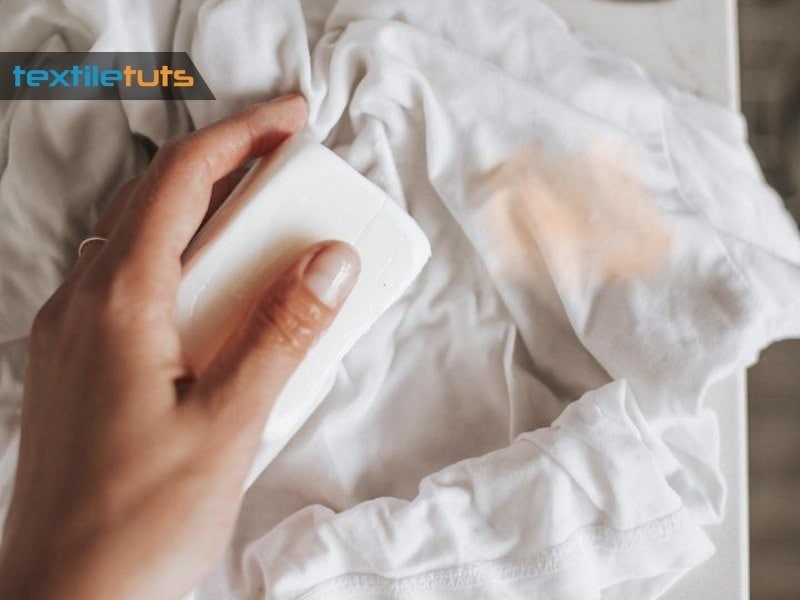
Supplies Needed
- Liquid laundry detergent
- Stain remover (optional)
- A soft brush or toothbrush
- Cold water
Step 1: Act Immediately
Treat the sunscreen stain as soon as possible. The longer it sits on the fabric, the more deeply it penetrates the fibers. Research indicates that oil-based stains like sunscreen become significantly more difficult to remove after 24 hours and may become permanent after 72 hours.
Step 2: Blot Excess Sunscreen
Use a clean, white cloth or paper towel to blot (not rub) the stain. Rubbing spreads the sunscreen deeper into the fabric structure and can enlarge the stained area. Blotting absorbs excess sunscreen from the fabric surface.
Step 3: Pre-Treat the Stain
Apply a small amount of liquid laundry detergent directly to the stain. You can also use a commercial stain remover designed for oily or greasy stains. Gently rub the fabric together to work the detergent into the stain.
Step 4: Allow It to Penetrate
Allow the detergent or stain remover to sit on the stain for 5–10 minutes. This dwell time allows surfactants to break down the oil-based UV filter compounds in conventional sunscreens.
Step 5: Brush Gently
Using a soft brush or an old toothbrush, gently scrub the stained area in a circular motion. Avoid scrubbing too hard, as this can damage delicate fabric fibers and push residue deeper into the weave.
Step 6: Rinse with Cold Water
Rinse the stained area with cold water. Hold the fabric under running cold water or use a clean cloth soaked in cold water to flush out the detergent or stain remover. Hot water sets oil-based stains and should never be used on fresh sunscreen marks.
Step 7: Check the Stain
After rinsing, inspect the stained area to determine if the stain has been completely removed. If it remains visible, repeat the pre-treatment and rinsing process until the fabric is clean.
Step 8: Wash as Normal
Once the stain is gone or significantly reduced, wash the clothing as you normally would, following the care label instructions. Use the highest safe water temperature for the fabric type.
Step 9: Inspect Before Drying
Before placing clothing in a dryer, inspect the stained area to confirm the stain is fully removed. The heat from a dryer sets any remaining stain residue permanently, making subsequent removal nearly impossible.
Step 10: Air Dry if Necessary
If any trace of the stain persists after washing, air dry the garment and repeat the stain removal process. Never use a tumble dryer on a potentially stained item until the stain is completely gone.
Also Read:
- Does P20 Stain Clothes? – The Stain Fiasco
- Unpacking The Question: Does Neosporin Stain Clothes?
- Does Aquaphor Stain Clothes? – Top 9 Hacks To Prevent Stains
How to Prevent Ultrasun from Staining Clothes
To prevent Ultrasun or any sunscreen from staining your clothes, follow these proven prevention strategies:
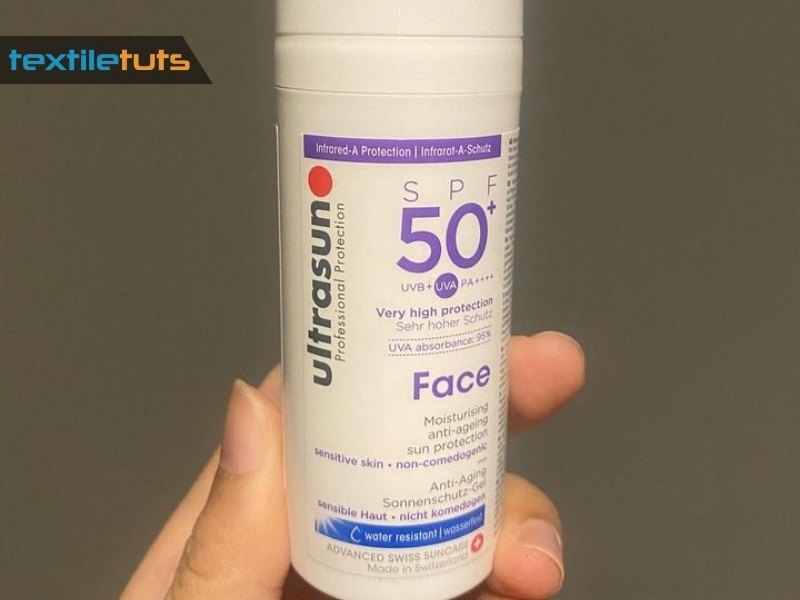
Apply Sunscreen Correctly
Apply a sufficient amount of sunscreen to cover all exposed skin. Most adults need approximately 35–40 mL (about 2 tablespoons) of sunscreen per full-body application to achieve the advertised SPF protection. Using too much increases the likelihood of residue transferring to your clothing.
Ensure that you thoroughly rub the sunscreen into your skin until it is fully absorbed. This minimizes excess residue on the surface of your skin that could transfer onto fabric.
Allow Adequate Absorption Time
Apply sunscreen at least 15–30 minutes before putting on your clothing. This absorption window allows the product to penetrate the skin’s surface and significantly reduces the chance of it transferring to your clothes. The Skin Cancer Foundation recommends a minimum wait time of 15 minutes before dressing after sunscreen application.
Choose the Right Sunscreen Formula
Opt for sunscreens with non-greasy or dry-touch formulations. These are less likely to leave residue on your skin and clothing. Consider using a sunscreen stick or spray for areas where staining is a primary concern. These formats deposit less surface residue and are less prone to transferring onto clothes.
Wear Protective Clothing
If you are spending extended periods in the sun, wear protective clothing such as rash guards, cover-ups, or UPF-rated garments. This reduces direct contact between sunscreen and your everyday clothing. UPF 50+ fabrics block at least 98% of UV radiation.
Take Extra Care with Mineral Sunscreens
Mineral sunscreens containing zinc oxide or titanium dioxide can leave a white cast on fabric that appears as gray or white streaks. Ensure mineral sunscreen is fully rubbed into the skin before contact with clothing to minimize this transfer.
Reapply Strategically
When reapplying sunscreen during the day, do so when you are not wearing delicate or light-colored clothing. This minimizes the risk of staining on your most vulnerable garments.
Wash Hands After Application
After applying sunscreen, wash your hands thoroughly to remove any residue. This prevents inadvertent transfer of sunscreen onto clothing when you touch or adjust your garments.
Follow Product Instructions
Always read the instructions on the sunscreen product for specific guidance on application and reapplication. Following the manufacturer’s recommendations optimizes both sun protection and fabric safety.
Choose Stain-Resistant Fabrics
Consider wearing clothing made from stain-resistant or water-repellent fabrics. These materials are engineered to resist absorption of oils and liquids, making them less susceptible to sunscreen stains.
Fabric Types Most Susceptible to Sunscreen Staining
The likelihood of staining depends on the fabric’s composition, weave structure, and color. Understanding which materials are most vulnerable helps you take targeted preventive measures.
| Fabric Type | Why It Stains Easily | Prevention Tip |
|---|---|---|
| Light-colored fabrics (white cotton, polyester blends) | Yellow-brown discoloration from UV filters is highly visible against pale backgrounds | Apply sunscreen 15–30 minutes before dressing; choose Ultrasun’s avobenzone-free formula |
| Silk, chiffon, lace (delicate/sheer) | Highly absorbent fibers trap sunscreen oils deeply; difficult to treat | Avoid direct contact; use protective cover-ups over delicate items |
| Linen, loosely woven cotton | Open weave allows sunscreen to penetrate fiber gaps and become trapped | Apply sparingly and allow full absorption time before wear |
| Denim, canvas (thick/heavy) | Dense fiber bundles trap sunscreen deeply, requiring stronger cleaning agents | Pre-treat promptly; consider professional cleaning for set-in stains |
| Cotton, linen (natural fibers) | Hydrophilic structure absorbs oils readily, increasing stain penetration | Wash soon after exposure; use stain remover on affected areas |
| Spandex, lycra (stretchy/athletic) | Tight weave and snug fit increase friction and sunscreen transfer during activity | Wear UPF-rated athletic layers; rinse after water exposure |
Black Velvet Hangers and Sunscreen Stain Prevention
Using black velvet hangers can help prevent staining from Ultrasun on clothes. Unlike standard hangers, black velvet hangers gently grip clothing, reducing the likelihood of the fabric slipping and coming into contact with the hanger surface, thereby reducing the risk of black velvet hangers staining clothes.
Comparing Ultrasun and P20 Sunscreen for Fabric Staining
When comparing the staining risk of Ultrasun versus P20 sunscreen, P20 presents a higher likelihood of fabric discoloration. The P20 formula has been reported to leave yellowish-brown stains on light-colored fabrics, while Ultrasun’s avobenzone-free and oxybenzone-free formulation significantly reduces this risk. For more details, see the P20 stains clothes article.
Conclusion
Ultrasun sunscreen is a highly effective and reliable sun protection product that provides long-lasting coverage. While some users may experience occasional staining on their clothes, this is rare with Ultrasun’s formulation and can be easily prevented by following the recommended application guidelines.
Apply the sunscreen at least 15 minutes before putting on clothes to allow it to fully absorb into the skin. If staining does occur, treat the affected area immediately with a stain remover and wash the garment as soon as possible. Prompt treatment within 24 hours provides the highest probability of complete stain removal.
Overall, Ultrasun sunscreen is a top-performing product that should be considered by anyone in need of high-quality sun protection that is gentler on fabrics than conventional chemical sunscreen alternatives.
References
- U.S. Food and Drug Administration. (2023). How Sunscreen Works: UV Filters Explained. FDA.


