
Why Are My Clothes Stained After Washing?

The three primary reasons clothes come out of the washing machine stained are: pre-existing stains that were not pre-treated, improper detergent selection or dosage, and laundry detergent or mineral buildup from hard water. These factors account for the majority of staining issues in laundered garments. Understanding what causes each type of stain lets you prevent them before they happen.
The rest of this guide explains each cause in detail and provides specific prevention and removal techniques backed by fabric science and laundry industry standards.
All the Reasons Your Clothes Are Stained After Washing

We dislike having a random stain on our clothes. We find it to be very irritating. For several specific reasons, your clothes can still have stains after being washed. By understanding these mechanisms, you can prevent them from occurring.
Improper Washing Techniques

One of the most common reasons clothes come out of the wash stained is improper washing techniques. This includes failure to sort laundry by color and fabric type, incorrect wash cycle selection, and overloading the machine beyond 75% capacity, which prevents adequate soil suspension and removal.
Build-Up of Laundry Detergent
Another common reason for stained clothing is detergent residue accumulating on fabric fibers. This occurs when laundry is not thoroughly rinsed or when detergent dosage exceeds manufacturer recommendations. The excess detergent binds to soil particles and redeposits onto fabric surfaces, creating a grayish or whitish film known as detergent curd.
The American Cleaning Institute recommends using less than 2 tablespoons (approximately 30mL) of high-efficiency detergent for a standard load in soft to moderately hard water. Using more detergent than necessary causes residue buildup that attracts dirt and creates the appearance of staining.
Washing Clothes in Hard Water
Hard water significantly contributes to staining after washing. The U.S. Geological Survey classifies water hardness as follows:
| Water Classification | Calcium Carbonate (mg/L) | Effects on Laundry |
|---|---|---|
| Soft | 0–60 | Optimal for cleaning; no residue buildup |
| Moderately Hard | 61–120 | Slight residue possible; detergents remain effective |
| Hard | 121–180 | Visible residue; reduced detergent efficiency by up to 30% |
| Very Hard | 180+ | Significant curd formation; fabric deterioration over time |
Calcium and magnesium ions in hard water react with the fatty acids in soap to form an insoluble gelatinous curd. This curd reduces soap effectiveness by up to 50% and leaves visible residue on fabric surfaces. Additionally, ferrous iron present in some water supplies oxidizes to ferric form during washing, appearing as reddish-brown stains on washed fabrics.
Hard water also shortens fabric lifespan by causing fibers to become brittle over time. Using a water softener or chelating detergent helps mitigate these effects.
Using the Wrong Detergent

Using the wrong type of detergent for your clothes causes detergent staining. High-pH alkaline detergents are too harsh for protein fibers like silk and wool—they strip the protective lanolin coating and break down fiber structure, making fabrics more susceptible to staining.
For delicate fabrics, use pH-neutral formulations specifically designed for delicates. Standard laundry detergents contain surfactants optimized for cotton and synthetic blends at water temperatures between 30–40°C (86–104°F).
Not Pre-Treating Stains
Failure to pre-treat stains before washing leads to permanent staining. The longer a stain sets, the more it polymerizes into fabric fibers—stains older than 24 hours show significantly reduced removal rates regardless of treatment method.
Apply stain remover directly to the affected area and allow it to penetrate for 5–10 minutes before washing. For protein-based stains like blood or sweat, cold water is essential—hot water causes proteins to denature and bond more tightly with fibers.
Not Drying Clothes Properly
Inadequate drying causes staining through several mechanisms. Leaving damp garments in a pile allows body fluids, perspiration, and environmental pollutants to seep into fabric and cause yellowing or discoloration.
The USDA recommends immediately drying cleaned laundry within 30 minutes of cycle completion to prevent mildew growth and odor-causing bacterial proliferation. Air drying on a clothesline or rack is gentler than machine drying and preserves fabric integrity longer.
Using the Wrong Drying Cycle
Using high heat on delicate fabrics causes fiber damage and staining. Polyester and synthetic blends begin to soften at 60–65°C (140–149°F) and can permanently warp or discolor at temperatures exceeding 80°C (176°F).
Set tumble dryers to the appropriate heat level based on fabric care labels: high heat for cotton towels and durable items, medium heat for synthetics, and low heat or air fluff for delicates and items with elastic fibers.
Putting Soaking Wet Clothes in the Dryer
When you put soaking wet clothes in the dryer and some items are not colorfast, the darker dyes bleed and transfer to lighter garments and whites. This dye transfer staining occurs most commonly in the first 3–5 wash cycles of new colored garments.
Always spin-dry laundry thoroughly before transfer and avoid putting new brightly colored items in the same load as whites or light pastels for at least five wash cycles.
Not Cleaning Your Washing Machine

Failure to clean the washing machine regularly causes residue buildup that transfers to clothing. Over time, accumulated detergent, fabric softener, and lint create an ideal environment for mold and bacteria growth.
Run a hot water wash cycle with 2 cups (480mL) of white vinegar or 1 cup (240mL) of bleach monthly to disinfect the drum and remove residue. Leave the door open between cycles to allow the drum to air dry completely and prevent moisture accumulation.
Wearing Clothes That Are Already Stained
One of the most common reasons clothes come out of the wash stained is that they were already stained when you put them in. Body fluids such as sweat and blood, food spills, and environmental dirt all bond with fabric fibers over time.
Sweat contains uric acid and salts that decompose into ammonia, which causes yellowing on white fabrics. Blood contains protein that bonds to fibers at temperatures above 40°C (104°F), making cold water treatment essential for fresh blood stains.
Identifying the cause of staining helps you take preventive steps in the future. Following the tips in this guide keeps your clothes looking their best and prevents staining after washing.
How to Get Stains Out of Clothes Without Washing Them
There are proven methods to remove stains from clothes without machine washing. These techniques work on fresh and set stains alike.
Using a Pre-Treater
Pre-treater products break down stain molecules before washing, making removal easier. Apply the product directly to the stain and gently rub the fabric together to work it in.
Allow the pre-treater to sit for 5–10 minutes before washing. For oil-based stains, choose products containing enzymes specifically designed to break down lipid chains.
Soaking in Water and Vinegar Solution
A solution of equal parts water and white vinegar (typically 5–8% acetic acid concentration) effectively removes tough stains. Soak the stained item for 30 minutes.
The acetic acid in vinegar breaks down mineral deposits from hard water and helps dissolve detergent residue, making it particularly effective for addressing the root causes of post-wash staining.
Rubbing Alcohol Treatment
Rubbing alcohol (isopropyl alcohol) dissolves many types of stains and evaporates quickly without leaving residue. Dab the stain with a clean cloth moistened with rubbing alcohol.
Work from the outside of the stain toward the center to prevent spreading. Blotting rather than rubbing preserves fabric texture and prevents fiber damage.
Baking Soda Paste Application
Mix 3 parts baking soda (sodium bicarbonate) with 1 part water to form a paste. Apply the paste to the stain and let it sit for 15–20 minutes before wiping away with a damp cloth.
Baking soda’s mild alkalinity helps neutralize acidic stains like sweat and food, while its gentle abrasive action lifts particles from fabric fibers without damaging most materials.
Hairspray as Stain Repellent
Standard aerosol hairspray contains alcohol and polymers that help lift fresh stains from fabric. Spray directly on the stain and blot with a clean cloth.
This method works best on fresh ink or makeup stains within the first few minutes of spilling. Avoid using on delicate fabrics like silk or wool.
WD-40 for Set-In Stains
WD-40 acts as a pre-treating agent for tough, set-in stains on washable fabrics. Spray a small amount onto the stain and let it sit for 5–10 minutes.
The petroleum distillates in WD-40 break down oil and grease bonds, making subsequent washing more effective. Always wash the item thoroughly after treatment to remove any oily residue.
The Dry-Erase Marker Method
Drawing over a stain with a dry-erase marker and wiping with a damp cloth removes certain types of stains from delicate fabrics that cannot be machine washed.
The solvents in dry-erase markers dissolve some inks and dyes, while the felt-tip action provides gentle agitation. This technique is safe for silk and wool that would be damaged by standard washing.
Next time you spill something on your clothes, try one of these methods before reaching for the laundry detergent. Your clothes will last longer without frequent washing.
How to Prevent Your Clothes from Staining
Preventing stains requires proactive habits and proper fabric care techniques. These steps significantly reduce the frequency of staining incidents.
Treat Stains Immediately
The sooner you treat a stain, the better your chances of removing it completely. Fresh stains have up to 90% removal success rates with proper treatment, while stains older than 24 hours drop to below 50% success rates.
Keep a stain removal pen or pre-treater wipes in your bag or car for on-the-go treatment of fresh spills.
Be Careful with Food and Drink
Keep food and drink away from your clothing. When eating or drinking, avoid wearing your best attire and take extra care when handling messy foods.
Use napkins proactively rather than reactively—place them on your lap when eating saucy foods and blot spills immediately rather than rubbing.
Use Cosmetics with Caution
Makeup contains oils, pigments, and polymers that bond strongly to fabric fibers. Apply all cosmetics before dressing and allow setting products to dry completely before putting on clothes.
Wash your hands thoroughly after applying makeup to prevent transferring products to your clothing throughout the day.
Use Hair Products Carefully
Hair styling products contain hold polymers and conditioning agents that can stain collar and shoulder areas. Apply hair products before dressing and allow them to dry for at least 2–3 minutes.
Wash your hands after using hair products to prevent transferring residue to clothing during dressing.
Use the Correct Water Amount
Using too much water during washing can damage certain garments, while using too little water prevents adequate soil suspension and removal. Follow manufacturer water level recommendations for your specific load size.
High-efficiency washers use 30–50% less water than standard models and require specifically formulated HE detergents to prevent excess suds and residue buildup.
Wash Clothes Regularly
Washing clothes regularly prevents stains from setting in and reduces bacterial load. Follow the care instructions on your clothes and avoid wearing items more than once without washing if you have heavy perspiration.
Undergarments and athletic wear should be washed after each use. Jeans can typically be worn 3–5 times before washing unless visibly soiled.
Hang Clothing to Dry
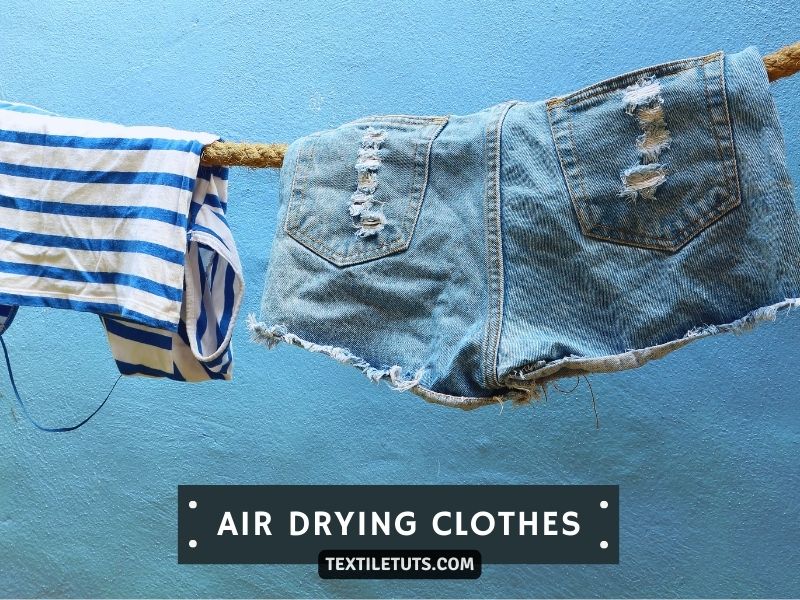
Air drying clothes after washing prevents heat damage and wrinkles that can trap dirt and oils in fabric fibers. Hanging garments to dry also extends clothing lifespan by 20–50% compared to machine drying.
Position drying racks in well-ventilated areas with indirect sunlight to prevent UV damage to colored fabrics.
Common Household Items for Removing Stains from Clothing
Several common household items effectively remove stains from clothing without requiring specialized cleaning products.
White Vinegar
Vinegar is a mild acetic acid (typically 5–8% concentration) that breaks down the molecules in stains, making them easier to wash away. It is particularly effective against alkaline stains like sweat and detergent residue.
Soak the stained area in undiluted white vinegar for 15–30 minutes before rinsing with cool water and washing as normal.
Baking Soda
Baking soda (sodium bicarbonate) serves as both a gentle abrasive and a deodorizer. Make a paste with 3 parts baking soda and 1 part water.
Apply the paste to the stain, let it sit for 15–20 minutes, then rinse with warm water before washing the garment as usual.
Lemon Juice
Fresh lemon juice contains approximately 5–6% citric acid, which acts as a natural bleaching agent. Apply it directly to stains on white fabrics for a mild whitening effect.
For colored fabrics, dilute lemon juice with equal parts water to prevent bleaching effects. Sunlight enhances the stain-removing properties when drying outdoors.
Table Salt
Salt works on most materials including cotton and wool. Sprinkle salt directly on the stain and use a damp towel to rub it in with a circular motion.
Let the salt sit on the stain for 10–15 minutes to absorb moisture and oils, then rinse with cold water before laundering.
Dish Soap
Dish soap contains surfactants designed to cut through grease and food residue. Add 1–2 teaspoons to a bowl of warm water and soak the stained area for 5–10 minutes.
Rinse thoroughly with cold water and wash the clothing as normal. Dish soap works especially well on oil-based stains like makeup and food grease.
Hydrogen Peroxide
Hydrogen peroxide is a natural bleaching agent effective against most stains on white and color-safe fabrics. Standard household concentration is 3%.
Pour the solution directly onto the stained area, scrub gently with a brush or sponge, and let it sit for 5–10 minutes before rinsing thoroughly with cold water.
Why Black Spots Appear on Washcloths After Washing
Black spots on washcloths after washing form due to bacterial and mold growth combined with soap scum accumulation. This happens when washcloths remain damp between uses.
Mold and bacteria thrive in warm, moist environments with organic matter (dead skin cells, soap residue). Running a monthly hot water cycle with vinegar or bleach prevents black spot formation.
Proper drying between uses—hanging washcloths open rather than crumpled—prevents the anaerobic conditions that promote black spot growth.
Why Bleach Spots Occur After Washing Clothes
Bleach spots occur after washing when built-up detergent reacts with residual chlorine bleach in the wash water. This causes localized discoloration on fabric surfaces.
The reaction between alkaline detergent residue and chlorine bleach releases oxygen, which bleaches fabric fibers in unpredictable patterns. Running an extra rinse cycle after bleaching helps prevent this reaction.
How Super Noodle Stains Compare to Post-Wash Stains
Super noodle stains on clothing resemble post-wash stains in their oil content and tendency to spread if not treated immediately. Both types require prompt pre-treatment and benefit from the same removal techniques: dish soap for grease cutting and cold water for protein prevention.
Preventing Staining When Washing Light Gray With White
Washing light gray with white clothing risks dye transfer from gray items that may bleed. To prevent this, separate light gray and white items and use a gentle detergent formulated for cold water washing at 30°C (86°F) or below.
Final Say
Following the above techniques for removing stains and preventing them helps you avoid the frustration of stained clothing after washing. These methods are backed by fabric science and laundry industry best practices.
Use common household items like vinegar, baking soda, and dish soap before purchasing expensive specialty cleaners. Many proven remedies sit in your kitchen cabinet already.
Since stains on clothes happen regularly, learning to remove them properly saves money and extends garment life rather than discarding stained items.
References
- 1. U.S. Geological Survey. (2026). Hardness of Water. USGS Water Science School.


