
Does Aquaphor Stain Clothes? – Top 9 Hacks To Prevent Stains

Yes, Aquaphor does stain clothes. Its petroleum base—petrolatum (41%) and mineral oil—penetrates fabric fibers and leaves a greasy residue that requires solvent-based treatment for removal. The risk is highest on polyester and other synthetic fabrics, and heat from a dryer or iron permanently sets the stain.
Aquaphor is a widely-used skin protectant and moisturizer formulated with petrolatum, mineral oil, ceresin, and lanolin. It creates an occlusive moisture barrier on the skin, preventing transepidermal water loss and protecting against dryness and irritation. Healthcare providers frequently recommend it for wound healing, chapped lips, and barrier repair—but the same petroleum compounds that make it effective for skin care also make it prone to fabric staining.
This guide explains why Aquaphor stains clothing, which fabrics are most vulnerable, and the exact steps to remove both fresh and set-in stains. Prevention tips follow to help you protect your garments during Aquaphor use.
Quick-Reference: Key Thresholds for Aquaphor Stain Care
| Parameter | Safe Range | What to Avoid |
|---|---|---|
| Water Temperature | Cold — 40°C (104°F) or cooler | Hot water (re-deposits petroleum oils into fabric) |
| Petrolatum Melting Point | 40–70°C (105–160°F) | Heat sources: dryers, irons, warm environments |
| Pre-Treatment Time | 10–15 minutes | Do not let pre-treatment dry completely on fabric |
| Absorption Wait Time | 3–5 minutes after application | Dressing immediately after Aquaphor application |
| Spot-Test Duration | 5 minutes (color/fabric check) | Skipping spot-test on new products or fabrics |
Why Aquaphor Stains Clothes
Aquaphor’s staining potential stems directly from its petroleum-based formulation. The ointment contains petrolatum (41%), mineral oil, ceresin, and lanolin. When these compounds contact fabric, they penetrate the fiber structure and leave a greasy residue that water alone cannot dissolve.
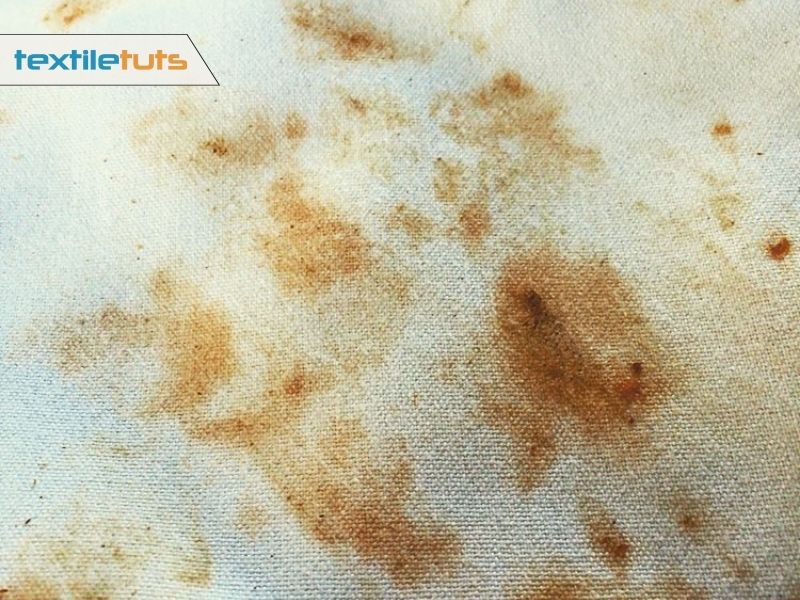
Petroleum jelly is a semi-solid mixture of hydrocarbons with carbon numbers above C25 and a melting point between 40–70°C (105–160°F). At room temperature, it remains semi-solid, but body heat and direct contact liquefy the product enough to transfer onto fabric. The petrolatum and mineral oil are insoluble in water but dissolve in solvents such as ether, benzene, and turpentine.
Several factors determine how severely Aquaphor stains clothing:
Residue from Thick Application
Applying a thick layer of Aquaphor leaves excess product on the skin surface. When skin contacts fabric, the liquefied ointment transfers directly. A thin, evenly spread application dramatically reduces transfer risk.
Greasy Texture of the Ointment
Petrolatum-based products have a greasy texture because they contain long-chain hydrocarbons. These hydrocarbons bond with fabric fibers at a molecular level. The bonding strengthens over time, making older stains progressively harder to remove.
Heat Liquefies the Product
Petroleum jelly melts between 40–70°C (105–160°F). Warm environments, vigorous activity, or wearing tight-fitting clothes over freshly applied Aquaphor raise skin temperature and increase the rate of transfer onto fabric.
Fabric Type Determines Stain Severity
Synthetic fabrics such as polyester, nylon, and acrylic absorb petroleum-based products more readily than natural fibers. Polyester’s tightly woven synthetic fibers trap oil molecules within their structure. Cotton and wool absorb less oil but still develop visible stains, particularly in light colors.
How to Remove Aquaphor Stains from Clothes
Aquaphor stains require solvent-based treatment because petroleum compounds do not dissolve in water. Surfactants in dish soap and laundry detergent break down the oil into water-emulsifiable particles. Follow each step in order for the best results.
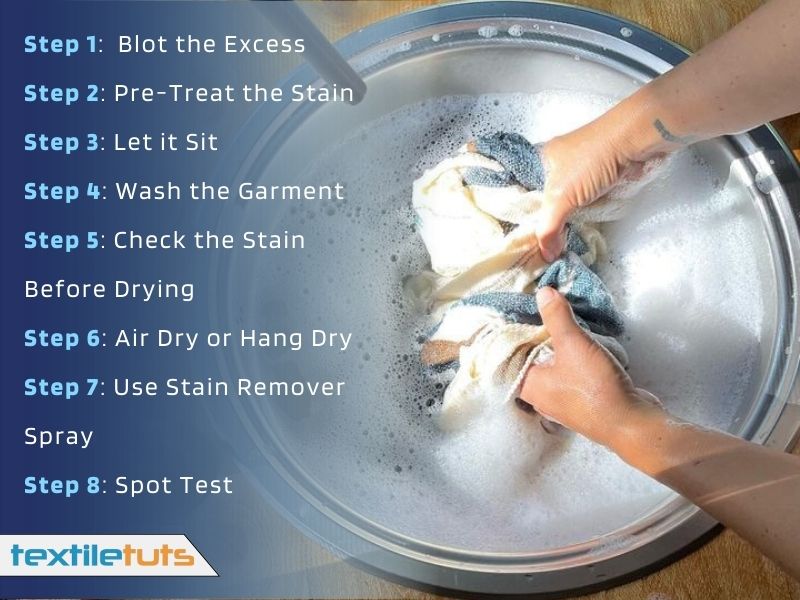
Step 1: Blot the Excess
Gently blot the excess Aquaphor with a clean cloth or paper towel. Work from the outside of the stain toward the center to avoid spreading. Do not rub—this presses the oil deeper into the fiber structure.
Step 2: Pre-Treat with Dish Soap or Detergent
Apply 3–5 drops of liquid dish soap (designed for cutting grease) directly to the stain. Gently work the soap into the fabric using your fingertips or a soft-bristled brush. Dish soap contains surfactants that emulsify petroleum oils, making them washable.
Step 3: Allow 10–15 Minutes for Penetration
Let the pre-treatment sit on the stain for 10–15 minutes. This duration allows the surfactants to fully penetrate the fiber and break down the hydrocarbon chains. Do not let it dry completely on the fabric.
Step 4: Wash in Cold Water (40°C / 104°F Maximum)
Wash the garment separately in a washing machine using cold water at 40°C (104°F) or cooler and liquid laundry detergent. Hot water melts and re-deposits the petroleum oils into the fabric, making the stain worse. Cold water keeps the oils suspended in the detergent solution for removal.
Step 5: Inspect Before Drying
After the wash cycle completes, check the stain before placing the garment in a dryer. Heat from a dryer permanently sets any remaining petroleum residue into the fabric. If the stain persists, repeat Steps 2–4 before drying.
Step 6: Air Dry or Hang Dry
Once the stain is fully removed, dry the garment using your preferred method. If the stain remains after washing, air dry and repeat the pre-treatment process. Never use a dryer on a garment with a visible Aquaphor stain.
Step 7: Apply Stain Remover Spray for Set-In Stains
For stubborn or set-in stains, apply a commercial solvent-based stain remover spray. Products containing perchloroethylene or petroleum distillates are most effective against petroleum-based marks. Always spot-test on an inconspicuous area first to check for color damage or fabric degradation.
Step 8: Spot-Test Any Treatment First
Test all stain removal products on a hidden area of the fabric—inside a hem, under a collar, or inside a seam. Wait 5 minutes to check for color changes or fabric damage before applying to the stain itself.
Fabric Susceptibility to Aquaphor Stains
| Fabric Type | Stain Risk | Notes |
|---|---|---|
| Polyester | High | Tightly woven synthetic fibers trap oil molecules within their structure |
| Nylon | High | Synthetic fabric absorbs petroleum-based products readily |
| Acrylic | Medium-High | Synthetic fibers hold onto oil compounds strongly |
| Cotton | Medium | Absorbs less oil than synthetics but still develops visible stains, especially on light colors |
| Wool | Medium | Natural fiber but oil penetration can still cause discoloration |
| Silk | Low-Medium | Delicate fabric—solvent-based removers may damage; spot-test essential |
Tips for Preventing Aquaphor Stains on Clothing
Preventing Aquaphor stains is easier than removing them. These prevention methods significantly reduce the risk of transfer without reducing the product’s skin benefits.
Apply a Thin, Even Layer
Use a small amount—roughly a pea-sized portion for the hands or a thin coating on the lips—and spread it evenly. Aquaphor spreads easily; a little covers a large area. Excess product increases transfer risk proportionally.
Wait 3–5 Minutes Before Dressing
Allow Aquaphor to fully absorb and form its protective barrier before putting on clothing. Three to five minutes is sufficient in most cases. The petrolatum creates a visible slightly glossy film when fully absorbed.
Target Application to Specific Areas
Apply Aquaphor only to the specific area requiring treatment—lips, cuticles, or patches of dry skin. Avoid applying to large skin areas that will contact clothing. Targeted application minimizes the surface area available for transfer.
Cover Treated Areas with Loose Clothing
When treating areas that will contact clothing (such as elbows or knees), wear loose, comfortable garments that create distance between the treated skin and the fabric. A loose cotton sleeve over a treated elbow significantly reduces transfer.
Wear Darker or Older Fabrics When Using Generous Amounts
Darker fabrics and older garments show Aquaphor stains far less than light-colored or new clothing. Reserve light-colored garments for days when you are not using the product.
Wash Hands Thoroughly After Application
After applying Aquaphor, wash hands with dish soap to remove all residue. This prevents accidental transfer when adjusting clothing, touching collars, or handling fabric surfaces.
Keep a Tissue or Soft Cloth for Excess Removal
Blot any excess Aquaphor from the skin surface with a tissue before dressing. This one-step removal of surface residue substantially reduces the amount available for fabric transfer.
Use Aquaphor Primarily at Night
Nighttime application allows Aquaphor to work for 7–8 hours without clothing contact. Wear loose sleepwear over treated skin areas, and wash bedding separately if needed.
Spot-Test Before Using on Garments or Upholstery
Before using Aquaphor near clothing or upholstered furniture, test a small amount on an inconspicuous fabric area. Wait 24 hours to check for any staining before regular use near those materials.
P20 Sunscreen Stains: Prevention Methods Similar to Aquaphor
P20 sunscreen causes stains on clothing through its filter compounds and emollient base, much like Aquaphor’s petroleum components. Prevention follows the same logic: apply sparingly, allow full absorption, and launder promptly if contact occurs. For detailed information, see our guide on P20 stain prevention on clothes.
Sudocrem Stains on Clothes: Similar Prevention Principles Apply
Sudocrem contains similar barrier ingredients that can stain light-colored fabrics. Prevention methods mirror those for Aquaphor: thin application, absorption time before dressing, and prompt laundering if transfer occurs. Learn more in our guide to preventing Sudocrem stains on clothes.
Final Words
Aquaphor is a highly effective skin protectant and moisturizer with well-documented benefits for barrier repair and wound healing. Its petroleum base—petrolatum (41%) and mineral oil—does stain clothing, particularly synthetic fabrics like polyester and nylon. The stains respond best to solvent-based pre-treatment with dish soap or commercial stain removers.
To minimize staining risk, apply a thin layer, wait 3–5 minutes for absorption, and use loose clothing over treated areas. Nighttime application eliminates clothing contact entirely. When stains do occur, treat them promptly and wash in cold water below 40°C (104°F) to avoid setting the petroleum residue permanently.
The benefits of Aquaphor for skin health outweigh the manageable risk of fabric staining for most users. Simple preventive habits eliminate most staining issues without reducing the product’s effectiveness.
References
- Petroleum jelly hydrocarbon composition and molecular structure. (2024). In Wikipedia. https://en.wikipedia.org/wiki/Petroleum_jelly


