
Why Do My White Socks Turn Blue? – The Science Behind Color Transformation

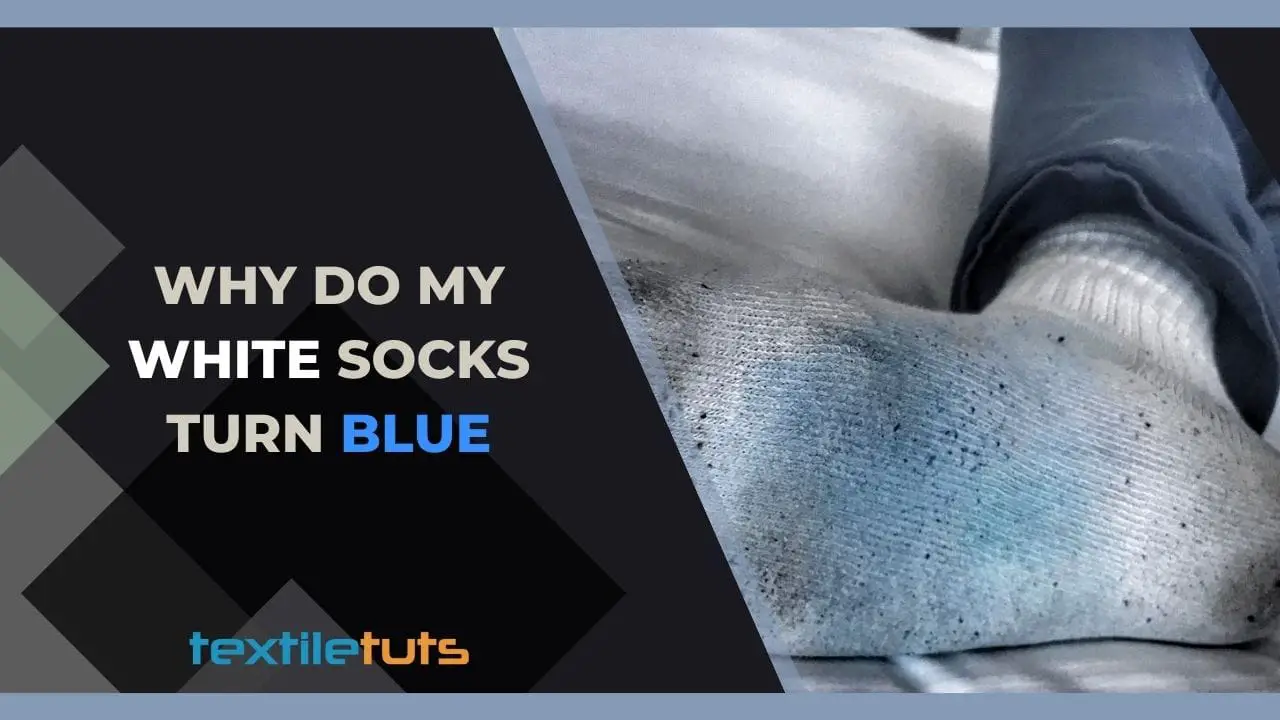
White socks turn blue primarily because of dye transfer from dark-colored garments washed alongside them. Loose indigo, sulfur, and reactive dyes bleed from jeans, dark athletic wear, and colored towels into wash water, then adhere to white cotton fibers. This is the single most common cause of blue discoloration, though hard water residue, sweat chemistry, and optical brightener buildup can also contribute.
Beyond dye transfer, white sock discoloration stems from three main categories: chemical reactions between sweat and fabric, improper laundry practices, and environmental factors like water quality and sunlight exposure. Identifying which cause is at play determines the correct prevention strategy.
Reasons for White Socks Turning Blue
White socks are a staple in many people’s wardrobes due to their versatility and ability to match almost any outfit. However, white socks commonly develop a blue or gray tint over time, leaving wearers puzzled and frustrated. Several factors drive this phenomenon, ranging from body chemistry and laundry habits to the materials used in footwear and the quality of your wash water.
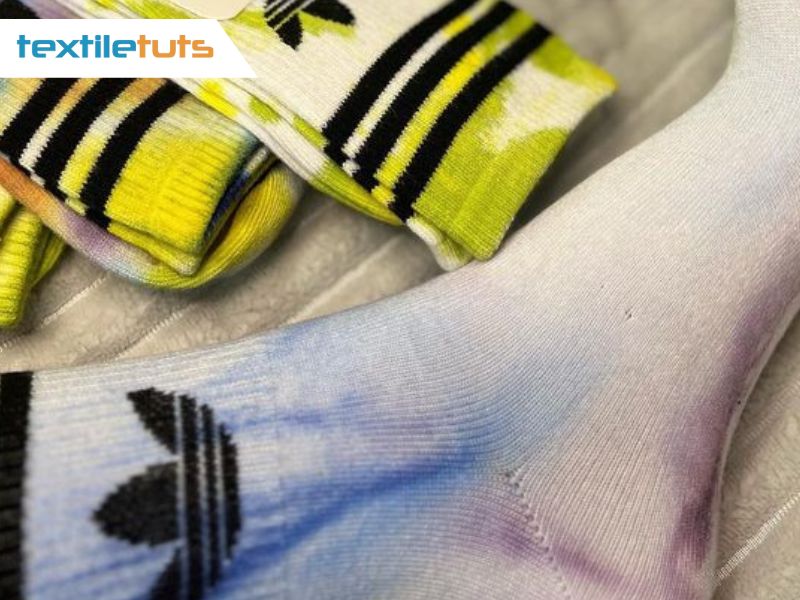
The key causes of white sock discoloration fall into three categories: chemical reactions between sweat and fabric, physical dye transfer during laundering, and environmental factors such as water quality and sunlight exposure. Understanding which cause is at play in your situation determines the correct prevention strategy.
Sweating and Body Chemistry
Excessive sweating is a primary driver of white sock discoloration. Human sweat has a pH between 4.5 and 7.0, with average foot sweat measuring around pH 6.0 (slightly acidic). When this moisture combines with natural skin oils, dead skin cells, and bacteria on the skin surface, it creates a chemical environment that interacts with sock fibers.
Cotton fibers—the most common material in casual socks—absorb this sweat-and-oil mixture. Over repeated wear cycles, uric acid and salt compounds from sweat accumulate within the fiber structure, causing cotton to shift from bright white toward a grayish or bluish tint. Additionally, bacteria breaking down sweat proteins produce ammonia and short-chain fatty acids that can chemically alter fiber surfaces.
Dye Transfer from Other Laundry
Washing white socks with colored clothing is the single most common cause of blue discoloration. Textile dyes—particularly those used in dark denim (indigo, sulfur dyes), dark athletic wear (reactive dyes), and dark towels (direct dyes)—release color particles during washing.
Standard washing machines use 40–60 liters of water per cycle. In a full wash load, loose dye particles suspended in this volume of water contact every garment surface. White cotton socks have a high surface area and open fiber structure that readily absorbs these dye particles. Research indicates that even one wash cycle with heavily bleeding dyed clothing can transfer enough dye to produce visible discoloration.
Footwear Material
Certain shoe materials transfer color onto white socks through a combination of friction, moisture, and heat. Dyed leather shoes, particularly those finished with aniline dyes or pigment dyes, shed color when exposed to foot sweat. Synthetic shoe linings made from polyester or nylon also generate friction that abrades sock fibers, while simultaneously releasing dyes from their own surface coatings.
Foot temperatures inside closed shoes typically reach 92–97°F (33–36°C) during physical activity. This elevated temperature increases the rate of dye migration from shoe lining to sock fiber. Leather shoes treated with finishing waxes or edge dressings are especially prone to this type of dye transfer.
Improper Washing Practices

Overcrowding the washing machine prevents adequate water circulation, creating an environment where dye particles remain highly concentrated in trapped water pockets rather than being diluted and rinsed away. Washing white socks with a full load of dark clothing dramatically increases the probability of dye transfer.
Inadequate rinsing also contributes to discoloration. Residual detergent left in fabric after rinsing contains surfactants and builders that can react with fiber components over time, forming yellowish or bluish oxidation products. Laundry detergent formulations typically contain builders (~50% by weight), surfactants (~15%), and alkali agents that raise wash water pH to 9–10.5, creating conditions that can gradually degrade optical brighteners on white fabrics.
Low-Quality Dyes in Sock Materials
Some white socks are made with poorly colorfast dyes or fluorescent whitening agents that break down over time. These fluorescent whitening agents (FWAs) absorb ultraviolet light and re-emit it as visible blue light, creating the illusion of bright whiteness. When FWAs degrade through repeated washing or exposure to sunlight, the optical brightening effect diminishes, revealing the natural yellowish cast of cotton fibers beneath.
Socks manufactured with substandard dye fixation processes may have residual unfixed dye molecules on the fiber surface. These molecules are more susceptible to oxidation and chemical reaction with sweat or detergent, leading to color shifts that manifest as a blue or gray tinge.
Bleach Exposure
Paradoxically, exposure to bleach (sodium hypochlorite) causes white socks to turn blue rather than white. Chlorine bleach undergoes reduction reactions with certain dye molecules and fluorescent whitening agents, converting them into colorless compounds while simultaneously producing brownish oxidation byproducts that appear blue when viewed against white fabric.
Bleach also degrades cotton cellulose fibers through oxidative depolymerization, reducing fiber molecular weight and creating microscopic surface cracks that scatter light and produce a grayish appearance. This fiber degradation is irreversible and accumulates with each bleach exposure.
Optical Brighteners and Detergent Dyes
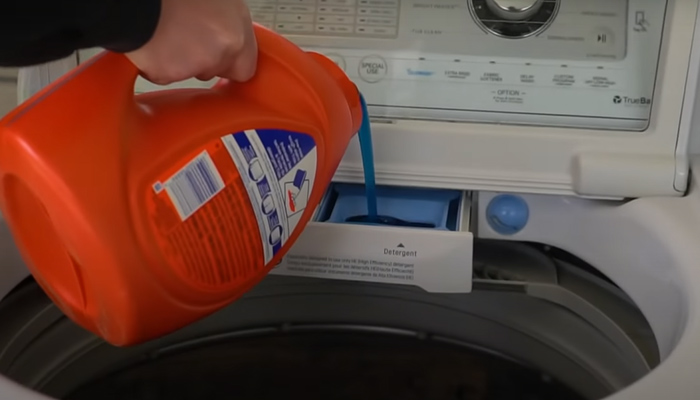
Many laundry detergents contain optical brighteners and tinting dyes specifically designed to make white fabrics appear brighter under natural and artificial light. These compounds—typically stilbene derivatives—absorb UV light and emit blue-visible fluorescence. However, when these detergent additives accumulate on fabric surfaces over multiple wash cycles, they create a bluish film that becomes visible as a gray-blue discoloration.
Standard laundry detergent formulations include optical brighteners at concentrations of 0.02–0.3% by weight. On white cotton fabrics that retain detergent residue due to insufficient rinsing, these compounds build up layer by layer with each wash, eventually reaching concentrations high enough to produce visible blue tinting.
Sunlight Exposure
Extended exposure to direct sunlight causes photodegradation of cotton fibers and fluorescent whitening agents. UV radiation at wavelengths below 400 nm breaks chemical bonds in cellulose chains and oxidizes chromophore groups responsible for color. This photochemical degradation causes white cotton to yellow, while simultaneous degradation of any residual optical brighteners eliminates their blue-fluorescence effect—leaving behind gray, washed-out fabric that appears to have a blue cast.
Fabric Softener Accumulation
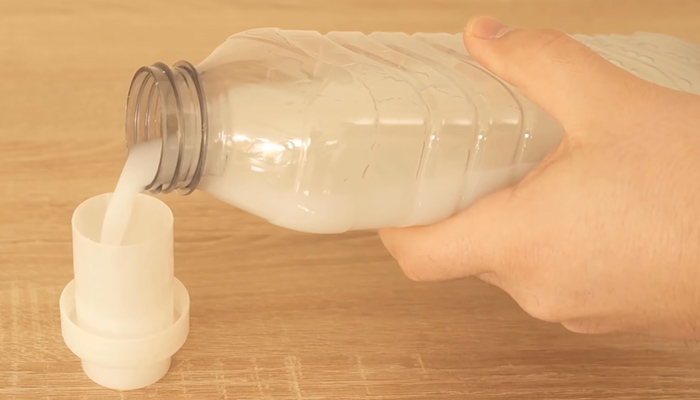
Fabric softeners contain cationic surfactants (typically dialkyldimethylammonium salts at 4–8% concentration in consumer products) that deposit on fabric surfaces to reduce friction and static electricity. These compounds form a thin, waxy coating on individual fibers. On white fabrics, this coating can refract light in ways that produce a grayish cast. Additionally, some fabric softener formulations contain small amounts of blue or violet tinting dyes intended to counteract yellowing—overapplication leads to visible blue discoloration.
Hard Water
Hard water contains dissolved mineral salts—primarily calcium (Ca²⁺) and magnesium (Mg²⁺) ions—at concentrations ranging from 60 mg/L (soft) to over 300 mg/L (very hard). The American Water Works Association defines water above 180 mg/L as “very hard.”
Calcium and magnesium ions react with soap anions to form insoluble soap scum (calcium stearate and magnesium stearate), which precipitates onto fabric surfaces as a grayish-white residue. This mineral deposit accumulates in the fiber gaps of cotton textiles, scattering light and producing a dull, gray-blue appearance. In areas with water hardness above 200 mg/L, this soap scum formation is a significant contributor to white fabric graying.
DIY Solutions and Home Remedies to Remove Blue Stain from White Socks
If your white socks have already developed blue discoloration, several DIY approaches can help restore their original color. The most effective method depends on the underlying cause of the staining—dye transfer responds differently than hard water residue or optical brightener buildup.
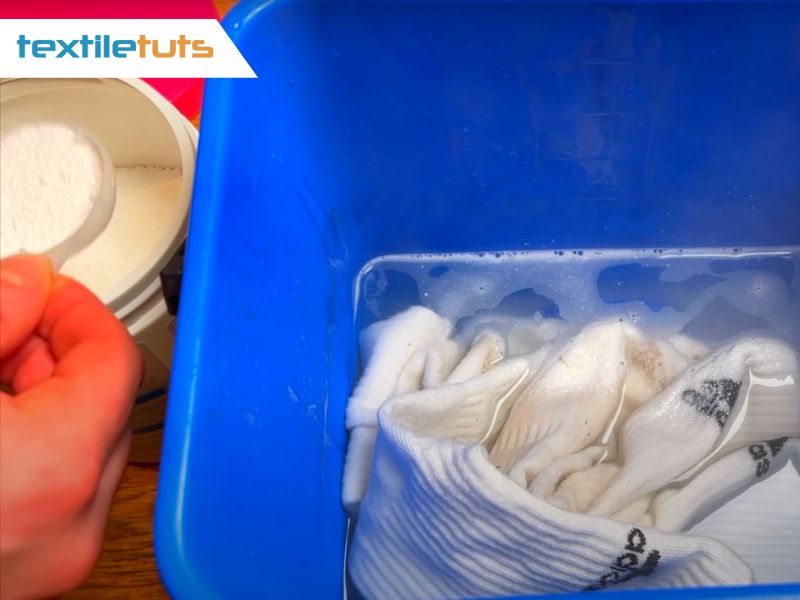
Vinegar Soak
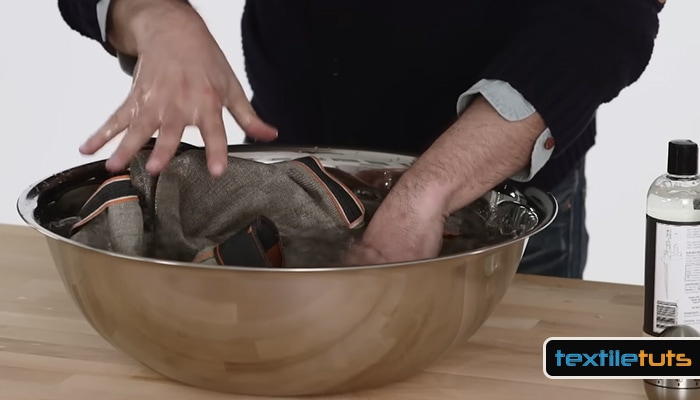
Mix equal parts white vinegar and water in a container.
Submerge the stained socks in the vinegar solution and soak for 30 minutes to 1 hour.
After soaking, gently scrub the stained areas with a soft brush or toothbrush.
Rinse the socks thoroughly with cold water and air-dry them.
Baking Soda Paste
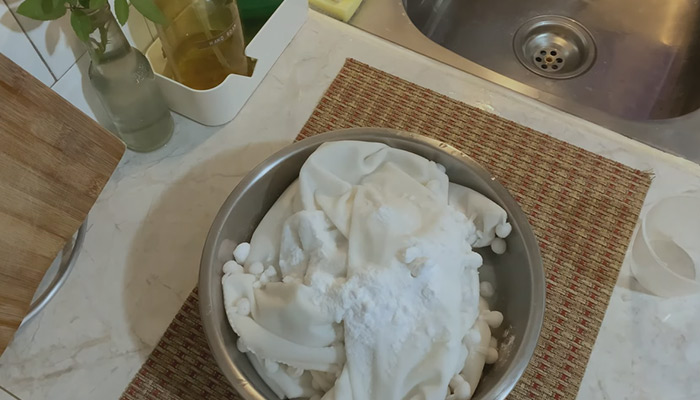
Create a paste by mixing 3 tablespoons of baking soda with enough water to form a thick consistency.
Apply the paste directly to the blue stains on the socks.
Allow the paste to sit on the stains for 15 to 30 minutes.
Scrub the stained areas with a brush, then rinse thoroughly with cold water.
Lemon Juice and Sunlight
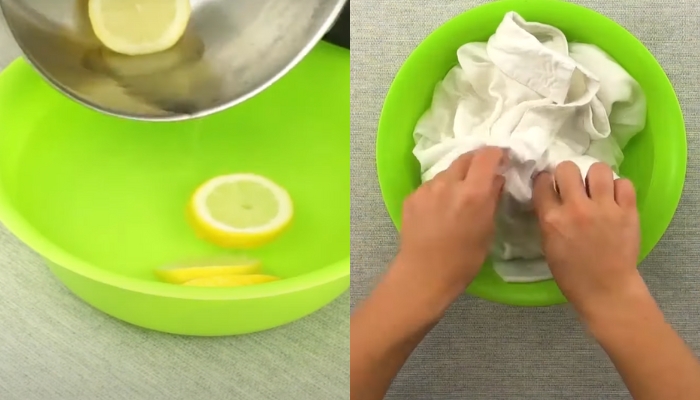
Squeeze the juice of 2 fresh lemons directly onto the blue stains.
Lay the socks flat in direct sunlight, ensuring lemon-juice-coated areas face upward.
Leave the socks in sunlight for 2–4 hours, checking progress every hour.
Rinse the socks with cold water and air-dry.
Salt and Lemon Juice
Mix 2 tablespoons of salt with the juice of 1 lemon to form a thick paste.
Apply the paste to the blue stains on the socks.
Let the paste sit for 30 minutes.
Rinse the socks with cold water and air-dry them.
Hydrogen Peroxide Solution
Dilute 3% hydrogen peroxide with an equal amount of cool water.
Soak the stained socks in the solution for 15 to 30 minutes.
Rinse the socks thoroughly with cold water and air-dry.
Aspirin Solution
Crush 5 uncoated aspirin tablets (325 mg each) and dissolve them in 500 ml of warm water.
Apply the aspirin solution to the blue stains on the socks.
Allow it to sit for 30 minutes.
Rinse the socks with cold water and air-dry.
Spot-test any remedy on a small, inconspicuous area of the socks before full application. Some stains require multiple treatments before achieving complete removal. If DIY methods fail to produce satisfactory results, consider professional dry cleaning, which uses specialized solvents not available for home use.
Preventive Measures for Keeping White Socks Bright
Prevention is far more effective than treatment when it comes to maintaining white sock brightness. Implementing these practices eliminates the conditions that cause discoloration in the first place.

Sort Laundry by Color
Always wash white socks in a separate load from all colored garments. The single most effective step you can take to prevent dye transfer is separating whites from colors. If you must wash mixed loads, use color-catching sheets (available at most grocery stores) that absorb loose dye particles during the wash cycle.
Wash Inside Out
Turning socks inside out before washing protects the outer fiber surface from direct friction contact with other garments and reduces the rate of dye particle adhesion. This is especially important when washing white socks with any other items, even other white garments.
Use Dye-Free Detergent
Choose dye-free, fragrance-free laundry detergents specifically formulated for white fabrics. These products omit optical brighteners and tinting dyes that can accumulate on fabric surfaces. Look for detergents labeled “free and clear” or “sensitive skin” formulas, which avoid added dyes entirely.
Avoid Chlorine Bleach
Never use chlorine bleach on white cotton socks. While bleach initially whitens fabric through oxidation, repeated use causes the fiber degradation that leads to yellowing and gray-blue discoloration. For whitening, use oxygen-based bleaches (sodium percarbonate) instead, which are gentler on cotton fibers.
Wash in Cold Water
Wash white socks in cold water (86–104°F / 30–40°C) only. Hot water accelerates dye bleeding from colored items and increases the rate of fiber swelling in cotton, making it more receptive to dye absorption. Cold water minimizes both problems while using less energy.
Minimize Fabric Softener
Eliminate or drastically reduce fabric softener use when washing white socks. The cationic surfactant compounds in fabric softeners deposit a waxy coating on fibers that creates a grayish cast on white fabric. If you prefer softer feel, add ½ cup of white vinegar to the rinse cycle as a natural alternative.
Pre-Treat Sweat Stains
Apply a small amount of undiluted laundry detergent directly to sock areas that contact heavy foot sweat (the heel and toe box) before each wash. Pre-treating prevents uric acid and salt compounds from building up in cotton fibers, where they cause discoloration over time.
Choose Quality Socks
Invest in high-quality white socks made from combed cotton with high stitch density (typically 200 needles or higher for finer socks). Quality socks undergo better dye fixation processes and contain more durable fluorescent whitening agents that withstand repeated washing without degrading into color-altering byproducts.
Rotate Your Socks
Never wear the same pair of white socks on consecutive days. Rotating between at least 3–4 pairs allows each pair to fully dry between wears, reducing bacterial growth and sweat accumulation that contribute to fiber discoloration.
Dry in the Shade
Air-dry white socks away from direct sunlight. UV radiation degrades both cotton cellulose and fluorescent whitening agents, leading to photoyellowing and the grayish cast that makes socks appear to have a blue tinge. Indoor drying on a rack or line in indirect light preserves sock brightness.
Manage Foot Moisture
Use foot powders or moisture-wicking foot liners to reduce foot sweat contact with sock fibers. For athletes or individuals with hyperhidrosis (excessive sweating, affecting approximately 3% of the population), moisture-wicking athletic socks made from merino wool or synthetic blend fibers provide better moisture management than pure cotton.
Store Properly
Store clean, fully dry white socks in a well-ventilated area away from colored clothing. Damp conditions promote mildew growth and fiber degradation, while contact with colored garments in storage creates opportunity for dye transfer even when the clothing appears dry.
Inspect Footwear
Check shoe linings for color transfer before wearing with white socks. Any visible dye bleeding or rub-off from a shoe’s interior lining indicates the need for cleaning or replacement before further use with white socks.
Comparison of Common Causes of White Sock Discoloration
| Cause | Mechanism | Primary Prevention |
|---|---|---|
| Dye Transfer | Loose dye particles from colored clothing adhere to cotton fibers during washing | Wash whites separately from colors; use color-catching sheets |
| Sweat Discoloration | Uric acid and salt compounds from foot sweat accumulate in cotton fibers, altering light refraction | Rotate socks daily; pre-treat high-sweat areas; use moisture-wicking socks |
| Hard Water Residue | Calcium and magnesium ions form insoluble soap scum deposits on fabric surfaces | Use a water softener; add washing soda to the wash; use chelating detergent |
| Optical Brightener Buildup | Fluorescent whitening agents in detergent accumulate and create a visible blue film | Use dye-free, brightener-free detergent; rinse thoroughly |
| Bleach Degradation | Chlorine bleach oxidizes cotton cellulose and fluorescent whitening agents, causing fiber yellowing | Avoid chlorine bleach; use oxygen-based alternatives |
| Photodegradation | UV radiation breaks down fiber structure and optical brighteners, causing yellowing | Air-dry in shade; avoid prolonged sunlight exposure |
Water Hardness Quick Reference
| Water Classification | Mineral Content (mg/L CaCO₃) | Signs in Laundry | Recommended Action |
|---|---|---|---|
| Soft | 0–60 | Minimal residue; fabrics rinse clean | Standard laundering sufficient |
| Moderately Hard | 61–120 | Slight soap scum may form | Add water softener or washing soda |
| Hard | 121–180 | Noticeable soap scum; fabrics feel stiff | Use chelating detergent; install water softener |
| Very Hard | >180 | Significant soap scum; gray-blue discoloration on whites | Water softener required; use liquid detergent |
How White Sock Discoloration Differs from White Shirt Yellowing
White socks turning blue and white shirts turning yellow are two distinct phenomena with different underlying causes. White shirt yellowing primarily results from oxidation of fabric finishes and fiber components exposed to light and air over time. The benzoyl peroxide in many deodorants and body products is a particularly common cause of yellowing on shirt underarm areas.
White sock blue discoloration, by contrast, predominantly stems from external dye transfer during laundering or from sweat-and-bacteria interactions within the fiber matrix. While both involve chemical changes to textile materials, the reaction pathways and contributing factors are specific to each garment type’s exposure patterns and construction materials.
How Bleach Spots Cause White Socks to Turn Blue
Bleach spots create blue discoloration on white socks through a chemical reaction called reduction. When chlorine bleach contacts certain dye molecules that have been applied to a fabric or that exist as residue from previous laundering, it reduces those dye chromophores to colorless compounds. However, the byproducts of this reduction reaction can re-oxidize in the presence of air to form new colored compounds that appear blue.
Additionally, localized bleach exposure on white fabric creates differential fiber degradation—affected areas lose fluorescent whitening agents faster than surrounding fabric, creating a visible contrast that manifests as a blue-gray spot. This is why you should never wash white socks with garments that have been treated with bleach, even if the bleach has fully dried.
Final Words
Blue staining of white socks is a common problem with multiple causes. While it may be frustrating, understanding the underlying mechanisms allows you to select the correct prevention strategy for your specific situation.
The most common causes are washing with dark-colored clothing, using detergent or fabric softener containing tinting dyes, wearing shoes with dye-bleeding linings, and allowing foot sweat to accumulate in cotton fibers over repeated wears. Each cause has a targeted solution.
Preventive measures such as washing white socks separately, using dye-free detergent, rotating pairs daily, and air-drying in shade preserve sock brightness far more effectively than attempting to restore already-discolored socks. By implementing these practices, you can keep your white socks looking bright for significantly longer periods.
References
- Laundry Detergent. (2024). Wikipedia. https://en.wikipedia.org/wiki/Laundry_detergent
- Colour Fastness. (2024). Wikipedia. https://en.wikipedia.org/wiki/Color_fastness
- AATCC. (2024). American Association of Textile Chemists and Colorists. https://www.aatcc.org/
- Water Hardness. (2024). American Water Works Association. https://www.awwa.org/
- Cotton Dyeing and Finishing. (2024). CottonWorks. https://www.cottonworks.com/
- Sweat and Skin pH. (2024). PubMed/NCBI. https://www.ncbi.nlm.nih.gov/pmc/


