
CATEGORY HUB · 65 ARTICLES
Dimensional Stability
Dimensional stability of fabrics
Why fabrics shrink, stretch, or skew after washing. Test methods (ISO 5077, AATCC 135), test conditions, and the structural reasons behind dimensional change.
01
Essential reading
Start here. The most important articles that explain the category to a textile engineer in one sitting.
Dimensional Stability
Does Fleece Shrink? How to Wash Fleece Without Damaging It
Synthetic polyester fleece is highly resistant to traditional, water-based shrinkage. Because it is engineered from...
Read article →
Dimensional Stability
Does Corduroy Shrink? Protecting Your Corduroy Clothes
Synthetic polyester fleece is highly resistant to traditional, water-based shrinkage. Because it is engineered from...
Read article →
Dimensional Stability
Does Tencel (Lyocell) Shrink? Everything About Lyocell Care
Synthetic polyester fleece is highly resistant to traditional, water-based shrinkage. Because it is engineered from...
Read article →
Dimensional Stability
Does Capilene Polyester Shrink? Let’s Get to the Bottom of It!
Synthetic polyester fleece is highly resistant to traditional, water-based shrinkage. Because it is engineered from...
Read article →
02
More from this category
More specific processes, techniques, and topic deep-dives.
Dimensional Stability
Does Acrylic Shrink? How to Safely Wash Acrylic Fabric
Synthetic polyester fleece is highly resistant to traditional, water-based shrinkage. Because it is engineered from...
Read article →
Dimensional Stability
Does Modal Shrink? The Truth About Modal Fabric Care
Synthetic polyester fleece is highly resistant to traditional, water-based shrinkage. Because it is engineered from...
Read article →
Dimensional Stability
Does Viscose Shrink? And How to Stop It
Synthetic polyester fleece is highly resistant to traditional, water-based shrinkage. Because it is engineered from...
Read article →
Dimensional Stability
Does Rayon Shrink? What Every Rayon Owner Must Know
Synthetic polyester fleece is highly resistant to traditional, water-based shrinkage. Because it is engineered from...
Read article →
Dimensional Stability
Does Bamboo Fabric Shrink? Bamboo vs. Heat
Synthetic polyester fleece is highly resistant to traditional, water-based shrinkage. Because it is engineered from...
Read article →
Dimensional Stability
Does Cashmere Shrink? The Delicate Truth About Cashmere Care
Synthetic polyester fleece is highly resistant to traditional, water-based shrinkage. Because it is engineered from...
Read article →
Dimensional Stability
Does Polyester Shrink? How Much and Under What Conditions
Synthetic polyester fleece is highly resistant to traditional, water-based shrinkage. Because it is engineered from...
Read article →
Dimensional Stability
Does Jersey Knit Shrink? T-Shirt Fabric Care Explained
Synthetic polyester fleece is highly resistant to traditional, water-based shrinkage. Because it is engineered from...
Read article →
Dimensional Stability
Does Linen Shrink in the Dryer? Complete Linen Care
Linen shrinks 3–5% in the first warm wash and shrinks further in a hot dryer...
Read article →
Dimensional Stability
Why Do My Knickers Roll? – Resolve The Rolling Woes
Common Causes of Knicker Rolling Down Your undergarments roll due to improper fit, fabric type,...
Read article →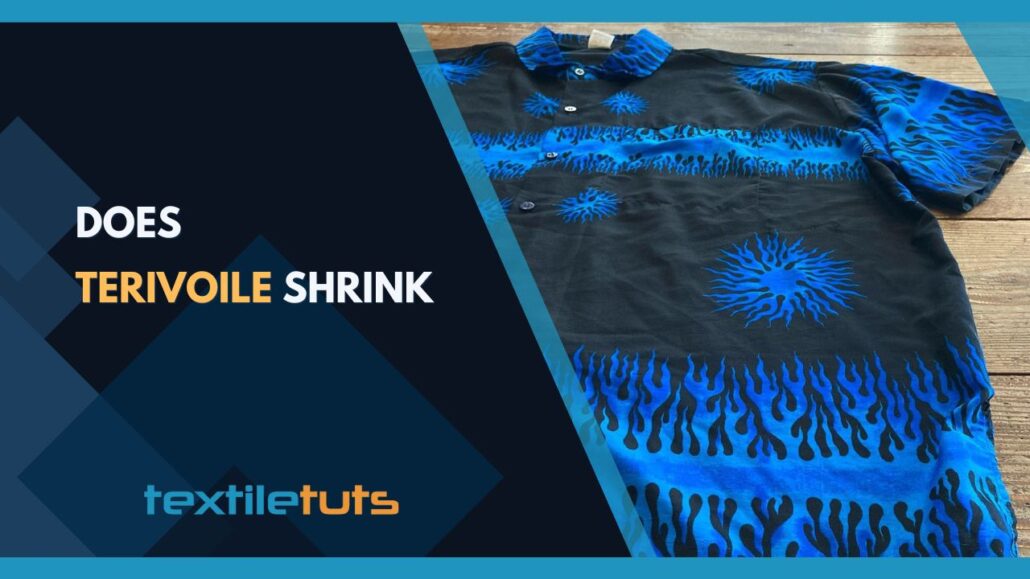
Dimensional Stability
Does Terivoile Shrink? Protecting Your Terivoile Garments
Terivoile does not shrink under normal laundering conditions. This polyester-based fabric resists dimensional change when...
Read article →
Dimensional Stability
Does Canvas Shrink When Washed? – Insider Secrets
Yes, canvas shrinks when washed. Untreated cotton canvas typically shrinks 3%–5% in both width and...
Read article →
Dimensional Stability
Does Gymshark Shrink? Gymshark Sizing Debunked
Yes — Gymshark clothing shrinks when exposed to temperatures above 40°C (104°F) during washing or...
Read article →
Dimensional Stability
Does Gildan Softstyle Shrink? Shrinkage Secrets Unveiled!
Yes, Gildan Softstyle t-shirts shrink when washed. Made from 100% ring-spun cotton, these garments typically...
Read article →
04
Frequently asked questions
How much does cotton shrink?
Untreated cotton shrinks 5-10% on first wash. Pre-shrunk or sanforized cotton shrinks < 3%. Knit cotton shrinks more than woven (8-12% vs 3-5%).
What is relaxation shrinkage?
The initial dimensional change when fabric or yarn is first wetted and dried without agitation. Caused by fiber relaxation. Most of relaxation shrinkage happens in the first wash.
What is progressive shrinkage?
Additional shrinkage that occurs with each subsequent wash cycle. Less than relaxation shrinkage per cycle but cumulative. Stabilized by pre-shrinking (sanforizing) or resin finishing.
What is spirality?
Skew in fabric after washing. Caused by unbalanced yarn twist and fabric construction. Per ISO 16322, measured as percentage shift. Acceptable: < 5% for most apparel. Higher for some knits.
How is dimensional stability tested?
Per ISO 5077 (washing procedure) with ISO 6330 (wash conditions) or AATCC TM 135 (home laundering). Measure fabric dimensions before and after specified wash cycles. Result: percent shrinkage or growth.
Can't find what you're looking for?
The team replies to every email. Send us your question or a sample spec and we'll route it to the right specialist.