
Does Underwear Shrink Over Time? Say Bye-Bye to Baggy Briefs

Yes—underwear shrinks over time. This occurs due to the natural wear that happens with frequent use: the fabric fibers relax and compress with each wash cycle, causing the garment to become smaller. Washing and drying practices are the primary contributors to shrinkage, with hot water temperatures between 40–60°C (104–140°F) accelerating fiber relaxation significantly.
Understanding why underwear shrinks helps consumers make informed care decisions. To maintain the fit and longevity of undergarments, it helps to explore the factors contributing to shrinkage and the techniques that prevent or minimize it.
Factors That Cause Underwear to Shrink
Several factors cause underwear to shrink, and most relate directly to washing and drying practices. The key causes of underwear shrinkage include:
Hot Water Washing
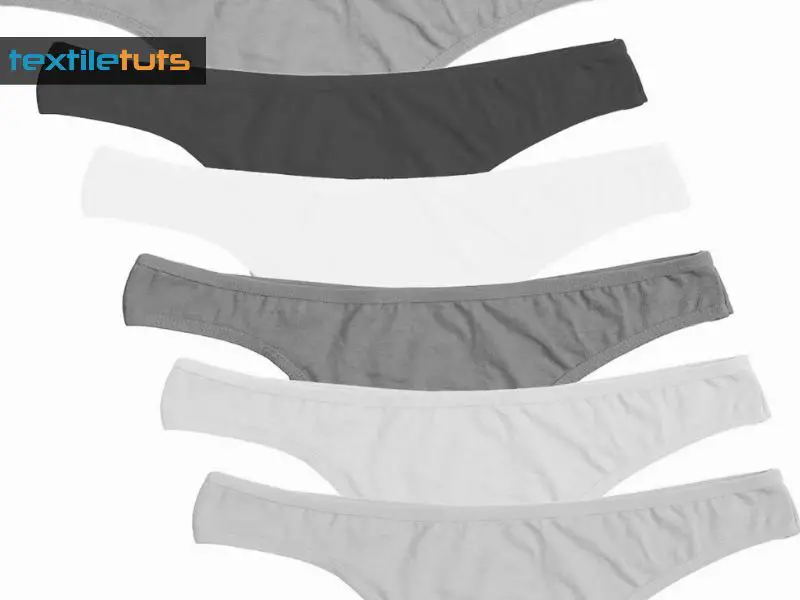
Hot water washing causes the fibers in underwear to compress and shrink. This is particularly significant for underwear made from natural materials like cotton. Water temperatures of 40–60°C (104–140°F) break down the hydrogen bonds in cellulosic fibers, causing them to contract. According to AATCC Test Method 135, dimensional change in fabrics is measured after multiple wash cycles at specified temperatures—the test standard specifies wash temperatures ranging from 30°C (86°F) for mild cycles to 60°C (140°F) for heavy-duty cycles.
Intense Drying
High-heat dryer settings produce the same effect as hot water washing. The heat causes the fibers to break down and reduce in size. ISO 6330 specifies tumble drying conditions including temperatures of 60°C (140°F) and 70°C (158°F). Cotton fabrics can shrink between 3–7% when dried at high heat for extended periods. Synthetic blends like nylon-spandex are more dimensionally stable due to their thermoplastic nature but may still experience up to 2–3% shrinkage at temperatures above 50°C (122°F).
Over Washing
Frequent washing gradually weakens the material and leads to shrinkage. The constant friction, chemical activity from detergents, and temperature fluctuations during each wash cycle cause cumulative fiber damage. After 20–30 wash cycles, untreated cotton can lose up to 5–8% of its original dimensions. The mechanical agitation in both top-loading and front-loading machines contributes to this progressive shrinkage, which is why AATCC Test Method 150 measures shrinkage after a full series of repeated home laundering cycles.
Poor Quality Material
Low-quality fabric materials shrink significantly after just a few washes. Inferior fabrics lack the tight weave and quality fibers needed to withstand repeated laundering. Fabrics that are not pre-shrunk or sanforized experience shrinkage of 5–10% on the first wash alone, compared to less than 3% for properly pre-treated garments meeting industry standards.
Incorrect Washing Techniques for Special Fabrics
Wool and silk require specific washing methods. Wool has a natural tendency to shrink due to its overlapping scales, which interlock under agitation—a phenomenon called felting shrinkage. Silk loses its structural integrity when exposed to high pH detergents or temperatures above 40°C (104°F). Hand washing in cool water with a pH-neutral detergent is recommended for both. CAN/CGSB 58 provides specific test protocols for wool garment dimensional stability.
Absence of Pre-Shrink Treatment
Underwear made from non-pre-shrunk or non-sanforized fabric shrinks during the first few washes. Pre-shrink treatment processes—either sanforization (mechanical pre-shrinking) or resin treatment—remove residual stresses from the fabric that would otherwise cause shrinkage. The textile industry standard for “pre-shrunk” classifies garments that maintain less than 3% dimensional change after five wash cycles per AATCC 135. Garments without this treatment are classified as “rigid” or “loomstate” and can shrink 5–15% on initial laundering.
How to Reverse Underwear Shrinkage
Once underwear has shrunk, reversing the shrinkage completely is difficult—especially if the fibers have undergone significant structural change. However, several methods can help regain some of the lost size:
Cold Water Bath with Conditioner
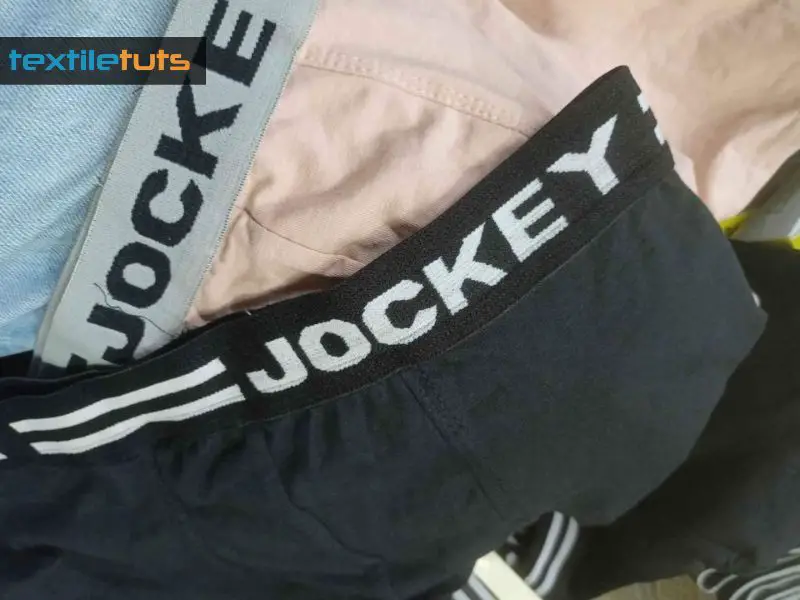
Fill a basin or tub with cold water (below 30°C/86°F) and add approximately 1 tablespoon (15 mL) of a gentle conditioner, baby shampoo, or hair conditioner per garment. The conditioner penetrates the clothing fibers, softening them and allowing them to stretch back toward their original shape.
Immerse the shrunken underwear in the solution and let it soak for 30 minutes. The cool water keeps fibers relaxed without causing further contraction, while the conditioner reduces friction between fibers, making them more pliable for reshaping.
Gentle Stretching
After soaking, drain the basin and gently squeeze excess water from the underwear—do not twist. Lay the damp garment flat on a large towel or bedsheet and gently stretch it back toward its original dimensions. Stretch slowly and evenly to avoid distorting the fabric’s shape. Roll the underwear in the towel to blot additional moisture, then lay flat to dry.
Towel Rolling Method
After soaking in the water-conditioner solution, roll the garment in a dry towel to absorb moisture. Then unroll and carefully stretch the underwear to its original size. Pin the corners to a corkboard or place weights on each corner to hold it stretched as it air dries. This method works best for cotton and cotton-blend fabrics.
Hot Water Dunk
Fill a basin or tub with hot water at 40–45°C (104–113°F)—not boiling. Soak the shrunken piece for 5–10 minutes. The heat encourages the fibers to relax and expand. Gently squeeze out excess water and lay flat to dry as previously described. This method is not suitable for silk, wool, or synthetic fabrics like spandex, which are heat-sensitive.
Steam Ironing
Place damp, stretched underwear on an ironing board and steam iron on a low setting (synthetic setting at approximately 110°C/230°F). The combination of heat and moisture helps relax fibers further, allowing additional stretching. Never apply this method to synthetic materials such as nylon or spandex, which can melt or deform at temperatures above 120°C (248°F).
Vinegar Soak
Soak underwear in a solution of 1 tablespoon (15 mL) of white distilled vinegar per 1 liter (34 fl oz) of cool water for 30 minutes. The mild acidity of vinegar (typically 5–8% acetic acid) helps relax fabric fibers. After soaking, gently stretch the underwear to its original size while still damp and allow it to air dry. This method is particularly effective for cotton and cotton-blend fabrics.
How to Prevent Underwear Shrinkage
Preventing shrinkage maintains comfort and original fit. Human-made or synthetic fabrics shrink less than natural cotton but are less comfortable against the skin. For cotton underwear, shrinkage occurs primarily during washing and drying due to heat. The following steps prevent shrinkage effectively:
Wash in Cold Water
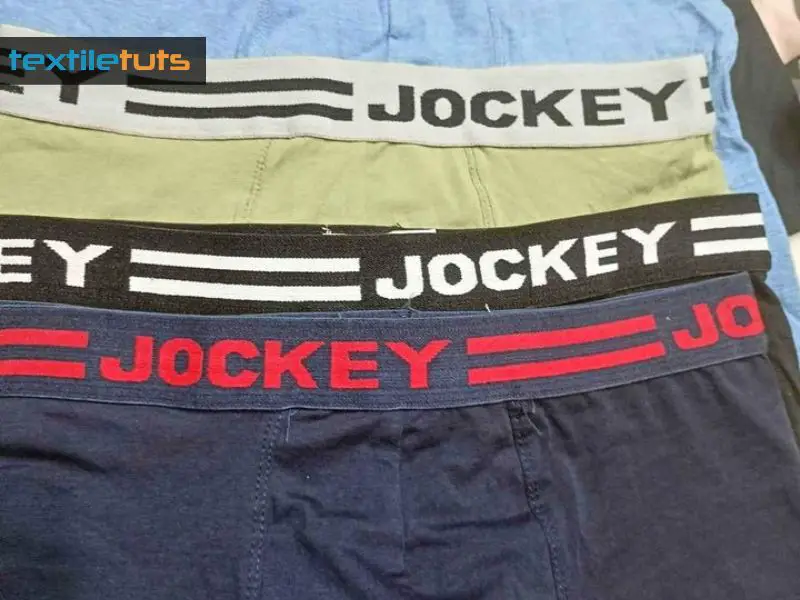
Washing underwear in cold water at 30°C (86°F) or below prevents shrinkage. Heat causes the hydrogen bonds in cotton fibers to break and re-form in a contracted state—a process called fiber relaxation shrinkage. Cold water minimizes this effect. The AATCC Test Method 135 measures dimensional change using a 30°C (86°F) gentle wash cycle as the baseline for comparison against higher temperature cycles.
Use the Gentle Cycle
The gentle or delicate cycle on a washing machine uses slower agitation and reduced spin speeds, minimizing mechanical stress on fabric fibers. This is particularly important for cotton knits and fabrics with elastic components. The reduced mechanical action prevents the fiber slippage that contributes to progressive shrinkage over repeated wash cycles.
Avoid Harsh Detergents
Harsh detergents with high pH (above 9) damage cotton fibers, making them more prone to shrinkage. Use gentle or mild detergents with a pH of 7–8 that are specifically formulated for delicate fabrics. Enzymatic detergents (with protease or amylase enzymes) are effective at lower temperatures but should be used at concentrations recommended by the manufacturer to avoid fiber damage.
Hang Dry
Air drying eliminates the heat exposure that causes shrinkage in the dryer. Hang underwear on a drying rack or clothesline away from direct sunlight, which can also degrade certain fabric dyes and weaken fibers over time. If a dryer must be used, select the lowest heat setting (approximately 40–50°C / 104–122°F) and remove items while still slightly damp.
Lay Flat to Dry
Laying delicate underwear flat to dry is the best option for maintaining shape and size. This method prevents the weight of water from stretching the fabric, which can occur when garments hang. Place items on a clean, dry towel and flip them periodically for even drying.
Buy Pre-Shrunk Cotton
Purchasing pre-shrunk cotton underwear ensures the size remains consistent after washing. Pre-shrunk fabrics have undergone sanforization or resin treatment to limit shrinkage to less than 3% per AATCC 135 standards. Check the garment label for “pre-shrunk” or “sanforized” to confirm this treatment has been applied.
Do Not Over Dry
Over drying in a hot dryer causes excessive shrinkage. Remove underwear from the dryer when they are still slightly damp (approximately 20–30% moisture remaining) and allow them to finish air drying. Over-drying also degrades elastic fibers in waistbands and leg openings, causing them to lose stretch recovery.
Use Fabric Softeners
Fabric softeners reduce inter-fiber friction during the wash and dry cycles, which helps prevent fiber damage and progressive shrinkage. Liquid fabric softeners coat fiber surfaces, making them more slippery and reducing mechanical entanglement. Add 1/4 cup (60 mL) of liquid softener to the final rinse cycle, or use dryer sheets at the lowest heat setting.
Use Steam
Steam helps fibers return to their original relaxed state if shrinkage has begun. Use an iron with a steam setting or a garment steamer at the appropriate temperature for the fabric type. For cotton, use the steam function at medium-to-high heat (150–180°C / 302–356°F). For synthetics, use low heat (approximately 110°C / 230°F) without steam.
Why Underwear Size Matters
Underwear size matters for several reasons related to comfort, health, and functionality. Finding the right fit is important for daily well-being. Here are the primary reasons why underwear size matters:
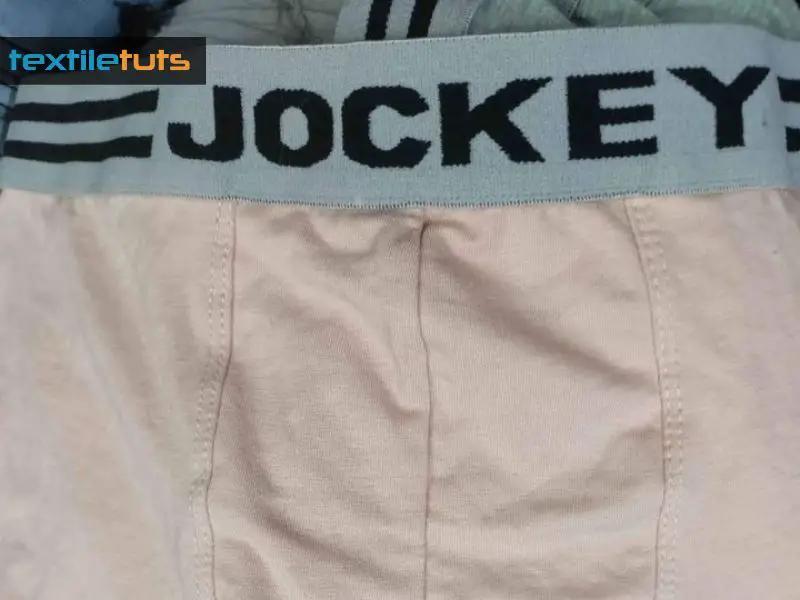
Comfort
Wearing the correct size underwear ensures comfort throughout the day. Underwear that is too tight causes discomfort, skin irritation, and may lead to chafing or contact dermatitis. Underwear that is too loose does not provide adequate support, resulting in constant readjustment and potential fabric bunching that creates additional friction against the skin.
Support
The correct size provides the intended level of support. Women require properly fitted undergarments—including correctly sized bras—to prevent issues such as back pain and tissue damage. Studies by the British Chiropractic Association have shown that 70% of women wear the wrong bra size, leading to musculoskeletal complaints. Men’s underwear should provide proper support for the genitals without constriction.
Appearance
Well-fitted underwear enhances the overall appearance of outer clothing. Tight or ill-fitting underwear creates visible lines, bulges, or wrinkles under fitted garments, affecting silhouette and comfort. Conversely, properly fitted undergarments create a smooth base layer that allows outer clothing to drape correctly.
Health
Tight underwear can lead to health issues. Poor circulation from constrictive waistbands increases the risk of skin irritation and yeast infections. Elevated scrotal temperature from tight synthetic underwear has been associated with decreased sperm quality in men according to research published in the journal Human Reproduction. Skin irritation and contact dermatitis from synthetic dyes or elastic compounds are also common with ill-fitting undergarments.
Prevention of Skin Issues
Correctly sized underwear helps prevent skin problems including chafing, rashes, and irritation. Skin-to-skin contact in areas like the groin creates friction that leads to discomfort and skin breakdown. Proper-fitting underwear acts as a protective barrier that reduces this friction, particularly in hot and humid conditions.
Confidence
Well-fitted underwear boosts confidence. Feeling comfortable in one’s clothing positively influences posture and overall demeanor. The psychological effect of wearing properly sized, comfortable undergarments contributes to overall self-assurance throughout the day.
Functionality
Correct sizing ensures underwear functions as designed. Athletic or performance underwear is engineered to provide specific support levels and moisture-wicking properties—wearing the right size is essential for these features to work effectively. For example, compression athletic shorts sized correctly provide muscle support and reduce fatigue during exercise.
Best Types of Fabric for Underwear
Fabric choice for underwear depends on personal preference, comfort needs, and intended use. Each fabric type offers distinct advantages:
Cotton
PROS:
CONS:
Microfiber
PROS:
CONS:
Modal
PROS:
CONS:
Bamboo
PROS:
CONS:
Nylon/Spandex Blend
PROS:
CONS:
Merino Wool
PROS:
CONS:
Tips for Extending Underwear Lifespan
To minimize shrinkage and extend the lifespan of your underwear, wash in cold water at 30°C (86°F) or below and air dry whenever possible. Avoid high heat settings and consider line drying. Purchasing pre-shrunk quality fabric and following proper care labels significantly extends the functional life of undergarments.
Final Words
Underwear shrinks over time due to wear and tear, but proper care measures can significantly prolong its fit and lifespan. Using correct washing and drying techniques—such as cold water washing, gentle cycles, and air drying—along with investing in high-quality pre-shrunk materials, ensures that undergarments remain comfortable and functional for longer periods.
Following these guidelines prevents excessive shrinkage and helps consumers get the most value from their undergarments.
References
- American Association of Textile Chemists and Colorists. (2015). AATCC Test Method 135: Dimensional Changes of Fabrics After Home Laundering. AATCC.
- American Association of Textile Chemists and Colorists. (2015). AATCC Test Method 150: Dimensional Changes of Garments After Home Laundering. AATCC.
- International Organization for Standardization. (2012). ISO 6330: Textiles — Domestic Washing and Drying Procedures for Textile Testing. ISO.
- Mjung, J. (2023). Shrinkage (Fabric). Wikipedia.
- Ricc, M. & G Hadzovic. (2024). Modal (Textile). Wikipedia.
- Sato, K. et al. (2004). Effect of tight-fitting underwear on scrotal temperature. Human Reproduction, 20(2), 452–457.


