
Does Silk Shrink On Burning?

Yes, burning silk causes it to shrink. When exposed to a flame, silk burns slowly but does not melt—it shrinks away from the flame. Silk begins to degrade structurally at temperatures above 300°C (572°F), with significant fiber contraction occurring between 110°C and 170°C (230°F to 338°F) as the protein beta-sheet structure undergoes phase transition.
Silk has been a highly valued and sought-after fabric for centuries, known for its luxurious feel and delicate appearance. However, questions and controversies have surrounded this delicate fabric, particularly regarding its reaction to fire. Many people, especially those working with silk or owning silk garments, have wondered whether silk shrinks on burning or if this is a myth.
Silk Shrinkage Temperature Reference
| Temperature Range | Effect on Silk |
|---|---|
| Below 110°C (230°F) | No shrinkage; safe for ironing and steam |
| 110°C – 170°C (230°F – 338°F) | Beta-sheet phase transition begins; fiber contraction starts |
| Above 170°C (338°F) | Significant shrinkage; fiber degradation accelerates |
| 300°C+ (572°F+) | Structural degradation becomes irreversible; fiber decomposition begins |
| 330°C (626°F) | Silk ignition point; rapid burning and charring |
Burning Causes Silk to Shrink
Silk shrinks when exposed to heat, particularly when exposed to hot water or steam. The natural protein-based fibers of silk—composed primarily of fibroin with amino acids glycine (about 43%) and alanine (about 30%)—contract when subjected to temperatures above 110°C (230°F). This is due to the beta-sheet crystalline structure within the fibroin proteins breaking down and reorganizing under thermal stress.
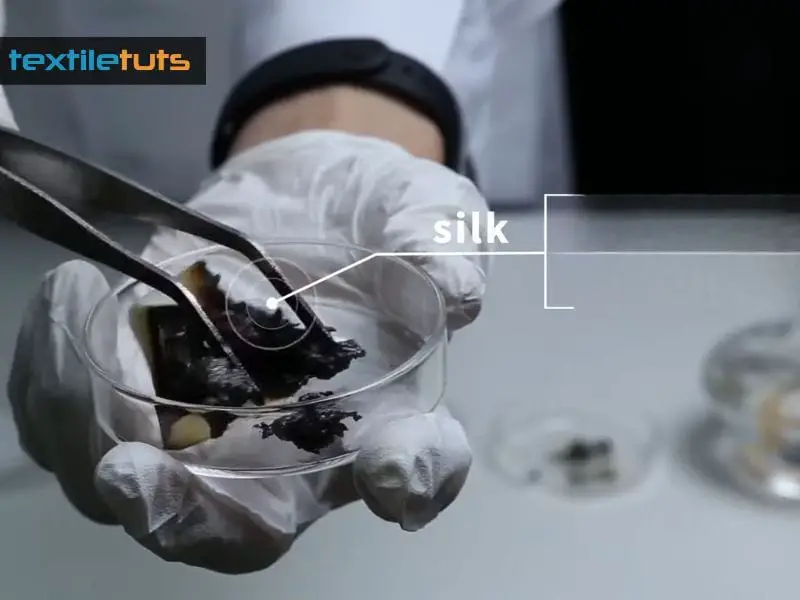
But what about burning? This form of heat exposure does not just cause shrinking—it leads to the ultimate demise of your beloved silk. Direct flame causes silk to scorch, char, or turn into delicate ash. Silk ignites at approximately 330°C (626°F) and burns with a characteristic smell of burning hair due to its protein composition.
However, the thought of “burning” in a controlled fashion might bring to mind heat setting or a carefully managed ironing process. In these cases, the risks of shrinking your silk are minimized if performed correctly at the appropriate temperature settings. A low heat setting (below 150°C / 302°F) and a protective cloth between the iron and the silk help you avoid a fashion catastrophe.
Factors That Affect Silk Shrinkage on Burning
When silk encounters heat, as in the case of burning, an intriguing transformation occurs—it shrinks. The following factors influence this delicate dance of fabric and flame.
Fabric Composition and Quality
Silk can be pure or blended with other fibers, significantly affecting how it shrinks when burnt. Pure silk exhibits a consistent reaction without any other materials woven into it. However, if silk is blended with wool, synthetic fibers, or cotton, the behavior when exposed to flame differs radically.
The quality of the silk—whether raw or treated with finishes and dyes—also affects shrinkage. Higher-quality mulberry silk (Bombyx mori) possesses a tensile strength of 4.3–5.2 g/den and is generally more resilient, while lower-quality options might shrink more readily.
Moisture Content
Silk’s moisture content plays a vital role in its reaction to burning. Silk has a moisture regain of 11% under standard conditions. High humidity absorbed within the fabric can mitigate shrinkage since water releases steam when heated, which dampens the shrinkage effect. Conversely, bone-dry silk—common in storage or arid environments—may shrink more drastically upon burning, as no moisture can buffer the intense heat.
Heat Intensity and Duration
The intensity of the flame and the duration of exposure are crucial factors. A small flame that briefly licks at the silk may cause negligible shrinkage. But expose that same silk to an intense fire or prolonged heat, and you will witness dramatic size reduction. Silk fibers begin contracting at 110°C (230°F), with beta-sheet phase transition occurring between 110°C and 170°C (230°F to 338°F).
The structural degradation becomes irreversible above 300°C (572°F), leading to complete fiber decomposition. Unwashed silk chiffon may shrink up to 8% due to relaxation of the fiber macrostructure, while dry-cleaned silk can still shrink by 4%.
Tension During Exposure
Closely related to shrinkage is how the silk is held when it burns. If the silk fabric is taut during burning, it has less room to contract, and shrinkage may be less noticeable. If the fabric is loose and free to move, it can shrink significantly upon exposure to heat.
Chemical Treatments and Finishes
Various treatments applied to silk influence its shrinkage. Some silks are treated to be flame-retardant, which limits shrinkage by preventing the fabric from burning easily. Other chemical finishes may affect the fiber’s beta-sheet structure, making it more susceptible to shrinking when burned.
Silk Shrinkage Statistics
- Unwashed silk chiffon may shrink up to 8% due to relaxation of the fiber macrostructure
- Dry-cleaned silk can still shrink by 4%
- Silk loses up to 20% of its strength when wet, making it more vulnerable to mechanical damage
- Mulberry silk (Bombyx mori) tensile strength: 4.3–5.2 g/den
- Silk moisture regain under standard conditions: 11%
Unique Physical Properties of Silk Fabric
Silk, often hailed as the queen of textiles, boasts many unique physical properties that set it apart from other fabrics. Derived from the silkworm’s laborious spinning, this luxurious material has captivated hearts for centuries. Here is a closer look at the exceptional physical characteristics that make silk a standout in the world of textiles.
Softness and Smoothness
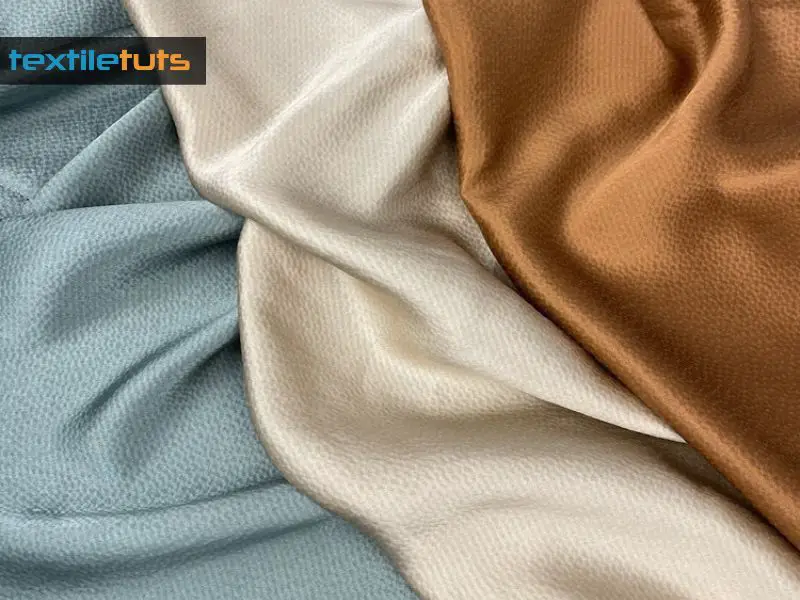
Silk’s hallmark lies in its unparalleled softness and smooth texture. When touched, it feels like a gentle caress against the skin, creating an indulgent experience that few fabrics can replicate.
Natural Sheen
One of silk’s most enchanting features is its natural sheen. The fibers’ triangular prism-like structure refracts light, giving silk a lustrous glow that adds a touch of sophistication to any garment.
Breathability
Silk is a breathable fabric, allowing air to circulate through its fibers. This natural breathability makes it an ideal choice for clothing, promoting comfort by keeping the body cool in warm temperatures and warm in cooler climates.
Moisture Absorption
Despite its delicate appearance, silk has excellent moisture-wicking properties. It can absorb up to 30% of its weight in moisture without feeling damp, making it comfortable to wear in various conditions.
Temperature Regulation
Silk’s thermoregulatory properties contribute to its versatility. It helps keep the body temperature balanced, adapting to the surrounding environment to provide comfort in both summer and winter.
Durability
Despite its delicate feel, silk is surprisingly durable. The long, continuous fibers contribute to its strength—silk achieves 740 MPa of mechanical strength. Well-cared-for silk garments can withstand the test of time.
Hypoallergenic Nature
Silk is naturally hypoallergenic, making it an excellent choice for those with sensitive skin. Its smooth surface reduces friction, minimizing the likelihood of skin irritation or allergies.
Biodegradability
In an era where sustainability is paramount, silk stands out for its biodegradability. Being a natural fiber, silk decomposes over time, leaving a minimal environmental footprint compared to synthetic counterparts.
Distinctive Burning Characteristics
As discussed earlier, silk exhibits distinctive behavior when exposed to flame. It burns slowly, shrinks away from the heat, and leaves behind a characteristic odor of burning hair, providing a unique method for identifying genuine silk. The triangular cross-section of silk fibers also produces distinctive charring patterns under sustained heat.
Resistance to Dirt and Odor
Adding to its impressive qualities, silk showcases a remarkable resistance to dirt and odor. The smooth surface of silk fibers naturally repels dirt, preventing particles from embedding themselves within the fabric.
Furthermore, silk’s inherent resistance to odor is a notable advantage. Unlike some synthetic fabrics that tend to retain unpleasant smells, silk has the ability to resist the absorption of odors.
Silk Shrinkage After Washing
Silk is known for its delicate and luxurious nature, and proper care is essential to maintain its quality. Silk has the potential to shrink if exposed to certain conditions, including improper washing methods.
The extent of shrinkage varies based on factors such as the type of silk, weave, and any pre-treatment the fabric has undergone. Unwashed silk chiffon may shrink up to 8% due to relaxation of the fiber macrostructure. Dry cleaning may still cause shrinkage of up to 4% in silk chiffon. Silk loses up to 20% of its strength when wet, making it more vulnerable to mechanical damage during washing.
Water Temperature
Silk fibers are sensitive to temperature. Exposure to hot water above 30°C (86°F) can cause the protein fibers to contract and lead to shrinkage. Using cold water below 20°C (68°F) is recommended to minimize this risk.
Agitation
Rough handling during washing, including vigorous scrubbing or wringing, agitates the delicate silk fibers and causes them to shrink. It is essential to handle silk garments gently to avoid this.
Detergent Choice
Harsh or alkaline detergents affect the structure of silk fibers and contribute to shrinkage. Using a mild, silk-friendly detergent with a pH below 7 helps preserve the integrity of the fabric.
Machine Drying
Silk is particularly vulnerable to heat. Using a machine dryer with high heat settings above 60°C (140°F) leads to significant shrinkage. Air drying is recommended to prevent exposure to excessive heat.
Incomplete Residue Removal
Incomplete removal of detergent or soap residues during rinsing affects the silk fibers and contributes to shrinkage. Thorough rinsing is crucial to prevent this issue.
Ways to Prevent Silk from Shrinking
Preventing silk from shrinking involves adopting careful washing and drying practices. The following methods minimize the risk of silk shrinkage effectively.
Hand Wash with Cold Water
Hand washing is generally the safest method for cleaning silk. Use cold water below 20°C (68°F) instead of hot water, as high temperatures cause silk fibers to contract.
Use a Gentle Detergent
Choose a mild, silk-friendly detergent that does not contain harsh chemicals or bleach. These agents damage silk fibers and contribute to shrinkage.
Avoid Aggressive Agitation
Handle silk garments with care during washing. Avoid vigorous scrubbing or wringing, as rough handling agitates the fibers and leads to shrinkage.
Pre-treat Stains
Address stains promptly with a gentle remover or hand-spot the affected area before washing. This prevents the need for aggressive washing and reduces the risk of shrinkage.
Test for Colorfastness
Before washing the entire garment, test for colorfastness in a small, inconspicuous area. This ensures that the colors will not bleed or fade during the washing process.
Air Dry
Air drying is the preferred method for drying silk. Lay the garment flat on a clean, absorbent towel and reshape it to its original dimensions. Avoid hanging silk items, as the weight of the water stretches the fabric.
Steam Instead of Ironing
If your silk garment wrinkles, use a steamer rather than ironing. Ironing subjects the fabric to direct heat, potentially causing shrinkage and yellowing. If you must iron, use the lowest heat setting (below 150°C / 302°F) and never iron dry—always spritz the fabric with water first.
Check Care Labels
Always follow the care instructions on the garment’s label. Different types of silk and blends may have specific care requirements, and adherence to these guidelines preserves the fabric’s integrity.
Pre-Shrink Fabric Before Sewing
If you are working with silk fabric for sewing, consider pre-washing the fabric before cutting and stitching. This removes any initial shrinkage and prevents surprises later on.
Silk Identification Test by Burning
Using the Same Shrinkage Test for Underwear
You can use the same method to test if your underwear is shrinking as you would with silk. Simply measure your underwear before and after washing and drying, and compare the measurements. Most underwear shrinks over time, so it is important to pay attention to washing and care instructions.
Comparing Silk and Jute Burning Behavior
Silk and jute showcase distinct behaviors when exposed to heat. While silk burns with a smell akin to burning hair and curls away due to its protein origin, jute fiber burning properties differ significantly. Being plant-based, jute produces the scent of burning paper and leaves behind a fine, grayish-white ash.
Final Words
Silk shrinks when exposed to high heat above 110°C (230°F) or open flame. This occurs because the natural protein fibers in silk—composed of fibroin with glycine (approximately 43%) and alanine (approximately 30%)—break down under extreme temperatures as the beta-sheet crystalline structure undergoes phase transition. With proper care and handling, silk maintains its shape and beauty for many years.
While it is essential to be mindful of heat and fire when wearing or caring for silk, there is no need to fear excessive shrinkage. By following simple care instructions—hand washing in cold water below 20°C (68°F), using mild detergents, air drying, and ironing at low temperatures below 150°C (302°F)—you can continue to enjoy the luxurious feel and look of silk without worry.
References
- Wikipedia. (2024). Silk. Wikimedia Foundation.


