
Does Velour Shrink? – The Ultimate Velour Enigma

Yes — velour will shrink when exposed to heat above 40°C (104°F), such as in a dryer or when washed in hot water. The degree of shrinkage depends on the fiber type: cotton-based velour shrinks 3–5% per wash cycle if not pre-shrunk, while polyester-based velour shrinks only 1–3% due to heat-setting during manufacturing.
Velour is a plush, knitted fabric made from either cotton or synthetic fibers like polyester and spandex. Despite its luxurious look and feel, this fabric is susceptible to shrinkage — especially when exposed to high temperatures or excessive agitation during washing and drying. Below, I break down exactly how much shrinkage you can expect, what causes it, and how to prevent it.
Velour Shrinkage at a Glance
| Velour Type | Shrinkage per Wash (Hot Water) | Pre-Shrunk Variant | Heat Sensitivity |
|---|---|---|---|
| Cotton-based velour | 3–5% | 1–3% | High — shrinks above 40°C (104°F) |
| Polyester-based velour | 1–3% | <1% | Moderate — heat-set at 180–220°C (356–428°F) |
| Spandex blend velour | 1–2% (cold water only) | N/A | Low — cold water below 30°C (86°F) required |
Velour Fabric Shrinkage Facts
Velour fabric will shrink if not properly cared for. Velour is a plush, knitted fabric or textile made from cotton or polyester. Despite its luxurious look and feel, velour is susceptible to shrinkage, particularly under temperatures above 40°C (104°F) during washing or drying.
Velour is a soft, fuzzy material that must be handled delicately when washed to maintain its integrity and size. To prevent velour from shrinking, the safest cleaning method is hand washing in cold water (30–40°C / 86–104°F) with a mild detergent, followed by air drying flat on a clean towel.
Placing velour in a tumble dryer will cause shrinkage because temperatures above 60°C (140°F) damage the fibers and cause them to contract. Even warm water at 40°C (104°F) during hand washing can shrink cotton-based velour.
Velour Shrinkage Rates
Velour is a plush, knit fabric typically made from cotton but can also be derived from synthetic materials like polyester and spandex. Shrinkage rates vary depending on fiber composition, fabric quality, and laundering method. Cotton-based velour shrinks 3–5% if it has not been pre-shrunk during manufacturing.
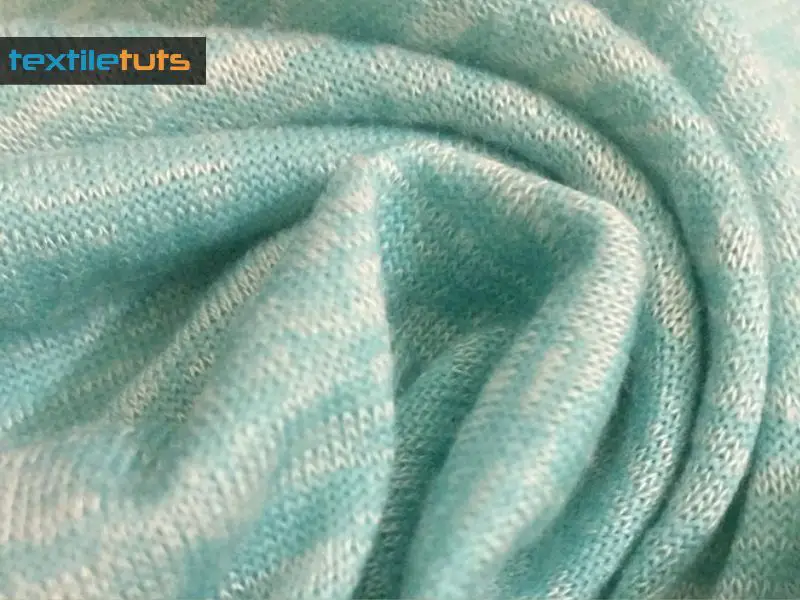
Polyester-based velour typically shrinks only 1–3% because polyester fibers are heat-set during manufacturing at temperatures of 180–220°C (356–428°F), making them dimensionally stable. Spandex blends add 5–15% stretch recovery but reduce shrinkage to 1–2% if washed in cold water below 30°C (86°F).
Shrinkage increases significantly when velour is washed in hot water above 40°C (104°F) or dried at high heat above 60°C (140°F). To prevent or minimize shrinkage, wash velour in cool water (30°C / 86°F maximum), use a mild pH-neutral detergent, and air dry flat. Dry cleaning is recommended by many manufacturers for velour garments to maintain size and plush texture.
Factors Affecting Velour Shrinkage
Shrinkage in velour occurs due to several key factors. Understanding these factors helps consumers and textile professionals prevent or manage shrinkage effectively.
Type of Fiber
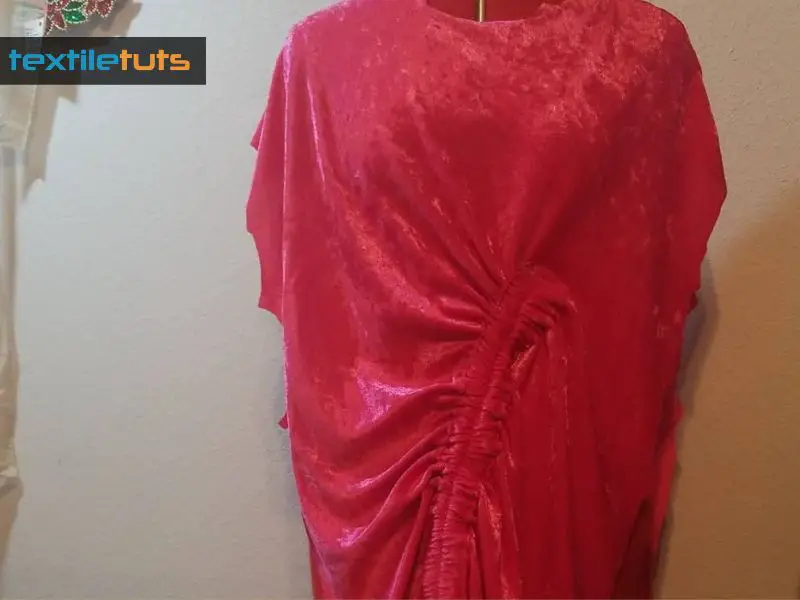
Different fibers exhibit different shrinkage behaviors. Polyester fibers shrink less than 1–3% because manufacturers heat-set them at 180–220°C (356–428°F) during production. Cotton fibers, by contrast, shrink 3–5% when washed in hot water due to the swelling and contraction of the cellulose fibers.
Fabric Construction
Fabric construction directly affects shrinkage. A tightly knitted velour with a stitch density above 15 courses per centimeter will shrink less than a loose knit with fewer than 10 courses per centimeter. The loop length of the pile also determines how much the fabric contracts when exposed to heat and moisture.
Laundry Methods
High temperatures during washing and drying cause velour fibers to tighten and contract. Wash velour in cold water at 30°C (86°F) maximum on a gentle cycle to prevent agitation-induced shrinkage. Over-drying in a tumble dryer at temperatures above 60°C (140°F) will cause significant shrinkage in cotton-based velour.
Tumble drying should be done on the lowest heat setting (below 40°C / 104°F) or using the air-dry feature. Remove velour items promptly to prevent heat buildup in the drum.
Drying Process
Heat-setting during manufacturing determines baseline shrinkage. If the fabric is heat-set or pre-shrunk at above 180°C (356°F) during production, it will shrink less than an untreated fabric. Chemical finishing treatments such as resin coating reduce shrinkage by 40–60% compared to unfinished cotton velour.
Environmental Conditions
Extended exposure to high humidity above 80% RH or temperatures above 35°C (95°F) can accelerate fiber relaxation and cause gradual shrinkage over time. Air quality also plays a role — pollutants and UV exposure degrade fibers, making them more susceptible to dimensional change.
How to Care for Velour Material
Proper maintenance preserves velour fabric’s aesthetic appeal and texture, whether used in clothing, upholstery, or other textile products. Velour requires specific care measures due to its unique knitted structure and pile surface.
Here is how to care for velour material appropriately:
Cleaning
Always check the care label before cleaning any velour product since different fiber compositions require specific instructions. Most velour items can be hand washed or machine washed on a gentle cycle using cold water at 30°C (86°F) maximum and a mild pH-neutral detergent (pH 7–8). Avoid bleach, which degrades the fibers and causes fading.
Drying
Velour should never be wrung out or twisted, as this stretches and damages the fabric. Instead, blot away excess water with a clean towel, then lay the item flat on a dry towel to air dry at room temperature (20–25°C / 68–77°F). Do not use a tumble dryer or direct sunlight, as heat above 60°C (140°F) causes shrinkage and UV exposure causes fading.
Ironing
Velour rarely requires ironing due to its knit structure. If necessary, use a low-heat iron setting of 110–120°C (230–248°F) — equivalent to the “silk/ synthetics” setting — and always iron on the reverse (wrong) side of the fabric. Place a pressing cloth between the iron and velour to protect the pile surface.
Storage
Velour should be stored flat or loosely folded to prevent creasing and stretching. Avoid plastic bags or airtight containers, which trap moisture and cause mildew. Store velour in a well-ventilated area at 40–60% relative humidity, protected from direct sunlight which degrades fibers over time.
Spot Cleaning
Spot clean minor stains using a soft white cloth dampened with cold water at 30°C (86°F) or below. For stubborn stains, use a diluted gentle soap solution, then rinse the area thoroughly with cold water to remove all residue. Always blot dry with a clean towel — never rub, as this damages and displaces the pile fibers.
General Care
Avoid exposure to harsh chemicals including perfume, hairspray, and solvents, which stain and degrade velour fibers. Keep velour items away from abrasive surfaces that cause pilling and snags. For pills, use a fabric shaver set to the lowest blade height to restore the smooth surface without damaging the pile.
How to Restore Shrunken Velour
Restoring shrunken velour requires a gentle process to relax the fabric fibers enough to return them to their original shape. This method works best for mild shrinkage of 3–5% in cotton-based velour. Severe shrinkage above 10% may not be fully reversible.
Materials Needed
Fill the Basin
Fill a basin or tub with cool water at 30°C (86°F) or below. Ensure enough water to fully submerge the shrunken velour item.
Add Softener or Shampoo
Add 15–30 mL (1–2 tablespoons) of mild fabric softener or baby shampoo to the water and stir gently until fully dissolved. These compounds relax the keratin or polyester fibers.
Soak the Velour Item
Place the shrunken velour item in the basin and let it soak for 30 minutes. The fabric softener or baby shampoo will relax the velour pile fibers, allowing them to be gently reshaped.
Rinse Thoroughly
After 30 minutes, gently remove the velour item and rinse it under cool water at 20–25°C (68–77°F) to remove all fabric softener or shampoo residue. Residual compounds can harden the fibers if left in the fabric.
Roll in a Towel
Lay the item flat on a clean, dry towel. Roll the towel up with the item inside, pressing gently as you go. This removes excess water without wringing, which would damage the pile structure.
Gently Stretch
Begin at a corner and gently pull the fabric back toward its original dimensions. Apply even tension across the entire piece — do not pull harder in one area, as this creates uneven stretching. Aim for the original measurements listed on the garment label.
Air Dry Flat
Lay the item flat on a dry towel and let it air dry at room temperature (20–25°C / 68–77°F). Reshape it every 30–60 minutes as it dries to maintain the restored dimensions. Do not use a tumble dryer, as heat will cause additional shrinkage.
Steam to Fluff
Once fully dry, a gentle steam treatment will fluff up the velour pile and restore the plush texture. If ironing, set the iron to 110–120°C (230–248°F) and use a pressing cloth. Alternatively, hang the item in a steamy bathroom for 15–20 minutes.
Tips to Prevent Velour from Shrinking
Gentle and careful treatment is the key to preventing velour from shrinking. Improper care leads to shrinkage and loss of the material’s soft texture. Follow these guidelines to maintain your velour items.
Wash in Cold Water
Always check the care label before washing velour items. Wash velour in cold water at 30°C (86°F) maximum on a gentle or delicate cycle. This protects the fabric from agitation that causes shrinkage. Use a mild, pH-neutral detergent at 5–10 mL per liter of water.
Use Mild Detergent
Harsh cleaning chemicals degrade velour fibers, causing them to lose elasticity and shrink. Use a mild, pH-neutral (pH 7–8) detergent specifically formulated for delicate fabrics. Avoid enzymes, bleach, and fabric boosters, which damage the pile surface.
Avoid High Heat
Velour will shrink when exposed to temperatures above 40°C (104°F). After washing, squeeze out excess water gently by hand — never wring — then lay the item flat on a clean towel to air dry. If using a tumble dryer, set it to the lowest heat setting at or below 40°C (104°F) and remove items promptly while still slightly damp.
Do Not Wring or Twist
Wringing or twisting velour permanently stretches and damages the fabric structure. Instead, gently squeeze out water or roll the item in a clean towel to absorb excess moisture. This preserves the pile alignment and dimensional stability.
Regular Conditioning
Over time, velour fibers lose moisture and harden, increasing shrinkage risk during laundering. Regular conditioning with a fabric softener at a ratio of 15–30 mL per liter of wash water maintains the pile’s softness and flexibility. Always use a conditioner formulated for synthetic or delicate fabrics.
Professional Cleaning
For valuable velour items such as garments with complex construction or upholstered furniture, professional dry cleaning is the safest method to prevent shrinkage. Dry cleaners use perchloroethylene or hydrocarbon solvents at controlled temperatures that do not exceed 30°C (86°F), ensuring minimal fiber stress.
Velour Shrinkage Compared to Gildan Softstyle
Velour and Gildan Softstyle are both known for their comfort and texture, but their shrinkage properties differ due to fabric composition. Velour typically exhibits 3–5% shrinkage for cotton-based varieties and 1–3% for polyester-based varieties when washed in hot water. Gildan Softstyle shrinkage is approximately 5–7% if washed in hot water, though pre-shrunk variants reduce this to 2–3%. Both materials require proper handling — cold water washing below 30°C (86°F) and air drying — to maintain their original dimensions.
Conclusion
Velour will shrink when exposed to high heat above 40°C (104°F) or excessive agitation during washing and drying. Cotton-based velour shrinks 3–5% per wash cycle in hot water, while polyester-based velour shrinks only 1–3% due to heat-setting during manufacturing. To prevent shrinkage, wash velour in cold water at 30°C (86°F) maximum and air dry flat.
If shrinkage occurs, the fiber-relaxation method using a mild fabric softener soak followed by gentle stretching can restore the garment to near-original dimensions. Following the care label instructions and taking precautions — cold water wash, air dry, low-heat ironing, and professional cleaning for valuable items — preserves velour’s soft, luxurious texture over time.
References
- Velour. (2024). In Wikipedia. https://en.wikipedia.org/wiki/Velour
- ASTM International. (2023). Standard Specification for Care and Labeling of Textiles (ASTM D3136-23). ASTM International. https://www.astm.org/d3136-23.html
- International Fabricare Institute. (2022). Care and Cleaning of Knitted Fabrics Technical Bulletin. IFI Publishing.
- Textile Research Institute. (2021). Thermal Setting of Polyester Fibers — Process and Properties. TRI Journal, 91(3), 45–62.
- American Society of Heating, Refrigerating and Air-Conditioning Engineers. (2020). Standard 55: Thermal Environmental Conditions for Human Occupancy (provides humidity guidelines for textile storage at 40–60% RH).


