
Does Preshrunk Cotton Shrink? – The Shrinkage Saga

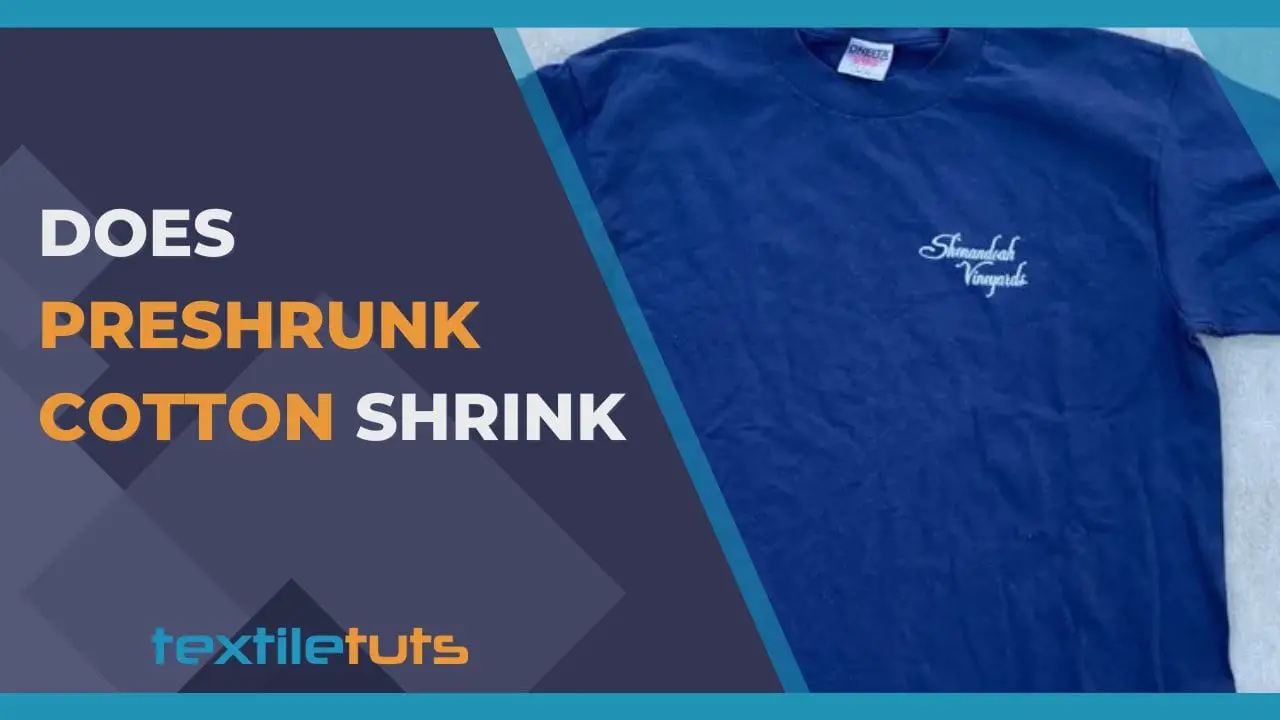
Does preshrunk cotton shrink? Yes—pre-shrunk cotton can still shrink, but only by 1–5% compared to 10–20% for standard cotton. This minimal shrinkage occurs only when washed in hot water above 60°C (140°F) or dried with high heat.
The pre-shrinking process (sanforization) mechanically reduces future shrinkage during manufacturing, but it does not make cotton completely shrink-proof. Following proper care instructions—cold water washing and low-heat drying—effectively eliminates any additional shrinkage.
Preshrunk Cotton: How Much It Shrinks
Preshrunk cotton is a type of cotton fabric that undergoes a controlled mechanical pre-shrinking process—known as sanforization—to reduce the amount of shrinkage that occurs after washing or exposure to moisture.
| Cotton Type | First Wash Shrinkage | Residual Shrinkage |
|---|---|---|
| Standard (untreated) cotton | 10–20% | 10–20% |
| Preshrunk (sanforized) cotton | 1–5% | 1–5% |
| High-quality preshrunk cotton | <1% | <1% |
The sanforization process, patented in 1930 by Sanford Lockwood Cluett, involves moistening the fabric with water or steam and then feeding it between a rubber sleeve and a heated rotating cylinder. The sleeve compresses, expands laterally, and relaxes, forcing the cloth to shrink in a controlled manner before it is cut and sewn into finished products. This reduces the internal tension in the cotton fibers, so when the consumer washes the finished product, shrinkage is minimized.
While this process substantially reduces future shrinkage, it does not eliminate it entirely. Industry standards permit fabrics labeled “shrink-proof” to exhibit up to 1% residual shrinkage, and most preshrunk cotton garments fall in the 1–5% range after multiple wash cycles.
Water temperature above 60°C (140°F), aggressive washing machine agitation, and high-heat drying at temperatures above 70°C (160°F) all contribute to additional shrinkage in preshrunk cotton. Washing in cold water (20–30°C / 68–86°F) and drying on low heat or line-drying virtually eliminate further shrinkage.
Washing Temperature Guide
| Water Temperature | Effect on Preshrunk Cotton | Recommendation |
|---|---|---|
| Cold (20–30°C / 68–86°F) | Minimal fiber swelling, negligible shrinkage | Recommended |
| Warm (30–40°C / 86–104°F) | Moderate fiber swelling, slight shrinkage risk | Acceptable for lightly soiled items |
| Hot (60–90°C / 140–195°F) | Significant fiber swelling, 1–5% shrinkage possible | Avoid unless care label requires |
Factors That Influence Pre-Shrunk Cotton Shrinkage
Preshrunk cotton is a preferred choice for many due to its comfort and reduced shrinkage after washing. However, it is not fully immune to shrinkage—several measurable factors determine the degree of shrinkage a garment experiences. Here are the key variables:
Completeness of the Pre-Shrinking Process
Manufacturers use a process called sanforization to pre-shrink cotton fabric before cutting and sewing. If this process is not thorough—if insufficient pressure or heat was applied during treatment—the fabric retains residual tension and will shrink further when washed at home. Cloth that has been properly sanforized under greater pressure exhibits less than 1% shrinkage and qualifies for a “shrink-proof” label.
Water Temperature
Water temperature is one of the most significant controllable factors in cotton shrinkage. Washing cotton in hot water at 60–90°C (140–195°F) causes the cotton fibers to absorb water and swell, then contract as they dry, resulting in measurable shrinkage. Cold water washing at 20–30°C (68–86°F) keeps fiber swelling to a minimum and preserves the garment’s original dimensions.
Agitation Intensity
The mechanical agitation of a standard or heavy-duty washing machine cycle causes the woven cotton fibers to tighten and interlock more closely as they rub against each other and the drum walls. This mechanical compression reduces fabric dimensions. Using a gentle or delicate cycle minimizes this effect.
Quality of Cotton
Not all cotton qualities perform identically. Long-staple cotton fibers (such as Egyptian or Pima cotton) are stronger and more resistant to shrinkage than short-staple upland cotton. Higher-quality preshrunk cotton will retain its dimensions through more wash cycles than lower-quality alternatives. The processing methods—including the completeness of singeing, mercerization, and pre-shrinking—directly affect the degree of shrinkage and overall durability.
Chemical Treatments
Certain chemical treatments applied during fabric manufacturing influence shrinkage resistance. Mercerization, which treats cotton with caustic soda (sodium hydroxide), strengthens the fiber and reduces shrinkage. Fabric softeners and finishes can also alter how the fibers respond to moisture and heat, though their effect is typically temporary through repeated washes.
Fabric Construction
The method used to construct the fabric—whether woven (poplin, twill, denim) or knitted (jersey, interlock)—and the tightness of the weave or knit directly affect shrinkage potential. Tightly woven cotton fabrics with a higher thread count shrink less than loosely constructed fabrics because the dense fiber structure resists dimensional change.
Benefits of Using Preshrunk Cotton
Preshrunk cotton is a highly valued fabric in the textile industry. Its popularity stems from measurable advantages for both manufacturers and consumers. Here are the specific benefits:
Size Retention
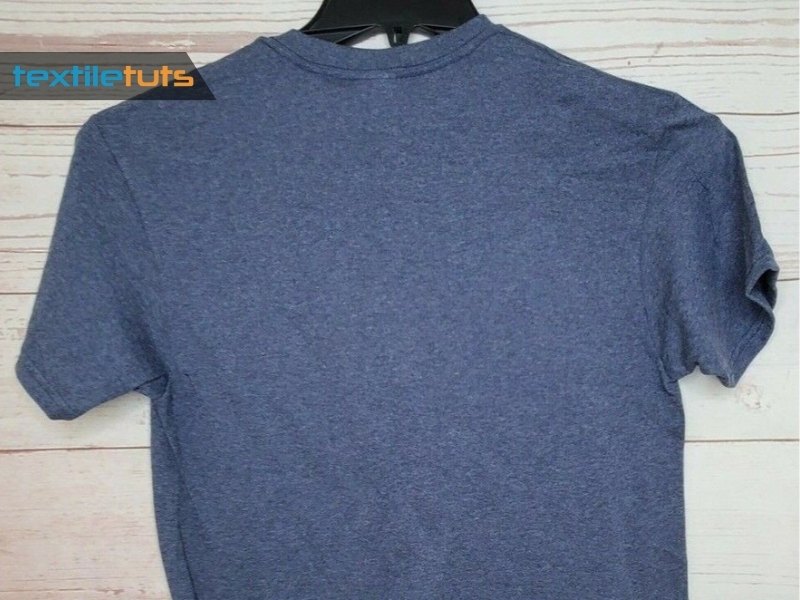
One of the primary benefits of preshrunk cotton is its ability to retain its dimensions after multiple washes. Untreated cotton can shrink 10–20% after its first wash cycle, which means a size large shirt can become a medium. Preshrunk cotton has already undergone this dimensional change during manufacturing, making its fit far more predictable and reliable.
Consistent Sizing
Preshrunk cotton maintains the intended sizing of garments and textile items through normal consumer use. This consistency is essential for consumers who expect clothing to fit reliably according to the size they purchased.
Durability
The sanforization process tightens the fabric weave, producing a stronger and more abrasion-resistant material. This tighter weave withstands more wear cycles before showing signs of fabric degradation, extending the garment’s usable lifespan.
Comfort
Preshrunk cotton retains the soft, breathable qualities that cotton is known for, and is often softer than untreated cotton due to the intensive washing it undergoes during the pre-shrinking process.
Reduced Need for Alterations
Because preshrunk cotton garments experience minimal shrinkage (typically 1–5% versus 10–20% for untreated cotton), consumers are far less likely to need tailoring to restore proper fit after laundering.
Appearance
Preshrunk cotton maintains its original appearance because the fabric undergoes controlled dimensional change during manufacturing rather than uncontrolled shrinkage in the consumer’s wash. This prevents the uneven distortion that causes garments to look worn or misshapen.
Better Quality Perception
Garments made from preshrunk cotton are associated with higher quality and greater attention to detail in manufacturing. This enhances brand reputation for both clothing brands and textile manufacturers.
Tips to Maintain Pre-Shrunk Cotton and Minimize Shrinkage
While preshrunk cotton is engineered to minimize shrinkage, following specific care practices further reduces any residual dimensional change. Implement these evidence-based practices to maximize the lifespan and fit of your garments:
Gentle Washing
Use the gentle or delicate cycle on your washing machine, which reduces agitation intensity and minimizes mechanical compression of the fabric structure. Aggressive agitation on a heavy-duty cycle is a leading cause of residual shrinkage in preshrunk cotton.
Wash in Cold Water
Wash cotton garments in cold water at 20–30°C (68–86°F) rather than hot water at 60–90°C (140–195°F). Cold water causes minimal fiber swelling and produces negligible shrinkage. This single practice has the largest impact on preserving garment dimensions.
Avoid the Dryer
The heat produced by a tumble dryer—typically 70–80°C (160–175°F) on a high setting—causes additional cotton fiber contraction. Line-drying or flat-drying at room temperature eliminates this heat exposure entirely and is the most effective way to prevent further shrinkage.
Proper Ironing
Iron cotton at 200–230°C (390–450°F) on the cotton setting. Iron garments while they are still damp to allow the heat and moisture to reshape fibers without causing additional contraction. Never iron completely dry cotton on the highest heat setting, as this can scorch the fibers and cause permanent damage.
Do Not Overstress the Material
Physical stress on wet fabric—such as twisting, wringing, or aggressive scrubbing—distorts the fiber structure and causes uneven shrinkage. Always handle wet preshrunk cotton gently to preserve its shape and dimensions. Proper care practices prevent the dramatic shrinkage myths that surround cotton laundry care.
Always Follow Care Label Instructions
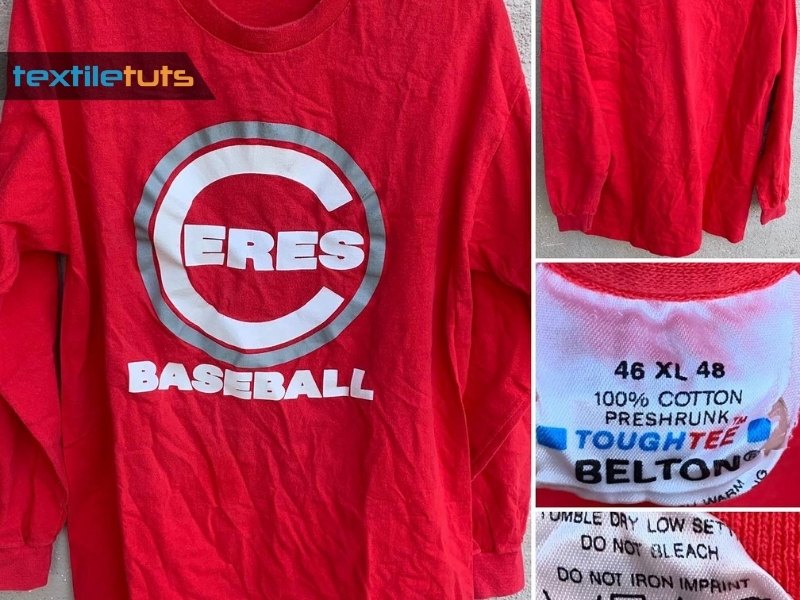
Pay attention to the care instructions on the garment label. Some garments specify machine washing, while others require hand washing in cold water. These instructions are calibrated to the specific fabric weight, construction, and finish of that garment.
Limit Chlorine Bleach
Avoid frequent use of chlorine bleach, as it degrades cotton cellulose fibers and weakens the fabric structure, making it more susceptible to dimensional change during laundering. When bleaching is necessary, use oxygen-based (color-safe) bleach, which is less damaging to cotton fibers.
Use Mild Detergent and Fabric Softener
Use a mild, gentle detergent formulated for delicate fabrics. Harsh detergents contain enzymes and surfactants that can degrade cotton fibers over repeated washes. Fabric softener helps keep cotton fibers pliable, reducing the likelihood of shrinkage caused by fiber stiffening during drying.
Correct Storage
Fold cotton garments neatly rather than hanging them. Hanging causes the weight of the fabric to stretch the knit or weave over time, distorting the garment’s shape. Folding preserves the original dimensions and fit.
Avoid Stretching When Wet
Do not pull or stretch cotton fabric while it is wet. Wet cotton fibers are most susceptible to permanent deformation. Handle wet garments with care, supporting their weight evenly to prevent uneven shrinkage or distortion.
Preshrunk Cotton Shirts vs. PacSun Jeans: A Shrinkage Comparison
Preshrunk cotton shirts and PacSun jeans are both predominantly cotton garments, but their shrinkage behavior differs based on fabric weight and construction. Lightweight preshrunk cotton shirts (120–150 gsm) are more prone to residual shrinkage than heavyweight preshrunk denim (340–480 gsm) due to the difference in thread count and weave density. Both will maintain their fit when washed in cold water and dried on low heat or air-dried.
Final Words
Preshrunk cotton is engineered to minimize shrinkage during washing, but no cotton fabric is 100% shrink-proof. All cotton exhibits some degree of residual shrinkage, typically ranging from 1% to 5% depending on the quality of the pre-shrinking process and the care practices used by the consumer.
Following the care instructions on the label—washing in cold water (20–30°C / 68–86°F), avoiding high-heat tumble drying, and using gentle cycles—effectively eliminates further shrinkage. These practices preserve both the size and the structural integrity of your garments through years of use.
Investing in high-quality preshrunk cotton garments and applying proper laundry care ensures they remain in good condition, maintaining their fit and appearance far longer than untreated alternatives.
References
- Cluett, S. L. (1930). Process of Treating Cloth (U.S. Patent No. 1,756,295). U.S. Patent and Trademark Office.
- Cluett, S. L. (1930). Sanforization. Wikipedia. The Wikimedia Foundation.
- Cotton Incorporated. (n.d.). Cotton Care Guidelines. Retrieved from CottonWorks.


