
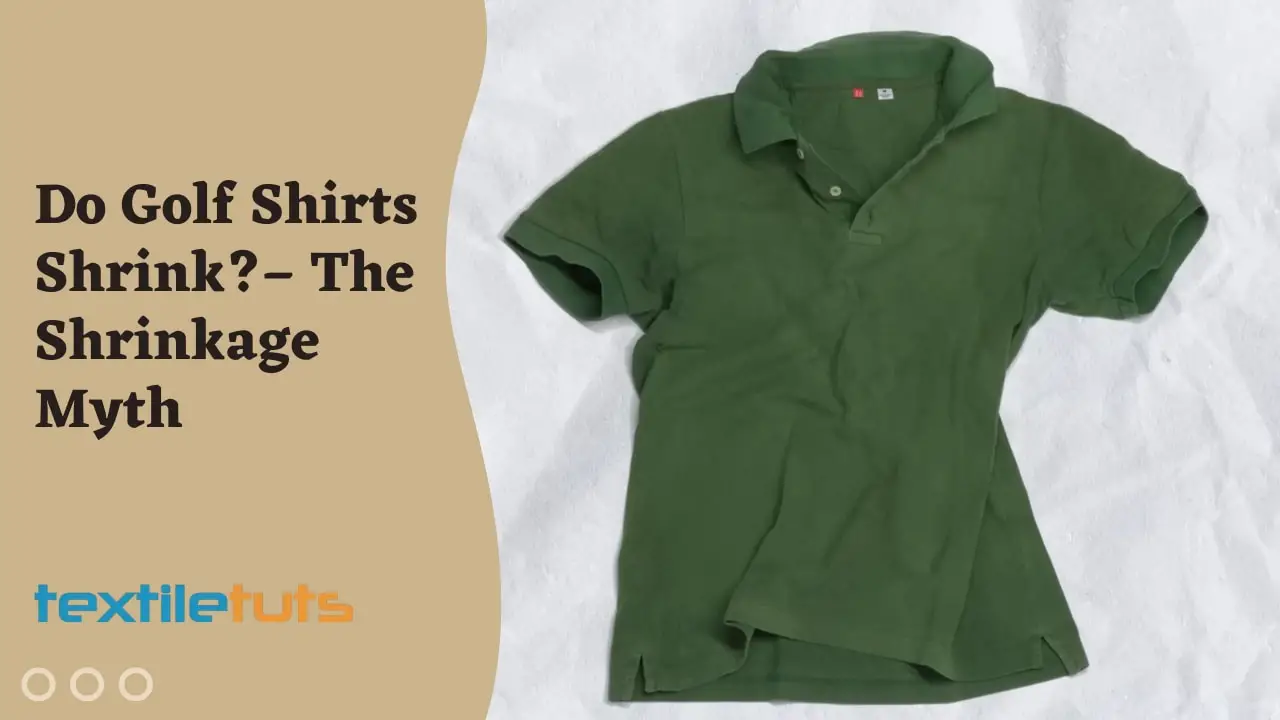
Do Golf Shirts Shrink? – The Shrinkage Myth

Yes, golf shirts shrink — and how much depends on fabric type and laundering conditions. Pure cotton golf shirts shrink 3–5% on first wash and up to 8% if washed in hot water above 40°C (104°F). Polyester golf shirts shrink less than 1% under normal conditions, while pre-shrunk cotton limits further shrinkage to 1–2%. Heat, agitation, and ignoring care label instructions are the main causes.
This article covers the most common reasons golf shirts shrink, how different fabrics compare, and how to care for your shirts to maintain fit and quality.
Is It Common for Golf Shirts to Shrink?
Golf shirts made from cotton shrink when exposed to heat and agitation. According to textile industry standards, untreated cotton fabric shrinks 3-5% on first wash, and can shrink an additional 3-5% if washed in water temperatures above 40°C (104°F).
The extent of shrinkage depends on fabric composition, manufacturing process, and care methods. Cotton golf shirts are significantly more prone to shrinkage than shirts made from synthetic fibers or blended fabrics.
If a cotton golf shirt is not pre-shrunk, it will shrink 5-8% when washed in hot water (above 40°C/104°F) and tumble dried on high heat. Pre-shrunk cotton golf shirts typically shrink only 1-2% under the same conditions.
Shirts made from 100% polyester fibers shrink less than 1% under normal washing conditions. Polyester-cotton blends (65/35 ratio) typically shrink 2-3%.
To minimize shrinkage, follow manufacturer care instructions: wash in cold water (30°C/86°F or below), dry on low heat, or air dry.
6 Common Reasons Why Golf Shirts Shrink
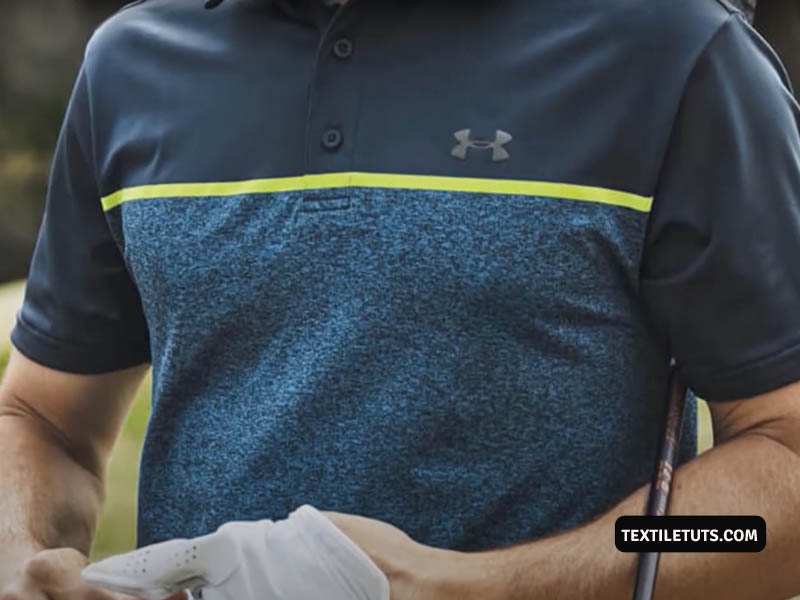
Like any clothing item, golf shirts shrink under certain conditions. The extent depends on fabric composition, construction, and care instructions.
1. Fabric Type
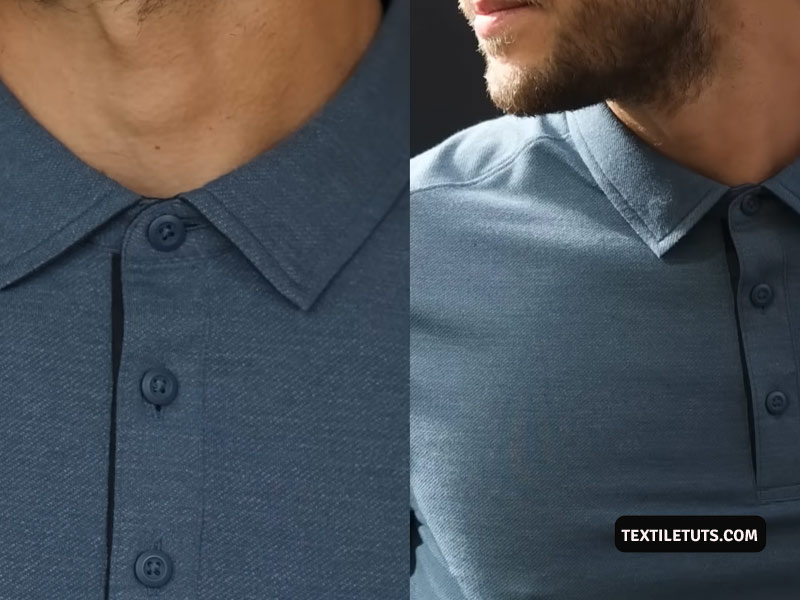
Different fabrics exhibit different shrinkage rates. Untreated cotton shrinks 3-5% on first wash. Polyester fibers shrink less than 1%. Cotton-polyester blends (65% polyester, 35% cotton) shrink 2-3%.
The fiber content directly determines how the fabric responds to heat, moisture, and mechanical agitation during laundering.
| Fabric Type | Shrinkage on First Wash | Hot Water Shrinkage Risk | Polyester Content |
|---|---|---|---|
| 100% Cotton (untreated) | 3–5% | Up to 8% | 0% |
| Pre-shrunk Cotton | 1–2% | 1–3% | 0% |
| Polyester-Cotton Blend (65/35) | 2–3% | 3–5% | 65% |
| 100% Polyester | <1% | <1% | 100% |
2. Washing and Drying Temperature
Washing in hot water (above 40°C/104°F) causes cotton fibers to swell and release tension, resulting in 3-8% shrinkage. High dryer heat (above 50°C/122°F) compounds this effect.
Cold water washing (30°C/86°F or below) minimizes fiber agitation and reduces shrinkage risk to under 1% for most fabrics. For those wondering does Gymshark shrink after washing, following proper washing guidelines helps maintain original fit and size.
3. Fit and Sizing
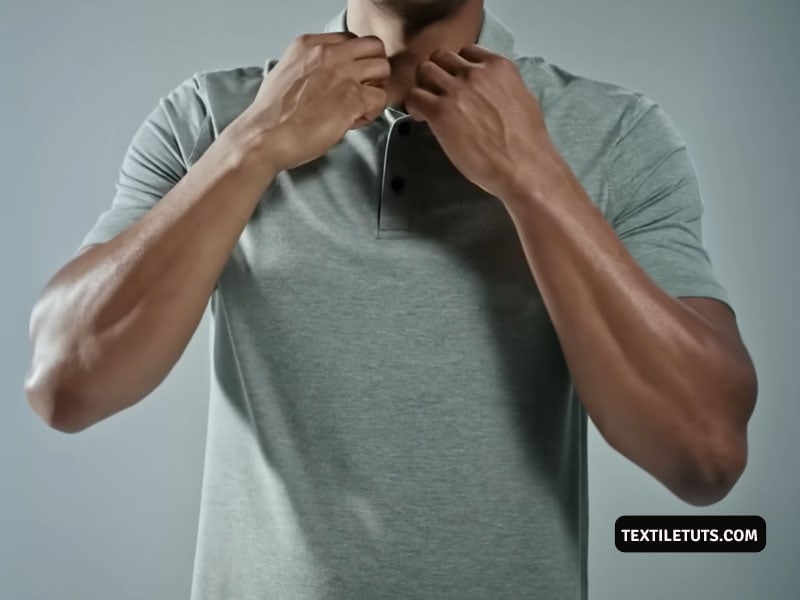
Choosing the right size matters. If a shirt is initially slightly large, the first wash may cause 1-3% shrinkage, which can make the fit noticeably tighter.
4. Lack of Pre-Shrinking
Pre-shrinking (also called “sanforization”) applies controlled shrinkage to fabric before garment construction. This process reduces potential shrinkage to 1-2%.
Golf shirts without pre-shrunk labels can shrink 5-8% on first wash when exposed to heat and agitation.
5. Aggressive Drying
Tumble drying on high heat (above 50°C/122°F) causes cotton fibers to contract. Studies show high-heat drying adds 1-3% additional shrinkage beyond water temperature effects alone.
Over-drying extends this effect. Removing shirts promptly and folding rather than crumpling prevents fiber stress.
6. Poor Quality Weave and Construction
Low-quality fabric with loose weave structure shrinks more than tightly woven alternatives. Fabric with a thread count below 150 tends to exhibit higher shrinkage rates.
Poor-quality construction—insufficient seam allowance, inadequate finishing—compounds shrinkage effects and may cause distortion.
How to Properly Care for Your Golf Shirts
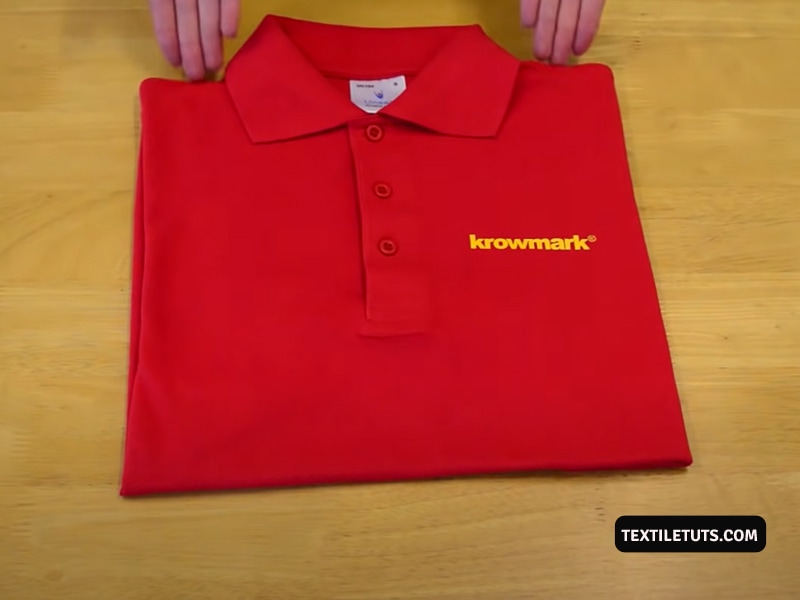
Proper care extends the life of golf shirts and maintains their fit. Follow these guidelines:
Pre-Treat Stains
Apply stain remover or liquid detergent directly to stains before washing. Allow it to penetrate for 5-10 minutes. Rub fabric together gently—avoid scrubbing which distorts fibers.
Separate Colors
Wash white and light-colored shirts separately from dark colors. Color bleeding causes permanent staining that cannot be reversed.
Use Mild Detergent
Harsh detergents degrade fabric fibers and fade colors over time. Use 30-50mL of mild, pH-balanced detergent per load. High-efficiency washers require 50% less detergent.
Avoid Bleach
Bleach damages cotton fibers and causes discoloration. For whites, use oxygen-based brighteners instead. For colored shirts, color-safe bleaches ( sodium percarbonate) are acceptable alternatives.
Do Not Overload the Machine
Allow 30% free space in the drum. Overloading prevents proper soil removal and causes excessive fiber abrasion from friction.
Iron at Correct Temperature
Iron cotton shirts at 180-200°C (356-392°F). Polyester requires 110-130°C (230-266°F). Turn shirts inside out and avoid ironing directly on prints, logos, or embellishments.
Proper Storage
Store in a cool, dry place with 40-60% relative humidity. Direct sunlight causes fiber degradation and color fading. Fold shirts rather than hang to prevent shoulder distortion.
How to Prevent Golf Shirts from Shrinking
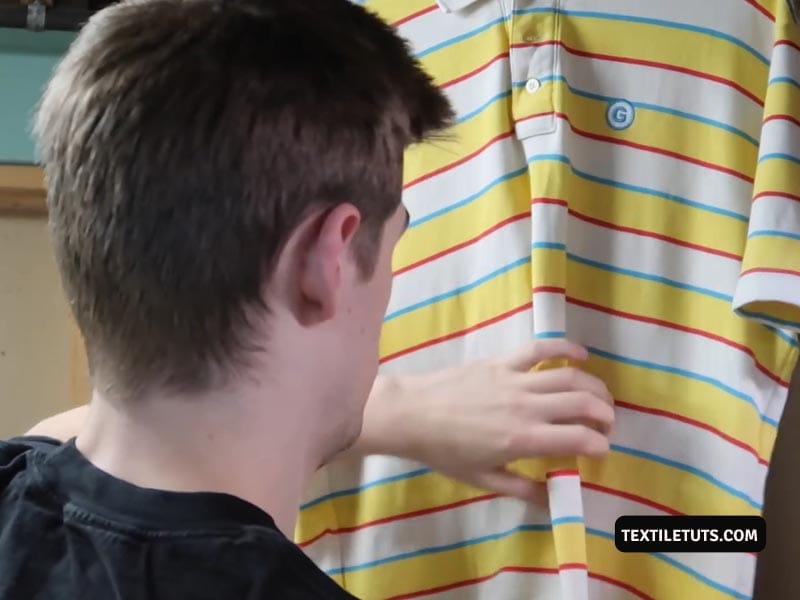
Take these precautions to prevent golf shirts from shrinking:
| Care Step | Recommended Setting | What to Avoid |
|---|---|---|
| Wash Temperature | Cold (30°C / 86°F or below) | Above 40°C / 104°F |
| Wash Cycle | Gentle or delicate (40–60 RPM) | Normal / heavy-duty (80–100 RPM) |
| Drying Method | Air dry or low heat (below 50°C / 122°F) | High heat tumble dry |
| Detergent Amount | 30–50mL mild, pH-balanced | Harsh detergents or bleach |
| Machine Load | 30% free drum space | Overloading |
| Shirt Type to Buy | Pre-shrunk (sanforized) cotton | Untreated cotton (shrinks 5–8% first wash) |
Read the Care Instructions
Manufacturer care labels specify wash temperature (usually 30°C/86°F for golf shirts), tumble dry settings, and ironing temperatures. Following these guidelines is essential for maintaining size and shape.
Use Cold Water
Wash golf shirts in cold water (30°C/86°F or below). Cold water minimizes fiber agitation and prevents the thermal shock that causes cotton to shrink.
Select Gentle Cycle or Hand Wash
Aggressive agitation causes inter-fiber friction that leads to shrinkage. Gentle cycles operate at 40-60 RPM compared to 80-100 RPM for normal cycles. Hand washing applies minimal mechanical stress.
Avoid High Heat Drying
Air drying eliminates heat-related contraction entirely. If using a dryer, select low heat (below 50°C/122°F) or delicate cycle. Remove shirts while slightly damp to prevent over-drying.
Over-drying causes 1-2% additional shrinkage from fiber embrittlement and contraction.
Test New Products First
Test laundry detergents and fabric softeners on an inconspicuous area (inside hem or label) before full use. Some formulations contain enzymes or surfactants that degrade certain fabric finishes.
Fabric softeners reduce surface friction during washing, which can decrease shrinkage by 10-15% according to textile care studies.
Choose Pre-Shrunk Options
Pre-shrunk golf shirts undergo controlled shrinkage during manufacturing, limiting further shrinkage to 1-2%. Non-pre-shrunk cotton can shrink 5-8% on first wash.
Final Words
Golf shirts shrink based on their fabric composition and laundering conditions. Pure cotton shirts shrink 3-5% on first wash, while polyester shirts shrink less than 1%.
To minimize shrinkage, wash in cold water (30°C/86°F or below) and either air dry or tumble dry on low heat. Always read care labels and follow manufacturer instructions.
Proper care and maintenance extends the life of golf shirts and preserves their fit and appearance.
References
- American Society for Testing and Materials. (2017). ASTM D1776-20: Standard Practice for Conditioning and Testing Textiles. ASTM International.
- U.S. Federal Trade Commission. (2023). Textile Rules and Regulations. FTC.
- Cotton Incorporated. (2024). Cotton Care and Shrinkage Guidelines. Cotton Incorporated.


