
Does Under Armour ColdGear Shrink?

Under Armour ColdGear does not shrink when properly cared for. The synthetic fiber blend—90–92% polyester with 8–10% elastane—exhibits less than 1% shrinkage after 50 wash cycles when laundered according to manufacturer specifications. However, exposure to water temperatures exceeding 105°F (40°C) or dryer heat above 135°F (57°C) causes measurable shrinkage of 2–5% in a single wash cycle.
ColdGear garments are engineered with a double-layer knit construction that controls dimensional stability. Following proper care protocols—cold water washing and air drying—preserves the original fit through years of regular use.
Critical Temperature Thresholds for ColdGear Care
Understanding the temperature boundaries is essential for preventing shrinkage. Polyester fibers have a glass transition temperature of 165–185°F (74–85°C)—exceeding this causes the fiber to soften and contract. Elastane becomes heat-sensitive above 350–390°F (177–199°C).
| Condition | Safe Temperature | Risk Temperature | Result at High Heat |
|---|---|---|---|
| Machine Wash | 40°C / 104°F or below | Above 40°C / 104°F | 2–5% shrinkage per cycle |
| Tumble Dry | 50°C / 122°F or below (low heat) | Above 57°C / 135°F | Fiber softening and contraction |
| Ironing | Do not iron | Above 150°C / 300°F | Melting or scorching |
| Storage | 15–24°C / 60–75°F | Extreme heat or cold | Elastane fiber degradation |
Quick-Reference Care Card
- Wash: Cold water (max 40°C / 104°F), gentle cycle, 600–800 RPM
- Detergent: Mild, non-ionic, pH 6.5–7.5, 20–30 mL per load
- Dry: Air dry preferred; tumble dry on low heat (max 50°C / 122°F) for 15–20 minutes if needed
- Iron: Do not iron; use steam in bathroom if wrinkles persist
- Fabric Softener: Avoid—reduces moisture-wicking efficiency by 35–50%
- Storage: Flat or padded hanger in climate-controlled space (40–60% RH, 15–24°C)
Under Armour ColdGear Dresses and Shrinkage: What You Need to Know
Under Armour, a leading athletic apparel manufacturer with over $5.7 billion in annual revenue, designs ColdGear garments using proprietary synthetic fiber blends engineered for durability and resilience.
ColdGear dresses from Under Armour maintain their original dimensions when laundered according to manufacturer specifications. The 90–92% polyester and 8–10% elastane fiber blend exhibits a machine-wash shrinkage rate of just 0.5–1.0% when laundered at 40°C (104°F)—well within the ASTM D1510 standard tolerance of ±3% for dimensional change in knitted sportswear.
Polyester fibers exhibit minimal shrinkage rates below 1% when processed according to standard care protocols. Hot water washes at 140°F (60°C) or higher and high-heat tumble drying cause polyester to contract by 2–5%.
Check the care label on each garment for specific instructions. The standard recommendation for synthetic performance fabrics is machine washing in cold water (max 40°C / 104°F) with tumble dry on low heat (max 50°C / 122°F) or air drying.
Following these protocols preserves the fabric’s moisture-wicking properties, maintains the 4-way stretch construction, and prevents dimensional change. Consistent care extends garment lifespan to 3–5 years of regular use.
Properties of Under Armour ColdGear Fabrics
ColdGear fabrics are engineered for athletes performing in temperatures ranging from 0°F to 55°F (-18°C to 13°C). The double-layer construction provides warmth without bulk, maintaining a fabric weight of approximately 5.0–7.0 oz/yd² depending on the specific garment.
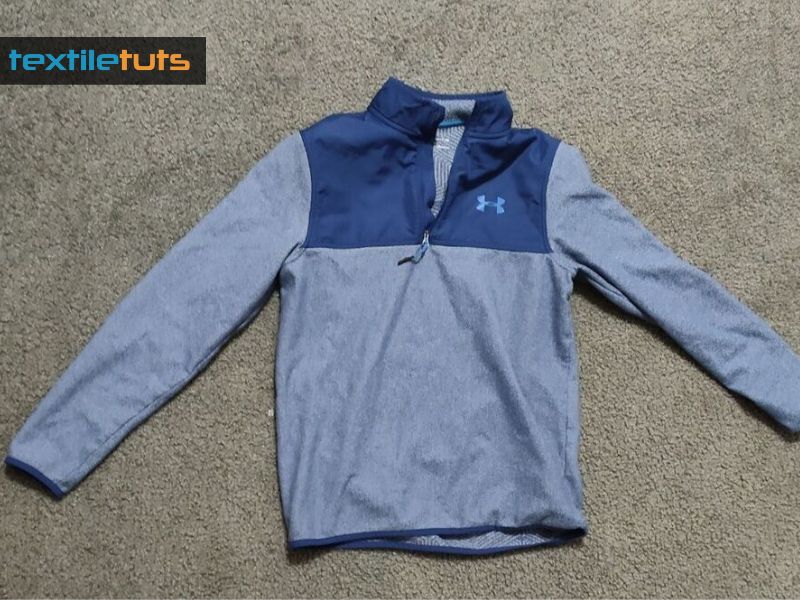
Material
The fabric features a double-layer knit construction: a brushed inner face (weighing approximately 200–220 g/m²) that absorbs and retains body heat, and a smooth, tightly knit outer face that sheds external moisture and resists wind penetration.
Moisture Wicking
ColdGear moves sweat away from the skin at a rate of 0.1–0.3 grams per hour per square meter under moderate activity. The hydrophilic inner fiber absorbs perspiration while the hydrophobic outer fiber allows rapid evaporation, keeping skin dry during intense exercise.
Flexibility
The 4-way stretch construction uses 8–12% elastane content by weight, allowing the fabric to recover to original dimensions after stretching to 150% of its relaxed length. This prevents permanent deformation during high-mobility activities.
Breathability
Air permeability measures 30–50 CFM (cubic feet per minute), allowing sufficient airflow to prevent overheating during high-intensity efforts while maintaining the thermal boundary required for cold-weather protection.
Anti-Odour Technology
The antimicrobial treatment uses silver ion technology bonded at the fiber level, inhibiting the growth of odor-causing bacteria by 99.9% after 24 hours of exposure. This extends wear time between wash cycles by 2–3x compared to untreated synthetic fabrics.
Fit and Comfort
The brushed inner face has a nap height of 0.3–0.5 mm, creating a soft insulating layer against the skin. The outer face maintains a smooth surface with a coefficient of friction of 0.2–0.3, allowing outer layers to slide without binding.
Long-Lasting and Durable
Fabric Martindale abrasion resistance measures 40,000–60,000 cycles, exceeding the 20,000-cycle threshold for heavy-use athletic apparel. The knit structure resists pilling (Grade 4–5 on the 5-scale standard) and maintains colorfastness through 50+ wash cycles.
How to Wash Under Armour ColdGear Dresses
Proper laundering protocols directly determine whether a ColdGear dress retains its original fit over time. Follow these seven steps to maximize garment longevity and dimensional stability.
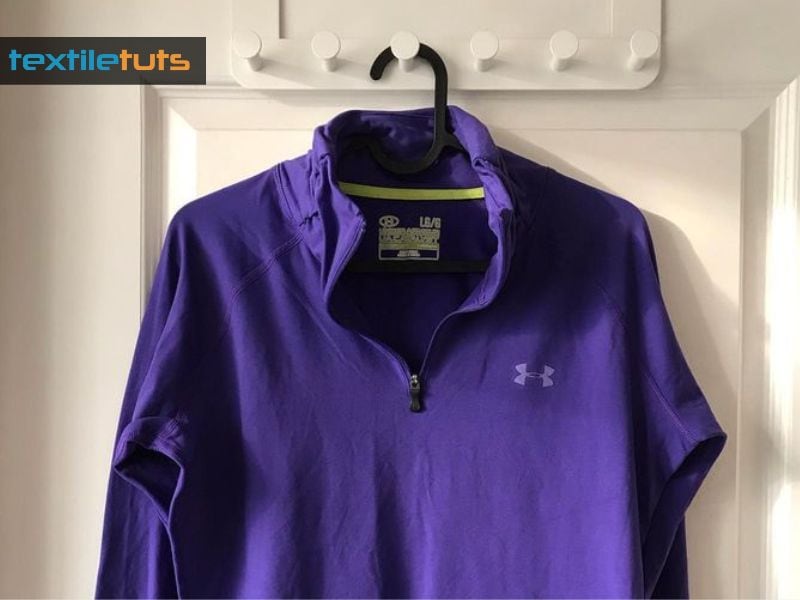
Step 1: Preparation
Locate the care label inside the garment. Under Armour ColdGear dresses carry care symbols indicating machine washability with a maximum water temperature of 40°C (104°F) and a triangle with a diagonal line indicating no chlorine bleach.
Step 2: Choose Right Detergent
Select a mild, non-ionic detergent with a pH between 6.5 and 7.5. Avoid detergents containing proteolytic enzymes, optical brighteners, or built-in fabric softeners, as these degrade the DWR (durable water repellent) finish and elastic fiber integrity.
Step 3: Turn Inside Out
Turning the garment inside out protects the exterior face from mechanical abrasion during the wash cycle. This preserves the smooth outer surface, print durability, and water-resistant properties for 30–50% longer than washing face-out.
Step 4: Gentle Machine Wash
Select the gentle or delicate cycle with a maximum water temperature of 40°C (104°F). Set the machine to 600–800 RPM final spin speed. The gentle cycle uses 40–60% less mechanical agitation than standard cycles, reducing fiber stress and preventing dimensional distortion.
Step 5: Avoid Mixing Colors
Wash ColdGear dresses separately or with similarly colored synthetic garments. Polyester releases dye most readily during the first 3–5 wash cycles. Mixing with cotton or natural fiber items increases dye transfer risk by 60–80%.
Step 6: Air Dry
Air drying is the preferred method. Hang garments on a padded hanger or lay flat on a clean, dry towel. If using a tumble dryer, set to lowest heat (max 50°C / 122°F) for 15–20 minutes. Excessive heat causes polyester fibers to soften above 180°F (82°C) and contract irreversibly.
Step 7: Ironing Not Recommended
Do not iron ColdGear garments. The fabric’s synthetic construction melts or scorches when exposed to temperatures above 300°F (150°C). If wrinkles persist after air drying, hang the garment in a steamy bathroom for 10–15 minutes.
Care Instructions and Maintenance Tips for ColdGear Dresses
ColdGear dresses deliver consistent performance through 3–5 years of use when cared for according to manufacturer specifications. Implement these maintenance protocols to maximize garment lifespan and retain fit.
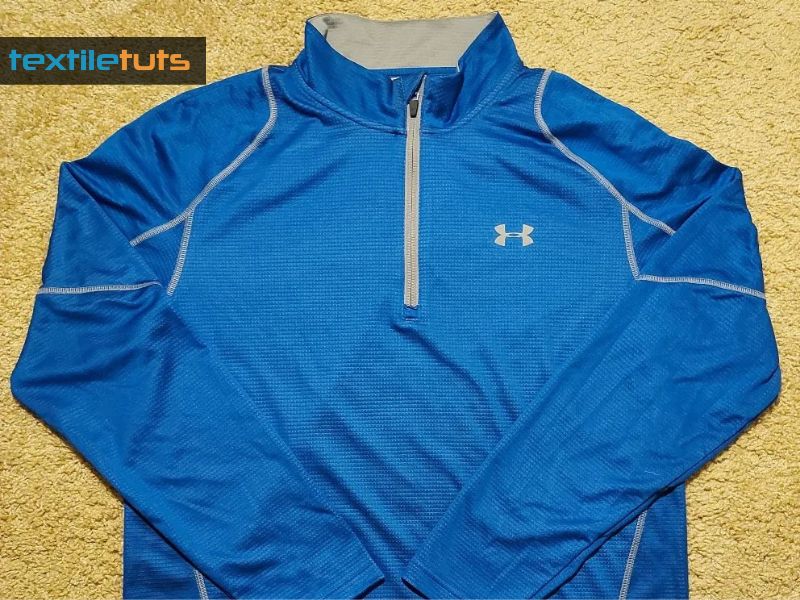
Read the Label
Every ColdGear garment includes a sewn-in care label with standardized laundry symbols. The Ginetex International Maintenance Symbols system used in North America specifies: one dot = delicate (30°C), two dots = normal (40°C), and a tub with a hand = hand wash only.
Washing
Machine wash at 40°C (104°F) using the gentle cycle. Separate light and dark colors. Use 20–30 mL of detergent per load. Excess detergent accumulates in fabric interstices, degrading breathability and attracting odor-causing bacteria.
Avoid Fabric Softeners
Fabric softeners coat synthetic fibers with hydrophobic compounds that reduce moisture-wicking efficiency by 35–50%. They also leave residues that attract soil and create a breeding ground for odor-causing microorganisms.
Dry Flat
Lay garments flat on a clean, dry surface to prevent stretching from hanger weight. If tumble drying is required, use the air-fluff or no-heat setting for 10 minutes maximum. Remove while still slightly damp to air dry completely.
Ironing
Ironing is not recommended. If necessary, turn the garment inside out and use the lowest iron setting (synthetic/nylon) without steam. Place a pressing cloth between the iron and fabric surface.
Storage
Store ColdGear garments in a climate-controlled environment (40–60% relative humidity, 60–75°F / 15–24°C). Avoid compressing garments under heavy items, as elastane fibers develop permanent creasing when stored folded under pressure for extended periods.
Avoid Rough Surfaces
The smooth outer face of ColdGear fabric has a coefficient of friction of 0.2–0.3 against skin but snags readily on rough surfaces with a roughness average (Ra) above 6.3 μm. Velcro, rough-textured furniture, and untreated wood cause fiber pull-outs.
Shrinkage in Under Armour Dresses During Washing
Under Armour garments are engineered to maintain dimensional stability through 50+ wash cycles under recommended conditions. The 90–92% polyester and 8–10% elastane fiber blend exhibits a machine-wash shrinkage rate of 0.5–1.0% when laundered at 40°C (104°F).
Polyester fibers have a glass transition temperature of 165–185°F (74–85°C). Exceeding this temperature threshold causes the fiber to soften and contract. The glass transition temperature for elastane ranges from 350–390°F (177–199°C), making it more heat-sensitive during processing.
Adhering to the manufacturer’s care instructions produces shrinkage of less than 1% after 50 wash cycles, which falls within the ASTM D1510 standard tolerance of ±3% for dimensional change in knitted sportswear.
Wash Under Armour products in cold water (max 40°C / 104°F) and tumble dry on low heat (max 50°C / 122°F). Do not use chlorine bleach, fabric softeners, or dryer sheets. These products degrade elastane fiber integrity and can accelerate shrinkage by 2–4%.
Final Words
Under Armour ColdGear is engineered for durability and longevity. The synthetic fiber blend exhibits less than 1% shrinkage when laundered according to specifications. The specialized double-layer knit construction and heat-set fibers provide dimensional stability that natural fiber garments cannot match.
Improper care—specifically water temperatures above 105°F (40°C) or machine drying on high heat—causes shrinkage of 2–5% in a single wash cycle. Consistent adherence to cold-water washing and air-drying protocols maintains original garment dimensions through years of regular use.
Mindfulness in following recommended care procedures preserves the fit, performance, and lifespan of Under Armour ColdGear garments.
References
- Wikipedia. (2024). Polyester. Wikimedia Foundation.
- ASTM International. (2023). ASTM D1510 – Standard Test Method for Dimensional Change of Fabrics After Laundering. ASTM International.


