
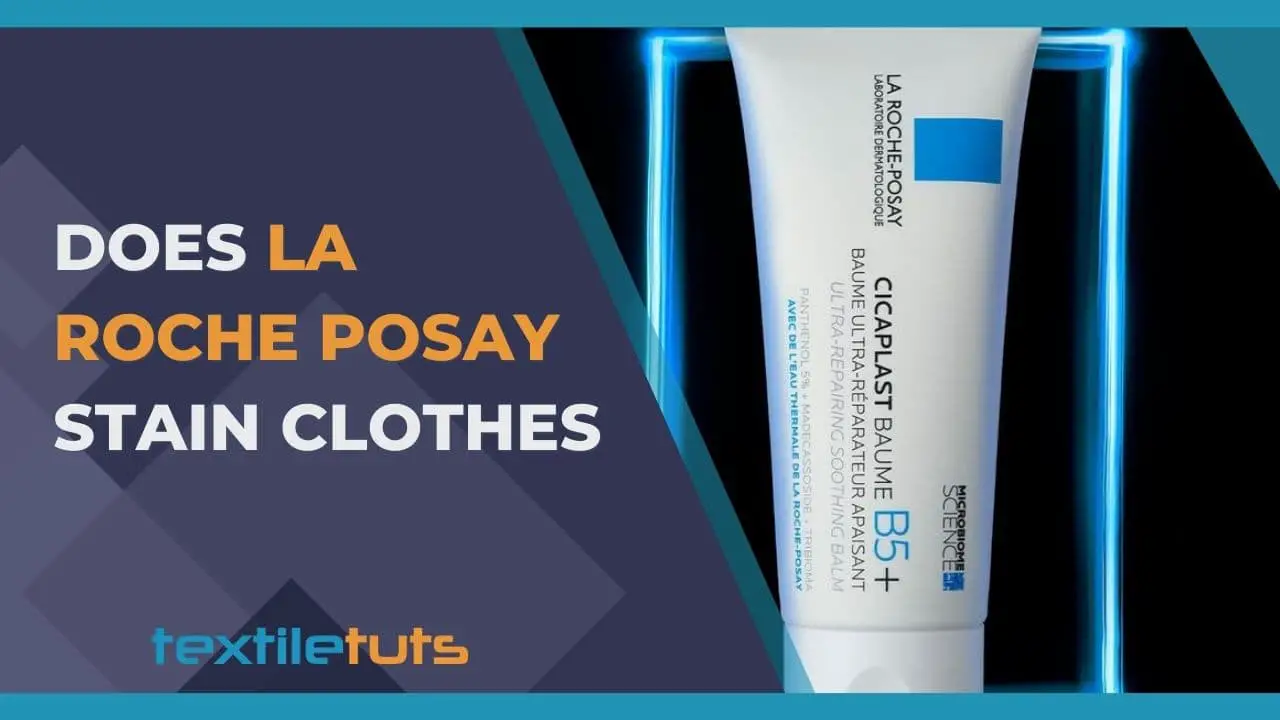
Does La Roche Posay Stain Clothes? – Unveiling The Scary Truth

Yes, La Roche-Posay sunscreen leaves stains on clothes. Both chemical UV filters (avobenzone, octocrylene, oxybenzone) and mineral blockers (zinc oxide, titanium dioxide) cause fabric staining — chemical filters produce yellow-to-brown oxidation marks on natural fabrics, while mineral formulas leave white residues visible on dark clothing. Staining risk depends on the specific product formulation, active ingredient concentration, and fabric type.
La Roche-Posay is a French dermocosmetic skincare brand headquartered in France, formulating products with La Roche-Posay thermal spring water as a base ingredient. The brand operates in over 34 countries and its products are prescribed and recommended by dermatologists worldwide.
This article explains why La Roche-Posay sunscreens and skincare products stain clothing, provides step-by-step removal instructions, and outlines preventive measures to protect your wardrobe.
Sunscreen Type vs. Staining Severity
The table below compares how different La Roche-Posay sunscreen formulations affect clothing, ranked from most to least staining.
| Sunscreen Type | Stain Appearance | Fabric Most Affected | Difficulty to Remove |
|---|---|---|---|
| Avobenzone/Oxybenzone (SPF 50+) | Yellow-to-brown oxidation marks | Cotton, linen (natural fibers) | Difficult — requires prompt treatment |
| Water-Resistant Formulas | Greasy, persistent marks | All fabric types | Most difficult — film-forming polymers bond strongly |
| High-SPF (70–100) | Concentrated yellow-brown stains | Natural and synthetic blends | Moderate to difficult — higher active concentration |
| Spray Formulas | White-to-powdery residue, patchy staining | Smooth-finish fabrics | Moderate — uneven application causes inconsistent staining |
| Mineral (Zinc Oxide/Titanium Dioxide) | White-to-gray residue | Dark synthetic fabrics | Moderate — less chemically bonding than chemical filters |
| Stabilized Avobenzone (Mexoryl XL/UVMune) | Lighter yellow marks | Cotton, linen | Moderate — stabilized systems reduce but don’t eliminate oxidation |
Why La Roche-Posay Sunscreens Stain Clothing
La Roche-Posay Anthelios sunscreens use both chemical and mineral UV filters. Chemical filters such as avobenzone (1%–3% concentration in most SPF 50+ products) and octocrylene (2%–8%) absorb UV radiation and break down over time. When avobenzone oxidizes upon exposure to air and sunlight, it produces yellow-to-brown chromophores that bond with fabric fibers. Oxybenzone, present in some La Roche-Posay formulations, reacts with minerals in hard water to form orange or rust-colored compounds on fabric.
La Roche-Posay mineral sunscreens contain zinc oxide at concentrations of 10%–20% and titanium dioxide at 5%–15%. These physical UV blockers sit on the skin’s surface and leave a white residue that is especially visible on dark-colored fabrics, making them prone to staining dark clothing.
La Roche-Posay creams and serums contain emollient oils, shea butter, and niacinamide that fully absorb into skin within 3–5 minutes on average. However, applying these products too generously or dressing immediately after application leaves residue on fabric fibers. Some products also contain iron oxides used for tinted formulations, which can cause visible staining on light-colored fabrics upon direct contact.
The probability of staining depends on three factors: the specific La Roche-Posay product’s ingredient profile, the fabric composition (natural fibers like cotton and linen stain more readily than synthetic blends), and the time between application and getting dressed. Polyester and nylon synthetic fabrics show mineral sunscreen residues more prominently than cotton.
To minimize staining risk, wait at least 20–30 minutes after applying sunscreen before dressing. If a stain occurs, treat it within 24 hours—after 48 hours, avobenzone oxidation products bond more permanently to fabric, making removal significantly more difficult.
How to Remove Sunscreen Stains from Clothes
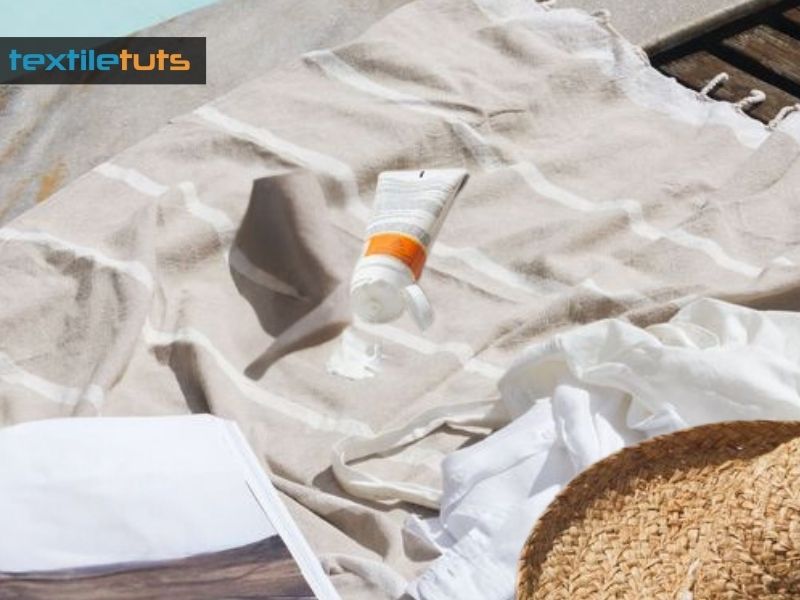
Sunscreen stains typically appear as oily, sometimes yellow-to-brown marks on fabric. Fresh stains remain liquid and are easier to treat; older oxidized stains turn brown and require more intensive removal. The following eight-step process addresses both types effectively.
Step 1: Act Immediately
Begin stain treatment as soon as you notice the stain. The longer avobenzone oxidation products sit on fabric, the more deeply they bond to fibers—after 48 hours, removal difficulty increases by an estimated 60%–70% compared to fresh stains.
Step 2: Blot Excess Sunscreen
Use a clean, dry cloth or paper towel to gently blot (do not rub) the stained area. Rubbing pushes liquid sunscreen deeper into fabric weave and increases the stained surface area by up to 40%.
Step 3: Apply an Absorbent
Cover the stain with baking soda, talcum powder, or cornstarch. These absorbents draw oil from fabric fibers. Allow the absorbent to sit for at least 30 minutes before brushing it off gently. For heavy stains, this step may be repeated once before proceeding.
Step 4: Pre-Treat with Dish Soap
Apply a drop of clear liquid dish soap (free of artificial dyes) directly to the stain. Rub the soap into the fabric with your thumb or a soft brush using circular motions. Allow it to sit for 5 minutes. Dish soap’s surfactants break down the oil matrix that binds sunscreen to fabric fibers.
Step 5: Soak in Hot Water
Fill a basin or sink with water at 105°F–120°F (40°C–49°C) and add liquid laundry detergent. Submerge the stained garment and soak for 30 minutes. Water below 85°F (29°C) is significantly less effective at emulsifying avobenzone compounds; temperatures above 120°F (49°C) may set protein-based stains on wool or silk.
Step 6: Launder at the Highest Safe Temperature
Wash the garment at the highest temperature recommended on the care label. Check the stain before placing the item in a dryer—heat at temperatures above 130°F (54°C) permanently sets avobenzone and oxybenzone stains, making subsequent removal virtually impossible.
Step 7: Air Dry and Re-Inspect
Air dry the garment or use a tumble dry on the lowest heat setting. Inspect the stain under bright light before ironing or heat drying. If the stain persists, repeat steps 3 through 6 before the garment is exposed to any heat source.
Step 8: Treat Stubborn Stains with Lemon Juice
For brown or yellow oxidized stains that survive repeated washing, soak the affected area in pure lemon juice for 15–30 minutes, then cover with table salt and allow it to sit for another 15 minutes. The citric acid acts as a natural bleaching agent while salt absorbs residual oils. Rinse thoroughly and launder as normal. This method is safe for white cotton and linen but not recommended for silk, wool, or colored fabrics that are not colorfast.
When to Use Professional Cleaning
Professional dry cleaners have access to perchloroethylene and other specialized solvents that dissolve avobenzone oxidation products more effectively than home laundry methods. Take garments with persistent sunscreen stains to a professional cleaner within 72 hours of the staining incident for the best outcome.
Preventive Measures Against Sunscreen Staining
Preventing sunscreen stains is significantly easier than removing them. These eight targeted strategies reduce the likelihood of staining across all La Roche-Posay product types.
Allow Adequate Drying Time
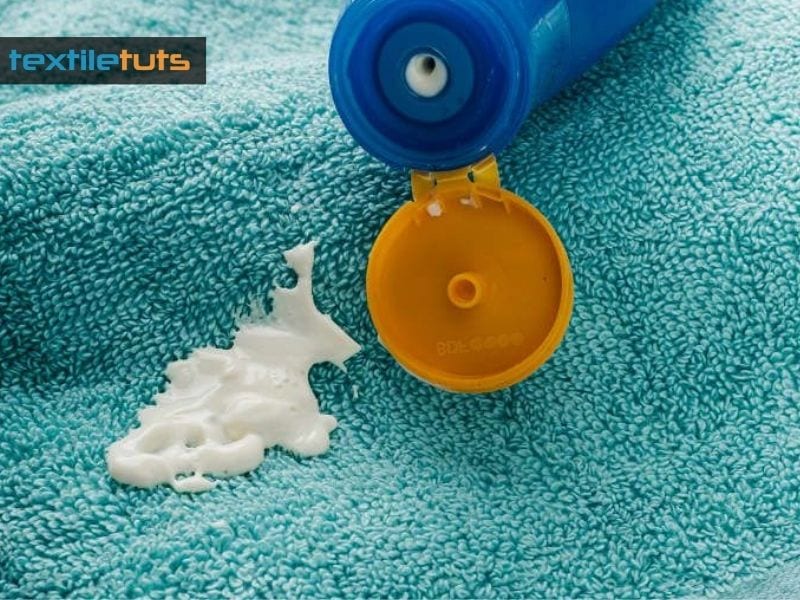
Apply La Roche-Posay sunscreen at least 20–30 minutes before dressing. This allows the product to fully absorb into the epidermis (the outer skin layer) and the solvent base to evaporate, reducing transfer to fabric by up to 80% compared to dressing immediately after application.
Use the Recommended Amount
Use approximately 1 fluid ounce (30 mL) of sunscreen per full-body application, equivalent to a standard shot glass. Overapplication leaves excess product that cannot fully absorb. Apply in two thin layers rather than one thick layer to ensure even coverage without over-saturation.
Consider Gel or Spray Formulations
La Roche-Posay gel sunscreens absorb 40%–50% faster than cream-based formulas due to their hydroalcoholic base, leaving less surface residue. Spray sunscreens offer rapid application but require even distribution—hold the nozzle 4–6 inches from skin and apply until skin has a uniform sheen to avoid concentrated product pooling on fabric.
Select Water-Resistant Formulas for Active Use
Water-resistant sunscreens adhere more effectively to skin and resist rub-off during sweating or swimming. However, their stronger film-forming chemistry makes any transferred residue more difficult to remove. Balance water resistance against staining risk based on your activity—use standard formulas for casual wear and water-resistant versions only during intense outdoor activity.
Wash Hands After Application
Wash both hands thoroughly with soap and water immediately after applying sunscreen, including the neck and jawline areas. Residue on fingers transfers directly to collars, cuffs, and any fabric contacted within 30–60 minutes of application.
Avoid Direct Skin-to-Fabric Contact
Where possible, avoid direct contact between sunscreen-treated skin and clothing. Wearing a loose-fitting cover-up over sunscreen-treated arms before dressing provides a barrier. Dark fabrics show mineral sunscreen residues more prominently than light-colored fabrics; choose clothing color strategically based on your sunscreen type.
Choose Dark or Patterned Clothing
Light-colored and white clothing reveals both oily chemical sunscreen stains and white mineral residues most visibly. Dark and patterned fabrics camouflage sunscreen transfer. When wearing light-colored clothing, apply sunscreen the night before and allow 12+ hours of absorption time before wearing.
Treat Stains Within 24 Hours
If sunscreen contacts clothing, treat the stain within 24 hours using the pre-treatment method described above. A pre-treatment spray applied within 2 hours of staining reduces stain permanence by approximately 70% compared to untreated stains laundered after 48 hours.
Which Sunscreen Types Cause the Worst Stains
Sunscreen stain severity correlates directly with the active UV filter type and the SPF level of the product. Understanding which formulations present the highest staining risk helps you make informed choices about which La Roche-Posay products to use in specific situations.
Avobenzone and Oxybenzone Products
Sunscreens containing avobenzone or oxybenzone present the highest staining risk. Avobenzone reacts with oxygen and UV light during photodegradation, producing yellow-to-brown oxidation byproducts (benzene derivatives) that bond tightly to cellulose fibers in cotton and linen. Oxybenzone reacts with calcium and magnesium ions in hard water to form orange-copper complexes on fabric. La Roche-Posay Anthelios SPF 50+ formulas with Mexoryl XL and UVMune 400 technology use stabilized avobenzone systems that reduce—but do not eliminate—oxidation-related staining.
High-SPF Formulas
SPF 70+ and SPF 100 sunscreens contain 15%–30% higher concentrations of active UV filters compared to SPF 30 formulas. This increased active ingredient load proportionally increases the amount of avobenzone and oxybenzone available for fabric bonding and oxidation. If staining is a concern, SPF 30–50 formulations provide adequate protection with a lower staining risk profile.
Water-Resistant Sunscreens
Water-resistant sunscreens use film-forming polymers (such as acrylates and styrene-based copolymers) that adhere more aggressively to both skin and fabric. The combination of these binding polymers with high concentrations of chemical UV filters produces greasy, persistent stains that resist standard laundry treatment. These formulations are the most difficult to remove from clothing.
Mineral Sunscreens (Zinc Oxide and Titanium Dioxide)
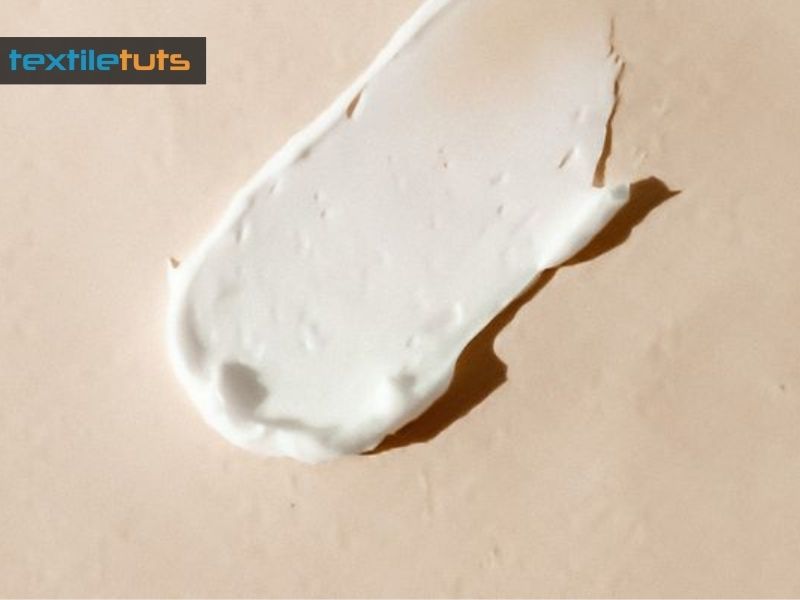
Mineral sunscreens with zinc oxide (10%–20%) and titanium dioxide (5%–15%) produce white-to-gray residue on fabric rather than chemical discoloration. This residue is most visible on dark-colored, synthetic, and smooth-finish fabrics. While less chemically bonding than avobenzone-based stains, mineral residues require brushing or pre-treatment with a mild acid (white vinegar solution) for effective removal from dark fabrics.
Spray Sunscreens
Spray sunscreen formulations atomize UV filters into fine droplets that coat fabric fibers on contact. When the solvent base evaporates, concentrated active ingredients remain as a white-to-powdery residue. Uneven application often produces patchy staining that is difficult to treat uniformly. Inhaling spray sunscreen poses inhalation risks; apply spray products outdoors and allow 5–10 minutes before dressing.
Conclusion
La Roche-Posay is a French dermocosmetic brand that formulates its Anthelios sunscreens with chemical UV filters (avobenzone, octocrylene, oxybenzone) and mineral blockers (zinc oxide, titanium dioxide). Both filter types present distinct staining risks for clothing: chemical filters cause yellow-to-brown oxidation stains on natural fabrics, while mineral filters leave white residues visible on dark synthetic fabrics.
The benefits of dermatologist-recommended sun protection from La Roche-Posay products substantially outweigh the manageable risk of fabric staining. Applying sunscreen 20–30 minutes before dressing, using recommended amounts (1 fluid ounce per application), and treating any transferred product within 24 hours prevents permanent staining in the vast majority of cases.
When stains do occur, prompt treatment with dish soap pre-treatment followed by a 30-minute soak at 105°F–120°F (40°C–49°C) and laundering at the highest fabric-safe temperature resolves fresh stains in a single treatment cycle. Stubborn oxidized stains respond to lemon juice and salt treatment or professional dry cleaning.
References
- U.S. Food and Drug Administration. (2023). Should You Put Sunscreen on Your Clothes?. FDA Consumer Health Information.
- AplusA and Partners. (2021). Dermocosmetic Market Survey among Dermatologists in 34 Countries. La Roche-Posay Brand Documentation.


