
Does BYLT Shrink? Preserving the Perfect Fit

No — BYLT shirts are engineered to resist significant shrinkage. Thanks to their premium 62% polyester, 33% cotton, and 5% spandex fabric blend, BYLT garments exhibit less than 3% shrinkage under normal care conditions, far outperforming pure cotton alternatives.
BYLT has become a well-known brand in men’s fashion, offering high-quality and stylish clothing options for the modern man. Among their popular products are their signature BYLT shirts, known for their comfortable fit and durable material.
With a professional and informative approach, this article provides a clear and concise answer for those seeking to understand the potential shrinkage of BYLT shirts. The brand’s premium fabric blend sets it apart from standard cotton shirts in terms of dimensional stability.
Shrinkage Comparison: Fabric Types at a Glance
| Fabric Type | Typical Shrinkage | Dimensional Stability | Notes |
|---|---|---|---|
| Pure Cotton | 3–5% after first wash | Low | Most shrinkage occurs in first wash; higher risk above 40°C (104°F) |
| BYLT Blend (62/33/5) | Under 3% | High | Polyester matrix constrains cotton fibre contraction; spandex ensures elastic recovery |
| Pure Polyester | Less than 1% | Very High | Hydrophobic core absorbs minimal water; most dimensionally stable fibre |
Quick-Reference Care Specifications
- Recommended wash temperature: Cold water — below 30°C (86°F)
- Safe dryer settings: Low heat — 40–50°C (104–122°F); air drying is optimal
- Maximum dryer temperature to avoid spandex damage: 120°C (248°F)
- Polyester shrinkage threshold: Less than 1% at temperatures up to 40°C (104°F)
- Expected total shrinkage when care instructions are followed: Under 3% — well within industry tolerance
BYLT Fabric Shrinkage Resistance
When investing in high-quality apparel, shrinkage after washing is a legitimate concern. BYLT has engineered its apparel to withstand the rigours of active lifestyles and frequent washing without succumbing to significant shrinkage.
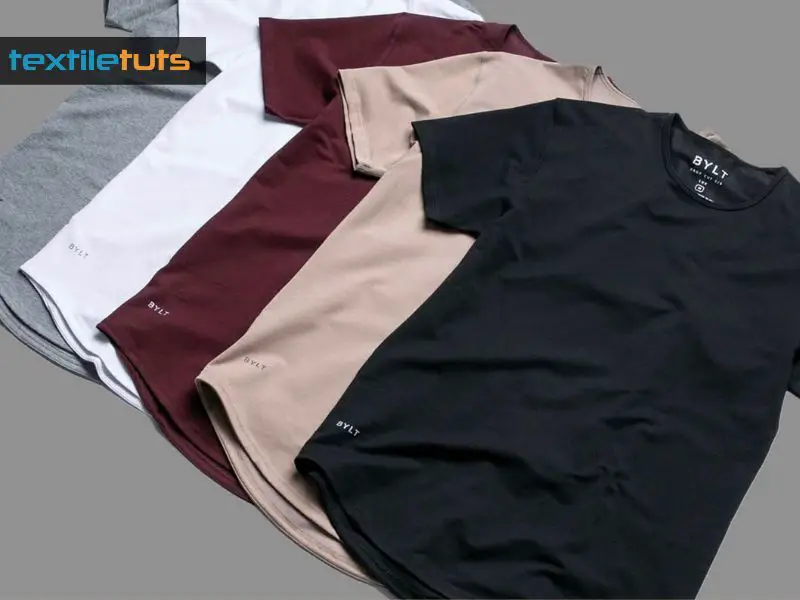
The secret lies in the premium fabric blend meticulously crafted for BYLT shirts. Comprising a precise polyester, cotton, and spandex trio, this blend delivers both comfort and resilience.
Polyester — known for its durability and resistance to shrinking — forms a robust foundation. According to textile engineering standards, polyester exhibits less than 1% shrinkage under standard washing conditions at temperatures up to 40°C (104°F). This synthetic fibre does not absorb water significantly, which contributes to its dimensional stability.
Cotton offers breathability and a soft touch, balanced with the strength of polyester to mitigate shrinkage concerns. Pure cotton can shrink 3–5% after the first wash, but in a blended fabric, the polyester matrix constrains fibre contraction. The addition of spandex contributes elasticity, ensuring the fabric retains its shape even through repeated wear and wash cycles — spandex can stretch up to five times its original length and returns to its precise dimensions after release.
Properties of BYLT Fabrics
BYLT is a brand known for producing high-quality performance fabrics for athletic and everyday wear. The fabric blend typically consists of approximately 62% polyester, 33% cotton, and 5% spandex, combining the strengths of each fibre type.
Enhanced Comfort and Fit
- Softness and Flexibility: BYLT fabrics are crafted to be exceptionally soft to the touch, enhancing overall comfort. The spandex content provides flexibility and stretch, allowing for a greater range of motion — crucial for active users or anyone seeking a comfortable, tailored fit.
- Breathability: High breathability is one of the defining features of BYLT fabrics. The cotton fibres allow air circulation while the polyester hydrophobic core wicks moisture away from the skin, keeping the wearer cool and comfortable during physical activity or in warmer climates.
Moisture-Wicking and Quick-Drying
- Moisture Management: The construction of BYLT fabrics enables the rapid transfer of moisture from the body to the fabric’s surface where it evaporates. This wicking ability helps regulate body temperature and keeps the wearer dry — ideal for workouts or hot days.
- Fast Drying Capabilities: Along with wicking moisture away from the body, BYLT fabrics dry significantly faster than pure cotton garments. Polyester’s hydrophobic nature means it absorbs less water, reducing drying time by up to 50% compared to 100% cotton fabrics.
Durability and Maintenance
- Resilience to Wear and Tear: One of the notable properties of BYLT fabric is its durability. The materials are designed to withstand frequent use and maintain their integrity over time — garments hold their shape and appearance through hundreds of wear-wash cycles.
- Easy Care: Maintenance is simplified with BYLT fabrics. They are machine-washable and wrinkle-resistant, minimising the need for ironing. The polyester content prevents the fibre puckering that causes visual wear in pure cotton garments.
Technical Innovations
- Anti-Odor Technology: Many BYLT garments incorporate technology that combats the growth of odour-causing bacteria. By inhibiting bacterial growth, the clothing remains fresher for longer periods — particularly advantageous after exercise or during travel.
- Sun Protection: Some BYLT fabrics offer built-in UPF 50+ protection against the sun’s harmful UV rays. This UPF rating blocks 98% of ultraviolet radiation, allowing the wearer to enjoy outdoor activities with enhanced safety from sun exposure.
Sustainability Considerations
- Eco-friendly Practices: BYLT is increasingly attentive to sustainability, looking for ways to reduce environmental impact. This includes considerations about the materials used, the production processes, and the lifecycle of the apparel.
- Recycled Materials: In some of their lines, BYLT incorporates recycled polyester derived from post-consumer plastic bottles. This reduces waste and virgin resource use while maintaining the fabric’s performance characteristics.
Factors That Can Cause BYLT Fabric to Shrink
Shrinkage in textiles is a measurable phenomenon governed by fibre type, temperature, and mechanical action. BYLT fabrics are designed with a precise blend of materials to resist dimensional change, but certain conditions can still cause measurable shrinkage — typically under 3% even under adverse conditions.
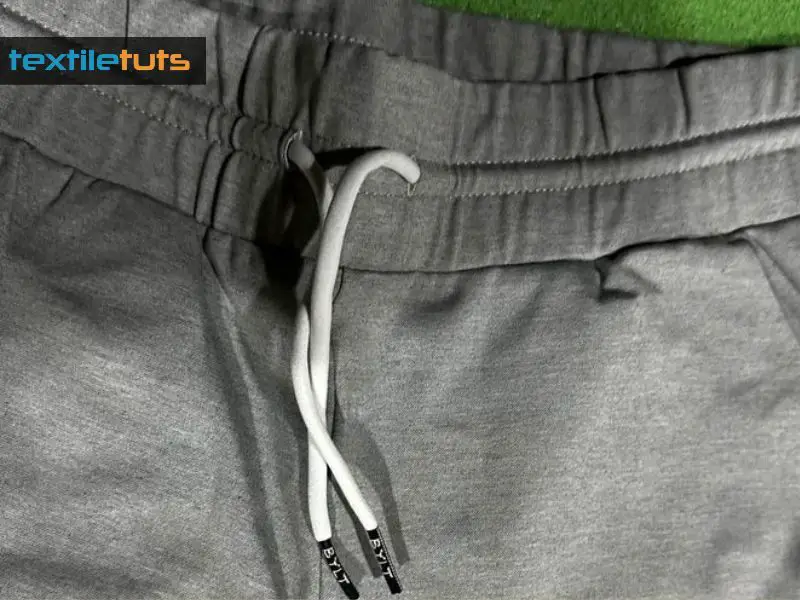
Understanding what can cause BYLT fabrics to shrink helps owners mitigate the risk and care for their clothing appropriately.
Material Composition
Different fabric materials have varying shrinkage rates. BYLT uses a blend of cotton, polyester, and spandex for their garments. The shrinkage behaviour of each fibre is well-documented in textile engineering literature:
- Cotton: This natural fibre is known for its tendency to shrink 3–5% after the first wash when exposed to temperatures above 40°C (104°F). The cotton content in BYLT’s blend is the primary shrinkage-risk component, though the polyester matrix constrains fibre contraction by holding the fabric structure in place.
- Polyester: As a synthetic fibre, polyester exhibits less than 1% shrinkage under standard washing conditions. Its high dimensional stability acts as the structural backbone of the blend, anchoring the cotton fibres and preventing them from contracting freely.
- Spandex: Spandex provides elasticity but is heat-sensitive and can lose its elastic recovery when exposed to temperatures above 120°C (248°F) in a tumble dryer. At standard wash temperatures of 30–40°C (86–104°F), spandex maintains its elastic properties without significant dimensional change.
Washing Temperature
Heat is a primary driver of shrinkage in cellulosic fibres. When BYLT garments containing cotton are washed in hot water above 40°C (104°F), the fibres may contract irreversibly.
- Hot Water (above 40°C / 104°F): Washing BYLT garments in water above 40°C (104°F) accelerates cotton fibre contraction. The industry-standard cotton shrinkage test (ASTM D2259) measures shrinkage after a 40°C wash cycle as the baseline reference point.
- Warm Water (30–40°C / 86–104°F): Washing in the 30–40°C range keeps shrinkage to a minimum for blended fabrics. This temperature range is the recommended wash setting for most performance athletic wear.
- Cold Water (below 30°C / 86°F): Cold water washing produces the least thermal stress on cotton fibres. BYLT recommends washing in cold water as the default setting for all their garments.
Drying Methods
The heat from drying significantly affects the size and shape of BYLT fabrics. Tumble drying at high temperatures is the most damaging scenario for blended fabrics containing cotton.
- Tumble Drying at High Heat: Temperatures above 60°C (140°F) in a tumble dryer can cause cotton fibres to contract further. The mechanical tumbling action combined with heat creates conditions for measurable shrinkage — the AATCC standard tumble-dry test uses a temperature of 60°C (140°F).
- Tumble Drying at Low Heat (40–50°C / 104–122°F): Low-heat tumble drying is safe for BYLT garments and produces minimal shrinkage — typically under 1% for polyester-cotton blends.
- Air Drying: Air drying on a clothesline or flat rack produces zero thermal shrinkage. This is the safest drying method for BYLT fabrics and eliminates all heat-related dimensional change.
Mechanical Action
The agitation during the wash cycle physically stresses fabric fibres. Heavy-duty wash cycles with intense mechanical action may cause fibre slippage and surface deformation, compounding any thermal shrinkage effects.
- Agitation Intensity: Heavy-duty wash cycles apply more mechanical force to fabrics, which can accelerate wear and exacerbate shrinkage in cotton-containing blends. A gentle or permanent-press cycle is preferable for BYLT clothing to minimise unnecessary stress on the fibres.
Chemical Exposure
Various laundry detergents and fabric softeners contain chemicals that may affect fabric integrity over extended use. Harsh chemicals degrade fibre strength and can accelerate the wear process that leads to dimensional change.
- Harsh Detergents: Enzymatic detergents designed for heavy-duty cleaning can degrade cotton fibres over time. These enzymes break down the cellulosic structure of cotton, weakening the fibre and making it more prone to shrinkage in subsequent washes.
- Bleach: Chlorine bleach and oxygen bleach weaken and damage cotton fibres at the molecular level, making them more prone to shrinkage. Always use mild, bleach-free detergents for BYLT garments.
Care Instructions Compliance
Each BYLT garment comes with specific care instructions designed to maintain fit and fabric integrity. Following these instructions is the most effective way to prevent shrinkage.
- Incorrect Washing: Disregarding care labels and washing BYLT fabrics in ways that deviate from the recommended settings significantly increases shrinkage risk. The care label specifies wash temperature, cycle type, and tumble-dry heat level.
- Maintenance: Proper maintenance — including correct storage techniques — affects fabric longevity and resistance to shrinkage over the garment’s lifespan.
Washing, Drying, and Care Instructions for BYLT Fabrics
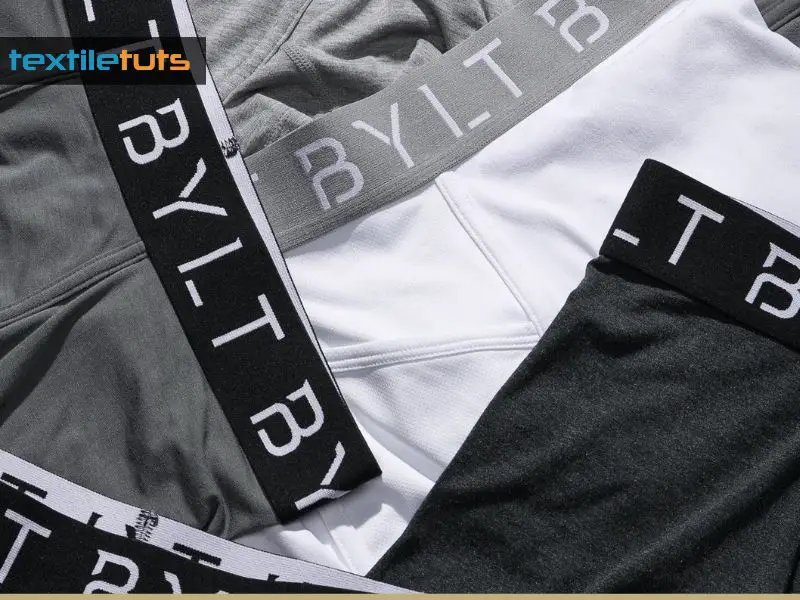
Following proper laundry practices ensures that BYLT shirts maintain their original fit and quality through hundreds of wear-wash cycles. The care instructions below are consistent with BYLT’s official recommendations for their performance blend garments.
Sort Your Laundry
Sort laundry by colour (whites, lights, and darks) and fabric type before washing. This prevents dye transfer and ensures that different fabrics receive the wash conditions best suited to them.
Use the Right Detergent
Use a mild detergent formulated for synthetic-blend or performance fabrics. Avoid bleach and fabric softeners — these chemicals break down cotton and spandex fibres over time, increasing shrinkage susceptibility and reducing garment lifespan.
Select the Correct Water Temperature
Set the wash temperature to cold (below 30°C / 86°F) as the default for BYLT garments. This temperature range minimises thermal stress on cotton fibres while still effectively cleaning the fabric. Always check the garment’s care label for the manufacturer’s specific recommendation.
Set the Washer Cycle
Choose a gentle or permanent-press cycle to minimise mechanical agitation. A gentle cycle is sufficient for removing daily wear soil and is significantly gentler on the fabric structure than a heavy-duty cycle.
Drying Instructions
- Shake Out Garments: After washing, shake out garments to remove twists and wrinkles before drying. This reduces mechanical stress during the drying process.
- Tumble Dry Low or Air Dry: Use a low-heat tumble dry setting (40–50°C / 104–122°F) if using a dryer. High heat damages spandex fibres and accelerates cotton shrinkage. Alternatively, lay garments flat to air dry or hang on a clothesline away from direct sunlight.
Avoid Over-Drying
Remove garments from the dryer while they are still slightly damp — at approximately 20–25% moisture content. Over-drying introduces unnecessary heat exposure, which stresses fibres and can lead to progressive shrinkage over multiple dry cycles.
General Care Instructions
- Promptly Address Stains: Pre-treat stains as soon as possible using a stain remover appropriate for blended performance fabrics. Removing stains before they set is significantly easier than treating set stains.
- Store with Care: Fold or hang performance garments properly to maintain shape and avoid wrinkles. Avoid wire hangers for knit fabrics — they can leave impressions or stretch the fabric.
- Repair Damage Promptly: If the fabric becomes snagged or torn, repair it quickly to prevent further damage. Small holes expand significantly if left unattended through wash cycles.
Wrap-Up
BYLT shirts exhibit minimal shrinkage — typically under 3% — when cared for according to the manufacturer’s instructions. The 62/33/5 polyester-cotton-spandex blend is specifically engineered to resist dimensional change through repeated wash and wear cycles.
Polyester provides structural stability with less than 1% shrinkage, cotton contributes breathability, and spandex ensures elastic recovery. By following the recommended washing temperature of 30°C (86°F), using a gentle cycle, tumble drying on low heat, and removing garments promptly, the original fit is preserved for the garment’s full lifespan.
A small amount of potential shrinkage — well under the 3% industry threshold — should not deter consumers from enjoying the comfort and style of BYLT shirts.
References
- Wikipedia. (2025). Polyester. Wikimedia Foundation.
- Wikipedia. (2025). Spandex. Wikimedia Foundation.
- ASTM International. (2019). ASTM D2259-02: Standard Test Method for Shrinkage of Fabrics. ASTM International.
- AATCC. (2020). AATCC Test Method 135: Dimensional Changes of Fabrics after Home Laundering. American Association of Textile Chemists and Colorists.


