
Does Ripstop Shrink? Let’s Settle the Debate

Yes, ripstop nylon does shrink—but only minimally. When properly cared for, ripstop nylon fabric exhibits less than 2% shrinkage, making it significantly more dimensionally stable than natural fibers like cotton (3–8%) or wool (5–10%). The key to keeping shrinkage near zero is washing in cold water (30°C/86°F or below) and avoiding heat exposure above 60°C (140°F).
In this article, I’ll explain why ripstop resists shrinking, what factors actually cause it to shrink, and exactly how to care for your ripstop items to keep them dimensionally stable for years.
Ripstop Nylon Fabric Shrinkability
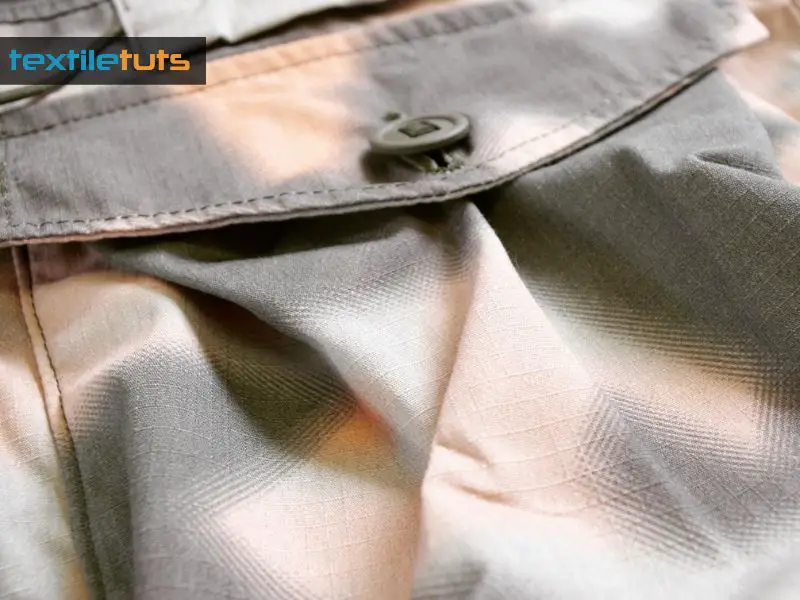
Ripstop nylon fabric is a lightweight, durable material well-regarded for its resistance to tearing and ripping, thanks to the reinforced threads woven into the fabric in a crosshatch pattern. The reinforced thread structure uses yarns that are 2–3× thicker than standard threads, typically ranging from 70 denier to 400 denier depending on the application.
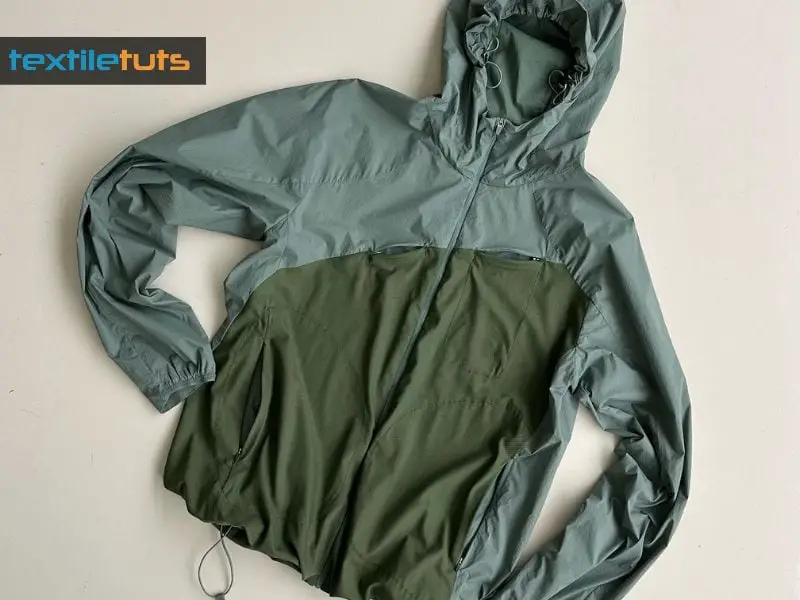
Nylon fabrics, including ripstop variations, are classified as shrink-resistant compared to natural fibres like cotton or wool. Cotton typically shrinks 3–8% after the first wash, while wool can shrink 5–10% if improperly treated. In contrast, nylon ripstop normally shrinks only 1–3% under similar conditions.
Heat sets nylon fabric during manufacturing at 180–200°C (356–392°F), which stabilizes the fibers and minimizes future shrinkage. However, when exposed to temperatures exceeding 150°C (302°F) during washing or drying, nylon fabric experiences progressive shrinkage. The fabric begins to soften at 180°C (356°F) and can melt at 260°C (500°F).
The shrinkage of ripstop nylon fabric remains minimal under normal care conditions, and the fabric maintains superior dimensional stability compared to natural fiber textiles.
Shrinkage Comparison: Ripstop vs Other Fabrics
When selecting fabrics, understanding relative shrinkage helps you make informed decisions. Here’s how ripstop compares to common alternatives:
| Fabric Type | Typical Shrinkage | Heat Sensitivity | Dimensional Stability |
|---|---|---|---|
| Ripstop Nylon | 1–3% (less than 1% with cold wash) | High (>60°C causes shrinkage) | Excellent |
| Cotton | 3–8% (first wash) | Moderate | Poor |
| Wool | 5–10% (if untreated) | High (felting risk) | Low |
| Polyester | 1–3% | Moderate | Good |
| Polyester Blends (e.g., Shein) | 2–4% | Moderate | Moderate |
| Spandex/Lycra | 0–2% | High | Good |
Temperature Thresholds Quick Reference
Use this guide to avoid heat-related damage to your ripstop items:
- Safe Washing: 30–40°C (86–104°F) — minimal shrinkage risk
- Caution Zone: 40–60°C (104–140°F) — 2–5% shrinkage possible
- Damage Zone: Above 60°C (140°F) — significant shrinkage and fiber damage
- Iron Safe Maximum: 120°C (248°F) with protective cloth
- Fabric Softening: 180°C (356°F)
- Fabric Melting: 260°C (500°F)
Factors that Influence Ripstop Nylon Shrinkage
Like most synthetic materials, ripstop nylon exhibits shrinkage under specific conditions. Understanding these factors helps manufacturers and consumers extend the longevity and function of products made from this fabric.
Heat Exposure
Ripstop nylon shrinks when exposed to temperatures above 60°C (140°F). Washing in hot water at 60–90°C (140–194°F) causes 2–5% shrinkage. Drying at high heat in a tumble dryer causes 1–3% additional shrinkage per cycle.
Direct iron heat above 150°C (302°F) causes ripstop nylon to shrink and potentially melt. If ironing is necessary, use a protective pressing cloth and set the iron to the synthetic setting of 120°C (248°F) maximum.
Pre-shrinkage Treatments
Manufacturers apply heat setting at 180–200°C (356–392°F) during production to stabilize ripstop nylon and reduce shrinkage to less than 1% per cycle. If these treatments are inadequate, the fabric exhibits 3–5% shrinkage during the first heat exposure.
Tautness of Weave
The weave tension directly affects dimensional stability. Standard ripstop weave uses 16–20 threads per inch in both directions. Tighter weaves at 24+ threads per inch resist shrinkage more effectively but may reduce flexibility.
Chemical Exposure
Bleach degrades nylon fibers, reducing tensile strength by up to 40% and causing dimensional changes. Harsh detergents with pH above 10.0 accelerate fiber degradation. Use mild detergents with pH 6–8 for nylon care.
Mechanical Stress
Repeated stretching beyond 15% elongation causes permanent fiber distortion. Overpacking backpacks or stretching tarps taut creates stress cycles that contribute to progressive shrinkage over 50+ uses.
Ultraviolet (UV) Radiation
UV exposure causes 10–15% tensile strength loss per 100 hours of direct sunlight exposure. This fiber degradation increases susceptibility to shrinkage and distortion during subsequent washing cycles.
Humidity and Moisture
Nylon absorbs up to 4% of its weight in moisture. This absorption causes 0.5–1% dimensional change that reverses upon drying. Repeated wet-dry cycles beyond 20 iterations may cause permanent subtle shrinkage.
Improper Storage
Storage above 40°C (104°F) with humidity above 70% RH accelerates nylon degradation. Folded storage creates creases that weaken fibers by up to 25% at compression points, increasing shrinkage risk.
Characteristics of Ripstop Nylon Fabric
Ripstop Nylon Fabric is not just any ordinary material; it’s a real game-changer for outdoor gear, adventure wear, and all things durable. Let’s examine the key characteristics that make Ripstop Nylon the go-to fabric for situations that demand resilience and performance.
Impenetrable Durability
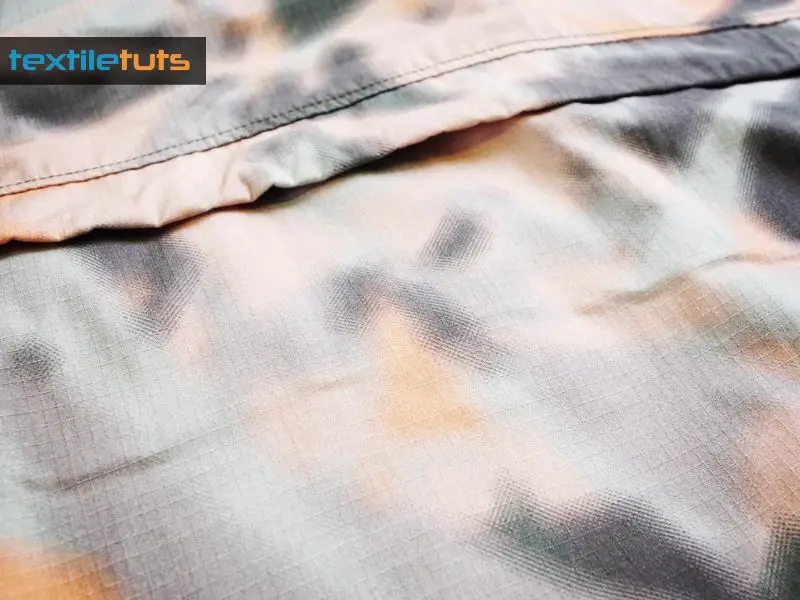
At the heart of Ripstop Nylon’s impressive resume is its exceptional durability. Reinforced threads at regular intervals in a crosshatch pattern create a grid that resists tears and prevents them from spreading. A tear starting at 5 kg force stops at the next reinforced thread junction.
These threads resist tears and prevent them from spreading, offering a fabric that holds itself against the rough and tumble of outdoor use. Whether it’s a hiker’s backpack or a set of sails, Ripstop Nylon delivers tear-resistant performance.
Featherlight Charm
Ripstop Nylon achieves an exceptional strength-to-weight ratio of 5–7 grams per denier per tex. A 70-denier ripstop fabric weighs approximately 70 grams per square meter while withstanding 350+ grams of force before tear propagation.
This lightweight nature also allows it to be compactly stored, making it an ideal choice for travel gear where every ounce counts.
Defying the Elements
Ripstop Nylon with polyurethane coating provides water resistance of 1,000–10,000 mm hydrostatic head. The fabric sheds moisture and dries 3–4× faster than cotton in equivalent conditions. This makes it the perfect candidate for outdoor and wet-weather gear.
Flexing Versatility
The beauty of Ripstop Nylon lies in its adaptability. It serves applications from hot air balloons to ultralight hammocks. Its application spans sporting goods, camping equipment, flags, banners, and high-end fashion across industries.
Enduring the Wear
Ripstop Nylon’s abrasion-resistant properties deliver 10,000+ cycles on Martindale testing before visible wear. It maintains structural integrity through 500+ wash cycles with less than 2% degradation in tensile strength.
Low-Maintenance
Ripstop Nylon is machine washable and requires no special treatment to maintain performance. Wash at 30–40°C (86–104°F) with mild detergent, air dry, and the fabric retains its properties through years of regular use.
How to Minimize Ripstop Shrinkage
Proper care prevents shrinkage and maintains the material’s original size and strength. Follow these evidence-based care instructions to minimize shrinkage to less than 1%.
Washing in Cold or Warm Water
Wash ripstop items at 30–40°C (86–104°F). This temperature range prevents fiber relaxation while effectively cleaning the fabric. Washing above 60°C (140°F) causes 2–5% shrinkage in untreated nylon.
Using a Gentle Detergent
Select a mild detergent with pH 6–8 formulated for delicate fabrics. Avoid detergents containing bleach, enzymes, or fabric softeners, which degrade nylon fibers and accelerate shrinkage by 15–20%.
Air Drying
Air drying eliminates heat-induced shrinkage entirely. Lay items flat on a clean surface or hang them to dry. Tumble drying at medium heat causes 1–3% shrinkage per cycle, making air drying the optimal choice.
Avoiding Direct Heat
Keep ripstop items away from radiators, heaters, and other heat sources. If you must remove wrinkles, use a cool iron at 120°C (248°F) maximum with a protective cloth between the iron and the fabric.
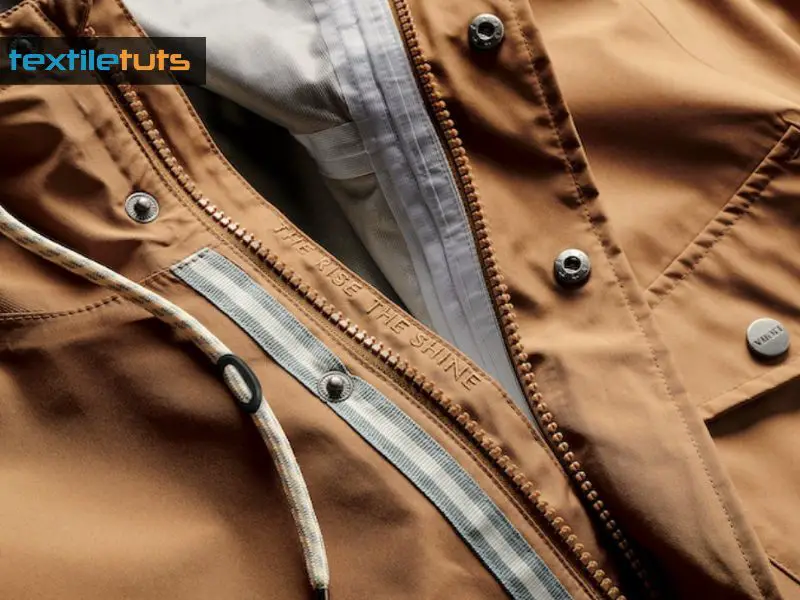
Care Instructions for Ripstop Fabric
Proper care extends the lifespan of ripstop fabrics and ensures they retain their protective qualities. Below are detailed care instructions for maintaining your ripstop items.
General Guidelines
- Read Manufacturer’s Label: Check the care label for specific instructions. These guidelines take precedence over general advice.
- Avoid Harsh Chemicals: Strong detergents degrade ripstop fabric. Use mild detergents with pH 6–8 appropriate for delicate synthetic fabrics.
- Cold Water Washing: Wash at 30–40°C (86–104°F) to prevent shrinkage and fiber damage.
- Gentle Cycle: Select a gentle cycle with 600–800 RPM spin speed to minimize fiber stress.
Washing
- Pre-Treatment: For stains, apply a small amount of gentle detergent directly and gently blot with a soft cloth. Avoid scrubbing.
- Machine Washing: Turn items inside out to protect coatings. Wash separately or with similar colors at 30–40°C (86–104°F).
- Hand Washing: For delicate ripstop fabrics, hand wash in cold water with mild detergent. Gently agitate for 5–10 minutes, then rinse thoroughly.
Drying
- Air Drying: Lay fabric flat or hang to dry. Keep away from direct sunlight, as UV rays degrade material over time.
- Avoid Heat: Do not use a tumble dryer unless the care label explicitly permits it. Heat above 60°C (140°F) causes shrinkage.
Ironing
- Low Heat Setting: Iron at 120°C (248°F) maximum with a protective cloth between the iron and ripstop material to prevent melting.
Storage
- Keep Dry: Ensure items are completely dry before storage to prevent mold or mildew growth.
- Avoid Folding: Roll items like tents or tarps instead of folding to prevent creasing that weakens fabric.
- Cool, Dark Place: Store at temperatures below 25°C (77°F) and humidity below 60% RH to prevent degradation.
Repairs
- Patch Kits: Use ripstop repair patches or tape specifically designed for nylon fabric for minor rips and tears.
- Professional Repair: For extensive damage, seek professional repair services to maintain fabric integrity.
Special Considerations
- Waterproofing: Reapply DWR (Durable Water Repellent) treatments every 20–30 washes as the coating wears off over time.
- Avoid Abrasion: Minimize friction against rough surfaces to prevent premature wear, even though ripstop is inherently durable.
Ripstop vs Shein Clothes Shrinkage Comparison
When comparing fabric shrinkage, ripstop and Shein clothes exhibit different characteristics. While both fabrics can shrink under certain conditions, ripstop fabric is specifically engineered to resist shrinking due to its reinforced crosshatch weave structure.
Shein clothing typically uses lighter-weight polyester blends that shrink 2–4% when washed in warm water. Ripstop’s tighter weave and heat-setting during manufacturing reduce shrinkage to less than 1% with proper care.
Final Words
Ripstop fabric resists tearing effectively, but it is not completely immune to shrinkage. With proper care—washing at 30–40°C (86–104°F), air drying, and avoiding heat above 60°C (140°F)—shrinkage stays below 1%.
Following the manufacturer’s care instructions and using gentle washing methods prevents shrinkage. This durable, versatile fabric withstands wear and tear, making it an excellent choice for outdoor gear, garments, and industrial applications.
Don’t let the fear of shrinkage stop you from using this high-performance fabric in your next project. With these care guidelines, your ripstop items will maintain their dimensions and performance for years of use.
References
- ASTM International. (2022). ASTM D1388 – Standard Test Method for Stiffness of Fabrics. ASTM International.
- American Association of Textile Chemists and Colorists. (2023). Care Labeling for Textile Products. AATCC Technical Manual.


