
Can You Dye Jute With Rit Dye

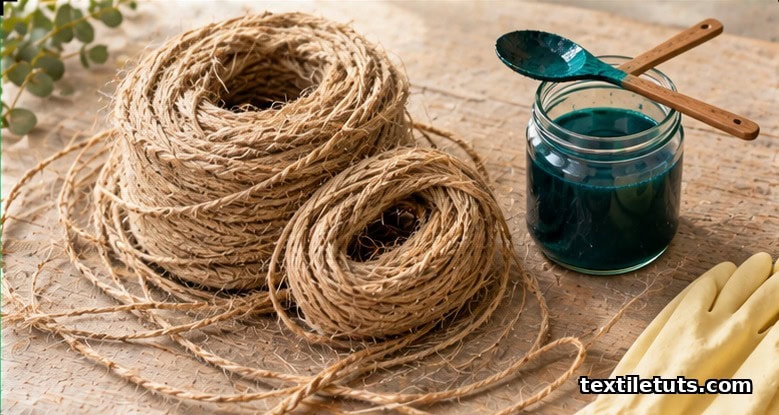
Dyeing jute could add a refreshing pop of color to the natural fiber, but can you use a popular substance like Rit dye? Let’s delve into this.
Yes, you can dye jute with Rit dye. The richly pigmented nature of Rit dye is highly compatible with the rugged and absorbent texture of jute. This blend ensures that the dye penetrates well, providing a long-lasting and vibrant result.
Read on to discover the steps involved in dyeing jute with Rit dye and useful tips to get the best results!
Coloring with Character: A Rundown on Jute
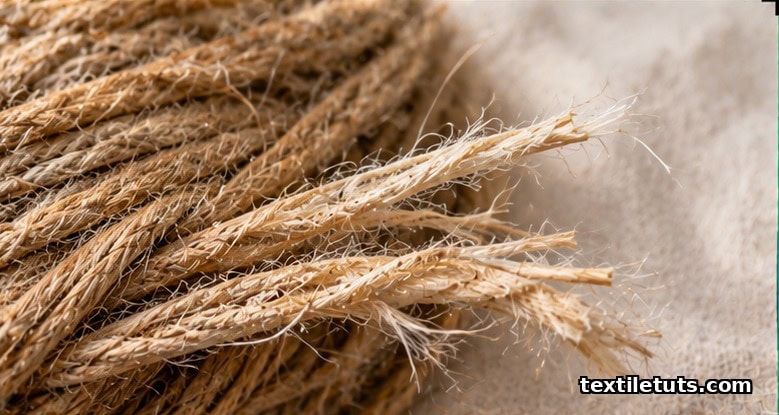
Jute is a long, soft, shiny vegetable fiber that can be spun into coarse, strong threads. It is produced primarily from plants in the genus Corchorus, which was once classified with the family Tiliaceae. The name ‘jute’ is derived from the plants’ vernacular or local name in Bengal, the Juṭ. From packaging to the fashion industry, jute makes an impressive tagline of its versatility, strength, and affordability.
Tying it on: History and Uses of Jute
The history of jute dates back to thousands of years. Archaeological evidence found in ancient Egypt reveals jute fibers were used in the construction of tombs as it symbolized the tree of life. The usage of jute evolved over years and spread globally. From being used in ropes and sacks to weaving floor carpets, jute established its utility in an array of applications. Eventually, with the advent of technology, jute got diversified usage in geotextiles, composites, and decorative articles.
Go Natural: Why Jute in Craft and Decor
Being a natural fiber, jute shares an amazing compatibility with the environment. It’s inherently biodegradable, recyclable, and does not contribute to microfiber pollution. Moreover, jute manufacturing is a low energy consuming process, creating less carbon footprint compared to synthetic counterparts.
Today, jute goods are renowned for their popularity in home decoration and landscaping. The rustic appeal of jute enhances the aesthetics and brings a touch of eco-friendly elegance. From wall hangings to lampshades, rugs, furniture, and even in the construction of birdhouses, jute finds its artistic expression.
A Rug’s Life: The Fascinating Construction of Jute
One of the popular items made from jute is rugs. The jute rug manufacturing process entails intertwining and weaving thousands of jute fibers together. Making of a basic jute rug involves steps like raw jute processing, spinning, weaving, and finishing with a lot of detailing. The output is a sturdy, well-textured rug with a natural and earthy appeal.
Jute rugs are praised for their durability, the feeling of warmth they bring to a space, and the organic vibe they exude. They’re a favorite choice for heavily treaded spaces like entryways, dining rooms, and kitchens. Not just for their durability but also for their easy maintenance and charm.
Messing with Magic: An Introduction to Rit Dye
Before diving deep into the fascinating world of dyeing jute with temperamental Rit Dye, let’s first uncover what Rit Dye is and why it’s so popular amongst crafters and DIY enthusiasts.
A Rainbow in a Bottle: What Is Rit Dye?
Rit Dye is a renowned brand of fabric dye that has been around since the early 20th century. This magic in a bottle is water-based dye often used for dyeing an array of varieties of fibers, from cotton to rayon to nylon and everything in between.
One of the distinctive things about Rit Dye is its versatility. Not only is it applicable to different kinds of fabric, but it also works well with textures such as feather, paper, and interestingly enough – jute. Jute, with its unique porous nature, absorbs the dye beautifully, resulting in a rich and vibrant color that instantly elevates its dull, brownish original appearance.
Color Kaleidoscope: The Range of Rit Dye
As you’re exploring the way of dyeing jute, you’ll stumble upon a vibrant kaleidoscope of color within the Rit Dye range. This rainbow of options allures the creativity in you and encourages endless possibilities of customizations.
Classic Collections: The Basic Palette
In its basic palette, Rit Dye offers around 35 standard colors. These hues are everything from your simple and clean shades like Teal and Scarlet Red to more complex and deep tones like Wine and Dark Green.
Sky’s the Limit: Mixing to Make Custom Colors
The sheer beauty of Rit Dye doesn’t stop at the basic palette. The sky’s the limit when it comes to creating custom colors. The brand offers a comprehensive color formula guide, allowing you to mix and match the basic colors to produce thousands of unique shades that align with your vision.
For instance, you can create a soft, pastel pink by mixing a small amount of Scarlet Red with a lot more of Petal Pink. Or you can achieve a deep, lavish purple by combining two parts of the basic colors – Wine and Navy Blue.
Remember, the trick with every dye job, especially while using multiple colors or trying to achieve a precise shade, is to experiment and take notes of the proportions for future use. Now, with all these beautiful shades at your command, imagine the endless possibilities of dyeing jute in any color to suit your creative project, be it a rustic rug, a chic tote bag or a stylish wall hanging!
Jute Meets Dye: The Science Behind the Process
Jute, a natural bast fiber, has been notoriously challenging to dye for a variety of reasons. This section aims to shed light on the composition of jute and how it interacts with Rit Dye, a widely popular and accessible dye.
Stubborn Starlet: Why Jute is Difficult to Dye
Jute’s physical structure and absorption properties make it a stubborn starlet when it comes to capturing vibrant, lasting colors.
Jute Fiber: All About Its Physical Structure
Jute fibers, due to their specific physical structure, tend to resist dye adhesion. This dye resistance is primarily due to the fiber’s specific cellular configuration, and lignin and hemicellulose content.
Jute fibers consist of bundles of cells held together by natural gums, with the outer layer being super hydrophobic (water repelling) and the inner core being less resistant to water. This dual nature of the fiber affects the dye uptake.
In addition, the presence of lignin (a complex organic polymer) contributes to jute’s sturdiness but also to its relative inability to retain dye. It also contains hemicellulose, a component responsible for the fiber’s rigidity but acts as a barrier to color penetration.
Sink or Swim: Jute’s Absorption Properties
Jute’s ability to absorb liquid is another significant factor that influences its dyeability. Water absorption in jute fibers is primarily concentrated in their cellular cavities and capillaries. However, jute’s absorption properties are inconsistent, hampering the infusion and retention of pigments.
A Match Made in Heaven: How Rit Dye Works with Jute
Given these challenges, you might be wondering if it’s even possible to dye jute. The answer is yes, it is possible, especially when using something as potent and versatile as Rit Dye.
Rit Dye is a go-to option for many because of its wide color range and easy application process. It is a multipurpose dye, meaning it is suitable for a variety of materials, including stubborn fibers like jute.
Rit dye works with jute because it is a “hot water dye,” which means it requires boiling water for application. The high temperature opens up the fiber’s structure further, allowing the dye to penetrate more deeply.
Applying the dye uniformly, soaking the jute in hot Rit Dye for an extended period, and stirring occasionally can ensure the best results. However, due to the variables mentioned earlier, the end result may not always be a vibrant and evenly dyed jute fabric.
The DIY Club: How to Dye Jute with Rit Dye
If you’re looking for a creative project, you may have stumbled upon the idea of dyeing jute. Yes, it’s possible! And yes, you can use rit dye! This DIY guide will walk you through the process of how to dye jute with rit dye. So let’s get our hands a little colorful.
Prepare for Take-Off: Gathering Your Tools
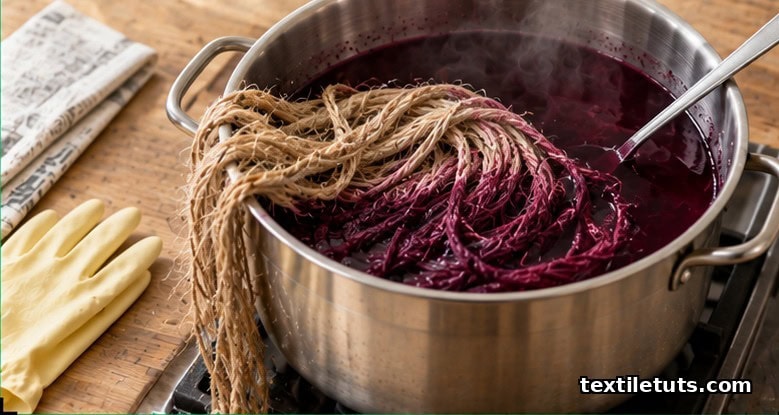
Before you start, make sure you have all the necessary tools on hand. Pre-planning and getting your tools would make the process much smoother.
What you’ll need:
- Rit Dye
- Jute material that you wish to dye
- A large stainless-steel bucket or pot
- Long-handled stainless-steel spoon
- Rubber gloves
- Plastic cover or old newspapers to protect your work surface
- Warm water
Color Your World: Step by Step Guide
Once you have all your tools together, you can get started with the actual dyeing process.
Saturate and Soak: The Initial Steps
Fill your bucket or pot with enough warm water to fully submerge your jute. Put your gloves on, add the rit dye to the water, and stir it well with the spoon until the dye is fully dissolved. Dip the jute material in the dye solution. Make sure it’s fully submerged and soaked evenly.
Rinse and Repeat: Finishing Up
Let the jute soak in the dye for the recommended amount of time suggested on the rit dye packaging (typically, this is 30 minutes to an hour, depending on how vibrant you want the color).
After the dyeing process is complete, rinse your jute under cold water until the water runs clear, indicating that excess dye has been removed. Next, allow your newly dyed jute to dry completely before using. This can be done by hanging it up or laying it flat on a clean towel.
Dyeing jute with rit dye can be a fun and creative project to embark upon. Just remember to follow the steps carefully and ensure to clean up after to prevent any stains on your work surface.
Tips and Tricks for Mastering the Dyeing Process
Dyeing jute with Rit dye is a straightforward process, but it’s essential to know some tips and tricks to master the process. These tips will help ensure that the dye mixes well with the fibres in the jute, resulting in a more vibrant and lasting colour.
Preparation is Key
Before starting, make sure your jute is clean and free of any debris or oils. This can be done by washing it with a mild soap and warm water. Once clean, jute needs to be completely soaked in warm water. This helps the fibers absorb the dye more evenly. Do not wring the jute; rather, remove excess water by gently squeezing.
Use Enough Dye
Make sure to use enough dye for the amount of jute you are dyeing. As a rule of thumb, one bottle of Rit dye will colour up to two pounds of fabric. However, keep in mind that jute being a natural and dense fibre, might require more dye than usual to attain desired shade. A good practice would be to start with the recommended amount and add more dye if necessary.
Dye at Appropriate Temperature
Rit dye works best with hot water, ideally between 140°F – 160°F (60°C – 71°C). If the dye water isn’t hot enough, the dye won’t bond well with the jute, and the colour could be dull or fade over time.
Stir Regularly
While the jute is in the dye bath, stir it regularly to ensure that the dye distributes evenly throughout the jute.
Rinse and Dry Thoroughly
After dyeing the jute, rinse it under cold water until the water runs clear. This is done mainly to remove any excess dye. Next, allow the jute to dry thoroughly, preferably in a well-ventilated area or outdoors, but out of direct sunlight to avoid bleaching.
Use a Fixative
For longer lasting color, you can use a fixative or a dye fixer after the dyeing process. This is typically applied after the dye is rinsed out and before the final laundering. This harsh chemical changes the structure of the dye and binds it to the fabric. Follow all safety instructions, as these chemicals can be harmful.
Remember, dyeing jute can be a creative and fun process. So don’t be afraid to experiment with different shades and techniques. Happy dyeing!
Show and Tell: Real Life Applications and Projects
Dyeing jute with Rit Dye is not only possible, but it’s also a fun and creative project. The natural, rustic characteristics of jute make it a unique canvas for decoration. Whether you’re looking to create vibrant rugs, bright twines, or other decorative items, adding color to your jute can completely transform its appearance. Let’s explore a few real-life applications and projects.
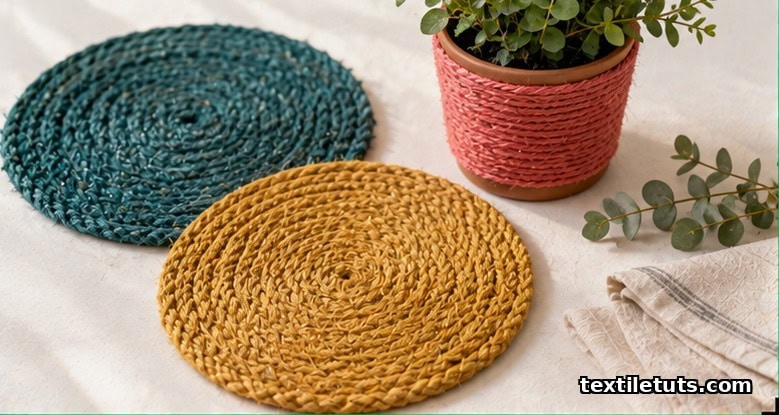
One innovative way to use dyed jute is by creating colorful kitchen placemats. Using a combination of natural and dyed jute, you can weave together placemats that are not only functional but also bring a pop of color to your dining table. Different color combinations can be used to match the decor for various seasons or holidays, creating a versatile, cost-effective décor option.
Project 1: Colorful Kitchen Placemats
Materials Required:
- Jute twine
- Rit Dye in desired colors
- Plastic containers for dyeing
- Rubber gloves
- Weaving loom
Procedure:
- Submerge the jute twine in Rit Dye following the instructions on the dye package and allow it to absorb the color for an hour.
- Rinse the dyed jute and let it dry completely before using it in your weaving project.
- Set up your loom and start weaving the jute to create your placemat, mixing in natural and dyed jute twine to create your desired pattern.
Another fascinating project is creating customized jute-wrapped flower pots. This project involves wrapping dyed jute around plain terracotta pots, adding a splash of color, and a uniquely textured, handcrafted feel to your indoor or outdoor garden.
Project 2: Customized Jute-Wrapped Flower Pots
Materials Required:
- Jute twine
- Rit Dye in desired colors
- Plastic containers for dyeing
- Rubber gloves
- Terracotta pots
- Glue
Procedure:
- Dye the jute twine in your chosen Rit Dye color.
- Once dried, apply glue to the terracotta pot and start wrapping the dyed jute around it.
- Continue wrapping until the entire pot is covered, cutting the jute and securing the end with glue.
The above are just a couple of numerous innovative ways you can use dyed jute for DIY projects at home. Get your Rit Dye and jute and start coloring your space with your creativity.
Currently Trending: How Dyeing Jute Can Transform Your Space
One of the current trends that’s sweeping the home décor scene is the use of jute materials. Adding color to this versatile fabric through dyeing can dramatically shape the visual design of your space. But the question is, can jute be dyed with Rit Dye? And how does this process work? Let’s find out!
Jute, a long, soft, and shiny vegetable fiber that can be spun into coarse, strong threads, is a highly versatile material. It’s used in a wide range of products, from furniture to rugs, due to its durability and natural appearance. But as much as we love its rustic look, experimenting with colors can enhance its appeal. Enter Rit Dye, a popular all-purpose dye that’s been on the market since the early 20th century. With its wide range of vibrant colors and user-friendly application, it’s easy to see why it’s a go-to for many DIY enthusiasts.
So, can you dye jute with Rit Dye? The answer is a resounding yes! However, the results may vary depending on the type, quality, and color of the jute you’re working with. Here’s a step-by-step guide on how to do it:
- Select the color of Rit Dye you wish to use.
- Soak the jute in warm water for about half an hour to open up the fibers.
- In a large container, prepare the Rit Dye solution as directed on the package.
- Dip your damp jute into the dye bath. The longer you let it soak, the deeper the color will be.
- Rinse thoroughly until the water runs clear, then let it dry completely before using.
With careful execution, you can create a beautiful, customized piece that can be the centerpiece of any space. However, keep in mind that Rit Dye is not colorfast. This means the color may fade over time or when exposed to sunlight. Also, any dyed jute material should be handled carefully as the color may bleed when it gets wet.
Dyeing jute with Rit Dye is a fun and effective way to enhance the aesthetic appeal of this natural fiber. Whether you’re updating your homewares or creating a standout piece, the possibilities are endless when you blend the rustic charm of jute with the vibrant hues of Rit Dye.


