
Can You Dye Sunbrella Fabric

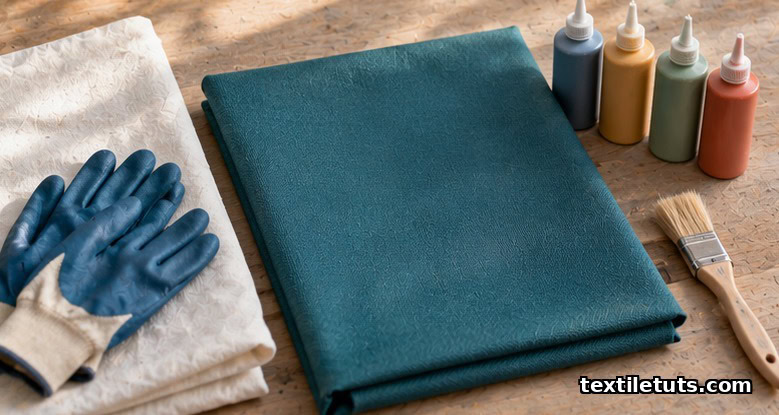
Color plays an essential role in our surroundings, but when it comes to sunbrella fabric, many wonder about its color-changing capabilities. Can you dye sunbrella fabric?
Technically, you can dye sunbrella fabric, but it’s not recommended. Sunbrella is solution-dyed, which means the color is embedded into the fibers. That makes it resistant to fading and discoloration. So, while you might be able to dye it, the added color probably won’t stick or may produce unintended results.
Keep reading to explore more about sunbrella fabric, its unique properties and capabilities, and why it might not be the best material for dyeing.
Demystifying Sunbrella Fabric: What is it?
Sunbrella fabric, known for its superior outdoor durability and resistance to weather elements, has been a popular choice among homeowners and designers alike. But, to better understand Sunbrella fabric and its properties, it’s important to dive into its origins and unique characteristics.
A Quick Dive into the History of Sunbrella Fabric
The journey of Sunbrella fabric began in the 1960s when the Glen Raven Company introduced it as an alternative to cotton for outdoor awnings. What set this fabric apart was its unprecedented durability, color-fastness and its ability to resist mildew and atmospheric chemicals. Over the years, the uses of Sunbrella have greatly expanded to include indoor and outdoor furniture, boat covers, and even clothing.
The Unique Attributes Making Sunbrella Fabric Stand Out
Sunbrella fabric owes its popularity to a number of unique attributes that make it superior to conventional fabrics. These characteristics include outstanding color retention and high degree of durability.
Color Retention: Is Sunbrella Fabric Color-Fast?
Yes, Sunbrella fabric is color-fast, thanks to the solution-dye process used for coloring its fibers. Unlike regular dyes that only coat the surface, solution-dying permeates the entire fiber with color, resulting in a fabric that resists fading from sun, rain, or even cleaning with bleach. This makes Sunbrella fabric a long-lasting colorful choice for outdoor applications.
Material Durability: Can Sunbrella Fabric Stand the Test of Time?
The impressive durability of Sunbrella fabric isn’t just in terms of color. The fabric itself is designed and woven to withstand severe weather conditions, including rain, sun and snow. Made entirely of synthetic fibers, Sunbrella fabric doesn’t rot or degrade in harsh conditions, unlike natural fibers such as cotton or wool. Even with regular use, Sunbrella continues to retain its strength and quality, making it a cost-effective choice in the long run.
Moreover, Sunbrella fabric is treated during manufacturing with a proprietary formula that enhances its resistance to mildew, stains and atmospheric chemicals. This makes it even more durable and easier to maintain.
Answering the Million Dollar Question: Can You Dye Sunbrella Fabric?
The question of whether you can dye Sunbrella fabric is a common one among DIY enthusiasts and even experts in the textile and home improvement industry. To answer it precisely, it is technically possible to dye Sunbrella fabric, but it isn’t recommendable. This conclusion stems from the unique properties and manufacturing process of Sunbrella fabric.
Sunbrella fabric is a high-performance outdoor material made of 100% solution-dyed acrylic. This dyeing process occurs during the manufacturing stage, where color is added during the creation of the fiber. As a result, Sunbrella fabric boasts an impressive colorfastness, resilience to fading from the sunlight, and resistance to mold, mildew, and staining.
Exploring the Process of Dyeing Sunbrella Fabric
Despite Sunbrella’s impressive color durability, one might still want to alter its color for various reasons. Although the fabric is inherently dyed, it’s not categorically impossible to dye it. However, it’s worth noting that the process tends to be intricate and often yields unpredictable results. Results may not always meet your exact color expectations, and the new color may likely fade faster since the dyeing isn’t done at the fiber level.
Generally, the process entails:
- Soaking the Sunbrella fabric in warm water.
- Mixing the dye according to the manufacturer’s instructions, ensuring it’s compatible with synthetic fabrics like acrylic.
- Placing the fabric in the dye bath and stirring it for uniform color absorption.
- Rinsing the dyed fabric in warm water to remove any excess dye.
- Allowing the fabric to dry naturally. Avoiding high heat is crucial because it can cause the new color to fade rapidly.
While attempting these steps, remember that dying Sunbrella fabric comes with challenges and potential drawbacks. Because Sunbrella fabric is made to resist color change and absorption, it’s relatively resistant to reactive or direct dyes, which are commonly used for home projects.
If you’re seeking a change in your Sunbrella fabric color, the most advisable route would be to contact a professional textile dye house or invest in new Sunbrella fabric in the color you prefer. Keep in mind the fabric’s long lifespan — the initial investment in this high-quality material often pays off over time.
A Step-by-step Guide to Dyeing Sunbrella Fabric
Sunbrella fabric is known for its colorfastness, meaning it has a high resistance to fading. However, if you desire a fresh look or want to rejuvenate faded colors, you can indeed dye Sunbrella. Here’s a step-by-step guide to help you through the process.
Selecting the Right Dye
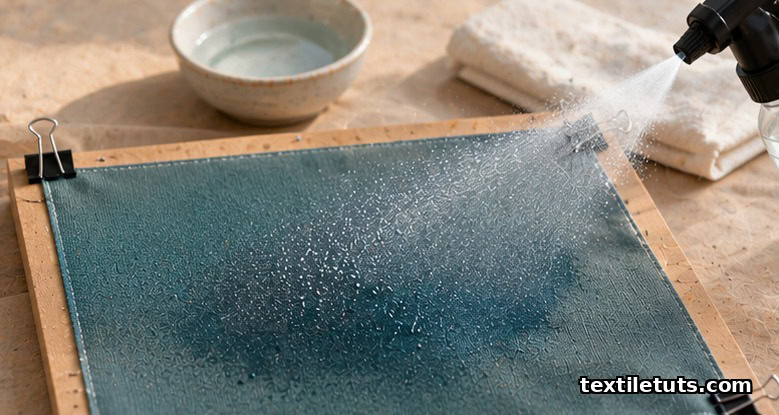
When it comes to dyeing Sunbrella, you want a dye that is suitable for synthetic fabrics, as Sunbrella is made of 100% solution-dyed acrylic. Generally, an indoor/outdoor fabric spray is recommended, as it can better penetrate the fabric. Brands like Simply Spray and Rust-Oleum make suitable options. Always ensure the product’s safety by wearing protective gear, such as plastic gloves and eye protection.
Prepping the Fabric for Coloration Preparation
First, make sure the fabric is clean and free of any dirt or grime. Run a vacuum cleaner over the fabric to remove loose debris. Then, use a mild detergent solution with a soft bristle brush and scrub the fabric, rinse with water, and allow it to fully dry before starting the dyeing process.
Executing the Dyeing Process
To dye Sunbrella, work in a well-ventilated area and place a drop cloth or plastic sheeting beneath the fabric to prevent staining other surfaces. Shake the fabric spray can for about 1 minute and hold it 6-8 inches away from the fabric surface. Apply the spray in a sweeping motion, ensuring the coating is even. Apply numerous light coats rather than a single heavy coat to prevent dripping. Light coats also help maintain the fabric’s breathability. Allow at least 30 minutes of drying time between each application.
Cleaning Up: Post-Dyeing Procedure
After the final application, let the fabric dry completely. This might take 24 to 72 hours, depending on the local humidity level. Rinse your gloves and other tools with warm soapy water to remove the remnants of dye. Remember, it’s easier to remove fresh dye compared to dried ones. Once the fabric has fully dried, execute a clean water rinse to remove any excess dye. This will help prevent any color from possibly transferring onto other surfaces.
Important note: It is always advisable to test the spray dye on a small, inconspicuous area of the fabric before applying it to the entire surface. The end result can sometimes differ from the color shown on the canister due to underlying fabric color, texture, or material differences.
Tripping Over Traps: Common Mistakes in Dyeing Sunbrella Fabric
Dyeing Sunbrella fabric can be quite a challenging task and even more so when you make mistakes that could’ve been avoided. Here are some common traps that many stumble on when it comes to dyeing this unique fabric:
1. Ignoring the Fabric’s Resistance to Dye
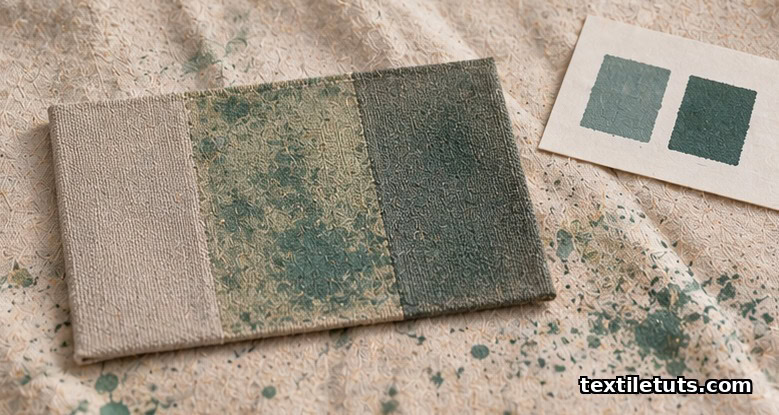
Known for its color retention, Sunbrella fabric is highly resistant to fading, making it difficult to dye. Most are designed to maintain their hue even when exposed to sunlight and cleaned with bleach. Therefore, while it’s possible to dye this fabric, the outcome may not be exactly what you expect.
2. Not Performing a Colorfastness Test
Another common mistake is not performing a colorfastness test before starting the dyeing process. This test helps verify how well the dye will stick to the fabric and whether it would withstand subsequent cleaning and exposure to different elements. Foregoing this test could lead to disappointing results.
3. Using the Wrong Dye and Technique
Not all dyes are created equal, and the same goes for dyeing techniques. For Sunbrella fabric, a disperse dye, which is designed for synthetic fibers, is recommended. Given the fabric’s resistant nature, a heat setting is also necessary to help the dye properly penetrate the fibers.
4. Skipping Pre- and Post-Dyeing Care
Sunbrella fabric requires specific care before and after dyeing to ensure optimal results. Pre-washing the fabric can help remove any finishes, oils, or dirt that could hinder the dyeing process. Post-dyeing care, such as thorough rinsing and gentle drying, is essential to prevent dye bleeding and ensure colorfastness.
These are common traps people fall into when dyeing Sunbrella fabric. Learning about them can help avoid unnecessary hurdles in your dyeing venture and produce more satisfactory results. Always remember each fabric is unique and may require distinct care and techniques to dye successfully.
Expert Take: Professional Opinions on Dyeing Sunbrella Fabric
Many fabric and craft enthusiasts ask whether it is possible to dye Sunbrella fabric to change or refresh its color. To answer this question, we’ve asked a few fabric experts to provide their professional opinion.
Well, generally speaking, experts’ opinions are mixed regarding the dyeing of Sunbrella fabric. One of the primary reasons for this is the nature of Sunbrella fabric itself. This type of fabric is solution-dyed: this means the color is added during the manufacturing process when the acrylic fibers are still in a liquid state. This leads to fully saturated color throughout the material, resulting in a highly fade-resistant, bleach-cleanable fabric.
Do’s and Don’ts from Fabric Experts:
- Do: Try sun-bleaching. If the original color has faded, it’s possible to even out the color by placing the fabric in the sun for equal periods of time.
- Do: Use fabric paint. Instead of trying to dye the fabric, some experts suggest using fabric paint for smaller designs or patterns.
- Do: Conduct a small patch test. If you’re still determined to try dyeing the fabric, always do a patch test first to avoid potentially ruining the piece.
And, of course, here are some key ‘don’ts’ that they caution against:
- Don’t: Expect perfect results. Due to the nature of Sunbrella fabric, it’s difficult to dye it evenly. The dye often appears patchy and the original color may still show through.
- Don’t: Use regular dye. Some experts state that regular fabric dyes just won’t take to Sunbrella fabric because it’s designed to be highly colorfast.
- Don’t: Ignore the care instructions. Sunbrella fabric is bleach-cleanable, meaning harsh chemicals won’t damage it – but always follow care instructions to maintain the fabric’s durability.
While it’s not explicitly impossible to dye Sunbrella fabric, the consensus among fabric professionals seems to be that it’s a challenging endeavour potentially leading to uneven results. If you’re considering this, ensure to follow the suggestions and cautions above to achieve the best possible outcome.
Alternative Ways to Revamp Your Sunbrella Fabric
While it is true that Sunbrella fabric doesn’t lend itself well to traditional dyeing processes due to its water and fade-resistant properties, don’t let that dampen your creative spirit. There are indeed alternative ways to revamp and breathe new life into your Sunbrella items that need a renovation. Here are a couple of methods you may consider experimenting with:
Experimenting with Fabric Paint
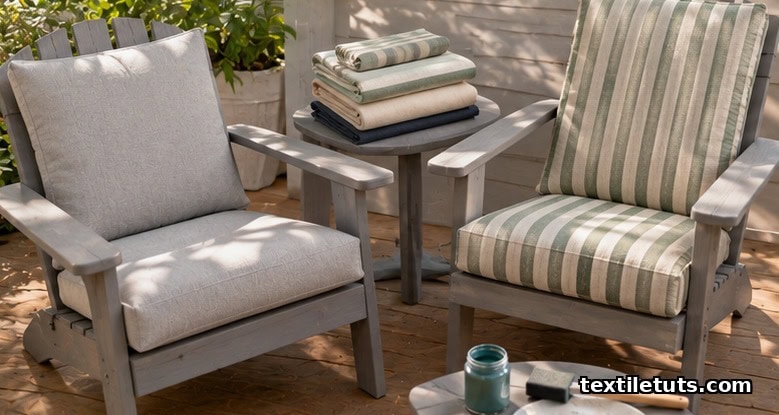
One of the effective ways to alter the color of your Sunbrella fabric is by using fabric paints. This is an especially excellent choice if you’re interested in adding detailed designs, patterns, or bold prints. This approach allows you to exercise your creativity and easily modify your Sunbrella elements to align with changing seasonal themes or taste.
The procedure involves cleaning the fabric, laying it flat, applying the paint, and leaving it to dry. To ensure that the paint properly sticks to the fabric, it’s crucial to pick paints that are specifically designed for outdoor fabrics. Some of the renowned brands include DecoArt SoSoft Fabric Paints, Craft Smart, and Folk Art. These are known for their excellent adhesion to fabric and their durability, even under harsh weather conditions.
Investing in Slipcovers: An Easy Change of Scenery
If painting seems too much of a task, or you desire a quick and convenient change, investing in slipcovers is a fantastic option. Sunbrella slipcovers serve as an easy way to completely transform the look of your furniture without the need for any painting or dyeing.
They come in various colors, patterns, and designs, allowing you to change your décor as often as you like with minimal effort. This method works great for both indoor and outdoor furniture, providing a new look while maintaining the high-quality weather resistance that Sunbrella is famous for.
The slipcovers can easily be swapped out depending on the season, your mood, or the décor theme. Therefore, you have limitless opportunities to modify the appearance of your Sunbrella fabric-covered items without engaging in complex dyeing processes.


