
CATEGORY HUB · 59 ARTICLES
Spinning
Yarn formation from fiber to bobbin
Ring, rotor, air-jet, vortex, compact - every spinning system used in modern mills, with the process variables, quality parameters, and economics that drive each choice.
01
Essential reading
Start here. The most important articles that explain the category to a textile engineer in one sitting.
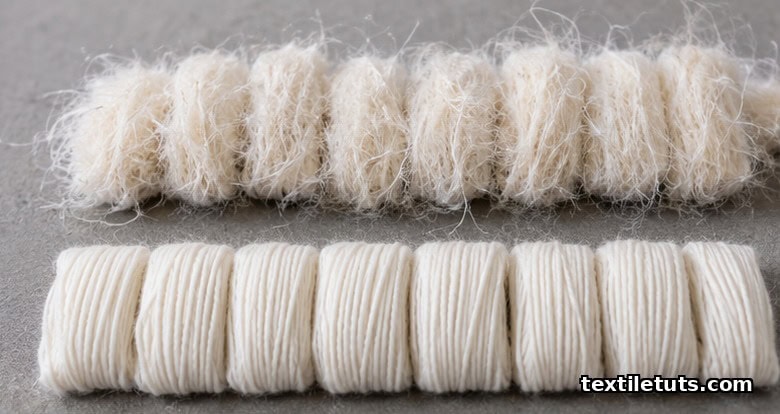
Spinning
Comber vs Carder: Role in Yarn Quality
Combed cotton yarn removes 10 to 25 percent of short fibers (those shorter than 12.7...
Read article →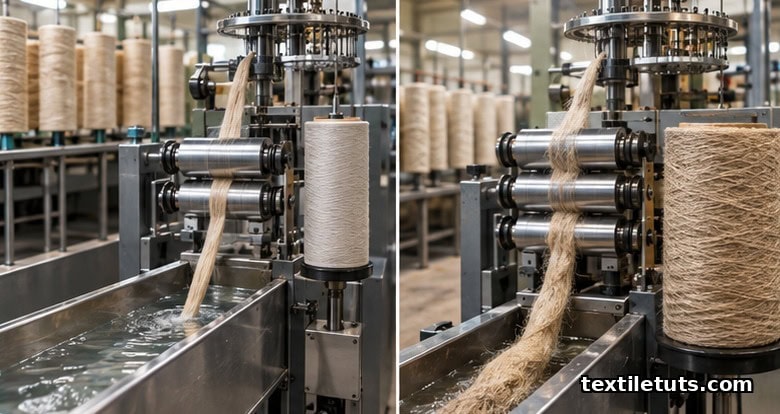
Spinning
Flax Spinning: Wet vs Dry Systems
Combed cotton yarn removes 10 to 25 percent of short fibers (those shorter than 12.7...
Read article →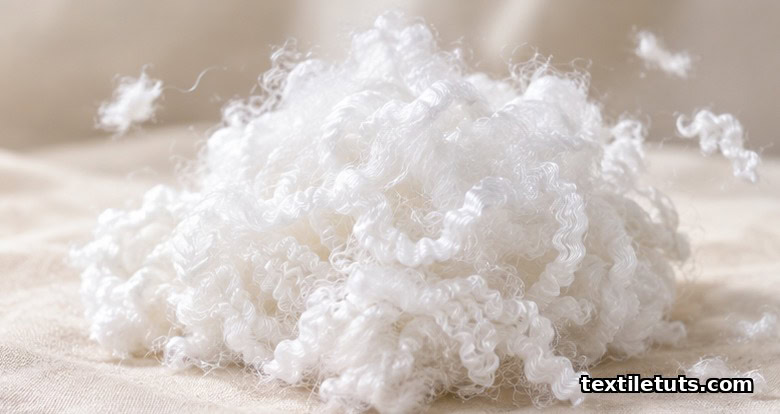
Spinning
Polyester Staple Fiber Spinning
Combed cotton yarn removes 10 to 25 percent of short fibers (those shorter than 12.7...
Read article →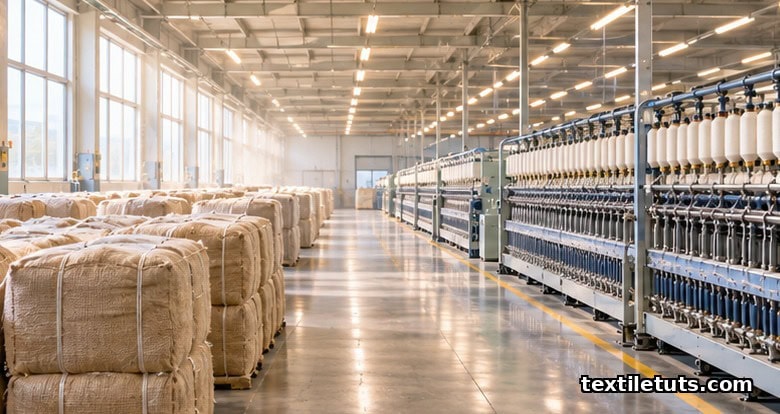
Spinning
Cotton Spinning Process Step-by-Step
Combed cotton yarn removes 10 to 25 percent of short fibers (those shorter than 12.7...
Read article →
02
More from this category
More specific processes, techniques, and topic deep-dives.
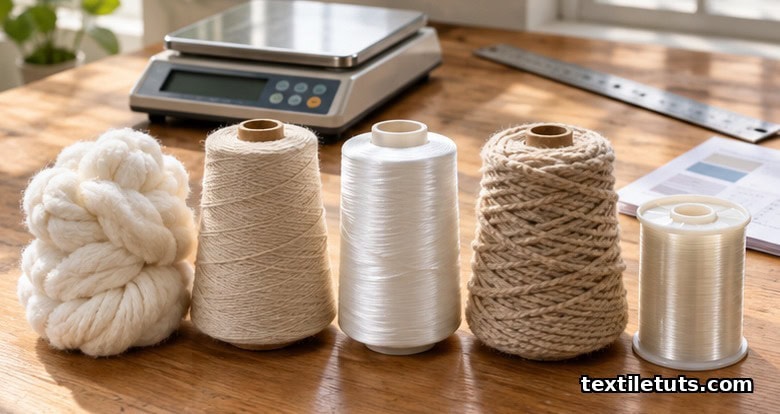
Spinning
Ne, Nm, Tex, Denier, Decitex: Spinning-Specific Calculations
Combed cotton yarn removes 10 to 25 percent of short fibers (those shorter than 12.7...
Read article →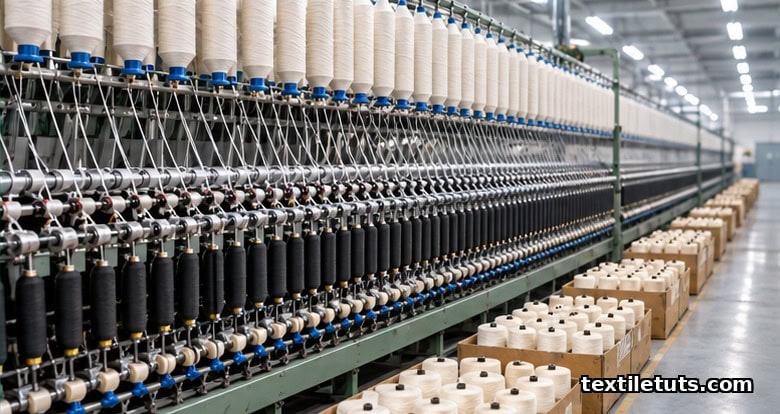
Spinning
How Yarn Count Affects Spinning Production
Combed cotton yarn removes 10 to 25 percent of short fibers (those shorter than 12.7...
Read article →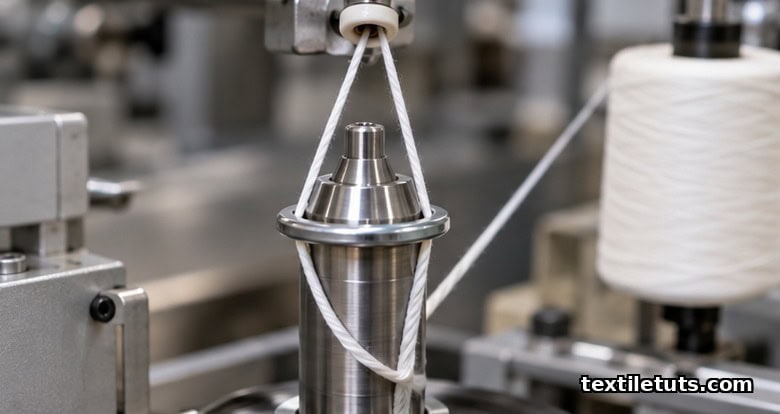
Spinning
Two-For-One Twisting: Process and Applications
Combed cotton yarn removes 10 to 25 percent of short fibers (those shorter than 12.7...
Read article →
Spinning
Yarn Splicing: Methods and Quality Impact
Combed cotton yarn removes 10 to 25 percent of short fibers (those shorter than 12.7...
Read article →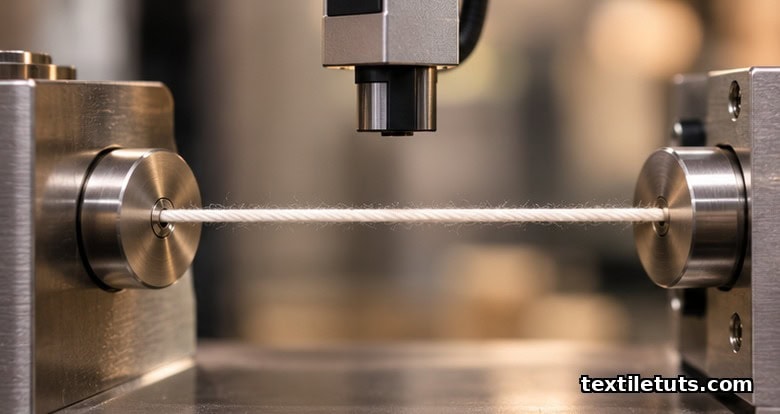
Spinning
Yarn Evenness Testing: Uster Evenness Tester
Combed cotton yarn removes 10 to 25 percent of short fibers (those shorter than 12.7...
Read article →
Spinning
Vortex Spinning: Murata Vortex and Competitive Technologies
Combed cotton yarn removes 10 to 25 percent of short fibers (those shorter than 12.7...
Read article →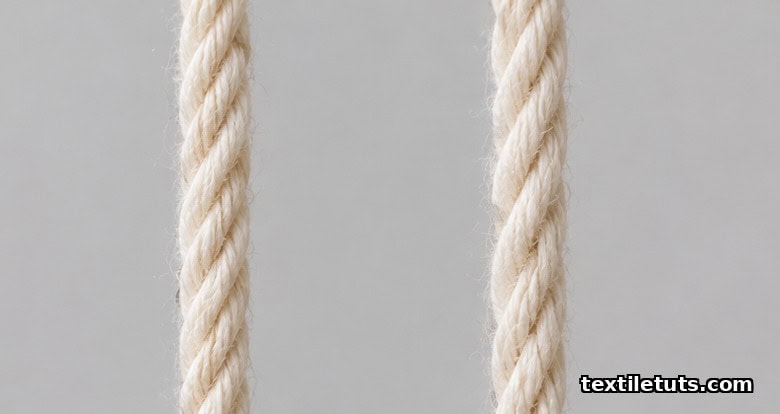
Spinning
Yarn Twist and Twist Direction: Z-Twist vs S-Twist
Combed cotton yarn removes 10 to 25 percent of short fibers (those shorter than 12.7...
Read article →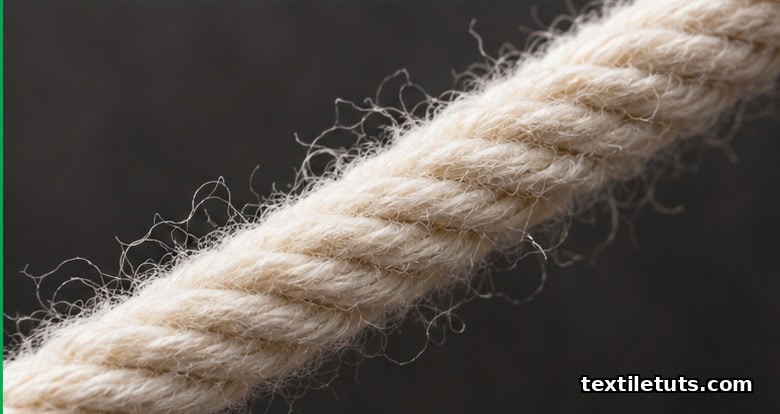
Spinning
Twist Multiplier (TM): Formula, Calculation, and Applications
Combed cotton yarn removes 10 to 25 percent of short fibers (those shorter than 12.7...
Read article →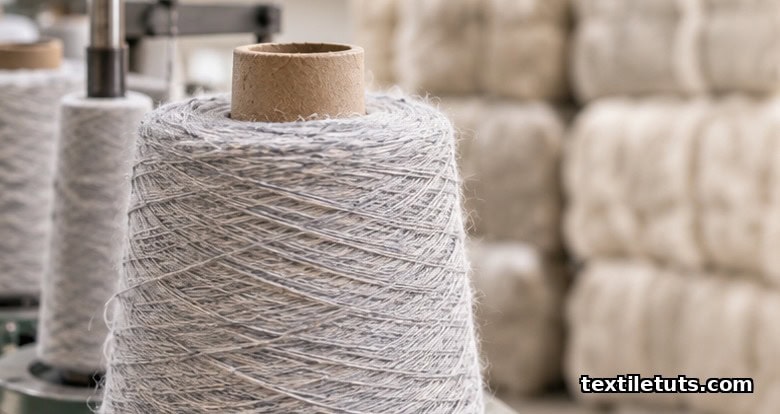
Spinning
Sustainability in Spinning: Recycled Yarns
Recycled yarns use 30 to 60 percent less energy and cut water consumption by up...
Read article →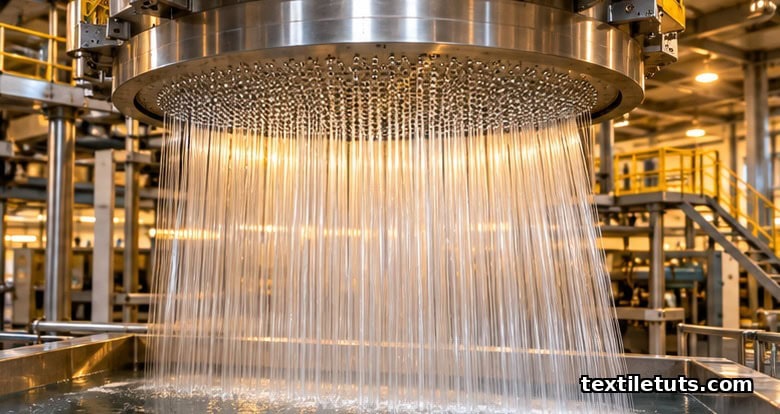
Spinning
Recycled Polyester Spinning (rPET)
Recycled polyester (rPET) staple fiber is produced by extruding post-consumer PET flakes through spinneret holes...
Read article →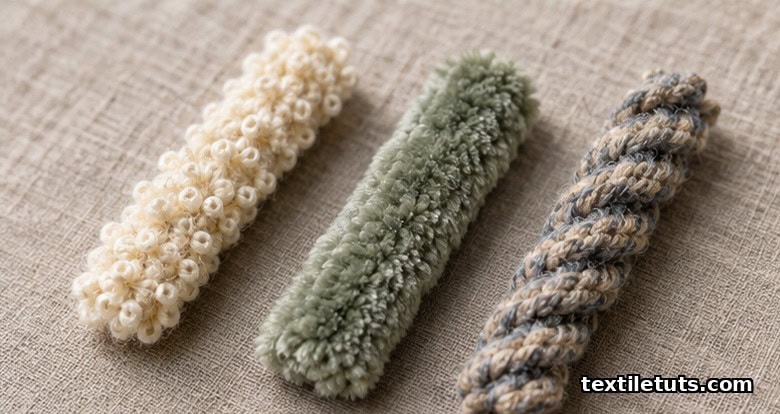
Spinning
Fancy Yarn: Boucle, Chenille, Spiral
Fancy yarns are spun structures that combine a regular base (or “ground”) yarn with at...
Read article →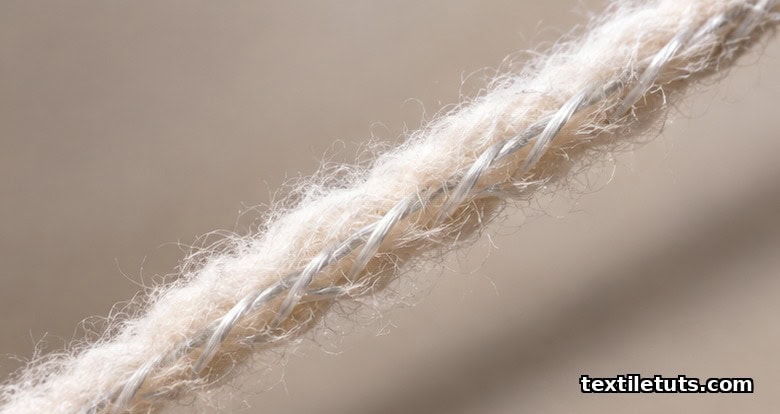
Spinning
Core-Spun Yarn: Production and Applications
Core-spun yarn is a composite yarn produced by twisting a continuous filament core, most commonly...
Read article →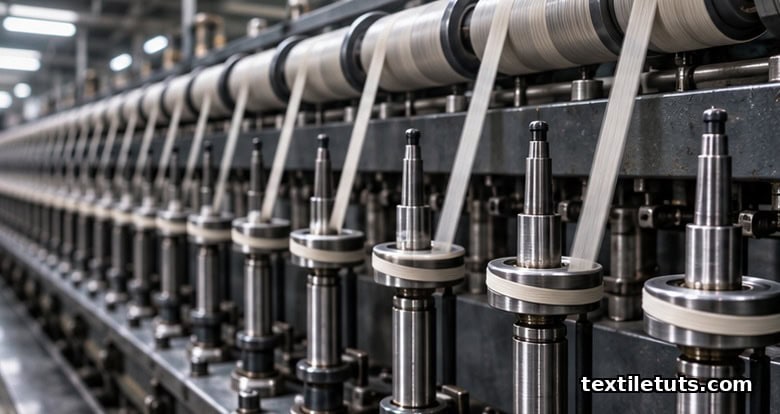
Spinning
Spindle Tape and Bearing Issues
A spindle tape is a short endless textile belt, typically 6 to 8 mm wide...
Read article →
Spinning
Spinning Mill Cost Calculation
A spinning mill producing 30s cotton yarn at 10,000 kg per day operates at a...
Read article →
04
Frequently asked questions
Which spinning system is best for my yarn?
Ring for premium quality, rotor for cost-efficient coarse counts, air-jet for high-volume production, compact for premium feel. Match the system to the fiber, count, and end-use.
What is the difference between ring and rotor spinning?
Ring uses a traveler on a ring to insert twist - slower but produces finer, stronger yarn. Rotor uses a rotating cup - faster but coarser, more hair, lower strength. The choice depends on end-use and cost.
What is the twist multiplier (TM) and why does it matter?
TM = TPM / sqrt(Ne). It normalizes twist to yarn count. TM 3.5-4.0 is soft knitting, 4.0-4.5 is general weaving, 4.5-5.5 is hard-twist crepe, 5-6 is sewing thread, 7-9 is crepe yarn.
What is compact spinning?
A modification of ring spinning that adds a suction zone before twist insertion, condensing the fiber strand. Reduces hairiness 30-50%, increases strength 5-15%, costs 5-10% more than conventional ring.
How fast does a modern spinning frame produce?
Ring: 1,000-3,000 rpm, 25-35 g/spindle-hour for cotton. Rotor: 5,000+ rpm, 200-400 kg/frame-hour. Air-jet: 800-1500 ppm. A typical 50,000-spindle mill produces 30-50 tons/day.
Can't find what you're looking for?
The team replies to every email. Send us your question or a sample spec and we'll route it to the right specialist.