
Cotton Combing Process: Noil, Sliver, and Yarn Count

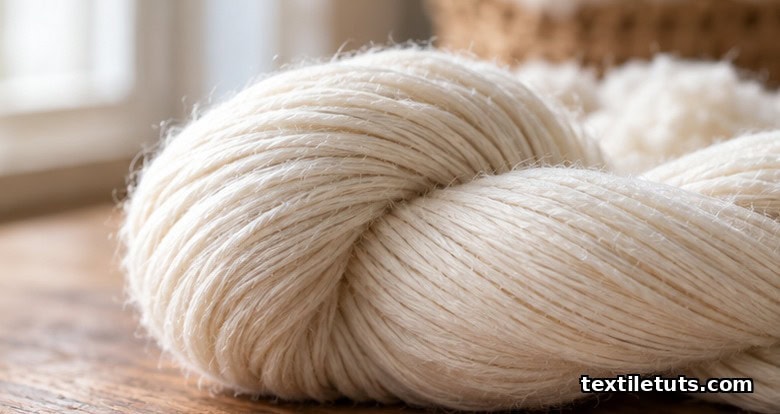
Cotton combing removes 8 to 20 percent of the fiber mass from a carded sliver as noil (short fibers below 12.7 mm) while cutting nep and trash content by 50 to 90 percent, producing a combed sliver that consistently spins to yarn counts 30 to 50 percent finer than carded cotton at equal yarn evenness. The remaining long fibers line up parallel, free of seed-coat fragments and most immature fibers, which is what gives combed cotton its smooth hand, higher luster, and superior strength when woven or knitted into fabric.
This article walks through what happens inside a combing machine, the role of noil, how combed sliver differs from carded sliver, and why yarn count limits expand once short fibers are removed.
What Cotton Combing Does in the Spinning Line
Cotton combing sits between carding and drawing on the short-staple spinning line. After carding has disentangled the raw cotton and removed the bulk of trash, the card sliver still contains a wide distribution of fiber lengths, from the longest fibers (often 35 to 40 mm for a good middling cotton) down to fragments of 5 mm or less. Combing’s job is to separate the long, parallel fibers from the short ones, the neps, and the remaining trash, and to deliver the long fibers as a clean, oriented sliver to the next process.
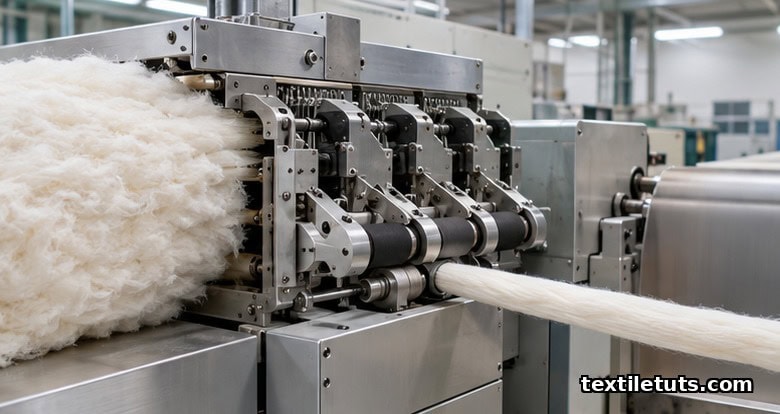
The standard industrial machine for this is the rectilinear comber (Rieter E5/6, E7, Truetzschler TC 03, Marzoli, Toyota JX, among others). Each machine has a lap feed, a set of nipper assemblies that grip the fiber fringe, a circular comb that sweeps the fringe to dislodge short fibers and trash, and detaching rollers that pull the combed fringe forward as new sliver. Modern high-production combers deliver 50 to 70 kg per hour of combed sliver at delivery speeds up to 600 m per minute.
Noil: The Short-Fiber Waste Stream
Noil is the discarded fraction removed during combing. By industry convention, “noil” includes all fibers shorter than a defined threshold (typically 12.7 mm, or 0.5 inch, in cotton) plus any long fibers caught up in the trash being extracted. The noil percentage is one of the key economic and quality numbers of the process.
- Fine-yarn spinning (60 to 100 Ne target): 14 to 20 percent noil
- Medium counts (30 to 50 Ne): 9 to 13 percent noil
- Coarser combed counts (20 to 30 Ne): 6 to 10 percent noil
- Superfine counts above 100 Ne: up to 25 percent noil
These ranges are consistent with published spinning-textile data and the noil targets set by rectilinear comber manufacturers for different yarn count programs. Higher noil means more raw cotton consumed per kilogram of combed yarn, which is why combed yarn carries a 15 to 30 percent price premium over carded at the same count.
The removed noil is not waste in the strict sense. It is recycled into coarser yarn counts, nonwoven products, or open-end rotor spinning, where the short fibers perform adequately because rotor spinning tolerates shorter fibers than ring spinning.
Combed Sliver: What Changes in the Fiber Assembly
The combed sliver coming off the comber has measurable differences from card sliver. ASTM D1440 array-method testing typically shows the upper-half-mean length (UHML) of combed sliver increases by 2 to 4 mm relative to carded, and the short-fiber content (fibers below 12.7 mm) drops by 50 to 70 percent. Other measurable changes include:
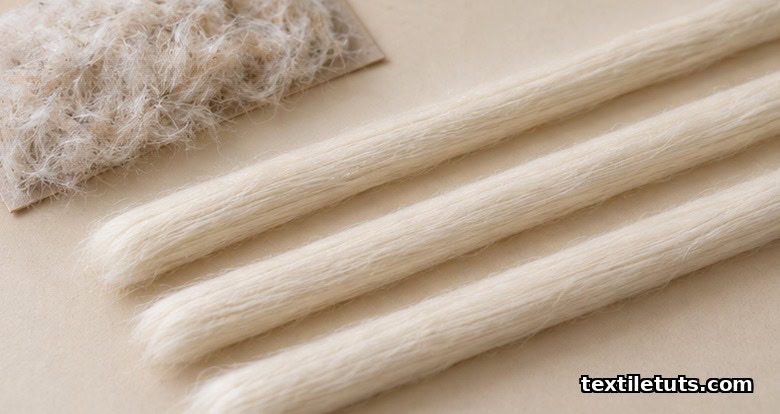
- Nep count reduction of 50 to 90 percent (measured by AFIS or Uster AFIS nep tester)
- Trash and dust removal of 80 to 95 percent by mass
- Improved fiber parallelization, which raises sliver evenness on the Uster Tester (CV% typically 3 to 5 percent in combed sliver versus 4 to 7 percent in carded)
- Slightly higher bundle strength (Pressley or Stelometer) because immature fibers are preferentially removed with the noil
ASTM D1425 evenness testing, the capacitance method, is the standard reference for sliver and yarn uniformity. Lower CV% on this instrument correlates with fewer thick and thin places in the final yarn.
How Combing Affects Yarn Count and Quality
Yarn count is the linear density expressed in count units. In cotton, the English cotton count (Ne) is dominant: 1 Ne equals 1 pound of yarn per 840 yards, so a higher Ne means a finer yarn. Combed cotton can be spun to higher Ne values than carded cotton at the same quality level, because short fibers are what limit spinning fineness under ring spinning.
The “combing ratio” (long-fiber content retained versus raw fiber weight) is the practical lever. For a 40 Ne ring-spun yarn, a mill will target a combed sliver with short-fiber content under 8 percent by weight. For 80 Ne combed yarn, short-fiber content drops below 5 percent. Going finer requires tighter combing settings and more aggressive noil removal.
Beyond fineness, combing improves several yarn properties that mills measure routinely:
- Coefficient of variation (CV%) of yarn count: typically 13 to 15 percent for combed 30 Ne versus 16 to 18 percent for carded 30 Ne
- Hairiness: 20 to 40 percent lower on combed yarn because more fibers are anchored inside the yarn body
- Single-end strength: 10 to 15 percent higher than carded at the same count
- End-down rate in weaving: lower, because thick and thin places from short fibers are fewer
Carded vs Combed Cotton: Side-by-Side
| Property | Carded | Combed |
|---|---|---|
| Short-fiber content (≤12.7 mm) | 12 to 18 percent | 5 to 9 percent |
| Nep count (per gram) | 100 to 300 | 10 to 60 |
| Trash content (Shirley analyzer) | 2 to 4 percent | 0.3 to 0.8 percent |
| Upper-half-mean length | 26 to 29 mm | 28 to 33 mm |
| Maximum practical yarn count (Ne) | 40s | 80s, 100s, and finer |
| Yarn hairiness (Uster Hairiness H) | Baseline | 20 to 40 percent lower |
| Fabric hand | Fuzzy, matte | Smooth, lustrous |
| Typical price premium | Baseline | +15 to 30 percent |
Process Parameters That Control Combing Performance
Inside the comber, four machine settings decide what goes into the sliver and what leaves as noil. Adjusting these is the daily work of the spinning floor manager.
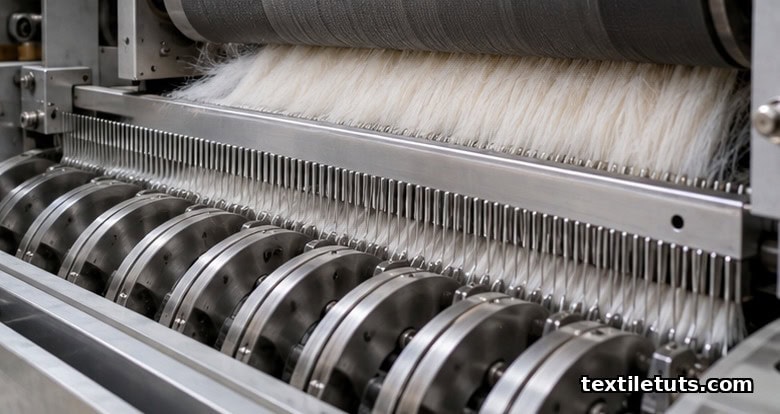
- Feed per nip (mm per cycle): typically 4 to 6 mm. Larger feeds push more fiber through, increasing production but also raising noil percentage.
- Comb cycle: detaching roller revolutions per minute. Modern combers run 300 to 600 cycles per minute. Higher cycles mean more production per shift but more aggressive combing and higher noil.
- Needle gauge of the half-lap and top comb: finer needles clean more aggressively but raise noil and risk fiber breakage.
- Detachment setting (the fraction of the fringe detached per cycle): typically 25 to 35 percent. Higher detachment increases sliver linear density at the delivery and reduces noil but reduces the combing intensity.
The interaction between these four settings determines the noil-to-quality tradeoff that defines combed yarn economics.
Frequently Asked Questions
What percentage of cotton becomes noil during combing?
Typical noil percentages fall between 6 and 20 percent of the lap weight fed into the comber. The exact figure depends on the yarn count target: spinning 30 Ne combed yarn removes 6 to 10 percent of fiber weight as noil, while spinning 80 Ne or finer removes 14 to 20 percent. Mills set noil targets per yarn count rather than as a single plant-wide number.
How does combing let a mill spin finer yarn counts?
Ring spinning reaches a practical limit when the floating fibers in the drafting zone can no longer be controlled by the top roller pressure. Short fibers below 12.7 mm drift outside the main fiber bundle and create thick places or end-breaks. By removing these short fibers, combing lowers the floating-fiber population and raises the maximum count the same drafting system can spin, typically by 30 to 50 percent relative to carded.
What is the difference between carded sliver and combed sliver?
Carded sliver still contains short fibers, neps, and residual trash, with a typical short-fiber content of 12 to 18 percent. Combed sliver has 50 to 70 percent fewer short fibers, 50 to 90 percent fewer neps, and 80 to 95 percent less trash by mass. Both look like rope-like strands, but combed sliver feeds into drawing and roving as a cleaner, more parallelized fiber assembly, which is what enables the downstream quality gains.
Why does combed cotton fabric feel smoother and look brighter than carded cotton?
The smoother hand comes from fewer free fiber ends protruding from the yarn surface, since short fibers were removed before spinning. The brighter appearance comes from reduced trash particles and from more parallel fiber alignment, which reflects light more uniformly than the disordered fiber arrangement in carded yarn. Dye uptake is also more even on combed cotton because immature fibers, which absorb dye unevenly, have been removed with the noil.
How is combed yarn quality measured?
Mills measure combed yarn on Uster Tester (CV% of count, thick places, thin places, neps per 1,000 m), Uster Hairiness meter (hairiness H index), single-end tensile testers (tenacity, elongation at break), and Classimat systems for periodic thick and thin faults. Sliver and roving are measured on Uster Sliver Tester or evenness testers compliant with ASTM D1425. Fiber-quality inputs are measured on HVI (High Volume Instrument) and AFIS (Advanced Fiber Information System) before the cotton reaches the comber.
References
- ASTM D1440-07(2019). Standard Test Method for Length and Length Distribution of Cotton Fibers (Array Method). ASTM International, West Conshohocken, PA.
- ASTM D1425/D1425M-14(2020). Standard Test Method for Evenness of Textile Strands Using Capacitance Testing. ASTM International.
- ISO 2403:2022. Textiles: Cotton Fibres: Determination of Length (by Combing Method). International Organization for Standardization, Geneva.
- ISO 1139:2023. Textiles: Cotton Fibres: Determination of Breaking Tenacity and Elongation at Break. International Organization for Standardization, Geneva.
- Klein, W. (1987). A Practical Guide to Combing and Drawing. The Textile Institute, Manchester.
- Lawrence, C. A. (2003). Fundamentals of Spun Yarn Technology. Woodhead Publishing, Cambridge.
This article is the working reference for cotton combing, noil, sliver properties, and the resulting yarn count range. Editorial by Iftay Khairul Alam, TextileTuts. Sources: ASTM D1440, ASTM D1425, ISO 2403, ISO 1139, Klein (1987), Lawrence (2003) as cited.


