
CATEGORY HUB · 25 ARTICLES
Nonwoven
Engineered sheet structures
Spunbond, meltblown, SMS, needle-punch, spunlace. Bonded fabrics for hygiene, medical, geotextile, filtration, automotive, and apparel applications. The fastest-growing fabric category.
01
Essential reading
Start here. The most important articles that explain the category to a textile engineer in one sitting.
Nonwoven
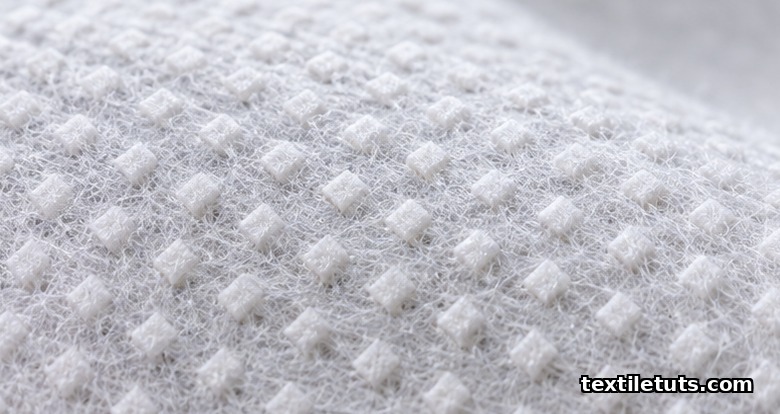
Thermal-Bonded Nonwoven
Thermal-bonded nonwoven fabrics are produced by applying heat (typically 130 to 180 °C) and pressure...
Read article →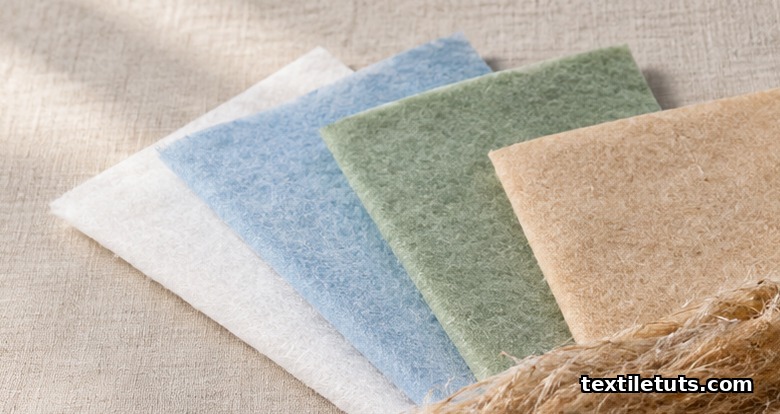
Nonwoven
Nonwoven Sustainability
Thermal-bonded nonwoven fabrics are produced by applying heat (typically 130 to 180 °C) and pressure...
Read article →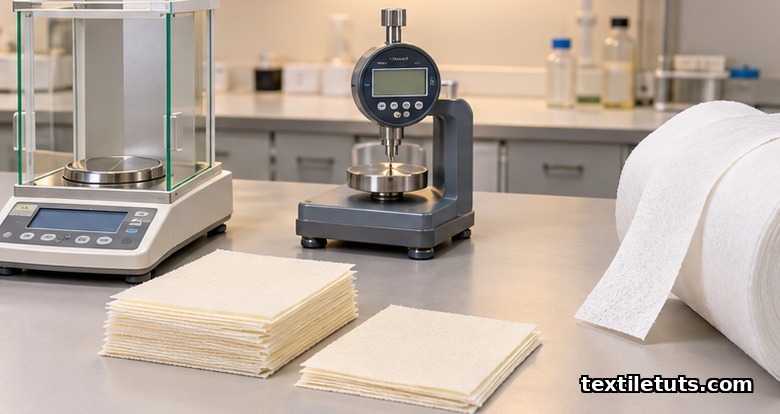
Nonwoven
Nonwoven Testing Methods
Thermal-bonded nonwoven fabrics are produced by applying heat (typically 130 to 180 °C) and pressure...
Read article →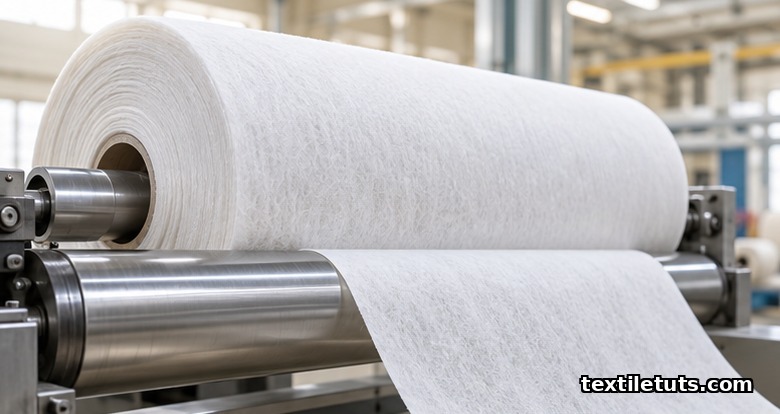
Nonwoven
Nonwoven for Wipes
Thermal-bonded nonwoven fabrics are produced by applying heat (typically 130 to 180 °C) and pressure...
Read article →
02
More from this category
More specific processes, techniques, and topic deep-dives.
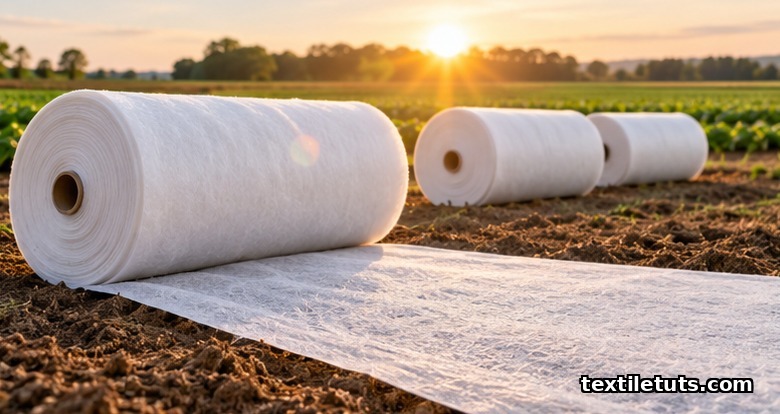
Nonwoven
Nonwoven for Agriculture
Thermal-bonded nonwoven fabrics are produced by applying heat (typically 130 to 180 °C) and pressure...
Read article →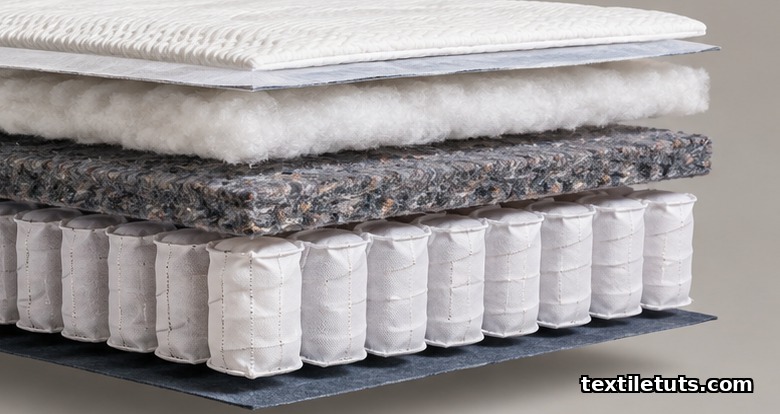
Nonwoven
Nonwoven for Furniture and Bedding
Thermal-bonded nonwoven fabrics are produced by applying heat (typically 130 to 180 °C) and pressure...
Read article →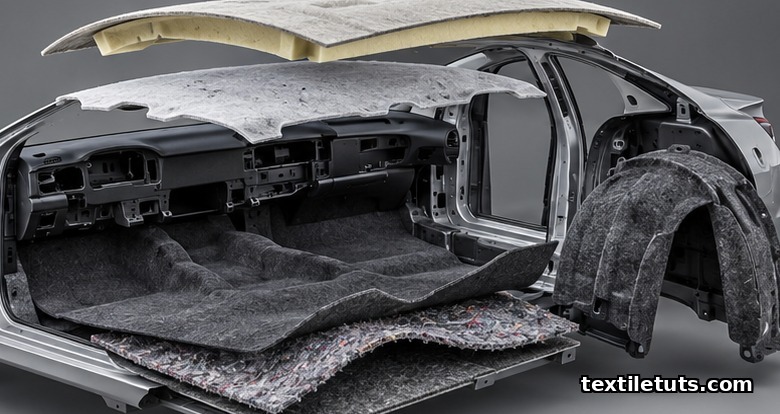
Nonwoven
Nonwoven for Automotive
Thermal-bonded nonwoven fabrics are produced by applying heat (typically 130 to 180 °C) and pressure...
Read article →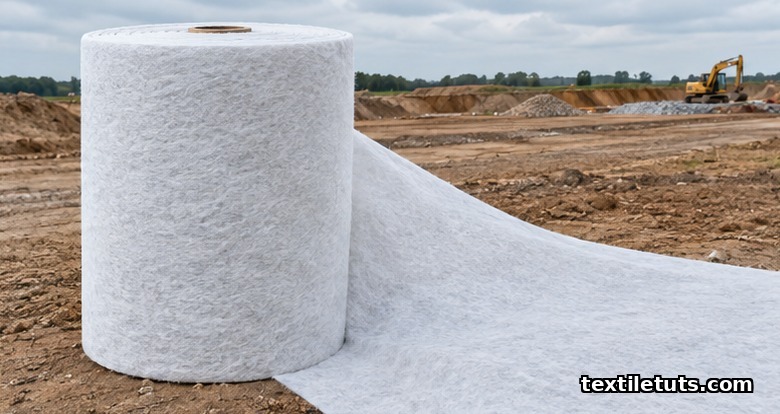
Nonwoven
Nonwoven for Geotextiles
Thermal-bonded nonwoven fabrics are produced by applying heat (typically 130 to 180 °C) and pressure...
Read article →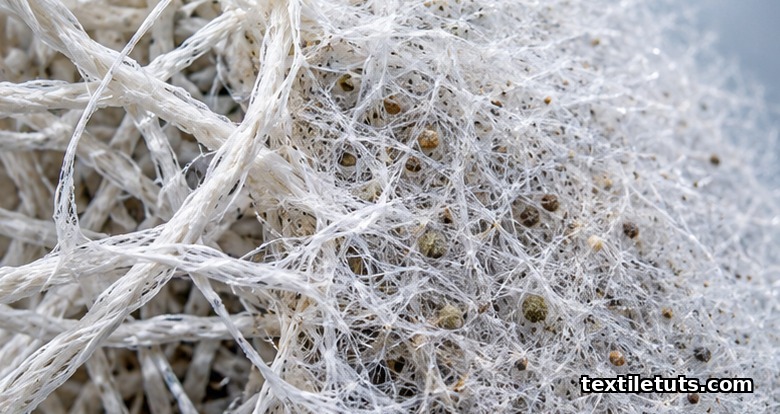
Nonwoven
Nonwoven for Filtration
Thermal-bonded nonwoven fabrics are produced by applying heat (typically 130 to 180 °C) and pressure...
Read article →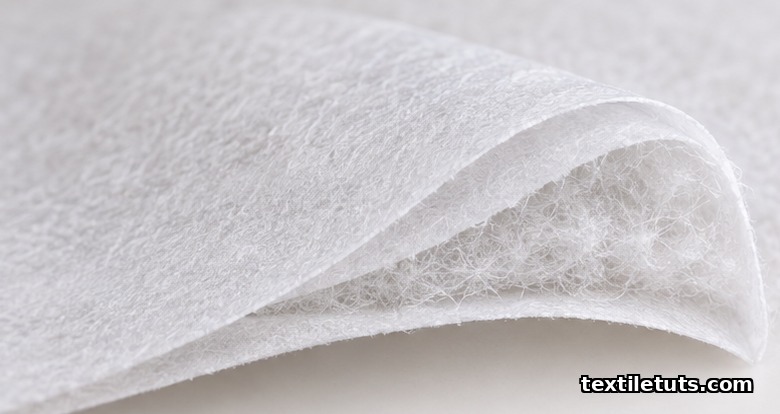
Nonwoven
Nonwoven for Hygiene Products
Thermal-bonded nonwoven fabrics are produced by applying heat (typically 130 to 180 °C) and pressure...
Read article →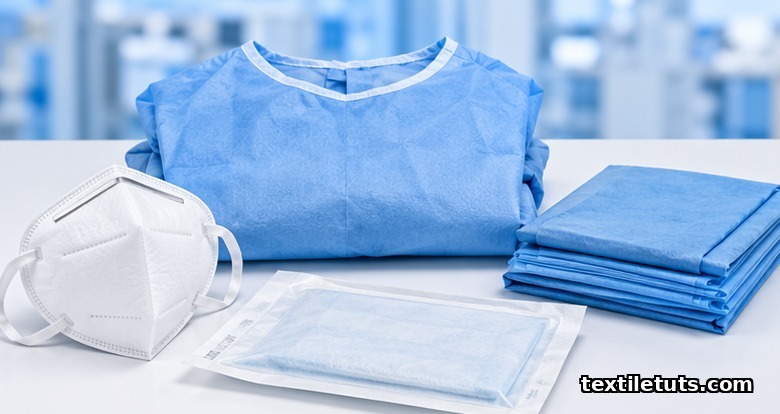
Nonwoven
Nonwoven for Medical Products
Thermal-bonded nonwoven fabrics are produced by applying heat (typically 130 to 180 °C) and pressure...
Read article →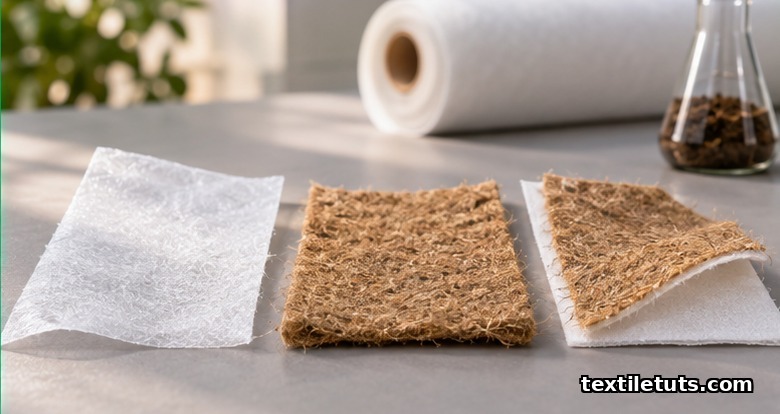
Nonwoven
Biodegradable Nonwoven (PLA, Jute)
Thermal-bonded nonwoven fabrics are produced by applying heat (typically 130 to 180 °C) and pressure...
Read article →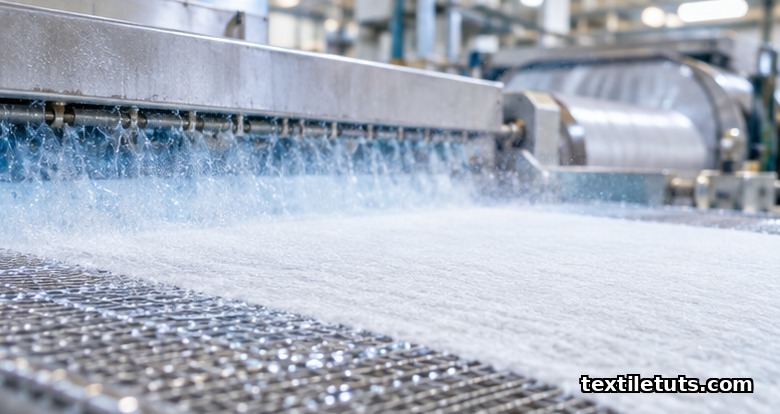
Nonwoven
Wet-Laid Nonwoven
Wet-laid nonwovens are flat, paper-like fabrics formed by dispersing fibers 1 to 25 millimeters long...
Read article →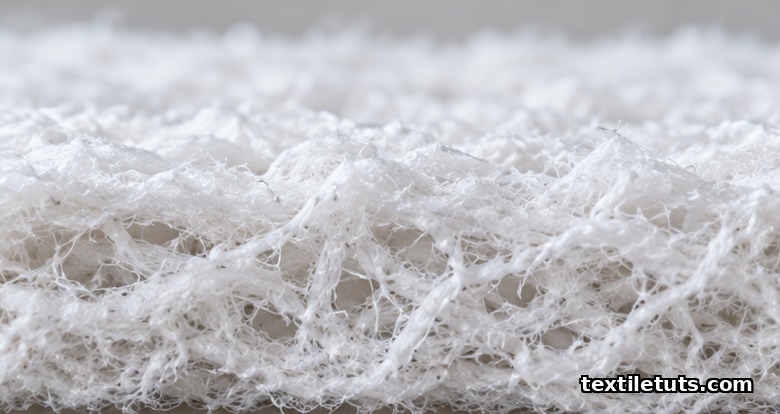
Nonwoven
Air-Laid Nonwoven
Air-laid nonwoven fabric is a dry-laid nonwoven produced by suspending short cellulose or synthetic fibers...
Read article →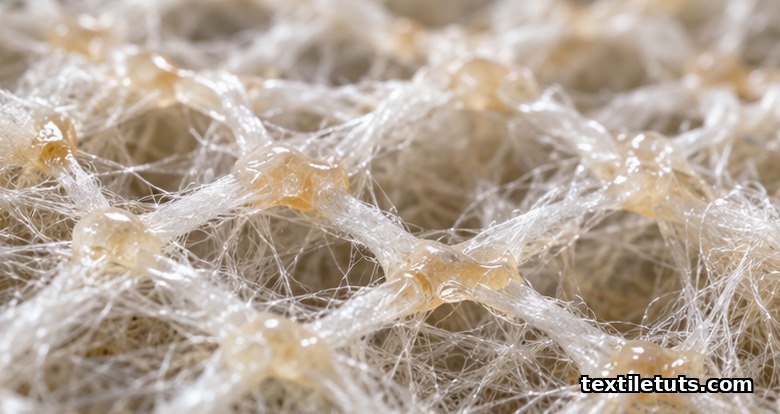
Nonwoven
Chemical-Bonded Nonwoven
Chemical bonding is a nonwoven fabric web consolidation method that adds 10 to 50 percent...
Read article →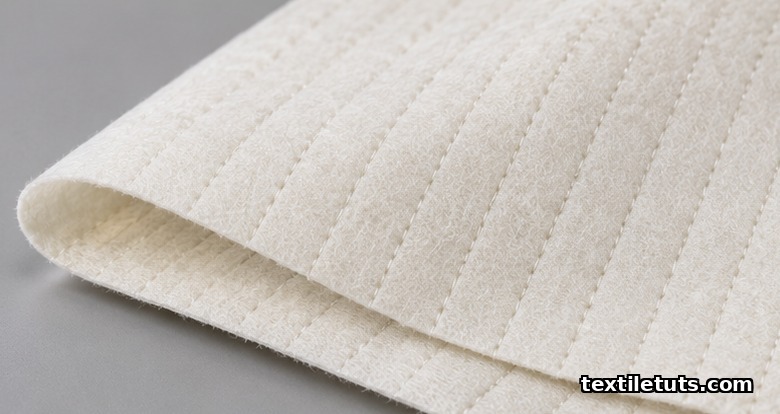
Nonwoven
Stitch-Bonded Nonwoven
Stitch-bonded nonwoven fabrics are engineered by stitching a fibrous web or cross-laid carded batt with...
Read article →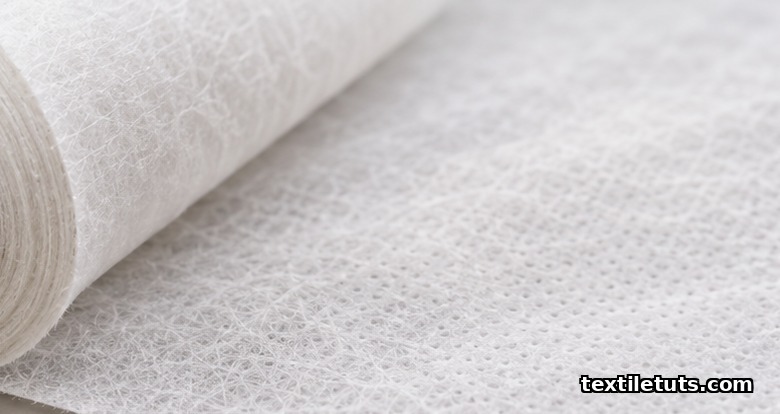
Nonwoven
Spunbond Polypropylene Nonwoven
Spunbond polypropylene nonwoven fabric is manufactured by extruding molten isotactic polypropylene (melting point 160-165 °C,...
Read article →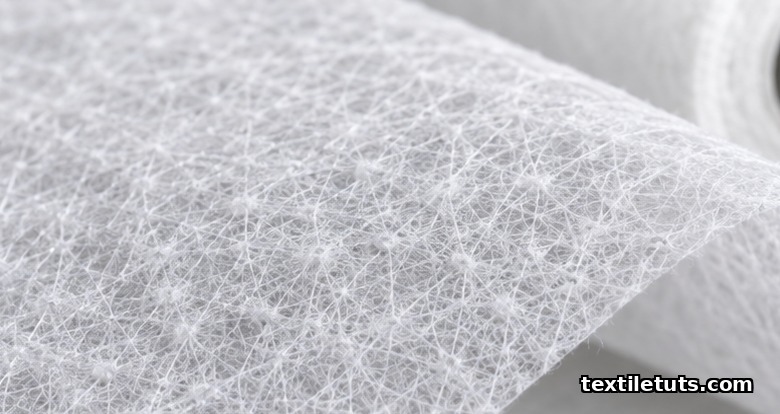
Nonwoven
Spunbond Polyester Nonwoven
Spunbond polyester nonwoven fabric is produced by extruding molten PET polymer at 280-300°C through a...
Read article →
04
Frequently asked questions
What is a nonwoven fabric?
A fabric engineered by bonding fibers via mechanical, chemical, thermal, or solvent means - never woven or knitted. Used for hygiene, medical, geotextile, filtration.
What is SMS?
Spunbond-Meltblown-Spunbond. A composite nonwoven with spunbond outer layers for strength and meltblown middle for filtration. Used in surgical gowns, N95 masks, hygiene products.
What is spunbond vs meltblown?
Spunbond: continuous filament fibers extruded and laid on a belt - high strength, used for structural layers. Meltblown: microfibers attenuated by hot air - fine filtration.
Are nonwovens recyclable?
Some are. Monomaterial nonwovens (100% PP or 100% PET) can be mechanically or chemically recycled. Multi-material composites (PP-PET-PE) are harder to recycle and often go to landfill.
What is the fastest-growing nonwoven process?
Spunbond is the largest by volume. Spunlace (hydroentanglement) is the fastest-growing for wipes. SMS is the fastest for medical.
Can't find what you're looking for?
The team replies to every email. Send us your question or a sample spec and we'll route it to the right specialist.