
Wound Dressings: Transparent Film

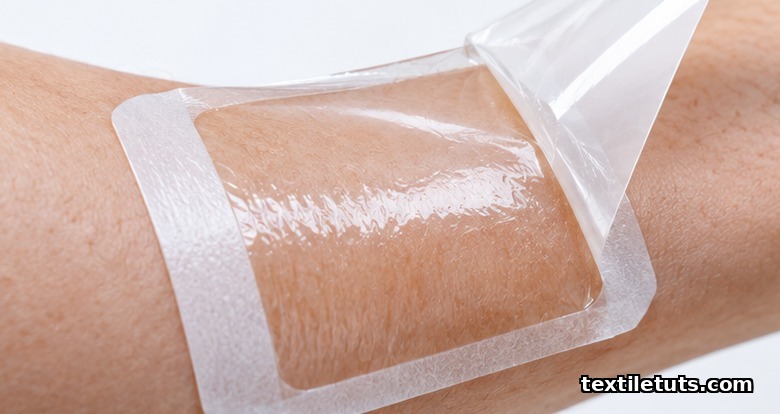
Transparent film dressings are thin polyurethane membranes, typically 25 to 50 micrometers thick, with a moisture vapor transmission rate (MVTR) of 400 to 3,000 grams per square meter per 24 hours, used to cover superficial wounds, IV catheter sites, and stage I to II pressure ulcers while blocking liquid water and bacterial ingress.
The same polyurethane film that lets water vapor diffuse out of a wound bed also forms a barrier against liquid strike-through from outside, which is why transparent films are widely specified in clinical wound-care protocols and in peripheral IV site maintenance bundles.
What follows is a textile-engineering look at how transparent film dressings are constructed, the standards they are tested against, and where they fit in the broader wound-care product family.
What Is a Transparent Film Dressing?
A transparent film dressing is a thin, optically clear polymeric membrane coated on one face with a medical-grade pressure-sensitive adhesive and supplied sterile between a release liner and a top carrier film. The dressing conforms to skin with a stretch that mirrors soft-tissue movement, which is why it stays in place over joints, knuckles, and sacral regions better than rigid tape systems.
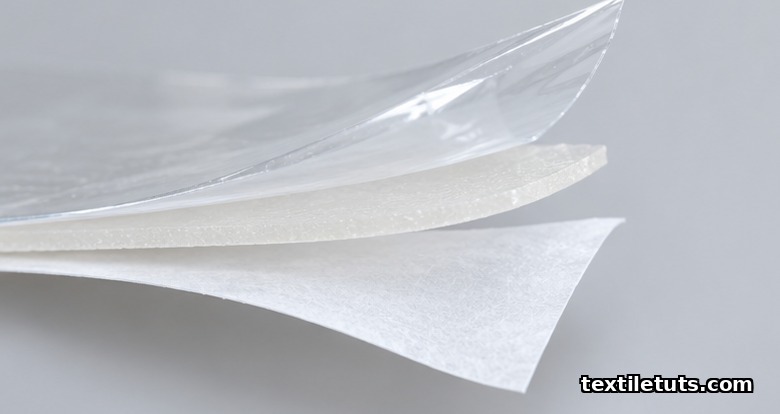
Most commercial transparent films use medical-grade thermoplastic polyurethane as the base film. Polyurethane is chosen because it combines high tensile strength with elongation at break values typically above 300 percent, which keeps the dressing from tearing under shear. The film is also optically transparent, with light transmittance above 90 percent in the visible range for most commercial products, which lets clinicians monitor erythema, exudate level, and wound-edge progression without lifting the dressing.
The adhesive layer is almost always an acrylic copolymer emulsion, sometimes a silicone-acrylic hybrid, applied at coat weights of 20 to 60 grams per square meter. Acrylics dominate this category because they are hypoallergenic, latex-free, and maintain tack at body temperature without the cold-flow issues of older rubber-resin systems.
How Transparent Film Dressings Work: MVTR and Permeability
The functional core of a transparent film dressing is its moisture vapor transmission rate. MVTR is measured in grams of water that pass through one square meter of film in 24 hours under controlled temperature and humidity. The standard test method is ASTM F1868, which provides both desiccant and water-contact protocols at 37 degrees Celsius.
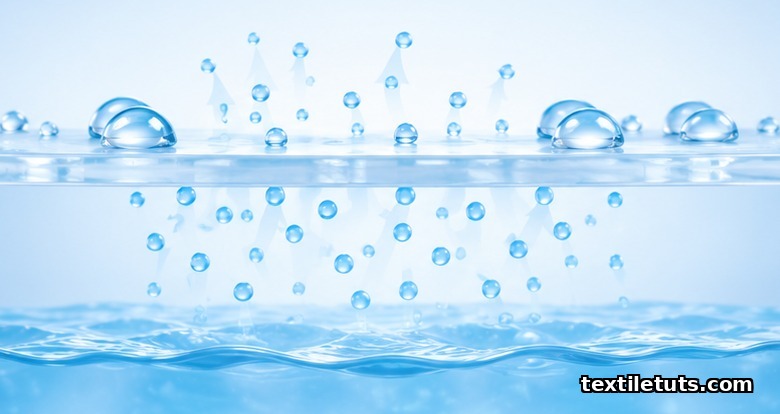
Modern transparent films span MVTR values from about 400 g/m²/24h on the low end to over 3,000 g/m²/24h for high-permeability dressings used on lightly exuding wounds. For context, intact skin has a baseline transepidermal water loss of about 200 to 300 g/m²/24h, while a moderately exuding wound may release 3,000 to 5,000 g/m²/24h. The film’s MVTR needs to match the wound’s exudate level, otherwise the dressing either macerates surrounding skin (too low MVTR) or desiccates the wound bed (too high MVTR).
The same polyurethane matrix that transmits vapor also blocks liquid water and microorganisms. Tests under ASTM F903 demonstrate liquid barrier performance, while ASTM F1671 measures resistance to bacteriophage and viral penetration, typically using Phi-X174 bacteriophage as the challenge organism. Most transparent films that pass F1671 also reduce bacterial strike-through, with pore-equivalent geometries smaller than 0.5 micrometers.
Material Construction and Common Product Forms
Transparent film dressings are made by three main converting routes: solvent casting, extrusion casting, and hot-melt extrusion. Each route tunes the film’s final mechanical and permeation properties.
- Solvent-cast polyurethane films offer the highest optical clarity and the smoothest surface, which is preferred for IV site applications where clinicians inspect for phlebitis daily.
- Extrusion-cast films are produced in higher volumes and at lower cost, with slightly higher haze values but equivalent MVTR.
- Coextruded films combine a low-MVTR outer skin with a higher-MVTR inner layer, giving directional moisture transport that pulls exudate away from the wound.
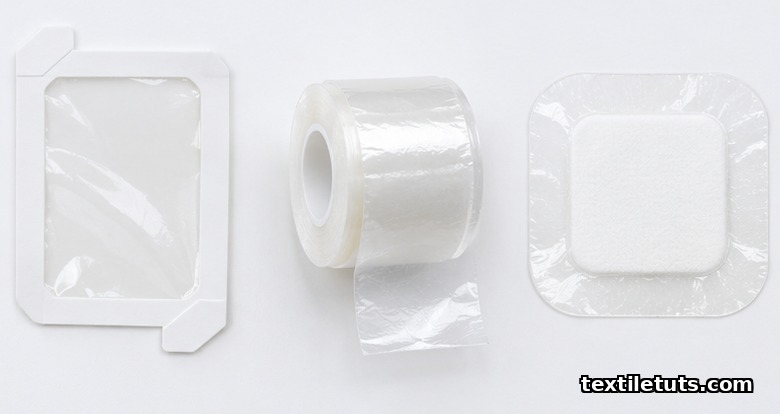
Common product formats include framed styles (the dressing sits inside a removable plastic frame for one-handed application), roll form (cut to length at the bedside), and island dressings (an absorbent pad surrounded by a transparent film border). Framed styles dominate the IV site market, while island formats compete with hydrocolloid and foam dressings on low-exudate surgical wounds.
Clinical Indications and Contraindications
Transparent film dressings are indicated for the following applications, based on peer-reviewed wound-care literature and the consensus statements of the Wound, Ostomy and Continence Nurses Society:
- Superficial partial-thickness burns and abrasions with minimal exudate.
- Stage I and unstageable pressure injuries where the skin is intact or non-blanchable but unbroken.
- Peripheral and central venous catheter site protection, where transparency is required for daily inspection.
- Secondary fixation of primary dressings such as alginate or gauze.
- Autolytic debridement of sloughy wounds, where the occlusive environment softens necrotic tissue.
Transparent films are not appropriate for wounds with moderate to heavy exudate, tunneling wounds, third-degree burns, or infected wounds. The same barrier that blocks external bacteria also traps wound fluid and proliferating organisms, which makes films a poor choice once clinical infection is present.
Advantages and Limitations Compared with Other Dressings
Compared with hydrocolloid, foam, and gauze dressings, transparent films offer a distinctive mix of strengths and weaknesses that nursing protocols take into account when selecting a dressing class.
| Property | Transparent Film | Hydrocolloid | Foam | Gauze |
|---|---|---|---|---|
| MVTR range (g/m²/24h) | 400 to 3,000 | 200 to 800 | 800 to 5,000 | Not rated (liquid permeable) |
| Exudate handling | Low to none | Low to moderate | Moderate to heavy | Light, requires frequent change |
| Wound visibility | Full, transparent | None, opaque | None, opaque | Full |
| Bacterial barrier (ASTM F1671) | Yes | Yes | Yes | No |
| Typical wear time | Up to 7 days | 3 to 7 days | 3 to 7 days | 1 to 2 days |
| Cost per dressing | Low to moderate | Moderate | High | Lowest |
The single largest limitation of transparent films is their handling of exudate. A wound that produces more than about 1,500 g/m²/24h of fluid will pool under the dressing, which leads to maceration of the peri-wound skin. Foam and hydrocolloid dressings absorb fluid into their bulk, while films can only let it evaporate through the membrane.
Regulatory Standards and Test Methods
Transparent film dressings sold as medical devices must comply with ISO 13485 quality system requirements and ISO 10993 biocompatibility testing, which covers cytotoxicity (ISO 10993-5), sensitization (ISO 10993-10), and irritation. Most manufacturers also test to United States Pharmacopeia (USP) Class VI plastics standards, which are the highest biocompatibility class for polymeric materials that contact intact skin for more than 30 days.
Performance testing falls under the ASTM F-series for personal protective equipment and barrier materials:
- ASTM F1868, the standard test method for thermal and evaporative resistance, is the workhorse MVTR method.
- ASTM F903 covers resistance of materials to liquid penetration, used to confirm the waterproof claim.
- ASTM F1671 covers penetration by bloodborne pathogens using bacteriophage Phi-X174 as a surrogate virus.
- ASTM F2299 covers particle penetration, useful when a manufacturer wants to claim sub-micron filtration performance.
Manufacturers publish the MVTR and barrier results on technical data sheets, and hospitals typically qualify films through their value-analysis committees before adding them to formulary.
Frequently Asked Questions
Can you shower with a transparent film dressing?
Yes, because the polyurethane film passes ASTM F903 liquid penetration testing and is rated as waterproof for short exposures of up to 15 minutes. Long immersion in bath water is not recommended, since the adhesive edge can lift over time and let water track under the film.
How long can a transparent film dressing stay on?
Most manufacturers specify a maximum wear time of 7 days on intact skin and IV sites. In practice, clinicians replace the dressing earlier if it lifts, loses transparency, or accumulates fluid under the film that cannot be wiped away through the dressing.
Are transparent film dressings waterproof?
Yes for splash and brief shower contact, no for full immersion. The film passes ASTM F903 liquid barrier testing against synthetic blood and water, but the adhesive border is the weak point, and saturated adhesives lift and allow strike-through.
When should a transparent film dressing not be used?
Films are not appropriate on infected wounds, third-degree burns, tunneling or sinus tracts, or wounds with moderate to heavy exudate. The occlusive environment traps bacteria and fluid, both of which worsen these wound states.
What is the difference between a transparent film and a hydrocolloid dressing?
Hydrocolloid dressings contain gel-forming agents such as carboxymethyl cellulose that absorb fluid into a soft gel, while transparent films only let moisture evaporate through the membrane. Hydrocolloids handle more exudate, while films offer visual monitoring of the wound bed.
References
- ASTM International. ASTM F1868 – Standard Test Method for Thermal and Evaporative Resistance of Clothing Materials Using a Sweating Hot Plate. astm.org — the canonical MVTR method cited on every transparent film technical data sheet.
- ASTM International. ASTM F903 – Standard Test Method for Resistance of Materials Used in Protective Clothing to Penetration by Liquids. astm.org — establishes the liquid-barrier claim that defines “waterproof” on film dressings.
- ASTM International. ASTM F1671 – Standard Test Method for Resistance of Materials Used in Protective Clothing to Penetration by Bloodborne Pathogens. astm.org — viral penetration test using Phi-X174 bacteriophage as the challenge organism.
- International Organization for Standardization. ISO 10993-5:2009 – Biological evaluation of medical devices, Part 5: Tests for in vitro cytotoxicity. iso.org — biocompatibility baseline for any skin-contact dressing.
- International Organization for Standardization. ISO 13485:2016 – Medical devices – Quality management systems. iso.org — the quality system standard for medical-device manufacturers globally.
- Bryant, R. A., and Nix, D. P. (Eds.). Acute and Chronic Wounds: Current Management Concepts. Elsevier, via ScienceDirect — the standard nursing textbook covering transparent film indications and contraindications.
- Wound, Ostomy and Continence Nurses Society. WOCN Clinical Practice Guideline for the Management of Wounds in Patients With Lower-Extremity Venous Disease. wocn.org — clinical practice guideline that classifies transparent films for venous ulcers with light exudate.
This article is the working reference for transparent film dressings in medical textiles. Editorial by Md. Asad Ullah (Meem), TextileTuts. Sources: ASTM F1868, ASTM F903, ASTM F1671, ISO 10993-5, ISO 13485, ScienceDirect, and WOCN guidelines as cited.


