
CATEGORY HUB · 354 ARTICLES
Garments Manufacturing & Care
Garment manufacturing process and operations
From fabric to finished garment: cutting, sewing, finishing, packing. Production line management, quality, and the operations that turn fabric into apparel at scale.
01
Essential reading
Start here. The most important articles that explain the category to a textile engineer in one sitting.
Dimensional Stability
Does Fleece Shrink? How to Wash Fleece Without Damaging It
Synthetic polyester fleece is highly resistant to traditional, water-based shrinkage. Because it is engineered from...
Read article →
Dimensional Stability
Does Corduroy Shrink? Protecting Your Corduroy Clothes
Synthetic polyester fleece is highly resistant to traditional, water-based shrinkage. Because it is engineered from...
Read article →
Garments Manufacturing & Care
How to Store Wool Sweaters Without Moth Damage
Synthetic polyester fleece is highly resistant to traditional, water-based shrinkage. Because it is engineered from...
Read article →
Garments Manufacturing & Care
How to Store Silk Clothes Long-Term
Synthetic polyester fleece is highly resistant to traditional, water-based shrinkage. Because it is engineered from...
Read article →
02
More from this category
More specific processes, techniques, and topic deep-dives.
Garments Manufacturing & Care
How to Fold vs. Hang Clothes: Which Fabrics Need Which
Synthetic polyester fleece is highly resistant to traditional, water-based shrinkage. Because it is engineered from...
Read article →
Dimensional Stability
Does Tencel (Lyocell) Shrink? Everything About Lyocell Care
Synthetic polyester fleece is highly resistant to traditional, water-based shrinkage. Because it is engineered from...
Read article →
Garments Manufacturing & Care
How to Store Clothes Long-Term (Vacuum Bags, Cedar, and More)
Synthetic polyester fleece is highly resistant to traditional, water-based shrinkage. Because it is engineered from...
Read article →
Garments Manufacturing & Care
How to Wash Modal and Tencel: The Eco-Fiber Care Guide
Synthetic polyester fleece is highly resistant to traditional, water-based shrinkage. Because it is engineered from...
Read article →
Dimensional Stability
Does Capilene Polyester Shrink? Let’s Get to the Bottom of It!
Synthetic polyester fleece is highly resistant to traditional, water-based shrinkage. Because it is engineered from...
Read article →
Dimensional Stability
Does Acrylic Shrink? How to Safely Wash Acrylic Fabric
Synthetic polyester fleece is highly resistant to traditional, water-based shrinkage. Because it is engineered from...
Read article →
Dimensional Stability
Does Modal Shrink? The Truth About Modal Fabric Care
Synthetic polyester fleece is highly resistant to traditional, water-based shrinkage. Because it is engineered from...
Read article →
Dimensional Stability
Does Viscose Shrink? And How to Stop It
Synthetic polyester fleece is highly resistant to traditional, water-based shrinkage. Because it is engineered from...
Read article →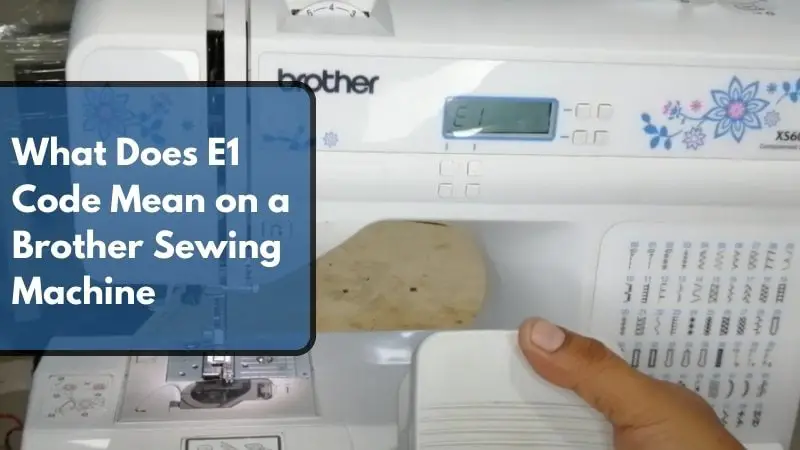
Garments Manufacturing & Care
What Does E1 Code Mean on a Brother Sewing Machine? (With Easy Fixes!)
The E1 code on your Brother sewing machine indicates a foot controller issue — specifically,...
Read article →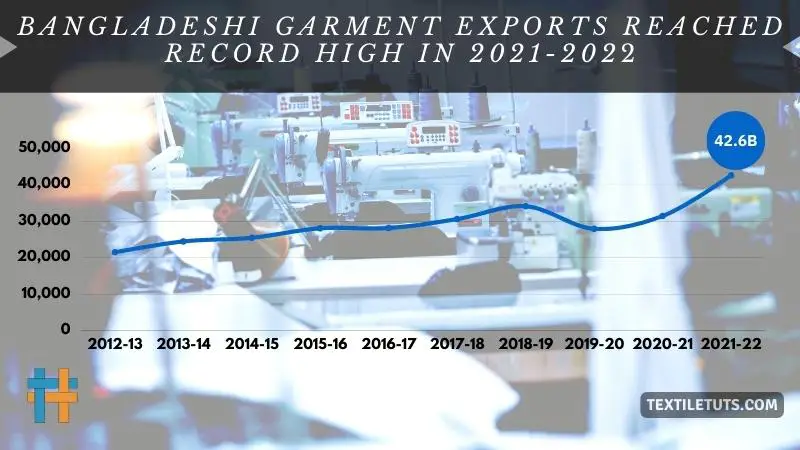
Garments Manufacturing & Care
Garment Exports in Bangladesh Reached Record High in 2021-2022 Fiscal Year
Bangladesh’s garment industry achieved record-breaking export performance in the 2021-2022 fiscal year, reaching $42.61 billion...
Read article →
Garments Manufacturing & Care
Are Microfiber Knickers Good
Yes, microfiber knickers are an excellent choice for active individuals and those with skin sensitivities....
Read article →
Garments Manufacturing & Care
Why Are Sewing Machines Loud and 6 Easy Fixes You Can Try!
How Much Noise Does a Sewing Machine Make? A Complete Guide to Sewing Machine Sound...
Read article →
Garments Manufacturing & Care
Are Wool Suits Good
Yes, wool suits are an excellent investment. They offer superior breathability, moisture management, and durability...
Read article →
Garments Manufacturing & Care
Can Fabric Glue Be Washed?
Yes — permanent water-resistant fabric glue can be machine washed, but temporary and non-water-resistant formulas...
Read article →
04
Frequently asked questions
What is the SAM for a basic T-shirt?
Standard Allowed Minutes: 12-18 minutes for a basic men's T-shirt at an efficient factory. 18-25 for a polo. 30-45 for jeans.
What is the difference between CMT and FOB?
CMT (Cut-Make-Trim): factory cost to convert fabric into a garment. FOB (Free On Board): factory cost + fabric + trim + transport to ship. FOB is the all-in cost at the port of origin.
What is a progressive bundle system?
A garment manufacturing method where bundles of cut pieces move through progressive stations, each station performing a specific operation. More efficient than bundle-by-bundle processing. Standard for high-volume apparel.
What is SAH in garment manufacturing?
Standard Allowed Hours. The total time (in hours) budgeted for producing one unit. Calculated by summing the SAM (in minutes) across all operations and dividing by 60. Used for production planning and efficiency measurement.
What is the difference between IE and PE in garment manufacturing?
IE (Industrial Engineering) focuses on process improvement, line balancing, and efficiency. PE (Production Engineering) focuses on machinery, equipment, and technical systems. Both are critical for apparel manufacturing.
Can't find what you're looking for?
The team replies to every email. Send us your question or a sample spec and we'll route it to the right specialist.